A healthy smile is more than just brushing your teeth every morning and every night. It’s about looking after your gums as well, keeping up with your regular dental checkups, and getting the appropriate treatment when something does go wrong. With a few good habits and the right support from your dentist, you can go a long way to protecting your teeth and feeling much more confident about your smile.
Whether you’re after a cavity prevention programme, you want to keep your gums in good shape, or you’re looking for ways to deal with missing or damaged teeth, these seven dental care tips will help you to look after your oral health better.

Image credit: Depositphotos
Keep Your Smile Fresh With Regular Teeth Cleaning
Brushing and flossing every day are important, but they don’t necessarily get rid of all the plaque that accumulates on your teeth. Plaque can harden over time to form tartar, which is much more difficult to remove at home. That’s where a professional teeth cleaning is useful.
A dental cleaning will remove the more stubborn buildup, will help with some of the surface stains, and will contribute to healthier gums. It’s also a chance for the dental team to pick up on any potential problems before they become anything more serious.
If you’re after teeth cleaning in Winnipeg, then Fresh Dental is one option to look at for preventive dental care. Regular cleanings as part of your routine, combined with good home care, will go a long way to keeping your teeth and gums in good health. Your dentist will be able to advise you on how often you should book in.
Regain Your Confidence With Full Mouth Dental Implants
Missing several teeth can make eating, speaking and smiling a bit more of a struggle. It can also have a knock-on effect on your confidence, particularly if you’re concerned about the way your teeth look. Fortunately, there are restorative options available which can get you back to enjoying these simple daily activities again.
Full mouth dental implants can be appropriate for people who have lost all or most of their teeth in either the upper or lower arch. They provide support for the prosthetic teeth and can help to restore both function (chewing) and the appearance of the smile.
Doctors Implants is definitely worth looking at if you’re considering dental implants. Of course, they aren’t for everybody. Your bone quality, the condition of your gums, and your general health will be the key factors in determining whether you’re a candidate for the procedure.
If you’re ready to find out more, you can schedule your consultation today to discuss your options, ask any questions you may have, and find out which treatment might be right for you.
Make Brushing And Flossing Part Of Your Daily Routine
Good oral health starts at home. Professional cleanings will remove the bulk of the plaque, but regular brushing and flossing are what will keep it under control between visits.
Try to brush twice a day with fluoride toothpaste and a soft-bristled toothbrush. Use gentle circular motions and be sure to get to the gumline and the areas you tend to miss. Floss once a day to clean between the teeth (where the toothbrush simply can’t get).
Small habits make a difference. Replace your toothbrush when the bristles are worn and don’t rush through your routine. If you have crowns, bridges, or dental implants, then do ask your dentist what the best tools are for cleaning around those areas.
Don’t Skip Dental Checkups, Even When Nothing Hurts
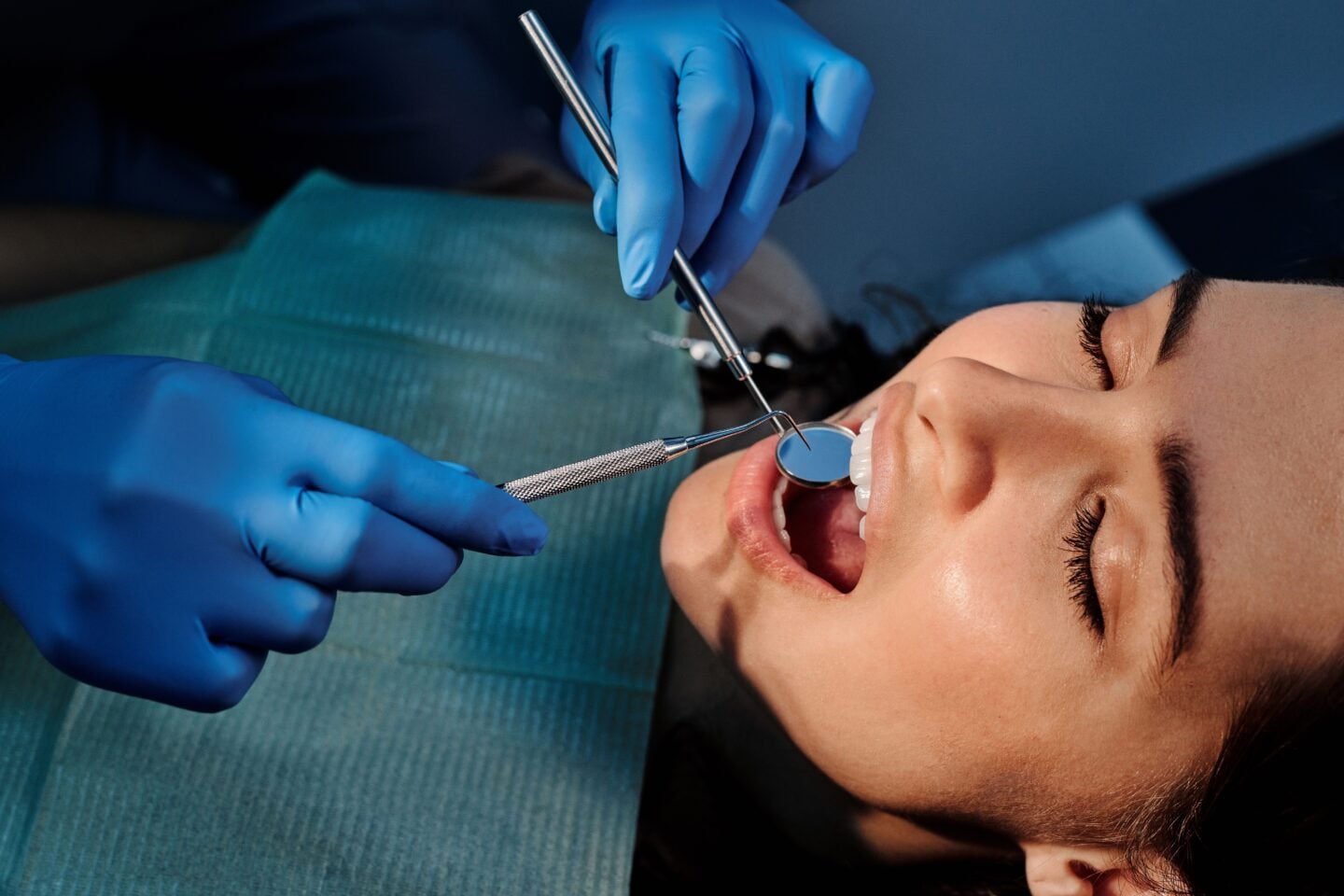
Image credit: Pexels
It’s all too easy to put off a dental appointment when your teeth are fine. Some problems (early cavities, for instance, or gum disease) can be present without any obvious symptoms at all.
Regular checkups allow your dentist to examine your teeth and gums, check your existing dental work, and pick up on any issues before they become difficult to deal with. Early detection may also mean that the treatment required is simpler and less unpleasant.
How frequently you need to visit will of course be determined by your individual oral health and your personal risk factors. Rather than just waiting for the toothache to occur, you should follow your dentist’s advice as to how often you should be in for your routine examinations and preventative care.
Choose Foods And Drinks That Support Healthy Teeth
What you eat and drink can have a far greater impact on your teeth than you might imagine. Calcium-rich foods (including vegetables, fruit and the like), along with a good intake of water, will all help to support your general health and will also help to wash the food off your teeth and stimulate saliva.
It’s also worth bearing in mind how often you’re having the sugary snacks, the sweets and the acidic drinks. Frequent sugar consumption will increase your risk of getting cavities, and the acidic drinks will contribute to the erosion of your enamel over time.
You don’t need to go full on and change your diet overnight. Just start with a few simple things like drinking more water and reducing the number of times you snack on sugary foods. Combine that with brushing and flossing on a daily basis and you’ll be giving your teeth much better protection.
Find The Right Treatment For Damaged Or Missing Teeth
A damaged or missing tooth doesn’t necessarily require a lot of work. Your dentist may in fact recommend a crown, a bridge, a denture, or even a dental implant.
A crown can be used to protect a weakened or damaged tooth, a bridge can be used to replace missing teeth (using the adjacent teeth or implants as abutments), and dentures can be an option if you’re missing a number of teeth.
The best treatment is going to be dictated by how many teeth you’re missing or have lost, your overall oral health, your budget, and your long-term aims. Your dentist will be able to go through the various options with you and explain the pros and cons of each, as well as the cost and the level of maintenance required.
If it doesn’t feel right, don’t just ignore it. Having a dental problem checked out early can go a long way to helping you understand what’s going on and prevent things from getting worse.
Work With Your Dentist On A Plan That Works For You
Every smile is different, so dental care should reflect your individual circumstances. Your age, dental history, lifestyle, gum health, and existing restorations can influence the care you need.
Work with your dentist to develop a plan that includes appropriate cleaning intervals, daily oral hygiene practices, and monitoring of any dental treatments. If you experience persistent tooth sensitivity, bleeding gums, pain, or changes around an implant, arrange a dental assessment. Personalized guidance helps you respond to concerns appropriately and maintain your oral health over time.
A Healthier Smile Starts With Everyday Choices
Looking after your smile doesn’t have to be complicated at all. Good oral hygiene in the form of regular teeth cleaning, consistent brushing and flossing, routine checkups, and a healthy diet will all go a long way to protecting your natural teeth. If your teeth are damaged or missing, then restorative treatments such as full mouth dental implants may be another way of improving both comfort and function.
The key is finding an approach that works for you and sticking with it. With good daily habits and the guidance of a dental professional, you can make real progress towards a healthier smile that will look as good as it feels.
Thanks for stopping by!
Magda
xoxo
<3