Thousands of offices get burgled every year, and most burglars gain access through the front entrance – either by breaking in, posing as trusted visitors or simply walking in. Office entrance security needs to be robust in order to deter criminals. Here are just some of the important factors to consider when making sure that your office entrance is secure.
Access Control
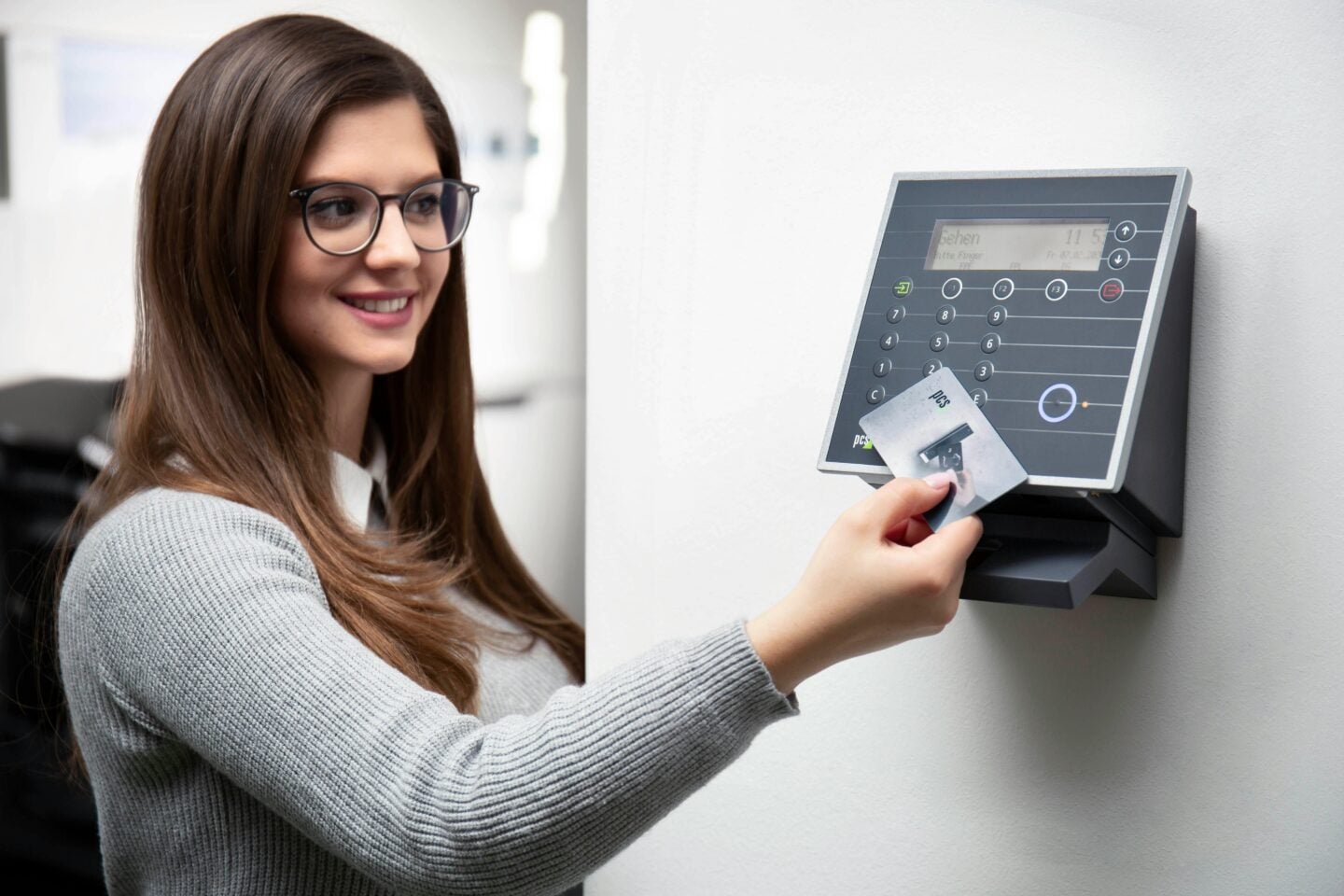
Access control is the most important element of front door security. There are many different ways to control access to your office entrance including:
- Keys: The most traditional option is to give workers a key so that they can lock and unlock the front door.
- Intercoms: Audio and video intercoms can allow workers already in the office to grant access to visitors.
- Keycards: Keycards can be distributed to all permitted visitors that can be scanned on a card reader to allow entry.
- Keycodes: A keycode lock can only be opened by individuals that know the code.
- Security guards: For large office buildings, it may be a good option to hire security guards to control who is allowed in and who is not.
- Reception desks: Another option is to allow anyone to enter the entrance, but to add a reception area inside. Reception staff then determine which visitors can venture beyond the reception area, potentially giving authorised visitors a lanyard.
Companies such as Genetec access control can help you explore different options and implement the best solution for your workplace.
Impact-Resistance

When locked, your office front door needs to be able to resist attempts at a break-in. If your office front door is old or made from weak materials, an intruder may be able to easily force their way in. Solutions like a steel security door or a door with a steel core could help to prevent break-ins.
If you choose a glass door, consider options like laminated glass. The frame needs to be reinforced too and the door should ideally use a multi-point lock.
Alarm Installation

Entrances should also be alarmed when locked. This ensures that if someone does successfully break in, an alarm will sound – that will notify people nearby and potentially deter a thief.
Door alarms are often activated and deactivated via a code. Some smart security alarms can even send alerts to your phone, so that you’re notified of an office break in wherever you are in the world.
Surveillance
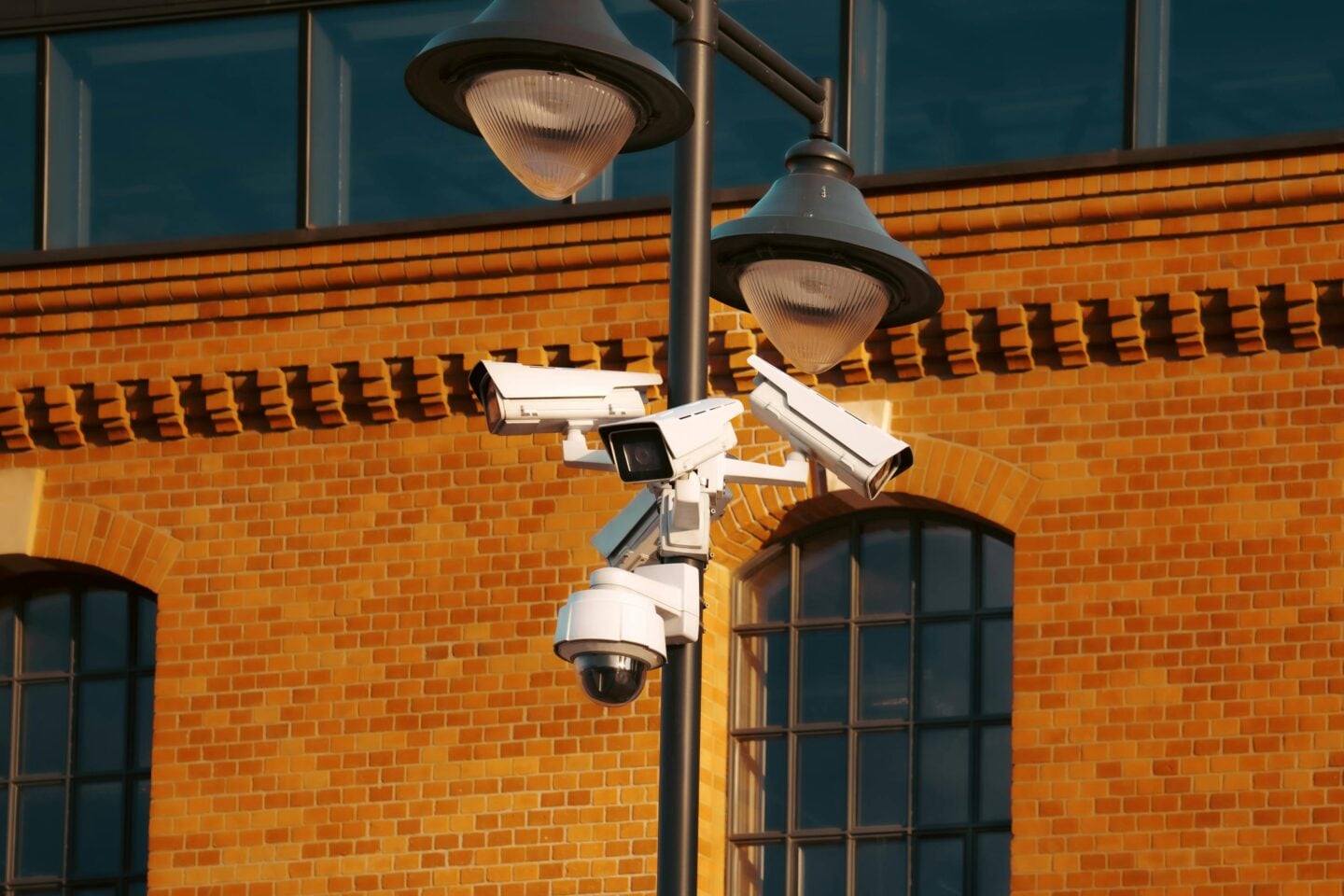
Security cameras are worth setting up near your office entrance. Most burglars will see a camera and think twice about attempting a break in.
Those that don’t notice the camera will be caught on film – providing evidence to give to police and insurance companies. There are many security companies that can install a camera for you.
Lighting

Burglars are more likely to target a building at night that is not illuminated. Lighting up your entrance can be a simple way to reduce the risk of an intruder by making it more difficult for a burglar to break in undetected.
You can use motion-sensing lighting to save money on energy – this lighting will only come on when someone is lingering near the entrance of your office.
Thanks for stopping by!
Magda
xoxo
<3