In our increasingly digital world, the average person spends over seven hours daily staring at screens, putting unprecedented strain on our eyes.
This modern lifestyle, combined with environmental factors like UV exposure, creates a perfect storm for vision problems that demand natural, sustainable solutions for maintaining healthy eyesight.

TL;DR
- The 20-20-20 rule helps reduce digital eye strain by giving your eyes regular screen breaks
- Blue light protection minimizes sleep disruption and potential retinal damage from long screen use
- Sunlight exposure provides vitamin D and supports natural circadian rhythms for better eye health
- Antioxidant-rich foods like leafy greens and berries nourish vision and protect against macular damage
- Staying hydrated prevents dry eyes and maintains tear production
- Eye exercises, supplements, and lifestyle changes can improve vision and slow age-related decline
Why Vision Care Is Important In This Digital Age Like Never Before

Digital eye strain is a very popular issue, as up to 60% of adults who actively use digital devices experience it.
Your eyes need a moment when transitioning from screens to real-world objects, as it strains the ciliary muscles and can cause headaches, blurred vision, and chronic fatigue, which are not limited to eye strain.
In addition, the blue light of the digital screens gets deep into the eye compared to other wavelengths of light, thus plausibly causing retinal damage in the long run.
It has been postulated that long-term exposure to high-energy visible light could promote the onset of age-related macular degeneration, and as such, the proactive eye care tips are now more important than ever in maintaining long-term vision health.
Natural Healthy Ways To Protect Your Eyes
Change Your Screen Time Habits
It is the 20-20-20 rule that can be used as the first safeguard against digital eye strain: after every 20 minutes, one should look at an object 20 feet away and look at it for 20 seconds.
Such a simple routine will keep your focus muscles at ease and give them a rest, which will help to greatly lower the amount of strain that accumulates during prolonged screen time.
Keeping Your Eyes out of Dangerous Blue Light
Protecting yourself with blue lights is not only about the use of special glasses, but also about setting up ambient lighting and environmentally friendly screens, as well as setting up the devices.
Ask yourself to use blue light filters on the devices, particularly in the evening, to adhere to the natural sleep patterns and to avoid getting digital eye strain, and help your circadian rhythm.
Vitamin D and Eye Health: Exposure to sunlight

Medium exposure to sunlight gives the body the important vitamin D, which is vital in eliminating inflammation in the human body, including the sensitive tissues of your eyes.
The 15-20 minutes of outdoor time without direct sun exposure are recommended to regulate your natural sleep-wake rhythm, which is beneficial to the overall well-being of the vision, and they deliver the right nutrients to maintain a healthy eye performance.
Nutrition for Strong Eyes

Spinach, kale, and egg yolks are also lutein and zeaxanthin-rich foods that would work as natural blue light filters in your retina.
These potent antioxidants are concentrated in the macula, and they protect against oxidative stress and promote healthy vision by filtering dangerous light wavelengths before they get the chance to harm delicate photoreceptor cells.
Hydration and Eye Comfort

Adequate hydration keeps your eyes hydrated with the tear oil that covers and lubricates your eyes to eliminate the burning and irritation caused by dry eye syndrome.
Staying hydrated during the day helps in the natural production of tears, and the intake of caffeine and alcohol should be kept to a minimum to avoid dehydration that tends to worsen eye symptoms during prolonged screen time.
How Lifestyle Adjustments Can Improve Vision

Consistent cardiovascular training improves blood circulation to the brain (optic nerve and retina), where it supplies nutrients and cleanses the body of waste that may damage vision.
Exercise, such as walking, swimming, or cycling, 30 minutes a day, increases the oxygen supply to the tissues of the eye and helps repair and regenerate.
Sleeping also promotes the health of the eyes because sleep will assist in tissue repair, restoring moisture, clearing debris, and replenishing rhodopsin to increase night vision clarity.
Meditation or deep breathing helps in stress management by lowering the amount of cortisol produced and thus decreases the amount of intraocular pressure and inflammation.
Strains on the eyes, twitching, and tiredness may be attributed only to chronic stress, and relaxation is crucial to long-term care of the vision.
Are Eye Health Supplements Worth Considering For Enhanced Vision Support?

Eye health is important, and a nutrient-rich diet plays a vital role in the promotion of eye health, which may be difficult to achieve due to an insufficient amount of eye-supporting nutrients.
It is particularly so when it comes to the added burden of digital screens and the stressors of the environment.
Supplements ensure the nutritional deficiencies are filled through an all-encompassing formula that includes key vitamins such as A, C, E, and B-complex, alongside the key minerals such as zinc, selenium, copper, and magnesium.
The effectiveness of the supplement is especially based on the proprietary mixture with lutein and zeaxanthin extracted from natural marigold flowers, bilberry extract (Vaccinium myrtillus) containing anthocyanins to improve night vision, and the traditional eyebright herb, which helps maintain eye comfort.
Key Benefits:
- Reduces eye strain and fatigue – Perfect for long hours in front of screens
- Supports clear, comfortable vision – Keeps vision sharp all day
- Improves night and low-light vision – Boosts performance in dim conditions
- Provides antioxidant protection – Shields eye tissues from damage
- Supports macular and retinal health – Essential for long-term vision care
These thoughtfully formulated eye supplements, such as WOWMD Vision Guard Eye Care, are suitable for individuals who want to support their vision health naturally.
What Results Can You Expect?
Natural eye care practices will yield visible results in the short term, including, but not limited to, fewer headaches, less eye strain, and improved attention during screen time.
Within weeks, positive habits such as healthy eating, hydration, and eye exercises make your eyes sharper, give you better night vision, and improve your ability to adjust to changing light.
These practices will help in the long run to maintain better eye health and minimize the risk of age-related conditions.
Natural vision care offers a long-term solution to healthy aging by increasing the number of cells regenerating, healing issues, and preventing complications in the eye and eye health to become a sustainable solution to healthy aging.
Did You Know?
- People blink 66% less when using digital devices.
- The human eye can detect about 10 million colors.
- Lutein and zeaxanthin levels in the retina are higher than in blood plasma.
- Spending over 2 hours outdoors daily reduces the risk of myopia.
Conclusion
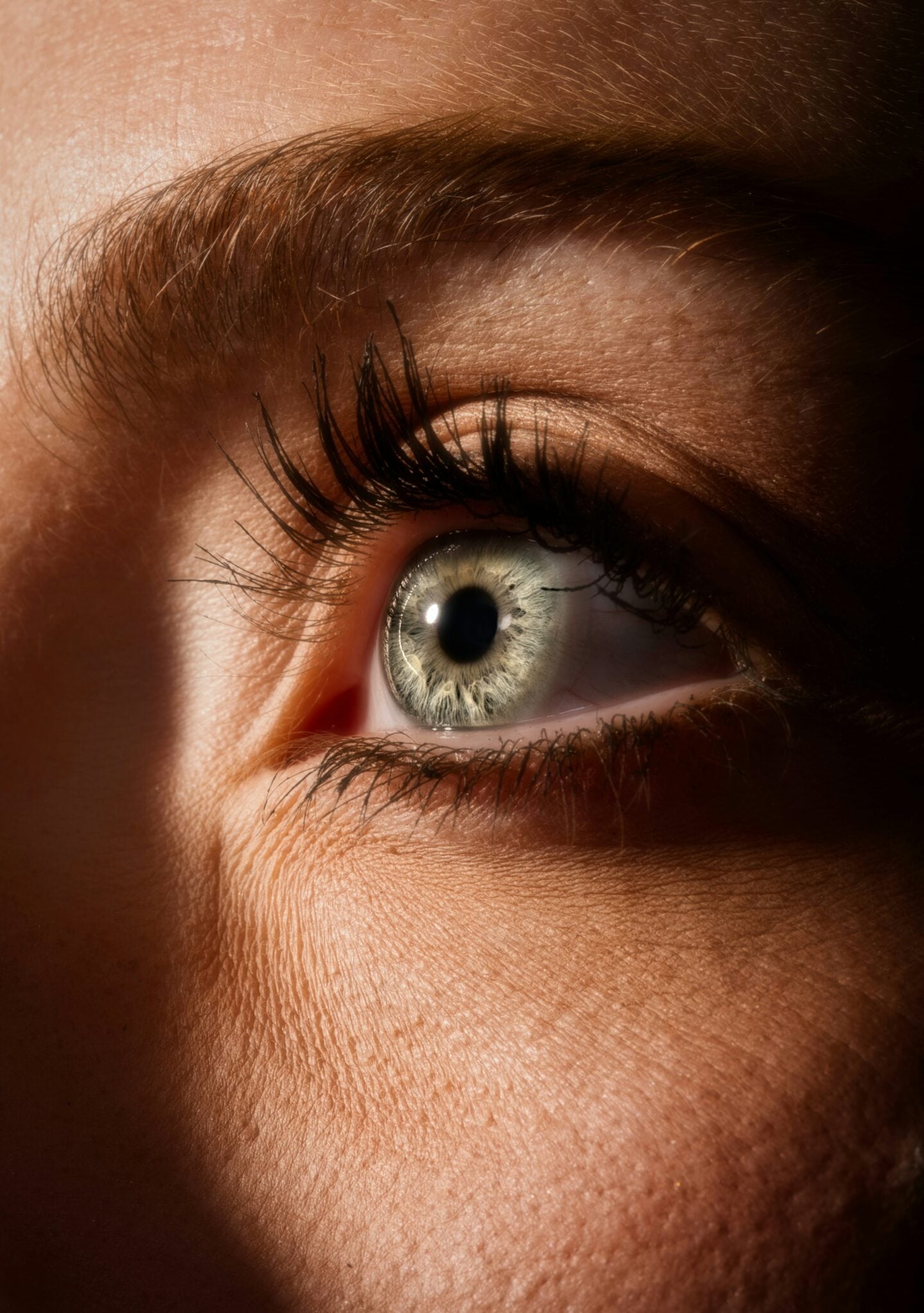
To effectively protect your vision, it is natural that a comprehensive approach is taken, one that considers the current-day issues, but also one that helps your body to heal itself.
With screen time eye protection measures, proper nutrition, and quality supplements when needed, you can ensure that you can keep and improve your invaluable sight for years to come.
FAQs
How can I prevent digital eye strain?
Follow the 20-20-20 rule, adjust screen brightness to match your surroundings, position screens 20-26 inches away at slightly below eye level, and use artificial tears if needed. Proper lighting and regular breaks can also reduce symptoms.
What are the best foods for improving vision naturally?
Foods like spinach, kale, carrots, sweet potatoes, fatty fish, berries, and eggs are great for eye health. They provide nutrients like lutein, zeaxanthin, beta-carotene, and vitamins C and E, which support vision and protect against damage.
Can sunlight exposure really improve eye health?
Moderate sunlight helps regulate sleep cycles and provides vitamin D, which benefits eye health. Protect your eyes with sunglasses during direct sunlight, and aim for early morning or late afternoon exposure to minimize UV risks.
How often should I take breaks from screen time?
Use the 20-20-20 rule: every 20 minutes, look at something 20 feet away for 20 seconds. Take 15-minute breaks every two hours and avoid screens before bedtime to help your eyes recover.
What natural remedies can I use for dry eyes?
Drink more water, use a humidifier, apply warm compresses, practice blinking exercises, and eat omega-3-rich foods. Reduce screen time, avoid air vents, and consider natural tear supplements for relief.
Regular refocusing is necessary when transitioning from screens to real-world objects, as it strains the ciliary muscles and can cause headaches and blurred vision.
Thanks for stopping by!
Magda
xoxo
This article is for informational purposes only and is not intended as medical advice. Always consult a qualified healthcare professional regarding any medical concerns.
<3
References
- Cthompson. (2023, November 24). Blink and you’ll miss it: Computer vision syndrome and managing eye health in a new era of online learning and teaching. Applied Cognition Research Group. https://hub.salford.ac.uk/appliedcognition/2021/08/27/2068/
- How humans see in color. (2017, June 8). American Academy of Ophthalmology. https://www.aao.org/eye-health/tips-prevention/how-humans-see-in-color
- Widomska, J., & Subczynski, W. K. (2014). Why has Nature Chosen Lutein and Zeaxanthin to Protect the Retina? Journal of Clinical & Experimental Ophthalmology, 05(01). https://doi.org/10.4172/2155-9570.1000326
- Xiong, S., Sankaridurg, P., Naduvilath, T., Zang, J., Zou, H., Zhu, J., Lv, M., He, X., & Xu, X. (2017). Time spent in outdoor activities in relation to myopia prevention and control: a meta‐analysis and systematic review. Acta Ophthalmologica, 95(6), 551–566. https://doi.org/10.1111/aos.13403