Whether you’re planning a complete renovation or just looking to make some proactive upgrades, your home is a long-term investment that deserves thoughtful care and attention. From proper drainage systems and foundational excavation to flood protection and aesthetic enhancements, every aspect of your property contributes to its overall functionality and safety.
In this article, we’ll explore several key aspects of home improvement that go beyond the surface. We’ll cover the importance of foundational work, plumbing defenses like backwater valves, and some DIY tips that can add real value and resilience to your home. Building smart is not just about aesthetics – it’s about protecting your investment for decades to come.
The Importance Of Well Site Preparation And Excavation
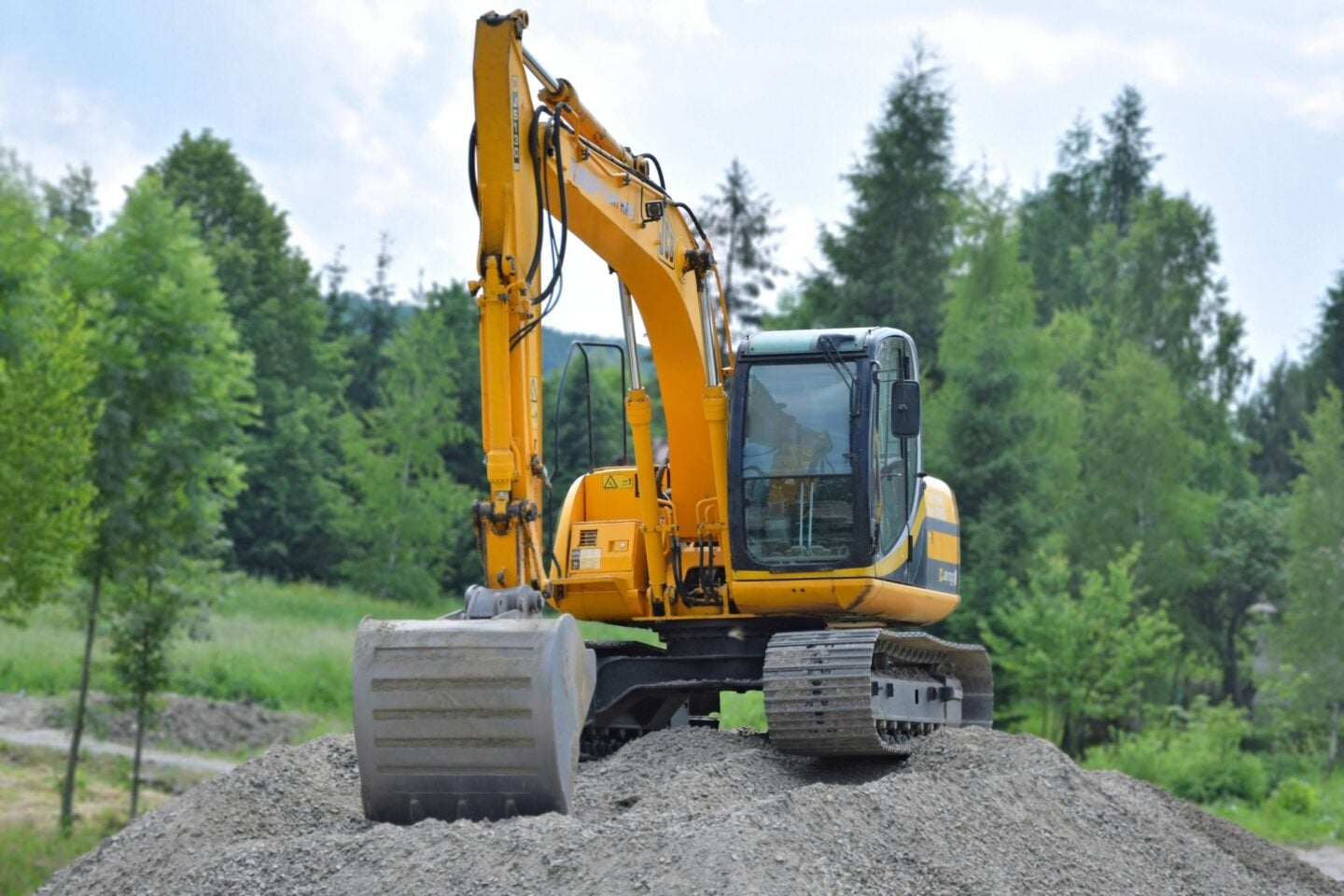
Before a single brick is laid or a single nail is hammered, your home needs a solid base. Site preparation and excavation are the unsung heroes of every construction project. These early-stage services involve removing debris, leveling the ground, managing soil stability, and preparing for footings and utility lines. Skimping on this step could lead to trouble down the line, including uneven settling, poor drainage, or even structural damage.
That’s why working with experienced professionals is critical. If you’re planning a new build, addition, or significant landscaping overhaul, don’t overlook the value of proper excavation services. One great example of a reputable provider is https://qualityagebuild.com/services/excavation. This company offers comprehensive excavation solutions, ensuring your project starts on solid ground. With the proper groundwork, you can prevent headaches and costly repairs later on.
How To Prevent Flooding And Sewage Backup In Urban Homes

Many homeowners, particularly those in urban areas like Toronto, face a growing threat: basement flooding and sewage backup. Aging infrastructure, heavy rainfall, and improper grading all contribute to this increasingly common issue. Luckily, there are reliable preventive measures you can take – some of which are now even mandated in certain cities.
One of the most effective ways to prevent sewage from backing up into your home is to install a backwater valve. This one-way valve is installed in your main sanitary sewer line and automatically closes if water starts flowing in the wrong direction. This means it stops sewage from the city mains from entering your home during flooding or blockages.
If you live in the Greater Toronto Area and are looking for a trustworthy service provider, consider backwater valve installation Toronto to ensure your system is installed to code and functions reliably. Some municipalities even offer subsidies for homeowners who install these devices, making them a wise and affordable investment.
DIY Home Upgrades That Add Lasting Value
While some tasks require licensed professionals, numerous DIY improvements can enhance both the value and livability of your home. Whether you’re preparing to sell or want to improve your space, the following upgrades can offer excellent ROI:
1. Insulation and Weatherproofing
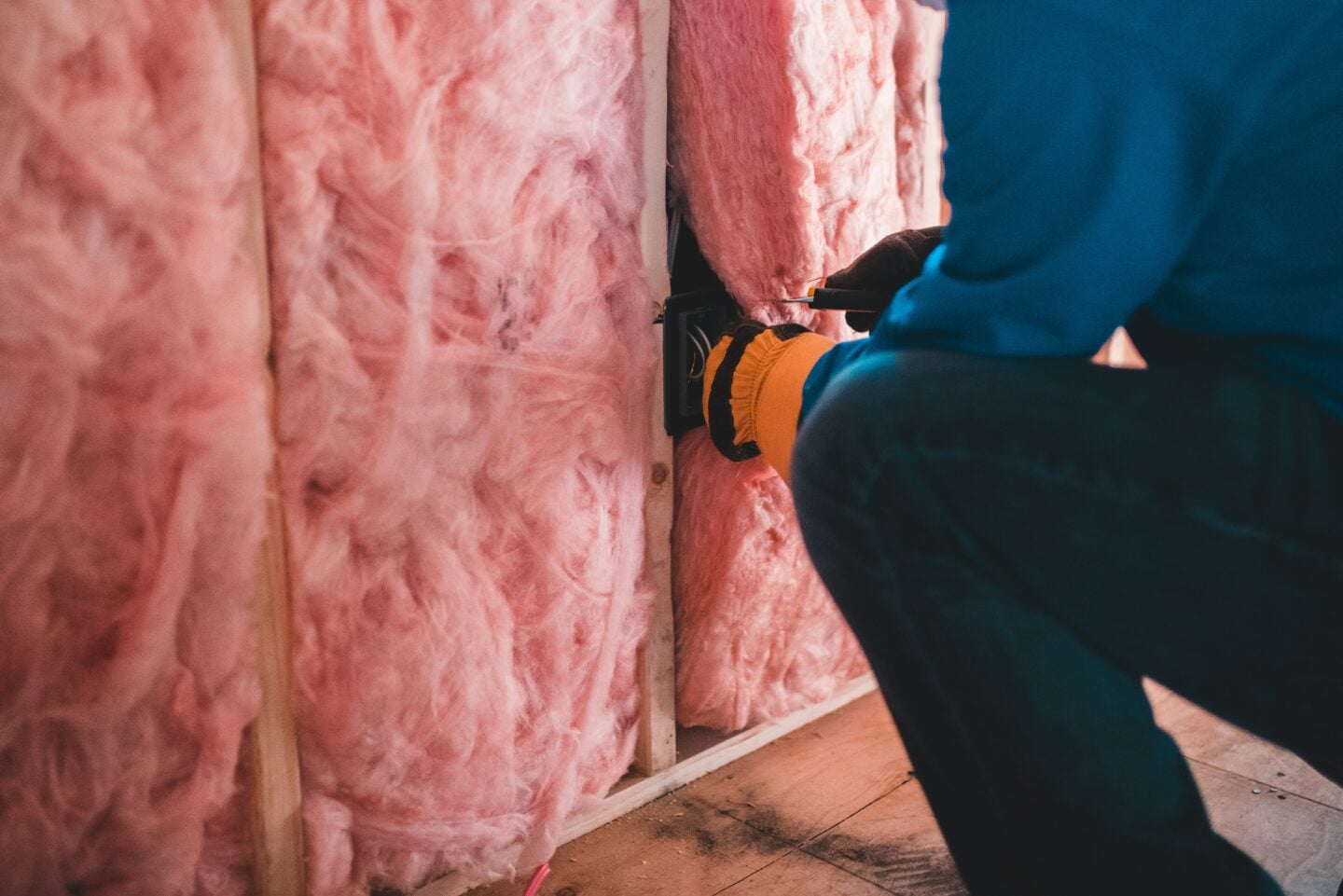
Improving your home’s insulation doesn’t just save on energy bills – it also enhances comfort year-round by sealing gaps around windows, doors, and attic spaces. You can also add insulation batts in basements or crawl spaces where energy loss is common.
2. Sump Pump Maintenance
If your home has a sum, isn’t it essential to inspect it regularly? Clear debris, test it before rainy seasons, and consider installing a battery backup system. Sump pumps are your first line of defense against flooding in low-lying areas of your home.
3. Smart Home Devices
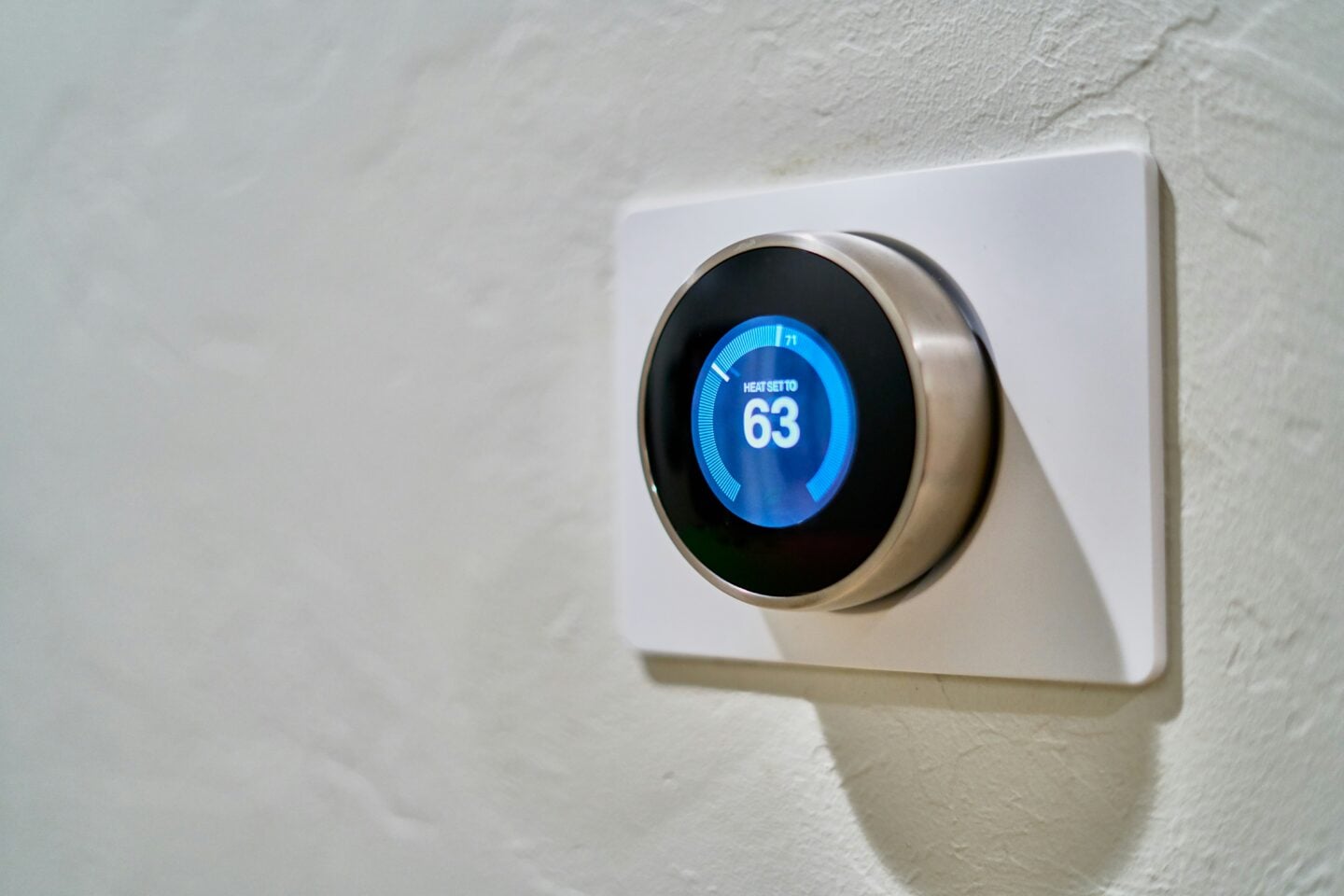
Upgrading to smart thermostats, light sensors, or automated lighting not only adds convenience but also increases home security and energy efficiency. Many of these devices are simple to install and can be managed from your smartphone.
4. Landscaping with Purpose
Grading your yard properly and planting strategic vegetation can significantly improve drainage and prevent water from pooling around your home. Utilize native plants and mulch to minimize maintenance and optimize water use efficiency.
Lifestyle Considerations When Planning Major Renovations

Home improvement isn’t just about fixing what’s broken – it’s also about creating a space that aligns with your lifestyle. If you work from home, consider dedicating a quiet area of your home to a home office. Families with kids may prioritize open living spaces or durable, easy-to-clean surfaces. Those who aren’t frequently using their kitchen or outdoor patio might want to consider upgrading it.
When planning larger renovations, consider how each space supports your day-to-day needs. Use mood boards or software tools to visualize the outcome, and don’t shy away from consulting with designers or architects who can bring your ideas to life with practical know-how.
It’s also important to consider long-term functionality. Aging-in-place design – such as wider doorways, barrier-free showers, and lever-style handles – can make your home accessible over time and increase its resale value to a broader range of buyers.
Conclusion
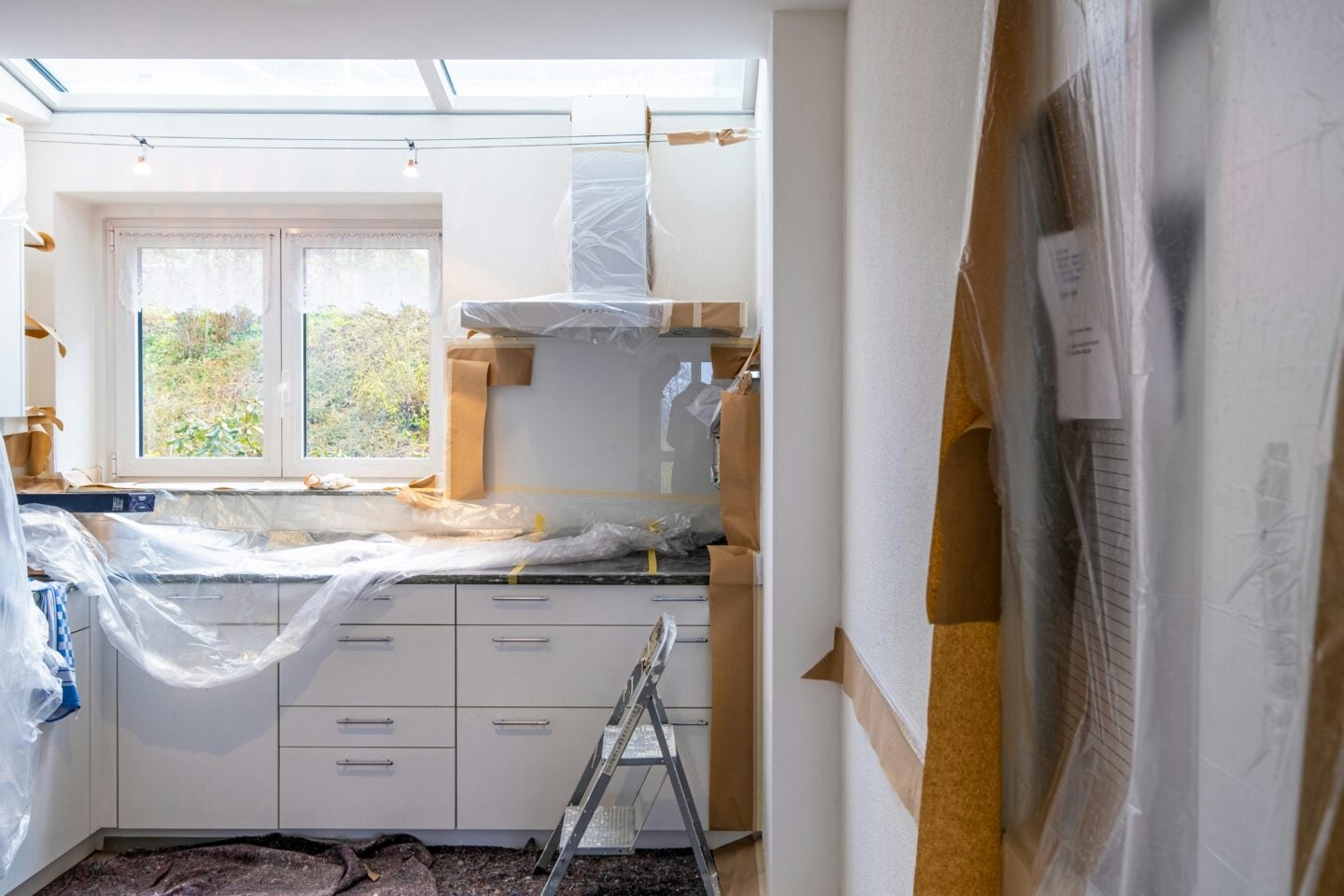
Home improvement is more than skin-deep. Whether you’re digging into foundational excavation or safeguarding your plumbing with a backwater valve, every decision you make should contribute to a safer, more efficient, and more comfortable home.
By combining professional-grade services with smart DIY upgrades, you can build a home that not only looks good but performs well in the face of aging infrastructure, climate change, and modern lifestyle demands.
Always invest in trusted professionals for structural or safety-related work, and don’t underestimate the long-term value of preventive measures. A smarter build today can save thousands tomorrow.
Thanks for stopping by!
Magda
xoxo
<3