Have you ever walked through your house and thought everything looked fine – only to discover a costly problem later? Many homeowners miss early signs of damage simply because they’re not always easy to spot. Home damage doesn’t always show up as a broken pipe or a leaking roof. Sometimes, it starts small – quiet, unnoticed, and hidden in plain sight. These small issues can grow into expensive repairs if left unchecked.
In this blog, we will share the most common yet hidden signs of home damage that people often overlook and what to do when you spot them.
Peeling Or Bubbling Paint
Peeling or bubbling paint is more than a cosmetic issue. It can point to serious moisture problems in your walls. When water gets trapped under paint, it causes the surface to lift and bubble. This usually means there’s a leak or water buildup behind the wall, which can eventually lead to mold or rot.
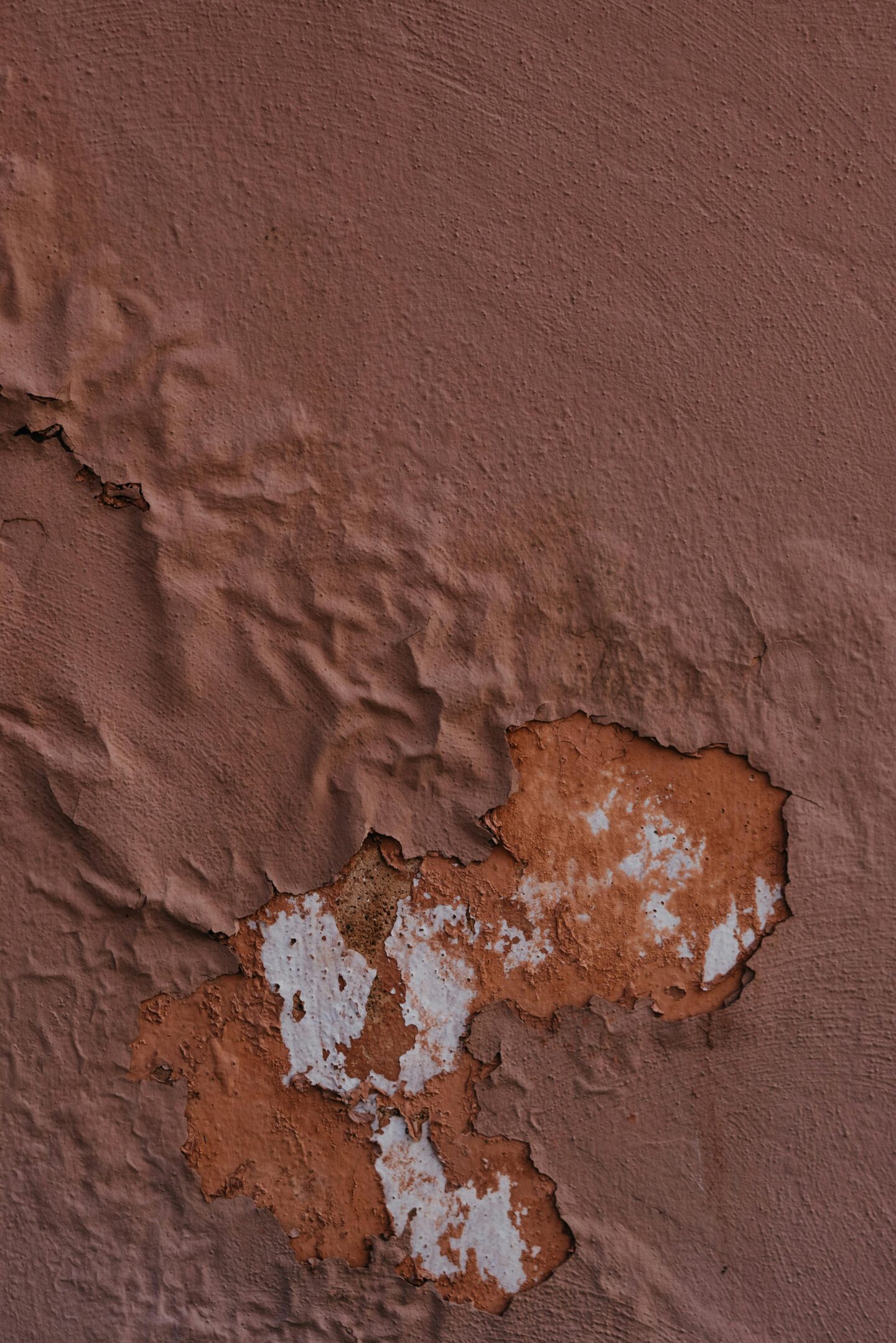
This kind of damage is often found in bathrooms, kitchens, or basements – places with high humidity. If you notice the issue getting worse over time, it could be a sign of a hidden plumbing issue or poor ventilation.
Sagging Ceilings
A ceiling that sags or appears uneven could be a major warning sign of trouble. It may indicate a water leak from above, especially if the problem is near a bathroom, laundry room, or roof. Moisture causes ceiling materials to weaken and become heavy, eventually leading to sagging or even collapse. People often mistake it for settling in older homes, but that can be a risky assumption.
In many cases, a roofing issue is to blame. Water may seep through small cracks or worn shingles, slowly damaging the ceiling below. If you notice discoloration, a spongy texture, or any change in shape, it’s time to call a professional. A roofing contractor can inspect for leaks and make necessary repairs before the damage spreads further and gets more expensive.
Uneven Or Cracked Flooring
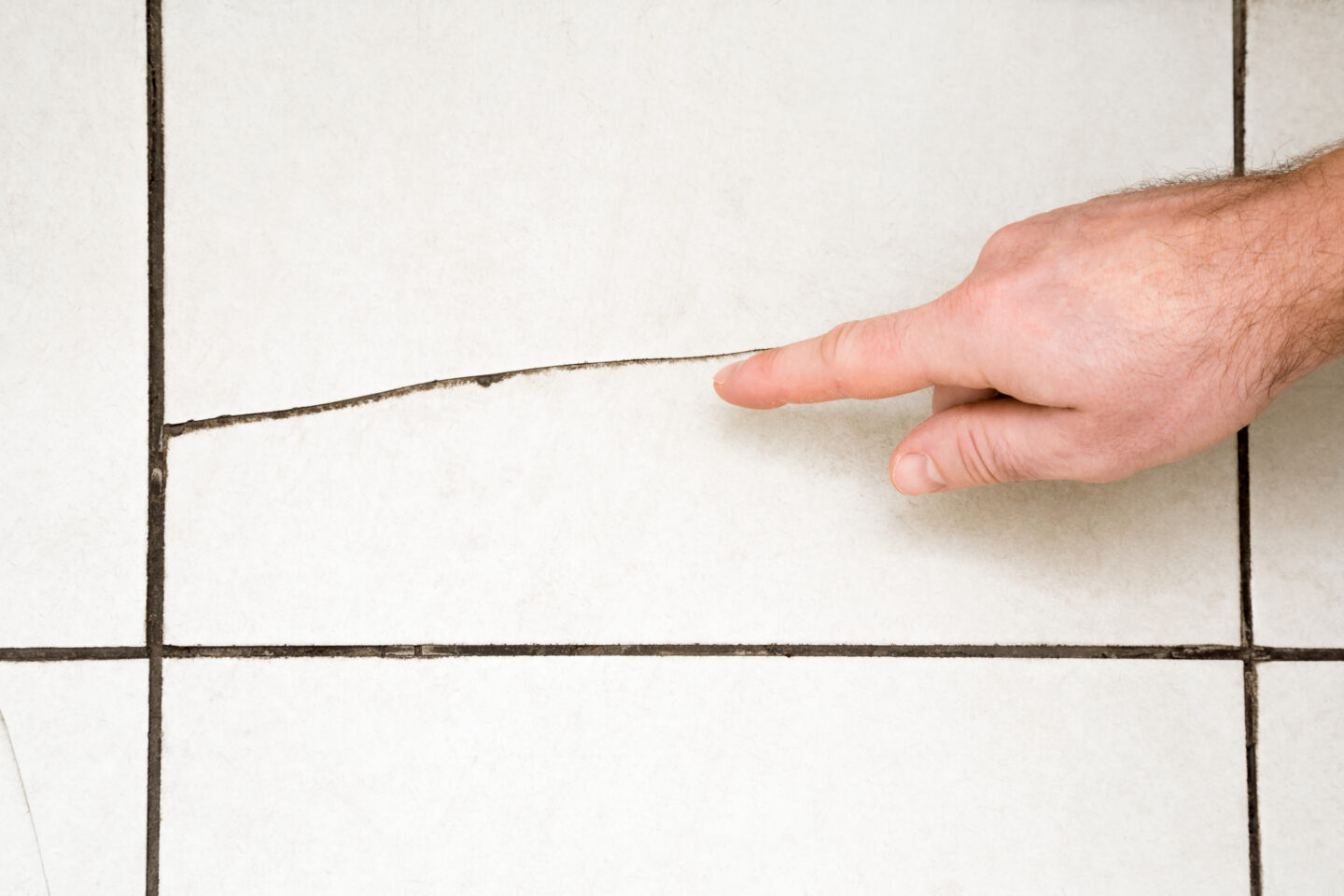
Cracks in your floor or tiles that seem to rise or sink can signal foundation trouble. Homeowners often assume floors simply age or shift, but it’s smart to take these signs seriously. Uneven flooring may point to problems beneath the surface, such as moisture damage, wood rot, or structural issues in the subfloor.
You might notice the floor feels bouncy in some areas or that doors no longer close smoothly. These small inconveniences are often clues that something bigger is happening. Whether it’s from shifting soil, water seepage, or pest damage, the earlier you catch these issues, the better. Addressing the problem early can prevent major repairs down the line.
Stains Or Discoloration On Walls And Ceilings
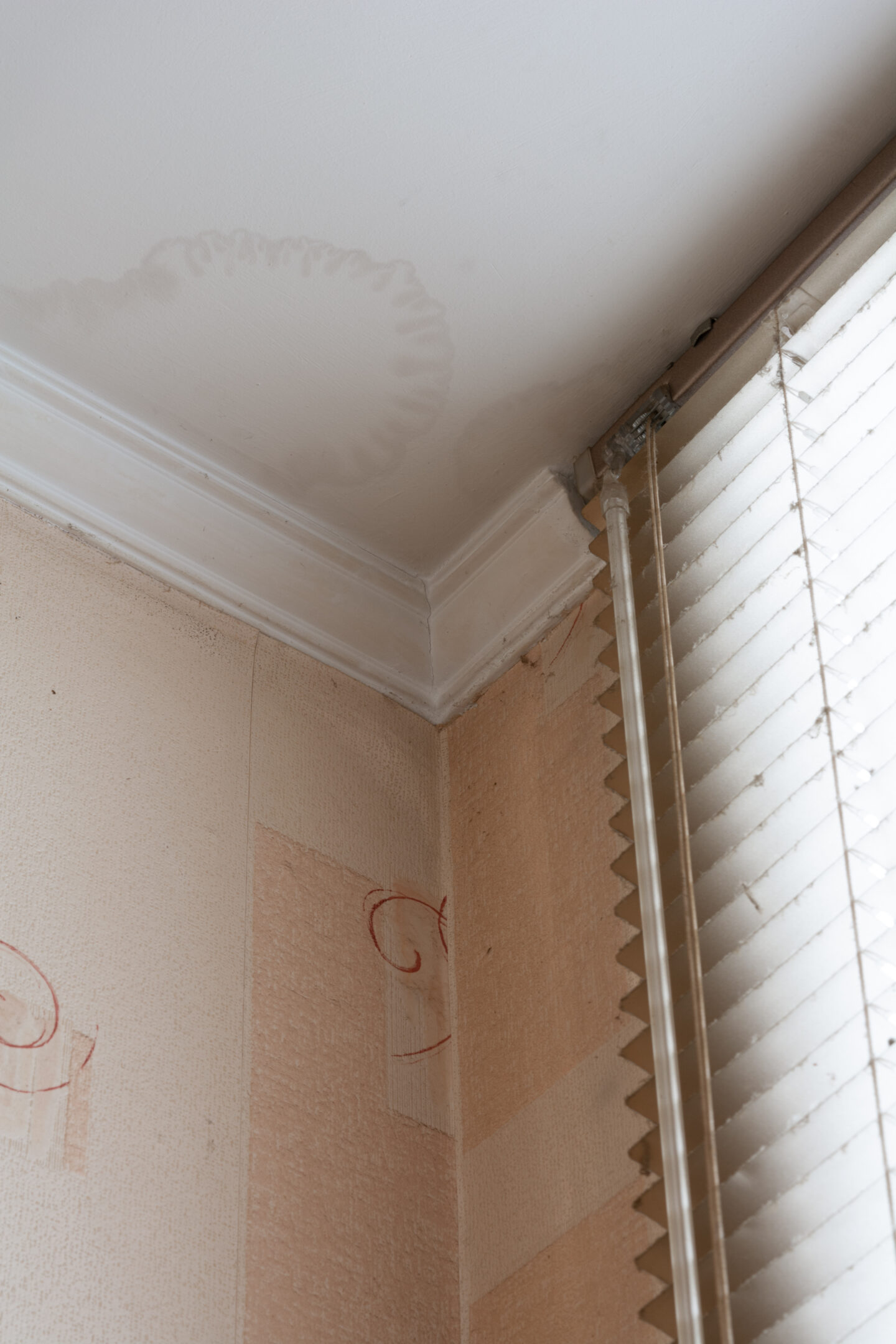
Water stains often show up as brown or yellow patches, usually near ceilings or in corners. These marks can seem harmless, but usually indicate a leak. This leak could come from the roof, plumbing, or even condensation buildup. Many people paint over the stain without fixing the cause, which allows the damage to continue unnoticed.
If the stain grows larger or changes color over time, that’s a clear sign the leak is still active. You may also smell a musty odor, which suggests mold is developing behind the wall. These signs should not be ignored. A simple water stain could be the start of a much bigger issue, and acting quickly can save you a lot of trouble later.
Drafts Or Sudden Temperature Changes
Feeling a draft in a room when the windows are closed might not seem like a big deal, but it’s usually a sign of air leaks. Gaps around doors, windows, or in insulation can let outside air in and indoor air out. This not only affects comfort but also increases energy bills. Most people don’t notice these drafts until the temperature drops or their heating system struggles to keep up.
You can check for drafts by running your hand along the edges of windows and doors. If you feel a breeze, that’s where air is escaping. Weatherstripping or sealing these gaps can make your home more energy-efficient and prevent further damage caused by moisture or pests entering through those openings.
Doors And Windows That Stick
If your doors and windows start sticking or are harder to open and close, don’t brush it off. It could mean your home’s foundation is shifting. Wood frames naturally expand with humidity, but when the problem doesn’t go away, it’s often due to structural movement. Cracks in the walls around doors or windows are another sign that things are shifting.
A shifting foundation can cause serious damage if not addressed. Over time, this can lead to cracks in walls, uneven floors, and major repair costs. If multiple doors and windows in your home suddenly start sticking, it’s best to have your foundation checked by a professional before things get worse.
Strange Or Persistent Odors
Unpleasant smells that linger no matter how much you clean could mean something deeper is going on. Musty odors often point to mold, while a sewage smell might suggest plumbing issues. Even a dead animal inside the walls can cause strong odors. These smells are easy to miss if they build up slowly over time, but guests may notice them right away.
If the smell is stronger in certain rooms or near vents, it could be coming from inside the walls, attic, or crawlspace. Try not to mask the odor with air fresheners. Instead, investigate the source. Finding and fixing the cause early can prevent damage and make your home safer and more pleasant to live in.
In conclusion, hidden home damage can sneak up on anyone, but learning to spot the early signs helps you stay ahead of costly repairs. Many people overlook small changes because they seem harmless at first. But the longer these issues go unnoticed, the more damage they can cause. Paying attention to your home’s subtle signals gives you a better chance to catch problems early and protect your investment.
Thanks for stopping by!
Magda
xoxo
<3