Perimenopause has long been talked about in hushed tones, as though the only thing women can expect from it is a slow crawl into discomfort. That outdated narrative doesn’t hold up anymore. The truth is, this transitional phase can be a time to reset, recalibrate, and even reframe how you approach your body and your choices. With smarter tools, shifting attitudes, and better conversations happening around women’s health, it no longer feels like something you’re supposed to just “get through.” It feels like a chance to do things differently.
Rethinking Everyday Comfort

For years, women were handed products that were functional but uninspired, as though comfort and style couldn’t live in the same room. That’s been flipped on its head. Whether it’s moisture-wicking pajamas that make night sweats less of an ordeal or undergarments designed for function without giving up aesthetics, the market has finally caught up to what women actually want. One standout change is the growth of bikini period underwear, which quietly shifts the landscape. It’s not about replacing every old standby, but having a discreet, stylish, and sustainable option that doesn’t scream compromise.
This speaks to a broader theme: women in midlife are done with clunky, one-size-fits-all fixes. They’re seeking products that align with the rest of their lives – modern, intentional, and not dressed up in empty promises. From breathable fabrics to minimalist skincare designed for hormone-sensitive skin, every small upgrade adds up. Perimenopause has a way of sharpening your priorities. If something you wear or use daily doesn’t feel right, you’ll know it, and you’ll have no patience for keeping it around.
Nutrition As A Form Of Self-Respect
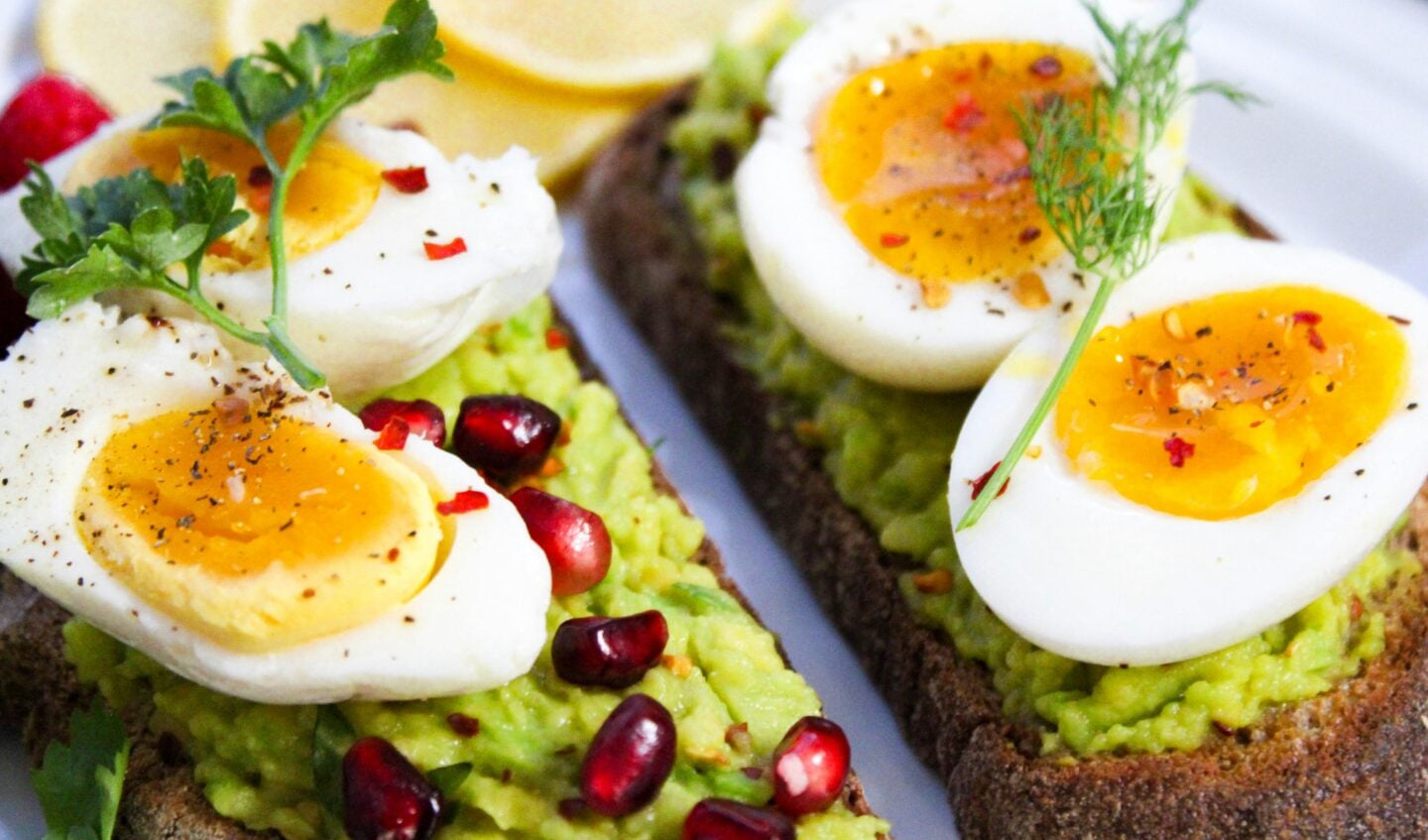
Midlife isn’t about starting over with food but fine-tuning the relationship. The body shifts, hormones fluctuate, and energy levels can feel unpredictable. Instead of panicking over restrictive diets, more women are leaning toward a flexible approach that values consistency over extremes. The key has become less about dropping a dress size and more about staying steady. Protein-rich snacks that don’t spike blood sugar, hydration habits that actually stick, and supplements tailored to bone and heart health are gaining real traction.
What stands out here is the new perspective: food isn’t punishment or indulgence, it’s maintenance. There’s a different appreciation that arrives with age, when you realize your body rewards you for treating it with steadiness instead of drama. That doesn’t mean joy goes out the window. A glass of wine, a slice of cake, or a long brunch with friends still matter, but they’re not the main event. They’re part of a broader rhythm that prioritizes balance without robbing you of pleasure.
The Power Of Small Shifts In Fitness

The myth that exercise has to be intense or heroic to matter has lost ground. Perimenopause is when women discover that a brisk walk with a podcast can count just as much as a grueling bootcamp. Strength training has stepped into the spotlight too, not as a vanity project, but as a direct line to better bone density and muscle support. The payoff is functional – being able to carry groceries, pick up grandkids, or keep your joints happy.
Flexibility and recovery are finally part of the conversation, not afterthoughts. Mobility exercises, gentle yoga, and stretching sessions aren’t treated as warm-ups for “real” workouts anymore. They’ve earned their place as standalone practices that keep everything working smoothly. The modern approach is less about chasing a finish line and more about maintaining a body that does what you ask of it.
Mid-Life Decisions For Women

This is the stage where choices get sharper. Mid-life decisions for women no longer orbit around what’s expected but what actually makes sense. Some women decide to scale back demanding careers and invest in passion projects, while others lean harder into leadership roles after decades of experience. Some rethink long-term relationships, others find joy in nurturing the ones they’ve already built. The difference now is that the filter changes. Instead of “What will people think?” the question becomes “What will make my days feel good?”
Financial planning, creative pursuits, and community involvement become touchstones. Even medical choices shift – whether it’s pursuing hormone therapy, exploring holistic care, or simply taking screening schedules more seriously. These aren’t about fear but about strategy. There’s power in understanding that the middle stretch of life isn’t a winding down, it’s a recalibration. The decisions made here carry weight, but they also carry freedom.
Reframing Mental Health

Mental health discussions have evolved, finally shedding the stigma that used to shroud them. For women in perimenopause, this couldn’t come at a better time. Fluctuating hormones can bring mood swings, anxiety, or sleep issues to the surface, but these don’t have to be endured in silence. Therapy, support groups, and mindfulness practices are embraced without apology. There’s also a greater willingness to be transparent with friends, partners, and colleagues about what’s happening instead of quietly pushing through.
Technology plays a part too. Apps that track sleep or stress aren’t about perfection but about spotting patterns and adjusting. Journaling, meditation, or even simply protecting time for solitude are given more value. This openness creates less isolation. Women are realizing that talking openly about these changes isn’t oversharing, it’s leadership. It’s modeling resilience and showing others that there’s no shame in asking for or building support.
Community And Connection

It’s no coincidence that this life stage often inspires stronger connections with others. Whether it’s book clubs, neighborhood gatherings, or online forums, women are building networks that feel like lifelines. The cultural script that once told women to age quietly in the background is being dismantled, and community is a major part of that.
Friendships become sharper, too. The time for energy-draining relationships is over. Instead, there’s a hunger for connections that feel genuine, whether that’s reconnecting with old friends or building new ones around shared interests. There’s also a new emphasis on mentorship, where women with hard-won wisdom extend it to those just behind them on the curve. Community isn’t a luxury, it’s fuel.
Perimenopause is being redefined not as a passage to endure, but as a season that can sharpen priorities and open up new freedoms. The game-changers aren’t just products or treatments, but a shift in perspective. When women move through this phase with self-respect, adaptability, and connection, the transition isn’t about loss, it’s about clarity. It’s a recalibration that proves life doesn’t taper off – it deepens.
Thanks for stopping by!
Magda
xoxo
This article is for informational purposes only and is not intended as medical advice. Always consult a qualified healthcare professional regarding any medical concerns.
<3