A high-quality electric vegetable slicer does not have to break the bank, but it also will not be the cheapest tool in the kitchen. Most well-made models fall in the range of $60 to $150, with premium versions reaching $200 or more, depending on features and build quality. This price range reflects durable materials, stronger motors, and multiple blade options that save time during meal prep.
Someone who cooks often will notice the difference between a budget slicer and one designed for long-term use. Higher prices usually bring faster performance, safer designs, and easier cleanup. Therefore, the right investment depends on how often the slicer will be used and what types of vegetables it needs to handle.
The following sections break down the costs in more detail and explain what features matter most. By understanding the price ranges and the functions tied to them, anyone can decide whether a mid-range model is enough or if a top-tier slicer makes more sense.
Price Breakdown For High-Quality Electric Vegetable Slicers

The cost of an electric vegetable slicer depends on factors such as build quality, blade options, motor strength, and brand reputation. Buyers should also weigh long-term durability and ease of use against the upfront price to understand what makes one model cost more than another.
Typical Price Ranges and What Influences Cost
Most entry-level slicers fall between $40 and $80. These often use plastic housings, smaller motors, and fewer blade attachments. They suit light use but may not last as long with frequent slicing.
Mid-range models usually cost $90 to $150. At this level, buyers see stronger motors, stainless steel components, and more cutting functions. These are designed for regular household use and provide better consistency.
High-end or commercial-grade slicers range from $160 to $400+. They often feature heavy-duty metal construction, larger feed tubes, and multiple speed settings. An electric vegetable slicer at this level is built to handle both home and professional kitchens.
Cost also reflects warranty coverage, safety features, and how easy the unit is to clean. Models with dishwasher-safe parts or longer guarantees often add to the price.
Comparison of Leading Brands and Models
Different brands target different price points and user needs. Some companies focus on budget-friendly slicers that trade durability for affordability. These are popular with casual users who only slice vegetables a few times per week.
Others produce mid-range machines that balance cost and performance. These models often include interchangeable blades and a motor strong enough for harder vegetables like carrots or potatoes.
Premium models stand apart with higher wattage motors, metal bodies, and larger capacities. These are designed for frequent use in larger households or commercial settings. They also tend to include more safety features, such as non-slip bases and protective feeding tools.
Price differences between brands often reflect design choices, material quality, and the number of accessories included.
Key Features That Impact Price
Motor power directly affects cost. A 200W motor or higher usually raises the price compared to a 100W motor because it slices faster and handles dense foods more effectively.
Blade variety also adds expense. A slicer with five or six stainless steel blades for slicing, shredding, and dicing costs more than a basic model with one or two.
Construction materials matter as well. Plastic bodies keep prices down, but stainless steel or aluminum housings increase durability and add to the cost.
Other features that influence price include safety locks, easy storage options, and dishwasher-safe parts. Buyers pay more for convenience and long-term durability.
Value for Money: Balancing Cost and Quality
A low-cost slicer may save money upfront but could wear out quickly. Replacing it often ends up costing more than buying a mid-range model from the start.
A mid-range slicer usually delivers the best balance. It combines enough power and blade options for everyday cooking without the higher cost of professional machines.
High-end models make sense for heavy use or commercial kitchens. Their durability and performance justify the price, especially if they replace manual slicing in bulk food prep.
The best value depends on how often the slicer will be used, what foods it needs to handle, and how long the buyer expects it to last.
Basic Features And Considerations For Choosing An Electric Vegetable Slicer
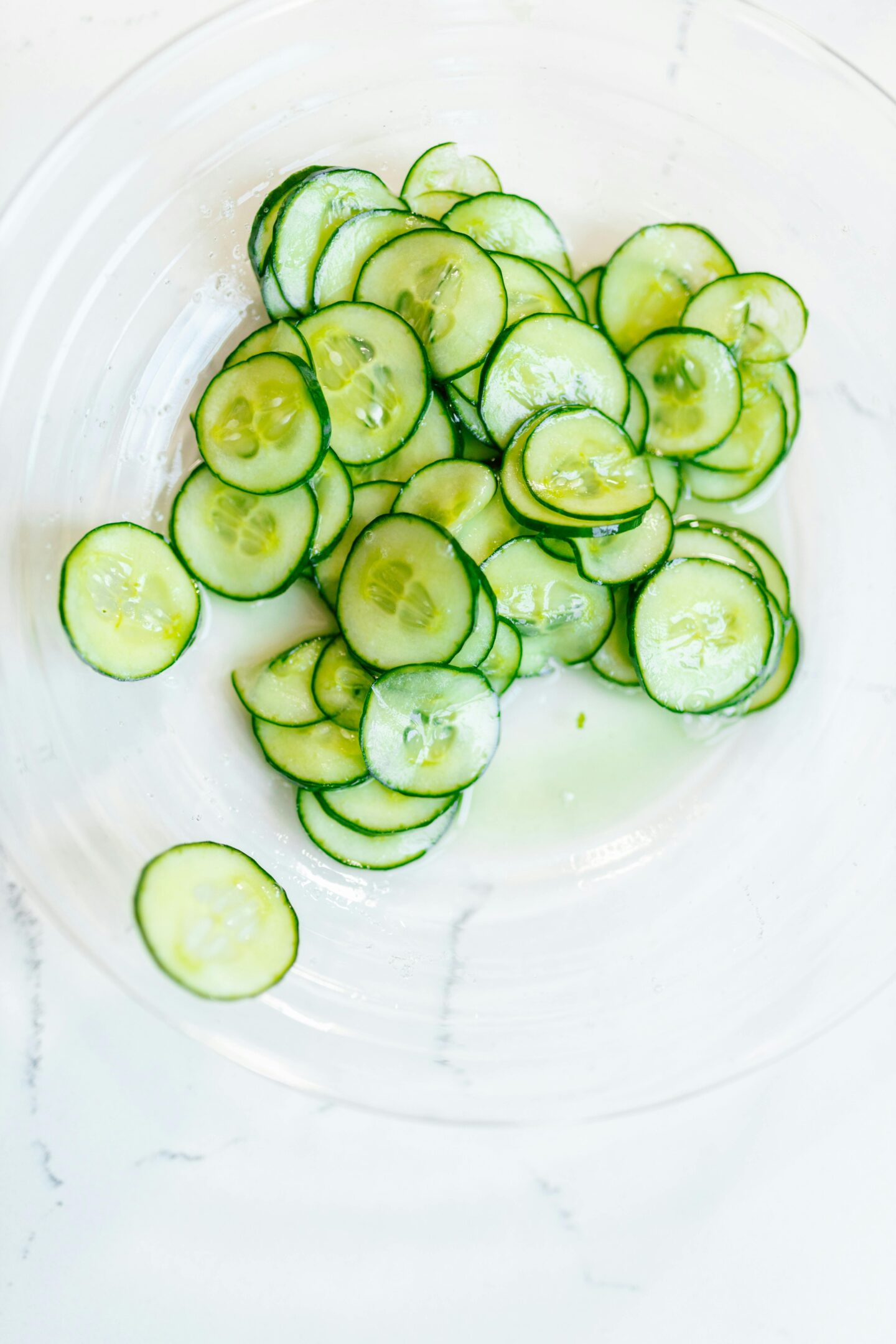
A high-quality electric vegetable slicer should balance sharp, durable blades with safe operation and flexible functions. Buyers should focus on the materials used, the design of the safety features, and the ability to handle multiple slicing or chopping tasks without extra effort.
Blade Types and Material Quality
Blades determine both the precision and lifespan of a vegetable slicer. Models with 420 stainless steel blades usually last longer and resist rust, which makes them suitable for frequent use. A sharp blade also reduces uneven cuts that can affect cooking times.
Many slicers include interchangeable blades for different cuts. A straight blade works well for thin slices, while a julienne blade creates matchstick strips. A dicing blade can turn onions or peppers into uniform cubes. Some slicers also include attachments for grating or shredding, which adds more value for everyday meal prep.
Different types of slicers use different blade setups. A mandoline slicer favors thin, adjustable slices, while a spiralizer creates spirals or ribbons for salads. A vegetable dicer or food chopper often includes several blade inserts, making it more versatile for chopping, dicing, or mincing. The best choice depends on whether the user needs fine slicing, decorative shapes, or bulk chopping.
Safety Features and Ease of Use
Sharp blades require strong safety features. A well-designed slicer should include a food pusher or guard that keeps hands away from the cutting area. Some electric models use automatic shut-off systems that stop the motor if the lid is not secured. These features reduce the risk of accidents during fast chopping or slicing.
Ease of use also matters. A clear control panel with simple buttons makes the machine more practical for daily cooking. Dishwasher-safe parts reduce cleanup time, which is especially useful for sticky foods like onions or tomatoes. Compact storage options can also help in smaller kitchens where counter space is limited.
A slicer that combines safety and convenience encourages more frequent use. People are more likely to rely on a device that feels safe, is quick to set up, and is simple to clean after every meal.
Versatility: Slicing, Dicing, and Chopping Functions
A good electric slicer should handle more than one task. Many models combine the functions of a vegetable chopper, onion chopper, and vegetable dicer in a single unit. This flexibility reduces the need for multiple kitchen gadgets and saves storage space.
Versatile machines often include blade sets for slicing cucumbers, dicing potatoes, or chopping herbs. Some even include spiralizer attachments for zucchini noodles or carrot ribbons. A full-star vegetable chopper-style design, for example, often comes with several inserts that allow quick switching between cut types.
The ability to switch between slicing, dicing, and chopping also improves meal preparation speed. A single appliance that can chop vegetables for soup, dice onions for salsa, and slice fruit for a juicer-friendly snack provides better value for the price. Buyers should consider how many functions they expect to use frequently before choosing a model.
Conclusion
A high-quality electric vegetable slicer usually costs between $20 and $50, depending on features, materials, and design. Some premium models may go higher, but most households find good performance in this range.
Shoppers should weigh price against durability, ease of cleaning, and blade options. A lower price may meet basic needs, while a mid-range model often adds more functions and stronger build quality.
In the end, buyers can expect to spend a fair amount without overspending, as long as they match the slicer’s features to their cooking habits and kitchen space.
Thanks for stopping by!
Magda
xoxo
<3