Maintaining a comfortable environment in your home is key to well-being and productivity. As temperatures drop and rise throughout the seasons, ensuring that your home remains a sanctuary irrespective of outside conditions can prove to be a challenge.
Many homeowners often overlook the importance of proper climate control until discomfort becomes inevitable. Comfort is not merely about temperature. It involves everything from humidity levels to air quality.
In this guide, we will explore effective ways to ensure the comfort of your home throughout the year, helping you create a space that feels welcoming no matter the season.

Understanding Seasonal Needs
Every season brings its own set of challenges when it comes to maintaining comfort at home. In winter, the cold can seep indoors, making it feel increasingly frigid, while summer often brings heat waves that can make indoor environments unbearable without appropriate measures.
Recognizing these seasonal dynamics is the first step in addressing your home’s comfort needs. During winter, investing in insulation, as well as heating systems such as furnaces or heat pumps, becomes vital. On the flip side, during the summer, adequate ventilation, air conditioning units, and even the strategic placement of fans can provide the relief necessary to escape the heat.
The Role Of HVAC Systems
Heating, ventilation, and air conditioning (HVAC) systems play a pivotal role in regulating home temperature and air quality throughout the year. A well-functioning HVAC system can be the linchpin in ensuring a balanced indoor environment.
Periodic maintenance is crucial to avoid unexpected breakdowns when you need your system the most. Regularly scheduled check-ups by professional HVAC services extend the life of your equipment and improve efficiency, lowering utility bills significantly. The right HVAC system adapts to both heating and cooling demands, ensuring your home remains cozy in winter while providing a refreshing breeze in summer.
Effective Insulation
Insulation is a key player in maintaining comfort levels inside your home. Insufficient insulation can lead to significant heat loss during winter and excessive heat gain during summer. Inspecting and upgrading insulation in your attic, walls, and even floors can dramatically impact your home’s energy efficiency.
Consider adding insulation made from materials like fiberglass, spray foam, or cellulose. These materials enhance comfort and lower energy bills as your heating and cooling systems work less to maintain desired temperatures. Sealing gaps around windows and doors further augments this effect, thereby ensuring that your space remains cozy regardless of external temperatures.
Improving Air Quality
Comfort is influenced by the quality of air inside your home. Poor air quality can lead to discomfort, health issues, and decreased productivity.
Regular maintenance of your HVAC system should include changing filters, which aid in trapping dust, allergens, and pollutants that could hinder comfort. Employing air purifiers can significantly enhance indoor air quality.
Humidity levels need consideration. Maintaining relative humidity between 30% and 50% contributes to both comfort and health. A dehumidifier in humid months and a humidifier during dry winters can help achieve this balance, making your home more pleasant and healthy year-round.
Consistent attention to air quality reduces the likelihood of respiratory irritation and allergy flare-ups. Cleaner, well-balanced air supports better sleep, improved concentration, and wellness for everyone in the household. By prioritizing indoor air quality, homeowners create a healthier living environment that enhances comfort in every season.
Strategic Use Of Windows And Curtains
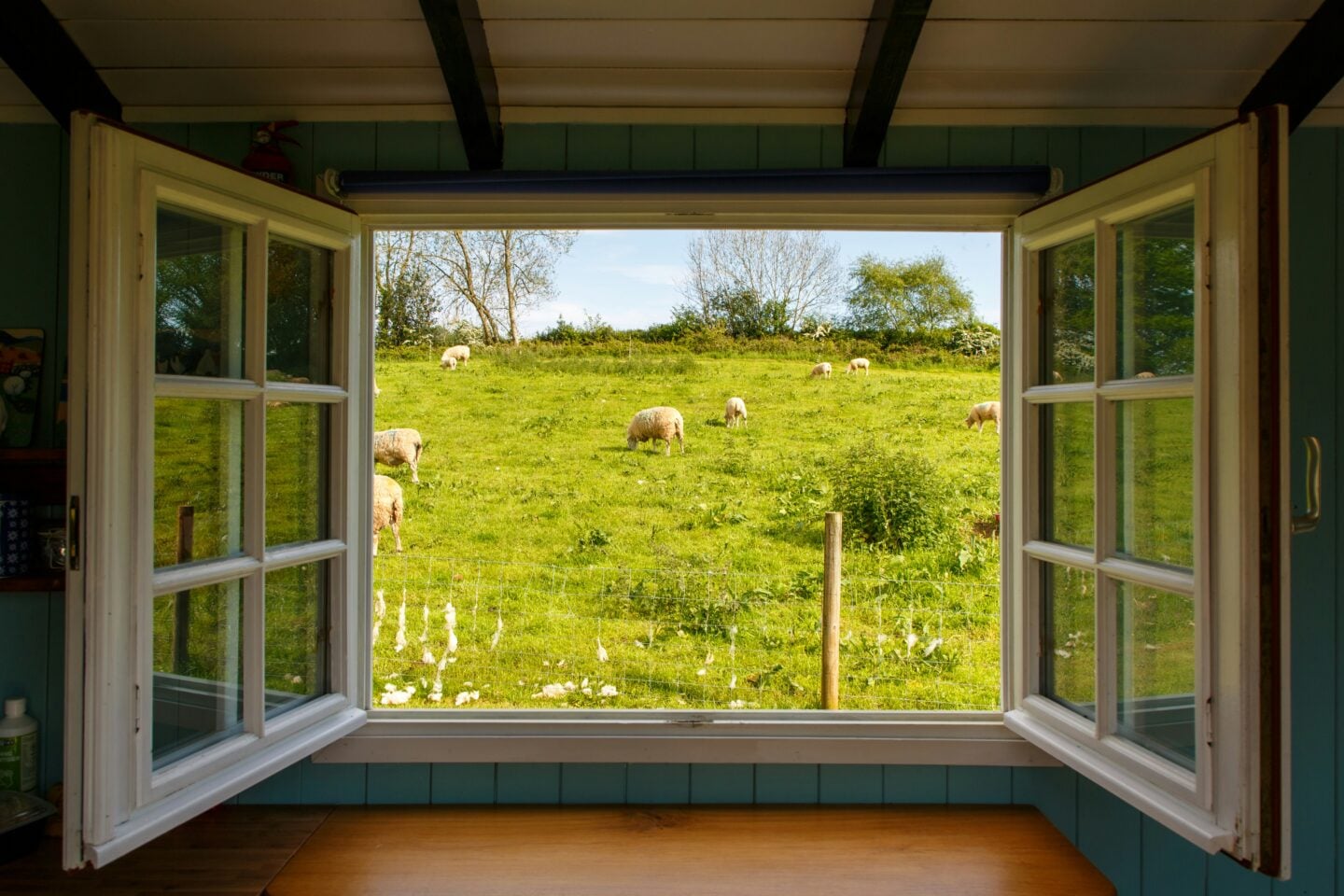
Windows and curtains serve as significant components in regulating indoor temperatures. During summer, open windows early in the morning to let in cool air, and close them as temperatures rise.
Utilizing reflective or dark curtains can help block heat from entering, keeping your home cooler. During winter, opening curtains on sunny days allows sunlight to naturally warm your space.
Employing thermal curtains can provide an added layer of insulation, further enhancing your home’s thermal performance. Such strategic use of natural resources alongside technological solutions can create a more comfortable and energy-efficient living environment.
Smart Home Technologies
The advent of smart home technologies has revolutionized how homeowners manage comfort in their living spaces. Smart thermostats allow you to control your heating and cooling systems from anywhere, ensuring that you return to a comfortable home.
These devices learn your habits, adjusting temperatures accordingly to maximize both comfort and energy savings. Integrating smart sensors can optimize heating and cooling based on occupancy, which means rooms are only conditioned when necessary. The convenience of controlling your environment means you can spend less time worrying about temperatures and more time enjoying your space.
Emphasizing Routine Maintenance
As with any system, the longevity and efficiency of your home’s heating and cooling elements depend heavily on routine maintenance. Establishing a maintenance schedule ensures that all components of your HVAC system are operating at optimal levels.
Seasonal inspections should cover important aspects like checking refrigerant levels, cleaning coils, and inspecting electrical connections. Homeowners can benefit from additional services like duct cleaning to prevent dust buildup that can impair airflow and quality. Impeccable upkeep prolongs the lifespan of your systems and ensures continuous comfort throughout the year.
Adapting Comfort Through Energy-Efficient Upgrades
Investing in energy-efficient home upgrades can significantly improve comfort while reducing long-term utility costs. Replacing outdated appliances, installing energy-efficient windows, and upgrading to modern heating and cooling equipment allow your home to maintain stable temperatures with less effort.
These improvements minimize energy loss and reduce strain on existing systems, creating a more consistent indoor climate. Energy-efficient upgrades contribute to a quieter, more comfortable living environment while supporting sustainable home management and year-round comfort.
These upgrades enhance comfort and increase the value of the home. Homeowners often notice fewer temperature fluctuations and improved indoor consistency after making efficiency-focused improvements. These changes create a balanced living environment that supports comfort, savings, and long-term peace of mind.
Ensuring year-round comfort in your home requires a comprehensive approach encompassing understanding seasonal needs, enhancing HVAC performance, and actively managing air quality. Each element, from insulation to air quality management and the integration of smart technology, plays a crucial role in creating an inviting and pleasant indoor environment. When these factors are addressed holistically, the result is a home that provides comfort no matter the external conditions, safeguarding your health and well-being throughout the seasons.
Thanks for stopping by!
Magda
xoxo
<3