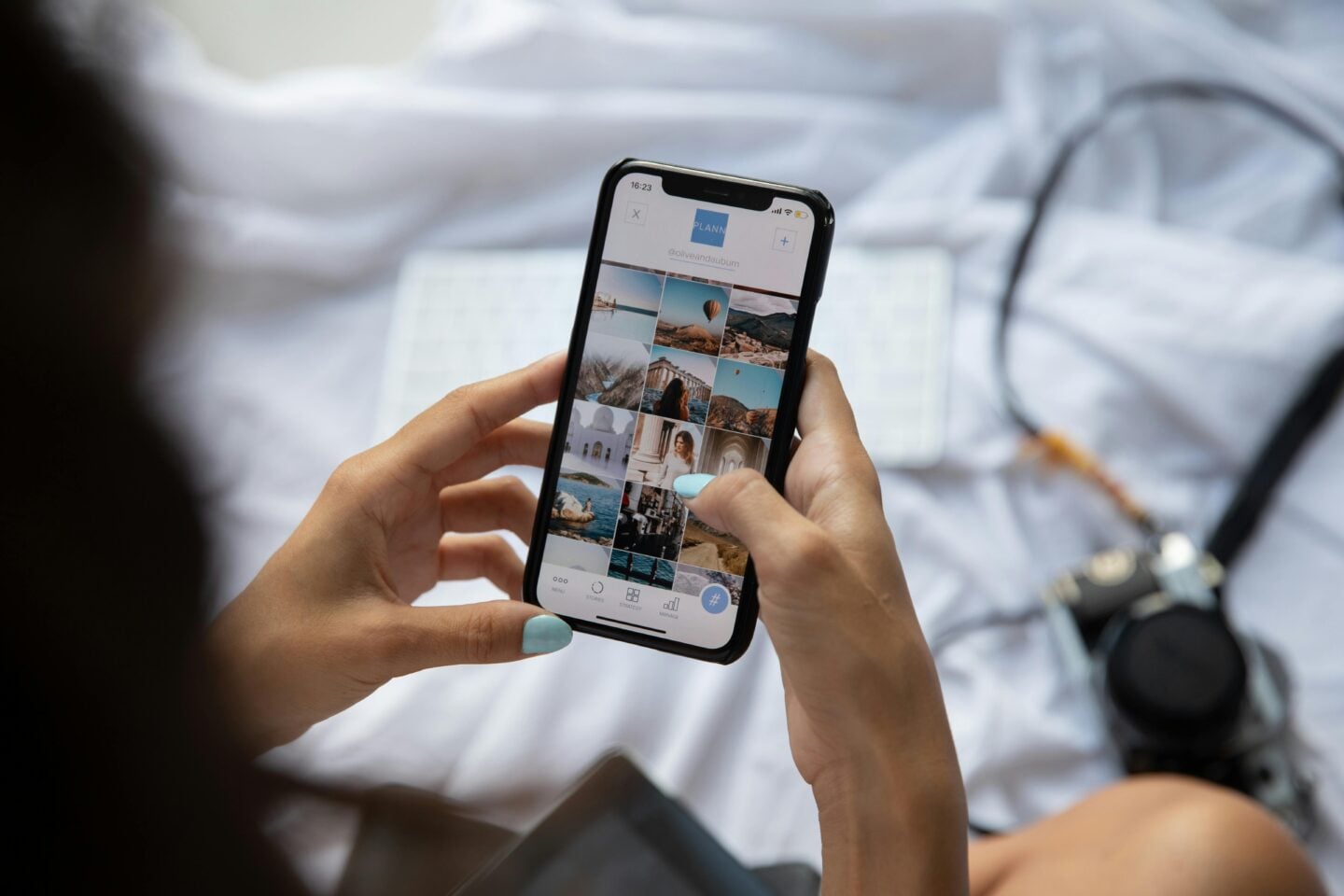
Let’s be honest. Our digital world looks a bit samey. Screens are black rectangles. Apps are tidy rows of simple icons. Our gadgets prize thinness and silence. Minimalism rules. It whispers of efficiency and calm. But something feels missing. Our hearts sometimes crave a little more. Aesthetic design still matters deeply. It is the soul peeking through the machinery. It is the human fingerprint on the flawless surface. Even in this minimalist era, beauty and expression are not frivolous. They are essential.
The Silent Rebellion Of An iPhone Case
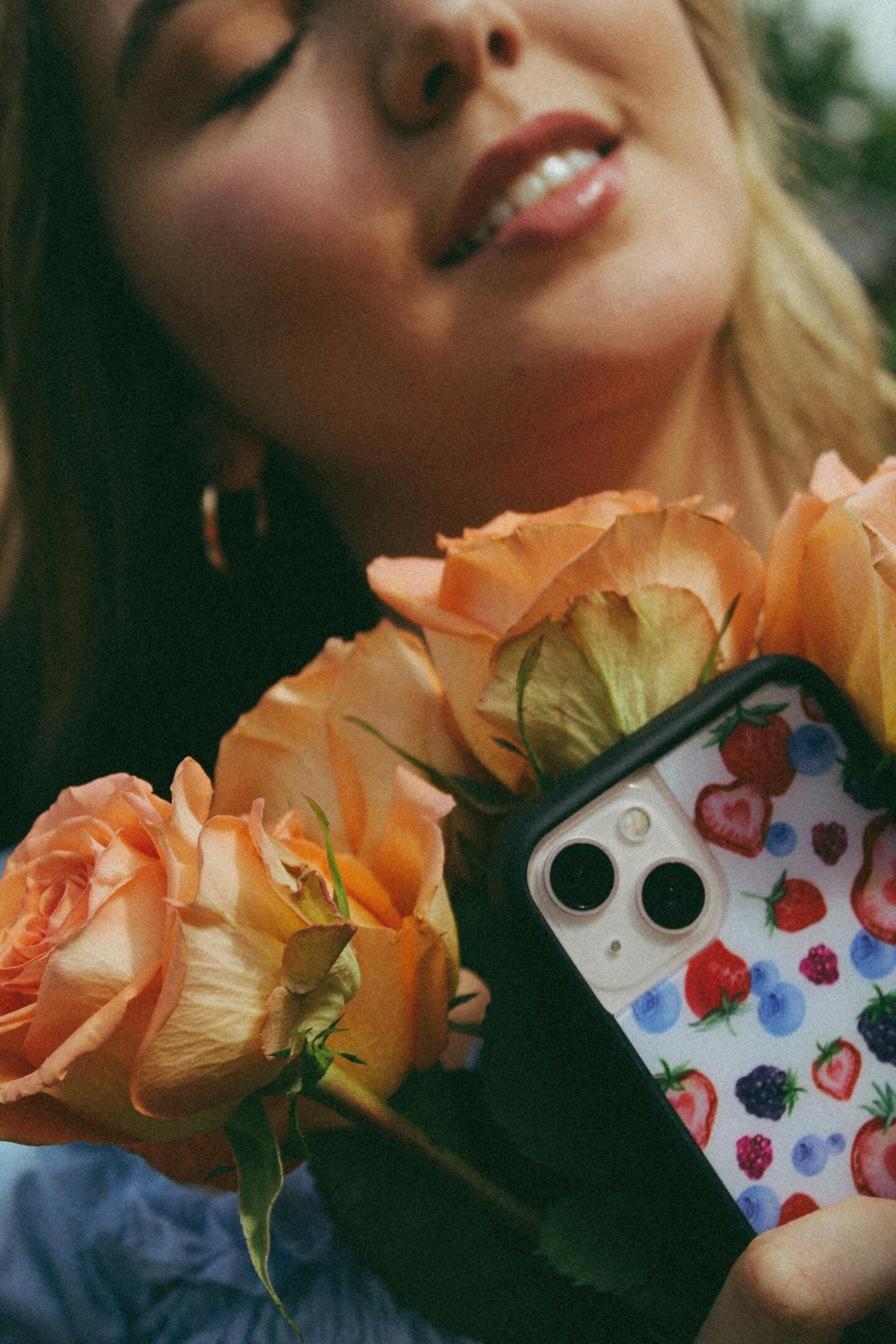
Consider the humble iPhone. Its design is a minimalist icon. It is sleek. It is serious. It is arguably a little cold. Now, slide it into a Wildflower case. The transformation is instant. Suddenly, the phone bursts with personality. It might sport swirling psychedelic patterns. It could be dotted with cheerful daisies. It might glow with neon cursive script. This is playful maximalism meeting minimalist tech culture. It makes a powerful case for self-expression.
Using vibrant iPhone cases is not just about protection. It is a tiny rebellion. It says my tool can also be my accessory. My device can reflect my mood. It proves minimalism does not have to be the final answer. It can be the quiet canvas for a much louder story.
Minimalism Is A Tool, Not A Religion
Modern minimalism serves a real purpose. It reduces cognitive load. It creates digital calm. It focuses on pure function. This is all good. But it was never meant to erase personality. It should not breed uniformity. Think of minimalism as a great foundation. It is the clean, white wall. Aesthetic design is the art you choose to hang on it. One without the other feels incomplete.
A room with only white walls feels sterile. A phone with only pure function feels impersonal. Good design understands this balance. It uses minimalism to avoid clutter. Then it adds beauty to create connection.
We Are Not Robots
We forget this simple truth sometimes. Humans are emotional beings. We respond to color and texture. We are drawn to patterns and stories. A beautifully designed object sparks joy. It creates an emotional bond. It transforms a task into an experience.
Typing on a keyboard with a pleasing click feels different. Drinking from a perfectly weighted mug is better. These details seem small. They are not. They are the difference between using and cherishing. In a world pushing for more automation, these human-centric details matter most. They remind us that our tools are for us, not the other way around.
The Memory Of Objects
Aesthetic design creates lasting memories. We remember how things make us feel. A minimalist object often aims to disappear. A beautifully designed one wants to be seen. It wants to be remembered.
Think of the old, ornate library. You remember the smell of its wood. You recall the intricate carvings on its desks. Compare that to a bland, modern office cubicle. Which one sticks in your mind? Which one feels meaningful? Our belongings should tell our story. They should hold our memories in their shape and color. Pure minimalism risks erasing this narrative layer from our lives.
Self-Expression In A Standardized World
Our environments are increasingly standardized. Digital interfaces are identical. Office spaces are often generic. Fashion can trend towards the uniform. Personal aesthetic choices become vital acts of defiance. They are statements of identity.
Choosing a vibrant laptop sticker, a bold wallpaper, or a uniquely designed chair is a declaration. It says, “I am here.” In the era of minimalist tech, these choices are more important, not less. They are the primary way we imprint ourselves onto the sleek, anonymous surfaces of our daily tools.
The Future Is Balanced
The future of design is not a maximalist takeover. Nor is it a minimalist dictatorship. The smartest path is a thoughtful blend. We will see minimalist frameworks that are robust and intuitive. Within them, we will have space for aesthetic flourish.
Technology will likely allow more personalization. Our devices may change color with our mood. Our interfaces could reflect our personal style. The goal is a harmonious balance. Function will remain paramount. But personality will be its welcome partner. Good design will cater to both our need for efficiency and our thirst for beauty.
So, let us not abandon aesthetic design on the altar of minimalism. Let us instead invite it back to the table. Let it add the warmth, the story, and the joy. Let your phone wear flowers. Let your notebook be a bright color. Let your tools spark a little delight. Our world needs more of it. Your inner human will thank you.
Thanks for stopping by!
Magda
xoxo
<3