There is a quiet shift happening in the way people travel, and it has nothing to do with chasing novelty or ticking boxes. It is about control, comfort, and actually enjoying where you are without feeling herded, rushed, or talked at. Private tours used to sound indulgent, maybe even excessive. Now they feel practical in the same way booking a nonstop flight does. You do it once, realize how much friction disappears, and suddenly everything else feels like unnecessary work. When time is limited and curiosity is real, private tours stop being a splurge and start feeling like the smartest decision in the room.
Privacy Changes The Entire Pace Of Travel
The biggest difference between a private tour and a group experience is not access or luxury, it is rhythm. When you are not moving at the speed of the slowest stranger or waiting for someone to wander back from a gift shop, the day opens up. You linger when something surprises you. You move on when it does not. There is space for questions that drift into conversation instead of being wedged into a scripted monologue.
This matters more than people admit. Travel is already stimulating, sometimes overwhelming. Having a guide who is focused solely on you or your group creates a calmer baseline. The experience adapts to your energy instead of forcing you to adapt to it. That alone can turn a long day into one that feels effortless, even restorative.
Customization Turns Sightseeing Into Real Experience
Group tours promise highlights. Private tours deliver context. When an itinerary bends around your interests, even subtly, everything lands differently. A guide can skip what you have already seen, go deeper where curiosity sparks, or adjust on the fly when a place feels crowded or flat. Nothing feels locked in or performative.
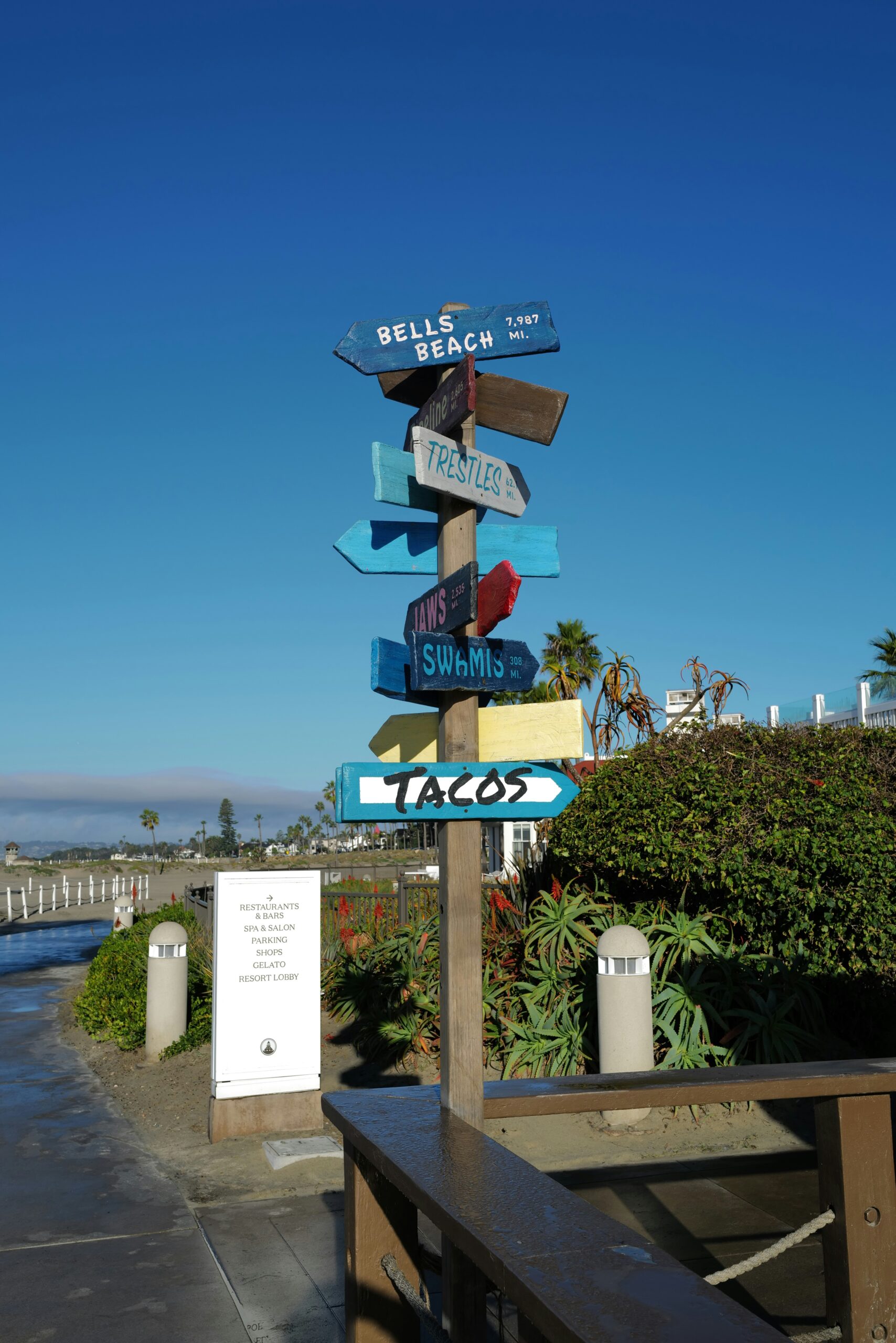
This is especially noticeable in food focused travel. A private guide can pace tastings, adjust for preferences, or follow a spontaneous recommendation from a chef down the street. Something like a private Los Angeles, New York City or Coronado food tour stops being a checklist of bites and becomes a moving conversation about culture, neighborhoods, and the way people actually eat. It feels less like an excursion and more like being shown around by someone who knows where the good stuff lives.
Access Without The Theater
Private tours often come with better access, but the real advantage is how quietly it happens. There is no announcement, no badge waving, no sense of being granted something special in front of a crowd. You just move through doors that are usually closed, or arrive at times that avoid the crush. Museums feel contemplative. Historic sites feel dimensional instead of staged.
This kind of access changes your relationship to a place. You are not observing it from behind ropes or listening from the back of a group. You are inside it, present enough to notice details that usually get swallowed by noise. The absence of spectacle makes the experience feel more grounded, which is often what people are chasing without realizing it.
The Cost Question Everyone Asks Quietly
At some point, the practical question surfaces. Are luxury tours worth it? The answer depends less on budget and more on what you value when you travel. If saving money is the primary goal, group tours will always win. If maximizing the quality of limited time matters more, private tours start to look reasonably fast.
There is also the hidden math. Fewer wasted hours. No time lost regrouping. No frustration tax. When you factor in how much smoother the day runs, the cost often balances out in ways people do not expect. What you are really paying for is efficiency paired with depth, which is a rare combination in travel.
Comfort Is Not A Dirty Word
There is a persistent idea that travel should be a little uncomfortable to feel authentic. That belief has aged badly. Comfort does not dilute experience, it supports it. Being able to sit when you need to, adjust plans when energy dips, or avoid crowds when they spike makes you more open, not less.
Private tours allow for that flexibility without apology. You can ask for a break, change direction, or spend extra time somewhere without feeling like you are inconveniencing anyone. That freedom creates a sense of ease that lingers long after the tour ends. It is the difference between feeling wrung out and feeling genuinely enriched.
Who Private Tours Actually Serve Best
Private tours are not only for luxury travelers or milestone trips. They work especially well for people who are curious, observant, and allergic to wasted time. Couples who want conversation instead of commentary. Families who need adaptability. Solo travelers who prefer engagement over anonymity.
They also suit repeat travelers who do not need introductions but crave nuance. When you already know the basics, having a guide tailor the day around what you do not know yet is invaluable. It turns familiar destinations into places that still have something to say.
Private tours do not shout about what they offer, which is part of their appeal. They remove friction, return agency to the traveler, and create space for moments that feel personal rather than processed. Once you experience travel at that pace, it becomes hard to justify anything else. Not because group tours are bad, but because private ones simply make more sense for how people want to move through the world now.
Thanks for stopping by!
Magda
xoxo
<3