Dogs naturally start to slow down as they get a little bit older. You’ll notice longer sleeps, calmer behaviours, and, for the most part, settling into older age as their bodies adjust. Well, some breeds aside (looking at beagles here).
But just because they do reach a point in their lives where that frantic puppy energy has worn off, it doesn’t mean you can help them still enjoy their senior years and support their bodies so they can keep on living their best lives.
Let’s take a look at how you can help your dog stay active as they age.
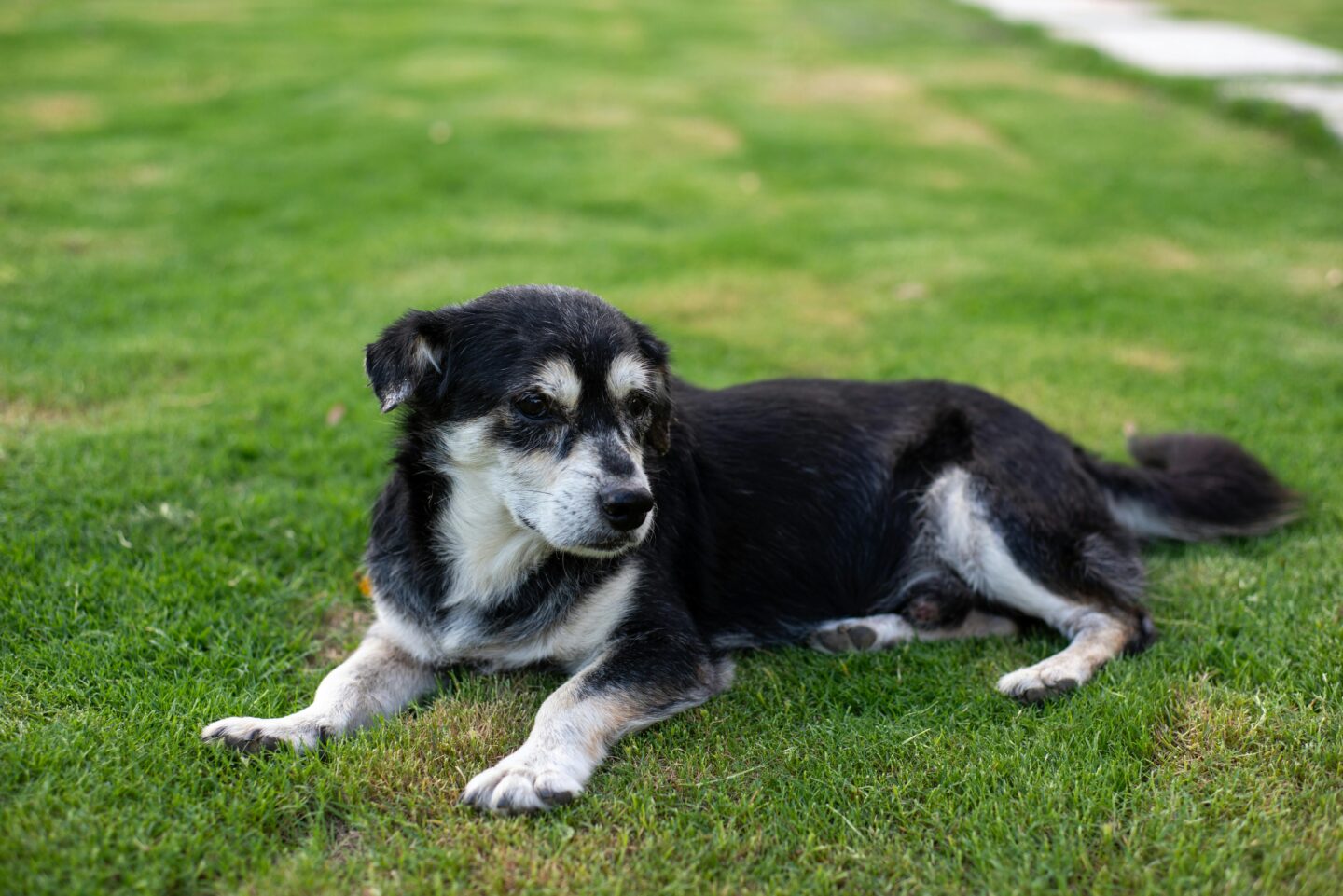
Introduce Mental Stimulation
Mental stimulation is how you tire out a dog’s brain, not just their body. And this is something you can, and probably should, introduce from a young age. Training is classed as mental stimulation, puzzles, and presenting them with challenges are mental stimulation too.
The aim here is to get your dog moving to complete the challenge and engage with the environment, follow cues, and get working. For dogs that don’t want to be physically active or need to expend extra energy, it’s the perfect compromise. The trick is to keep the session short. You can do multiple quick sessions throughout the day and do it alongside physical activity to break up periods of inactivity. Plus, a dog that’s used up its mental energy is a tired, happy, fulfilled dog.
Introduce Joint Supplements
Again, there’s no time when it’s too early to introduce joint supplements for your dog.
Ideally, you want to deliver them before you start noticing signs that your dog is experiencing joint degeneration or inflammation.
By introducing dog joint supplements early, you can ensure you’re supporting cartilage health, lubrication, and comfort. Typically, good-quality supplements contain glucosamine, chondroitin, MSM, and omega-3 fatty acids, as these all help support long-term mobility (these work for humans too, obviously human-safe supplements, not the dog ones!).
Improve Diet
Not all dog food diets are created equally, and while some might “pass” required guidelines for nutrition, there are a lot of foods that are essentially the junk food of the dog world.
You want to make sure you’re feeding as high a quality a food as you can afford to, prioritising digestible protein, and ensuring that you’re controlling calories. Older dogs don’t always need as many calories as they did in their younger years, especially over the age of 8 if they’re not still as active anymore. Low-calorie diets, single-source protein, and fewer high-quality treats can set them up well here. Even small dietary adjustments will make a difference.
Schedule Regular Vet Visits
Not just when you think your dog needs to see the vet, but for checkups too. You need to make sure the vet can check on their mobility, gait, posture, muscle tone, and anything else you feel is necessary. Staying ahead of these problems means you can support their health in the best way and adapt your approach if you feel like you need to.
Thanks for stopping by!
Magda
xoxo
This article is provided for general informational purposes only and does not constitute veterinary advice. If you have concerns about your pet’s health, please consult a qualified veterinarian.
<3