Newborns arrive with delicate skin, tiny fingernails, and reflexes they cannot yet control. One moment, they’re peacefully sleeping, and the next, their little hands are moving unpredictably across their face. Many new parents quickly notice small scratches on their baby’s cheeks – often caused by their own nails.
That is where baby mittens come in. While they may seem like a small accessory, the right pair plays an important role in both comfort and safety during a newborn’s early weeks. However, not all mittens are created equal. Fabric choice, fit, breathability, and design details all matter more than most parents realize.
That said, here’s how to choose the right mittens to keep your newborn comfortable and protected.
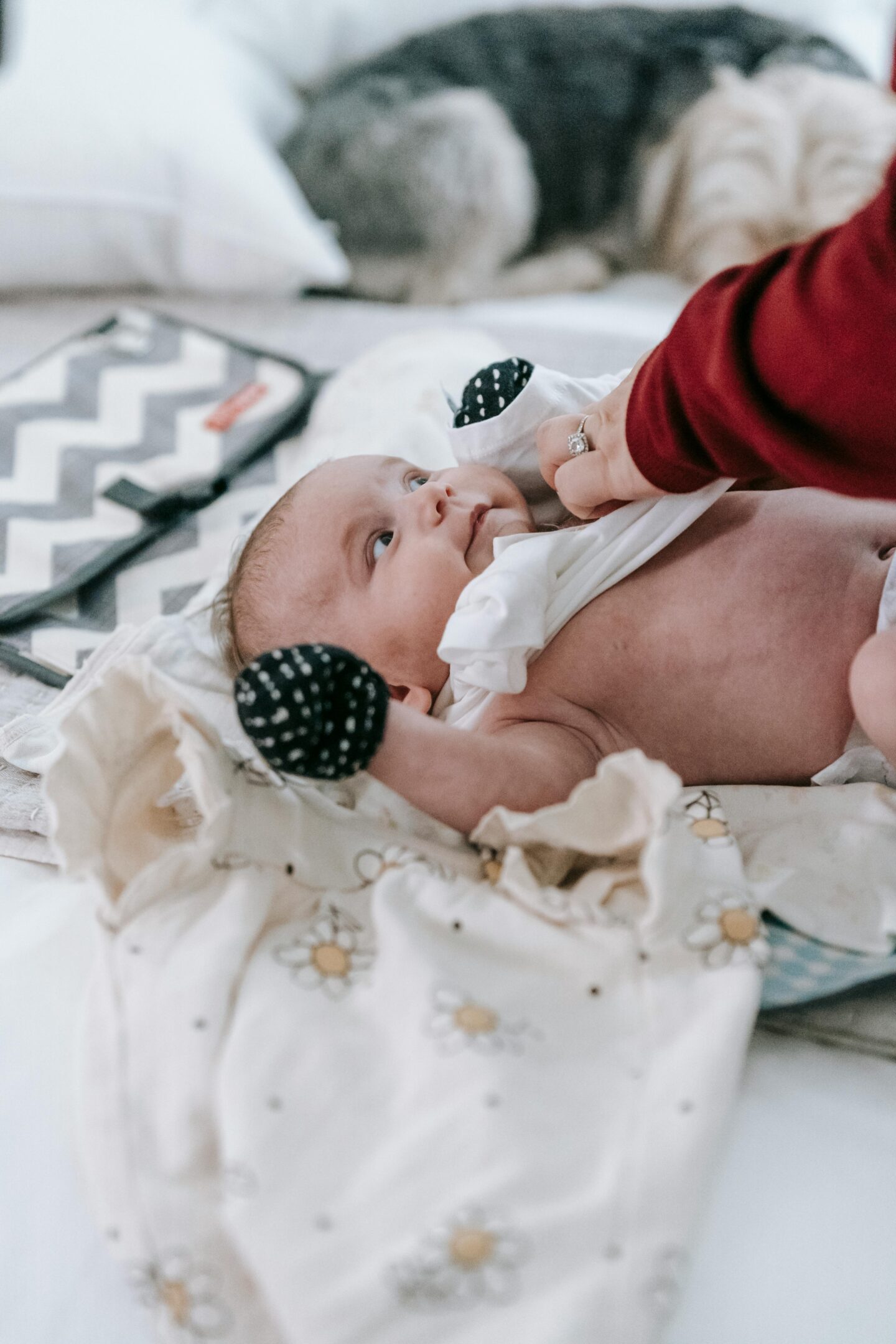
1. Prioritize Soft, Breathable Fabrics
A newborn’s skin is significantly thinner and more sensitive than an adult’s. Materials that feel soft to you may still irritate delicate skin. When choosing mittens, fabric quality should be your first consideration.
Parents shopping for mittens should look for options made from:
- 100% cotton.
- Organic cotton (if preferred).
- Free from harsh dyes.
- Lightweight.
Moreover, the breathability of baby mittens is especially important. It is because infants regulate temperature differently from adults, and overly thick materials may cause their hands to sweat. Excess moisture can lead to irritation or discomfort, particularly during longer sleep periods.
The good news? Some reliable brands specializing in infant essentials, such as Gerber Childrenswear, design newborn apparel with softness and safety in mind. Their collections of mittens are typically crafted from gentle cotton fabrics that prioritize comfort against sensitive skin while allowing airflow.
Hence, choosing the right fabric ensures that protection does not come at the expense of comfort.
2. Ensure A Secure But Gentle Fit
Fit is one of the most overlooked factors. Mittens that are too tight may restrict circulation or leave marks on the wrist. Mittens that are too loose may slip off easily – especially since newborns tend to move their hands frequently.
Look for:
- Soft elastic wristbands.
- Stretchable openings.
- Snug but non-restrictive fit.
- No exposed seams inside.
A well-designed mitten should stay in place without digging into the skin. Elastic bands should be wide and gentle rather than thin and tight. Parents often find that properly sized mittens prevent constant readjustment, which also means fewer disruptions during naps.
3. Check Stitching And Interior Construction
The inside of the mitten matters just as much as the outside. Rough stitching, loose threads, or thick seams can cause irritation over time.
When selecting mittens, examine:
- Seam placement.
- Smooth interior finish.
- Reinforced but soft stitching.
- Absence of decorative elements inside.
Newborns frequently clench and unclench their fists. Any internal discomfort can quickly make them fussy. Quality construction ensures that the mitten protects without becoming a source of irritation.
4. Choose The Right Size For The Newborn Stage
While many mittens are labeled “newborn,” sizing can vary between brands. Babies grow rapidly in their first months, so choosing an appropriate size ensures both safety and comfort.
If mittens are too large, they may slide off and pose a potential hazard. If they are too small, they can become uncomfortable quickly.
Review sizing charts carefully and consider purchasing a few pairs so you always have clean options available. Because newborn mittens are worn frequently – especially in the first weeks – having multiple pairs ensures hygiene and convenience.
5. Consider Everyday Practicality
Baby products must work for real life. Mittens will likely need frequent washing due to spit-up, drool, and general use.
Look for mittens that are:
- Machine washable.
- Durable after repeated washing.
- Resistant to shrinking.
- Designed for everyday wear.
Some trusted brands understand that baby essentials must withstand regular laundering without losing shape or softness. Hence, parents should explore their options to find the best mittens for their kids. All in all, convenience matters as much as comfort when caring for a newborn.
6. Avoid Overly Decorative Designs
While decorative baby accessories may look adorable, practical design should take priority for newborn essentials. Avoid mittens with:
- Buttons.
- Hard embellishments.
- Loose attachments.
- Heavy decorative stitching.
Safety should always outweigh aesthetics. Clean, simple designs typically provide the safest and most comfortable option for daily wear.
Final Thoughts
Choosing the right mittens may seem like a small decision, but for newborns, small details matter. The right pair offers gentle protection against accidental scratches while maintaining breathability, comfort, and freedom of movement.
By focusing on soft fabrics, proper fit, smooth construction, practical care, and safe design, parents can ensure their newborn’s early days are a little more comfortable – and a little less scratch-prone. In those first precious weeks, thoughtful choices in even the smallest essentials can make everyday caregiving smoother and more reassuring.
Thanks for stopping by!
Magda
xoxo
<3