Have you noticed your dog hesitating before jumping onto the couch or pausing at the bottom of the stairs? Perhaps walks have become shorter, or playtime ends sooner than it used to. These small changes are easy to dismiss as normal aging – especially in senior dogs. But when movement begins to look cautious rather than carefree, it may signal something more than just growing older.
Well, arthritis in dogs is a chronic, progressive condition that affects joint function, mobility, and overall comfort. Because symptoms often develop gradually, many owners overlook the early warning signs until stiffness or discomfort becomes more pronounced.
Recognizing subtle behavioral and physical changes early allows you to respond proactively and protect your dog’s quality of life. While every dog is different, there are consistent patterns that frequently indicate joint discomfort.
Below are the key symptoms to watch for – along with insights to help you interpret what your dog may be trying to communicate.
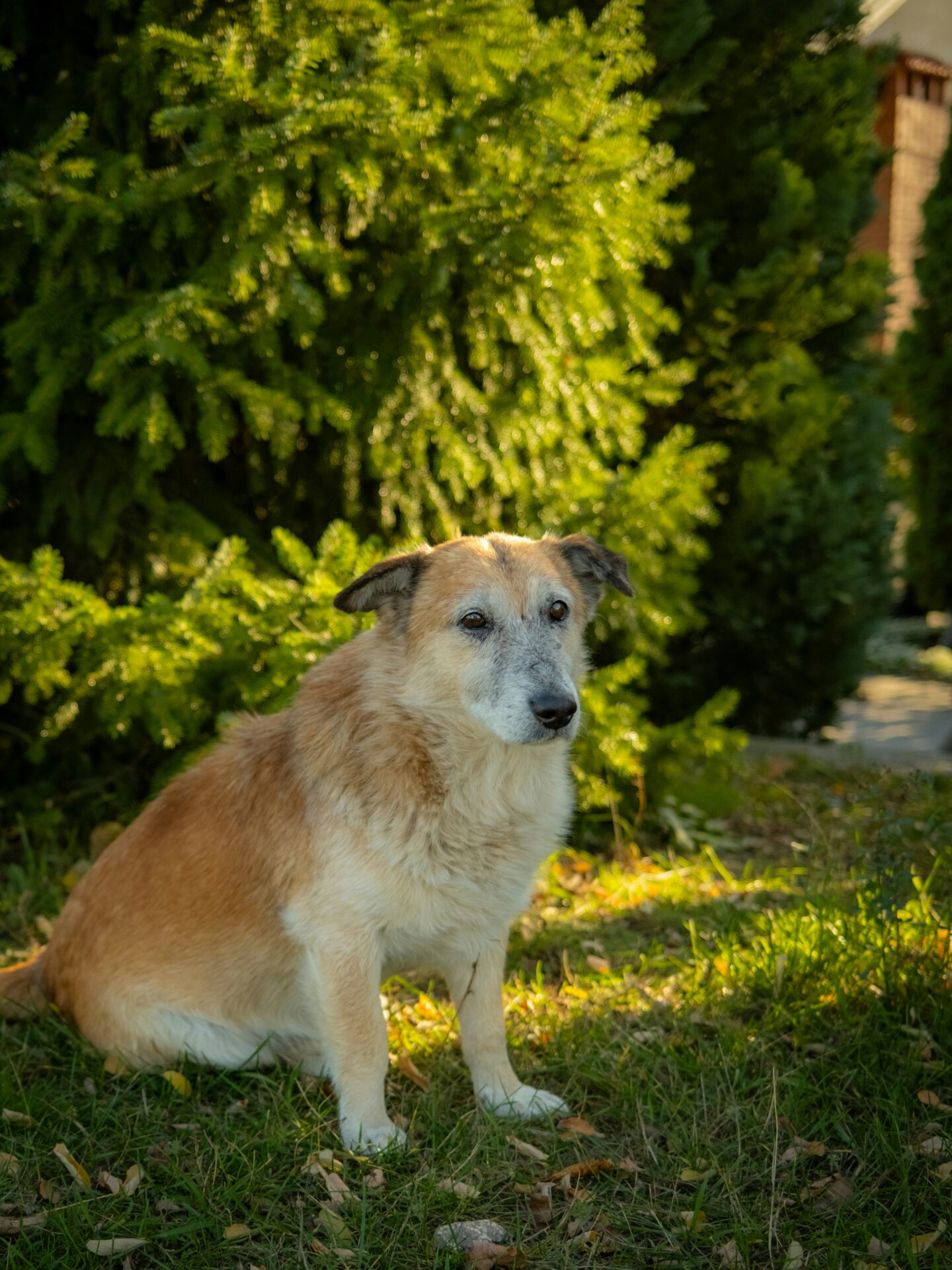
1. Changes In Mobility And Activity Levels
One of the earliest indicators of arthritis is a noticeable shift in how your dog moves. Because joint pain tends to increase with repeated use, dogs often adjust their behavior gradually rather than showing immediate distress.
Look for patterns such as:
- Slower walking pace or hesitation at corners.
- Reluctance to climb stairs or jump into cars.
- Favoring one limb over another.
- Reduced participation in play or longer recovery after exercise.
These changes may appear subtle at first. Instead of obvious limping, you might notice that your dog starts a walk with enthusiasm but slows down sooner than usual.
When these mobility changes become consistent rather than occasional, they may signal the need to explore a structured dog arthritis treatment approach instead of waiting for symptoms to intensify. Experts such as MedcoVet outline comprehensive joint care strategies that may include weight management, controlled exercise, and supportive therapies designed to reduce inflammation and improve mobility.
Among the emerging options, red light therapy has gained attention for its non-invasive support of joint health. By promoting circulation and cellular repair, this form of therapy can enhance comfort when included into a broader care plan.
2. Stiffness After Rest Or Sleep
Stiffness that emerges after periods of rest – particularly first thing in the morning or after lying down – is a classic symptom of joint irritation. In healthy dogs, joints loosen quickly once activity begins. In dogs with arthritis, movement may actually feel harder before it feels easier.
Signs of stiffness include:
- Difficulty rising from a lying position.
- Extended hesitancy before movement begins.
- A wobbly or tentative first few steps.
- Stretching movements that seem exaggerated.
This pattern mirrors what many humans with joint conditions experience after inactivity. If your dog seems “creaky” when getting up, takes longer than usual to settle into a natural stride, or appears hesitant even when excited, it is worth paying attention to.
3. Changes In Behavior Or Temperament
Pain is personal, and dogs express discomfort differently than humans. As a result, changes in demeanor often communicate what your pet cannot say. Joint pain can make previously outgoing and playful dogs appear withdrawn or irritable.
Behavioral signs include:
- Irritation when being touched, especially near the hips or joints.
- Avoidance of physical contact previously enjoyed.
- Sudden growling or snapping during routine handling.
- Decreased willingness to engage with family members or other pets.
Because these behaviors can also overlap with stress or environmental factors, it helps to note whether they occur in conjunction with mobility changes or physical limitations. A dog who avoids touch and walks differently likely has a physical source of discomfort. Monitoring both physical and emotional signals gives a fuller picture of your dog’s wellbeing.
4. Muscle Loss Or Body Shape Changes
Arthritis does more than affect joints – it alters how dogs use their muscles. When a dog consistently limits use of an aching limb, nearby muscles begin to weaken. This phenomenon, called muscle atrophy, creates noticeable asymmetry in body shape over time.
Look for:
- Thinning muscles around the shoulders or hindquarters.
- Less definition on one side of the body compared with the other.
- Changes in stance to shift weight away from painful joints.
Muscle loss not only reflects discomfort but also compounds functional limitations. As muscles weaken, joints become less supported, which increases strain and may accelerate discomfort.
Early recognition of muscle imbalance allows for targeted interventions such as physical therapy, controlled exercise, and strength-building routines.
To Sum It All Up!
Arthritis in dogs is not always obvious at first glance. Unlike sudden injuries, its symptoms often emerge gradually – in subtle changes in movement, behavior, and comfort. Recognizing early signs such as stiffness, altered gait, shifts in temperament, muscle changes, and sleep disturbances allows you to act sooner rather than waiting for a more pronounced decline.
Regular observation, paired with professional evaluation, gives your dog the best chance for sustained mobility and well-being. With a thoughtful care plan, many dogs continue to enjoy activity, play, and everyday life with significantly less discomfort.
Thanks for stopping by!
Magda
xoxo
This article is provided for general informational purposes only and does not constitute veterinary advice. If you have concerns about your pet’s health or wellbeing, please consult a qualified veterinarian.
<3