Elderly adults find comfort in a routine. Routines foster independence, alleviate anxiety, and enhance overall well-being. Senior home care supports these routines, providing older adults with daily security and a sense of worth.
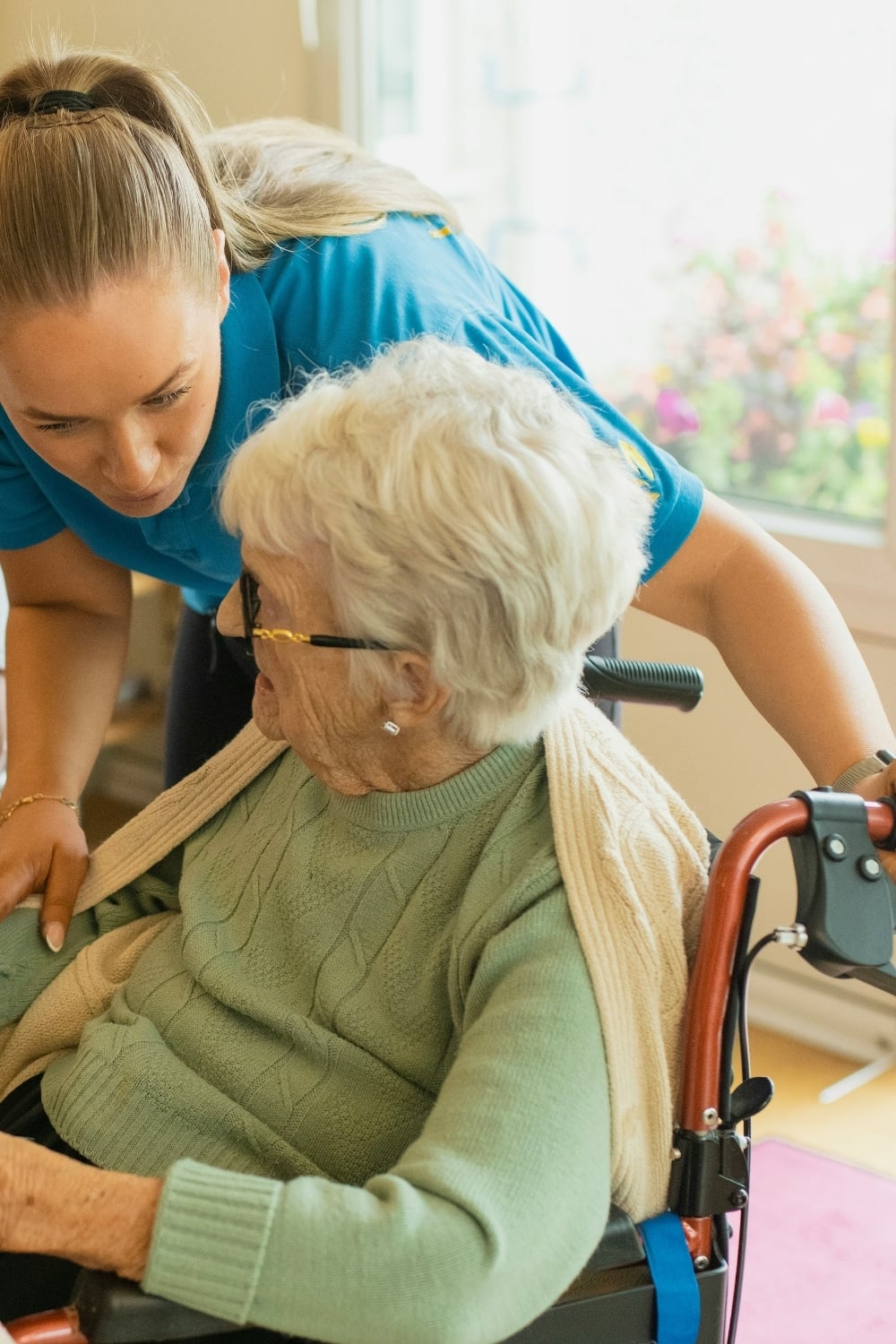
Personalized Attention Every Day
Each person, regardless of age, has unique aspirations. Professionals for senior home care engage with individuals to understand their specific habits and preferences, ensuring that their support aligns with established routines. Attention helps elders to stay relaxed in the same place they have been for ages.
Support With Medication Management
Timely intake of medicines becomes a challenge for senior citizens, particularly if they have multiple prescriptions. Caregivers remind people when to take their medications and help them avoid missing doses or taking them again. It aids in sustaining health and, in turn, prevents unwelcome hospital visits.
Meal Preparation And Nutrition
Meals containing high nutritional value make the body strong. Most seniors will have some type of food restriction or preference. Home care providers prepare balanced meals based on the needs of their clients, such as cooking their favorite dishes and helping them eat regularly. Good nutrition gives energy for everyday life and contributes to a feeling of well-being.
Assistance With Personal Hygiene
Personal hygiene is important to maintain dignity and self-confidence. Limited mobility or memory loss makes bathing, grooming, or dressing difficult for some older adults. Caregivers offer gentle support, giving elderly individuals the time they need to stay clean and maintain their dignity without feeling rushed or belittled.
Encouragement With Physical Activity
Physical activity will help keep the body flexible and the mind alert. Light exercises, like walking or simple stretching routines, are encouraged by care workers. Staying mobile helps with stability and balance, which over time reduces the risk of falls, enabling seniors to maintain independence as long as possible.
Support For Social Connections
Older adults living alone could be impacted by loneliness. Routines with caregivers invite companionship and dialogue. Home care workers can also facilitate phone calls or visits with friends and family, promoting emotional wellness and fighting against isolation.
Memory and Cognitive Support
Having trouble with short-term memory can interfere with your daily life and may lead to confusion or anger. Home care professionals utilize reminders, messages, and plans to maintain order amongst the seniors. This structure offers reassurance and makes each day less stressful for residents experiencing cognitive challenges.
Household Chores And Safety
As we get older, laundry, cleaning, and organizing might become more challenging. Duties of caregivers include safe and clean housekeeping. They also look for things like unsecured rugs or inadequate lighting that can lead to accidents and the need for more care.
Transportation And Errands
When it comes to medical appointments, grocery shopping, or running errands, not all older adults have transportation or the means to get there. Home care workers can transport seniors more easily and safely. Maintaining appointments and errands helps support their routines and lets seniors stay active in their communities.
Flexibility And Adaptation
Sometimes change is inescapable because of disease or changing requirements. Home care providers will modify routines gradually while incorporating new habits. They will always accommodate the old ones in the process. This kind of flexibility in these situations helps ensure the senior is still being treated with respect and given support as they experience changes in their situation.
Emotional Comfort And Security
This daily assurance that someone is around provides peace of mind for seniors and their families. Frequent interaction with a reassuring caregiver cultivates trust and minimizes anxiety. Hence, this kind of emotional support helps older adults feel valued and safe in their own homes.
Conclusion
An area where you could rely heavily on senior home care is assisting older adults who are unable to conduct their daily routines independently. The ability to offer routine help with medication, food, bathing, exercise, and socialization enables the elderly to enjoy familiar routines within a safe environment. Personalized care maintains routines and improves quality of life, providing comfort and stability to those in need.
Thanks for stopping by!
Magda
xoxo
<3