To wholesalers, retailers, phone resellers, refurbishers, and repair centers, Samsung devices represent a source of inventory that directly influences revenue and customer trust. Once the devices start to freeze, overheat, or run out of battery fast, the problem concerns not only functionality but also resale and efficiency of performance.
You might experience crashing apps in quality tests or touch screens that crash during inspection, creating delays in processing. These issues are usually not predictable, which makes large-scale troubleshooting frustrating and expensive.
Nevertheless, the majority of devices follow identifiable patterns that can be characterized when tested systematically. Structured diagnostics enable businesses to find mistakes precisely and ensure consistency in grading, instead of using assumptions or changing components without any need.
This article discusses six useful tips that enable you to diagnose and resolve Samsung phone issues effectively in professional environments.
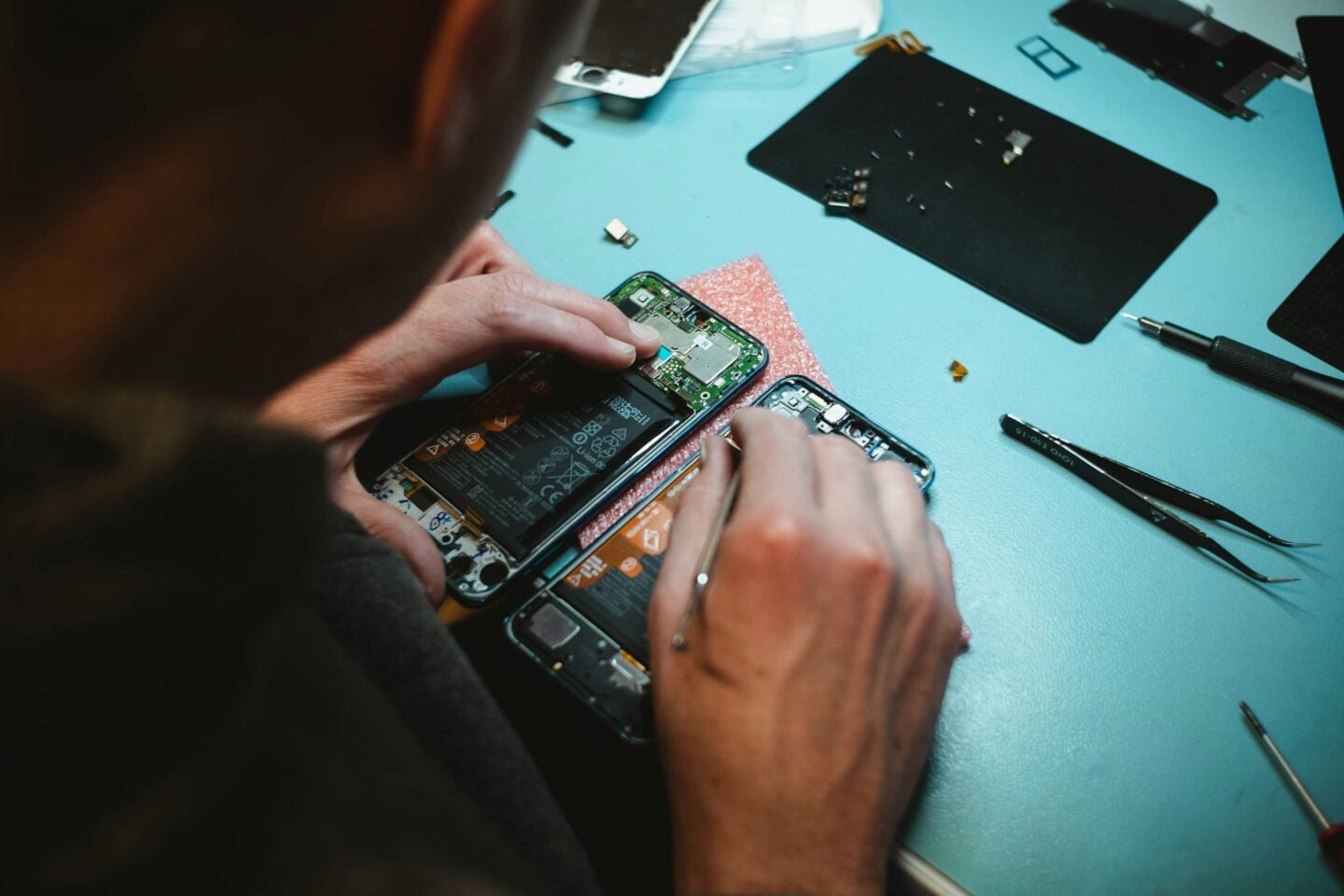
1. Advanced Device Testing Systems
In the case of businesses with a large volume of Samsung devices, consistent and quick diagnostics are a necessity. A professional phone diagnostic test Samsung solution enables technicians to test hardware parts, sensors, battery condition, and connectivity options during a single controlled session.
Rather than using manual checks, automated systems perform several tests at a time and produce valid pass or fail outcomes. This eliminates human error, enhances the correction of the grading, and ensures that faulty units do not find their way to resale channels.
Overall, as device intake grows, standardized testing ensures that all the devices are evaluated in the same conditions, and this would enhance quality control and facilitate quality operational functioning.
2. Post-Repair Functional Confirmation
By substituting a defective part, especially in high-volume refurbishment or repair environments, there is no guarantee of stability in the long run. Thus, post-repair functional confirmation is essential in the working conditions.
Technicians ought to follow a full diagnostic cycle after changing a new screen, battery, or internal module to ensure that they are working properly. This is done to check touch response, charging behavior, sensor accuracy, and network stability before the device moves forward in the process.
Consequently, companies minimize return rates and repeat repairs. Regular checkups also foster confidence in the final device condition, as the repairs address the causes of problems instead of just covering them up.
3. Structured Reporting And Transparency
The use of clear documentation has a significant role in refurbishment and resale processes. Automated reporting solutions provide precise summaries of the test results, device state, and working performance.
These records remove any form of uncertainty and assist in making correct cosmetic and technical grading decisions. Moreover, the digital reports are standardized, which brings transparency to the inner teams and the external buyers.
When all the devices are equipped with reported test outcomes, disputes are reduced, and trust is gained. In the long run, structured reporting enhances operational credibility and aids in the maintenance of consistency in evaluation criteria across all processed Samsung devices.
4. Scalable Diagnostic Workflow Integration
As device intake increases across wholesale and refurbishment operations, there should be an increase in efficiency without a reduction in accuracy. Scalable diagnostic workflow integration enables the business to integrate testing, verification, and reporting in a single streamlined platform.
This saves time on processing and, at the same time, ensures a high-quality standard. Rather than having to switch between disconnected tools, technicians are able to do assessments in a single framework.
As a result, bottlenecks are reduced and turnaround time is improved. With the use of scalable diagnostic systems, companies would develop sustainable processes that would enhance expansion, consistency, and ensure that all Samsung devices reach the set performance standards before resale or redemption.
5. Connectivity And Sensor Performance Verification

Problems with Wi-Fi, Bluetooth, GPS, or mobile networks can disrupt daily usage and resale value in bulk operations. Rather than blaming signal strength immediately, verify internal components first.
Use diagnostic tools to test antenna performance, SIM recognition, proximity sensors, accelerometers, and gyroscopes. For example, if auto-rotate fails, testing the accelerometer confirms whether the sensor is functioning correctly.
Additionally, reset network settings to eliminate configuration conflicts. This step clears saved Wi-Fi passwords and Bluetooth pairings, but often resolves unexplained connectivity drops.
When multiple sensors fail simultaneously, motherboard-level issues may be present. In such cases, advanced diagnostics become essential before attempting complex repairs.
6. Data Security And Post-Repair Verification
For wholesalers, refurbishers, and resellers, data security is not optional. Protecting user data and verifying device integrity after repair are essential for compliance and resale readiness.
Before performing major repairs or resets, ensure that sensitive data is securely backed up and erased if necessary. Certified data erasure solutions follow international standards to guarantee the complete removal of personal information.
After completing repairs, run another full diagnostic cycle. Confirm that all previously failing components now pass testing and generate verification reports if needed. This final validation step ensures quality control and reduces the risk of repeat issues.
Consistent post-repair testing is especially critical in refurbishment or resale environments, where device transparency directly affects customer trust and return rates.
Conclusion

Samsung phone issues rarely appear without warning, yet they often go unresolved because troubleshooting lacks structure. By starting with systematic diagnostics, you eliminate guesswork and focus on verified results.
From battery evaluation to screen testing, software conflict resolution, connectivity checks, and secure data handling, each step builds on the previous one to create a complete diagnostic workflow. Moreover, consistent post-repair verification ensures that fixes truly resolve the root cause rather than masking symptoms.
When you approach device problems methodically, you reduce downtime, avoid unnecessary replacements, and maintain long-term performance. With the right tools and process, diagnosing and fixing Samsung phone problems becomes precise, efficient, and reliable.
Thanks for stopping by!
Magda
xoxo
<3