Homeowners today want outdoor spaces that look clean, functional, and inviting without demanding constant attention every weekend. Traditional backyards often require frequent mowing, hand watering, trimming, and seasonal cleanup, which can quickly become exhausting for busy families. A low-maintenance landscape solves that problem by combining practical design choices with features that reduce daily upkeep. Durable materials, organized layouts, and efficient watering methods all help create a yard that stays attractive throughout the year.
Many people begin with simple hoses and portable sprinklers because they seem affordable and easy to manage at first. Over time, however, uneven watering and rising utility costs can make those temporary solutions less effective. Dry patches, overwatered flower beds, and wasted time often become common frustrations for homeowners trying to maintain healthy landscaping.
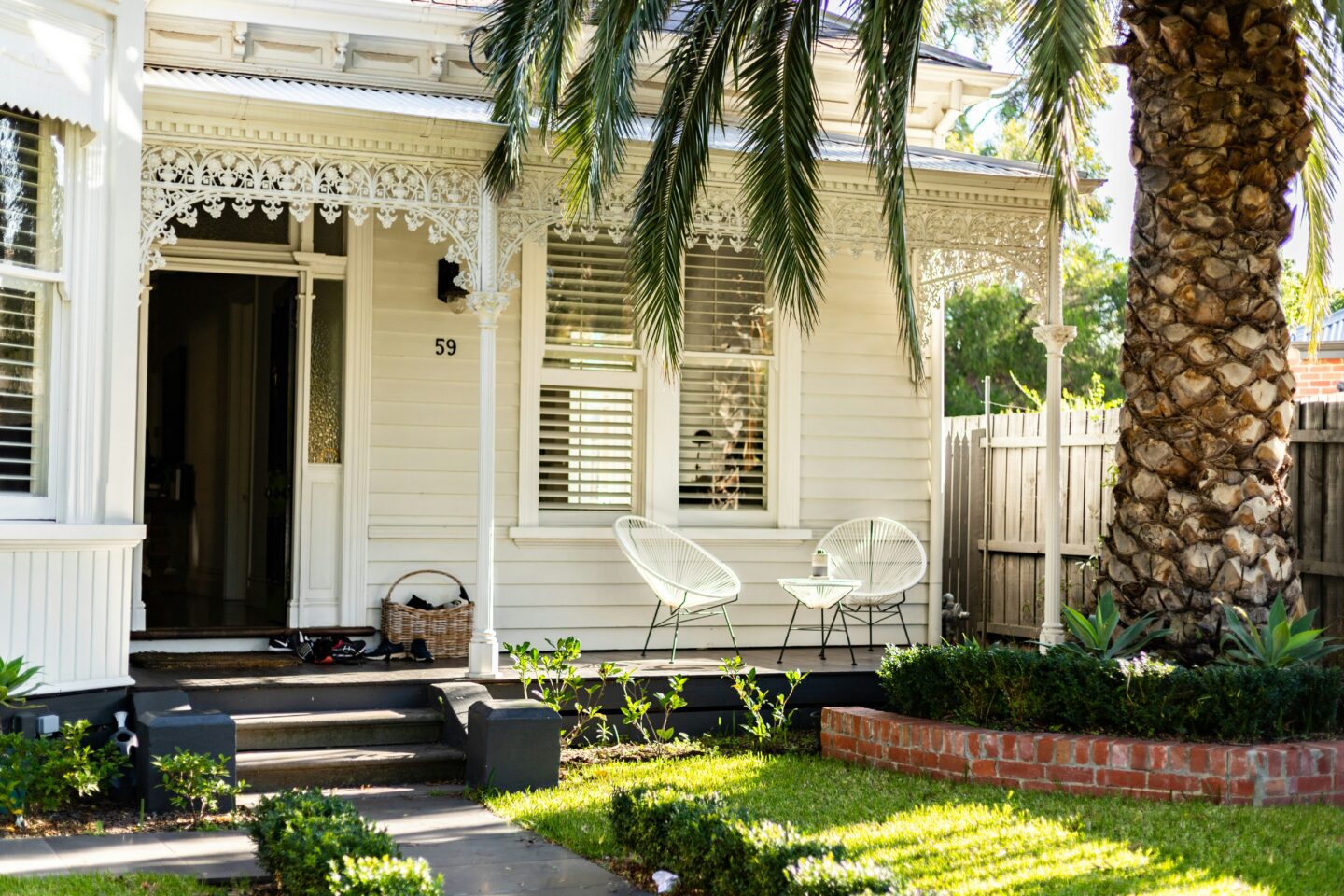
Automate Yard Care With Smarter Outdoor Systems
Automated outdoor systems simplify routine maintenance and help homeowners spend less time managing their yards. Instead of dragging hoses across the lawn or adjusting portable sprinklers every day, homeowners can rely on scheduled watering that delivers consistent coverage. This approach supports healthier grass and plants while also helping reduce unnecessary water waste. Many homeowners eventually realize that manual watering methods are not efficient enough to maintain a healthy landscape consistently, especially during warmer months when lawns and garden beds require steady hydration.
Uneven watering can lead to dry patches, stressed plants, and higher water bills, all of which make outdoor maintenance more frustrating and time-consuming. Installing a professionally designed irrigation system allows homeowners to maintain healthier landscapes while reducing the need for constant monitoring and manual adjustments. If you are looking for sprinkler system installation services, there are many professionals who have years of experience. Working with experienced professionals also helps ensure the system is properly designed to match the layout and specific watering needs of the property.
Reduce Maintenance With More Hardscaping And Less Turf
Large lawns may look appealing, but they usually require significant upkeep throughout the year. Regular mowing, edging, watering, and fertilizing can quickly consume valuable time and increase maintenance costs. Reducing the amount of turf in a yard helps homeowners create a cleaner and more manageable outdoor space. Patios, stone walkways, gravel paths, and decorative pavers all provide practical alternatives that require much less attention.
Hardscaping also improves the functionality and visual structure of an outdoor area. Well-placed seating areas, retaining walls, and pathways create organized spaces that are easier to maintain and enjoy. These features reduce muddy areas, improve drainage, and minimize wear on natural grass. A balanced mix of hardscaping and greenery allows homeowners to maintain curb appeal without committing to constant yard work.
Select Native Plants And Perennials For Long-Term Simplicity
Native plants naturally adapt to local climate conditions, which makes them easier to maintain throughout the year. They often require less watering, fertilizer, and pest control compared to non native species. Homeowners who choose native landscaping can reduce routine maintenance while still creating colorful and visually appealing outdoor spaces. Ornamental grasses, evergreen shrubs, and drought-tolerant flowers are popular choices for low-maintenance yards.
Perennials also provide long-term value because they return each season without requiring complete replanting. Unlike annual flowers, they reduce seasonal labor and lower landscaping expenses over time. Combining hardy perennials with native plants creates a landscape that remains attractive with minimal effort. This strategy allows homeowners to enjoy a polished outdoor environment without spending every weekend on maintenance tasks.
Keep Garden Beds Cleaner With Mulch And Weed Prevention
Mulch plays an important role in reducing outdoor maintenance while helping landscapes look neat and organized. It helps the soil retain moisture for longer periods, which reduces the need for constant watering during warmer seasons. Organic mulch materials such as bark and wood chips also improve soil quality as they break down over time. Homeowners can maintain healthier plants while spending less time managing dry soil conditions. Mulch also helps regulate soil temperature, which protects plant roots during both hot summers and cooler weather conditions.
Weed control becomes much easier when mulch is applied correctly around plants and garden beds. A thick mulch layer blocks sunlight from reaching unwanted growth, which limits the spread of weeds throughout the yard. Decorative stone mulch can also provide a clean appearance while requiring very little upkeep. Homeowners who refresh mulch periodically can maintain a more polished and organized landscape throughout the year. With fewer weeds to remove, outdoor spaces stay attractive without demanding constant attention.
Choose Durable Outdoor Materials That Require Minimal Care
Selecting durable materials helps homeowners reduce long-term repair and maintenance costs. Composite decking, stone pavers, and weather-resistant furniture all provide strong performance while requiring less upkeep than traditional materials. These surfaces resist fading, cracking, and moisture damage more effectively, which helps outdoor spaces maintain their appearance over time. Investing in quality materials also minimizes the need for frequent replacements.
Low-maintenance features can improve convenience without sacrificing style or comfort. Built-in seating, gravel walkways, and concrete borders create a clean and structured appearance while remaining easy to maintain. Easy-to-clean outdoor surfaces also save time during seasonal maintenance routines. Homeowners can also reduce maintenance demands by selecting outdoor furniture designed to withstand changing weather conditions.
Follow A Simple Seasonal Maintenance Routine
Even low-maintenance outdoor spaces benefit from occasional seasonal care. Spring is a good time to inspect irrigation systems, remove debris, refresh mulch, and trim damaged branches. These small tasks help prepare the yard for warmer weather and support healthy plant growth throughout the season. Regular inspections can also prevent small landscaping issues from becoming larger repair problems later. Consistent seasonal upkeep helps preserve the overall appearance and functionality of the outdoor space.
Summer and fall maintenance should focus on preserving the overall condition of the outdoor space. Homeowners can monitor drainage, trim overgrown plants, and clean hardscape surfaces as needed. Preparing landscaping for seasonal temperature changes also helps protect plants and outdoor materials from unnecessary stress. Checking outdoor lighting, pathways, and seating areas throughout the year can also improve safety and long-term durability. A simple routine completed throughout the year keeps the yard attractive without creating a demanding maintenance schedule.
Thanks for stopping by!
Magda
xoxo
<3