Large breed dogs have different nutritional needs than their smaller counterparts, yet many owners feed them using the same guesswork that works fine for a ten-pound terrier. The result is often subtle but persistent: dogs that gain weight too quickly, joints that wear down earlier than they should, or digestive issues that never quite resolve.
This article breaks down the most common feeding mistakes large-breed owners make and offers practical adjustments to support healthier growth and long-term joint health. None of this requires a complicated diet overhaul, just a clearer understanding of what large breed dogs actually need.
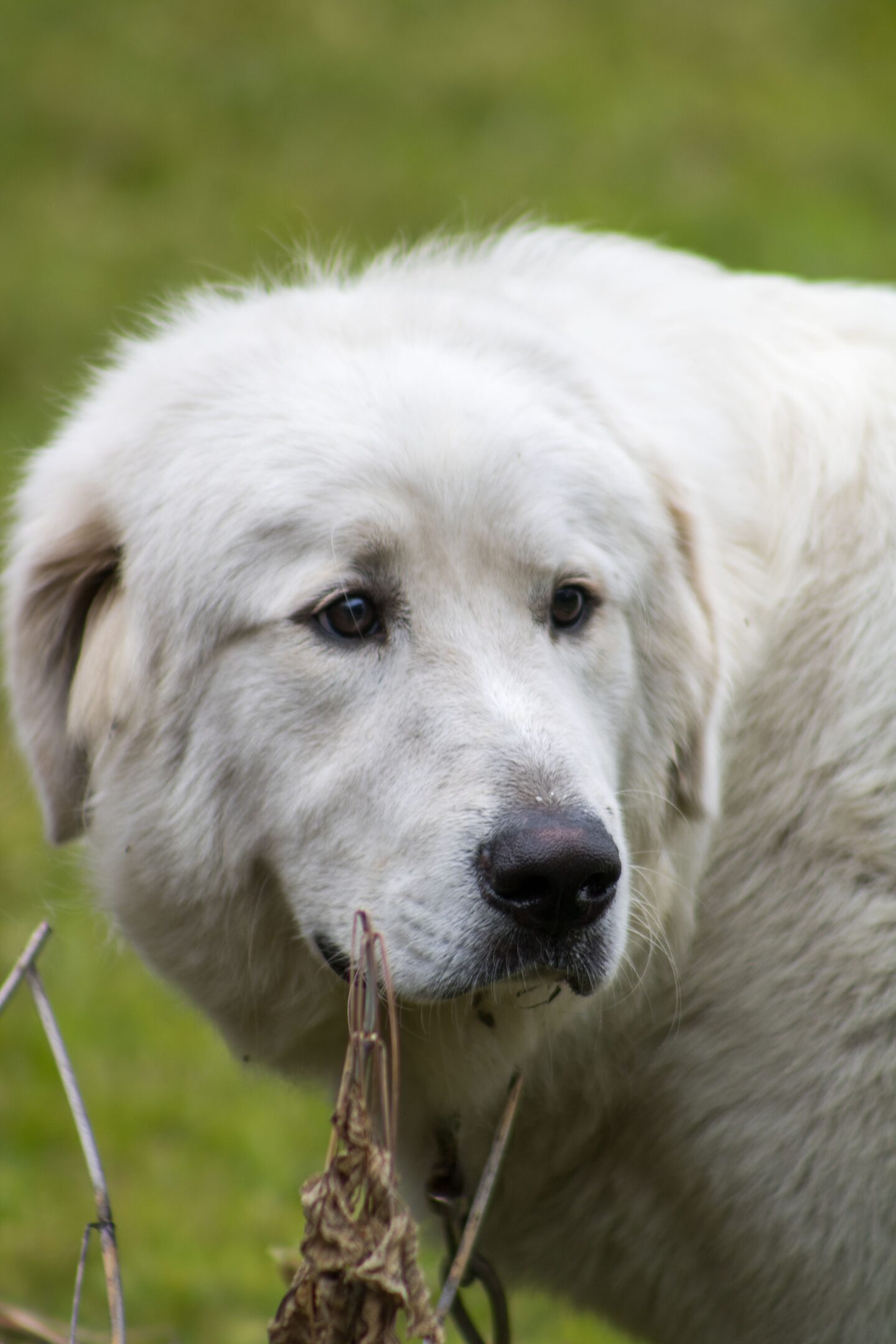
Overfeeding During The Growth Phase
Large-breed puppies grow fast, and it is tempting to assume that more food means faster, healthier growth. In reality, rapid weight gain during the first year places extra stress on developing bones and joints, which can contribute to problems later in life.
- Growth Rate Matters More Than Size: A slower, steadier growth curve is generally better for large breed joints than a rapid growth spurt.
- Extra Calories Are Not Extra Health: Puppies fed to grow quickly do not end up healthier adults, only heavier ones sooner.
- Weight Checks Help Catch Issues Early: Regular weigh-ins during the first year make it easier to notice if a puppy is gaining too fast.
Portion accuracy becomes especially important here, and a dedicated feeding guide can help. Fresh food brands, such as those found at californiadogkitchen.com, typically offer feeding calculators and clearly labeled portions, which remove much of the guesswork that leads to overfeeding in the first place.
Guessing At Portion Sizes Instead Of Measuring
Eyeballing a scoop of food is one of the most common mistakes across all dog sizes, but the consequences are larger for a ninety-pound dog than a fifteen-pound one. A small daily overestimate compounds into a noticeable weight problem over several months.
Why Precise Portions Matter More for Large Breeds
- Small Errors Scale Up: An extra half-cup of food matters far less for a small dog than it does for one over seventy pounds.
- Joint Stress Increases With Excess Weight: Every additional pound puts more pressure on the hips, knees, and spine, especially in large-breed dogs.
- Consistent Portions Support Digestion: Dogs fed the same measured amount daily tend to have more predictable digestion and stool quality.
Feeding fresh, portioned food can simplify this process considerably. For example, some fresh food products come in pre-measured frozen cubes, with general guidance of one four-ounce cube for every ten pounds of body weight per day. A forty-pound dog would eat roughly four cubes daily under that guideline, with adjustments for puppies, pregnant or nursing dogs, or dogs that gain or lose weight during the first couple of weeks on a new diet.
Choosing Low-Quality Protein Sources
Not all protein on a dog food label is created equal. Large-breed dogs, particularly those still growing or with high activity levels, benefit from protein sources that are easy to digest and free of unnecessary fillers.
- Ingredient Origin Matters: Meat meals and by-products vary widely in quality depending on the source and processing method.
- Whole Proteins Support Lean Muscle: Dogs generally digest and use whole-food proteins more efficiently than heavily processed protein sources.
- Variety Helps Identify Sensitivities: Rotating between different protein sources, such as venison, fish, chicken, or lamb, can help owners pinpoint food sensitivities more easily than sticking to a single protein for years.
California Dog Kitchen, for instance, uses proteins including wild-hunted venison, wild-caught fish, Certified Organic chicken, and Australian lamb, giving owners several whole-protein options to rotate through or choose from based on a dog’s individual needs.
Overlooking Food Allergies And Sensitivities
Large-breed dogs are not immune to food allergies, and symptoms are often mistaken for unrelated issues such as seasonal allergies or joint stiffness. Persistent itching, chronic ear infections, and soft stool can all point back to an ingredient in the dog’s daily food.
Signs Worth Watching For
- Skin and Coat Changes: Excessive scratching, redness, or a dull coat can indicate a food sensitivity rather than an environmental one.
- Digestive Inconsistency: Recurring soft stool or gas, especially after a food switch, is often diet-related.
- Repeated Ear Infections: Chronic ear issues are frequently linked to food allergies rather than purely environmental causes.
Owners managing a dog with suspected food sensitivities often look for grain-free or chicken-free formulas to rule out common triggers. Having allergy-friendly options available makes this elimination process considerably easier than starting from scratch with an unfamiliar brand.
Ignoring Life-Stage And Activity-Level Adjustments
Feeding a large breed dog the same amount and formula throughout its entire life ignores how dramatically its needs change from puppyhood through the senior years. Nutritional needs established for adult maintenance are not the same as those required for growth, pregnancy, or high physical activity.
- Puppies Need More Energy for Growth: Growing large-breed puppies generally require more calories relative to their body weight than adult dogs to support healthy growth. Feeding amounts should be adjusted according to their age, size, activity level, body condition, and the manufacturer’s feeding guidelines.
- Pregnant and Nursing Dogs Have Elevated Needs: Extra calories and nutrients support both the mother and her litter during these periods.
- Senior Dogs Often Need Fewer Calories: Slower metabolism and reduced activity mean senior large-breed dogs may need smaller portions to avoid excess weight gain.
Formulas designed to meet nutritional standards across all life stages, including growth for large-sized dogs reaching seventy pounds or more as adults, can simplify this transition without requiring owners to switch brands every time their dog reaches a new stage of life.
Storing And Handling Fresh Food Incorrectly
Fresh, minimally processed dog food requires different handling than shelf-stable kibble, and mishandling it can affect both quality and safety. Dogs eating fresh food benefit most when storage guidelines are followed closely.
- Keep It Frozen Until Ready to Use: Fresh food should remain frozen and only be defrosted in the refrigerator shortly before feeding.
- Use Defrosted Food Within a Few Days: Once thawed, fresh food is typically best used within about five days to maintain quality.
- Avoid Handling Dry Ice Directly: Frozen shipments often arrive packed with dry ice, which can cause burns if touched directly and should be handled with care.
Paying attention to these details helps preserve the nutritional integrity of fresh food and keeps mealtime both safe and consistent for large breed dogs.
Conclusion
Feeding a large-breed dog well comes down to a handful of consistent habits: measuring portions accurately, choosing high-quality protein, watching for signs of food sensitivity, and adjusting for life stage rather than feeding the same way indefinitely. None of these changes require drastic action, just more intentional choices at mealtime. Owners who take the time to get these details right often see the payoff in steadier weight, better digestion, and stronger joint health over the course of their dog’s life.
Thanks for stopping by!
Magda
xoxo
This article is for informational purposes only and is not intended as veterinary advice. Always consult your veterinarian before making significant changes to your dog’s diet, particularly if your dog has a medical condition or special dietary needs.
<3