Owning a classic car is a unique passion. It’s more than just getting from A to B; it’s about preserving a piece of motoring history, enjoying the thrill of a pure driving experience, and turning heads wherever you go. But these beautiful machines need special care to stay in pristine condition. Protecting your classic car is a commitment, but with the right knowledge and routine, and following a few proven preservation practices, you can ensure it remains a source of joy for many years to come.
This guide will walk you through the essential steps to protect and preserve your classic car, from daily checks to long-term storage solutions.
The Foundation: Regular Maintenance And Checks
Unlike modern vehicles that can go thousands of miles between services, classic cars thrive on regular attention. Consistent maintenance is the most important thing you can do to preserve its value and reliability. Creating a simple, repeatable routine is key.
Start with the basics. Regularly check all vital fluids: engine oil, coolant, brake fluid, and transmission fluid. Low levels or discoloured fluids can be early warning signs of a leak or a more serious problem. Pay close attention to what’s happening underneath the car. A small drip on your garage floor is much easier to fix than a major failure on the road.
Tyres are another critical area. Even if you don’t drive many miles, rubber degrades over time. Inspect your tyres for cracks, bulges, and flat spots, and make sure they’re inflated to the correct pressure. Don’t forget the brakes and electrical systems. A quick check of your lights before every drive is a good habit, and you should regularly test your brakes in a safe area to ensure they are responsive. Following a structured checklist of classic car maintenance tips can help you stay organised and make sure you don’t miss anything crucial.
Protecting Your Investment On The Road
The joy of a classic car is driving it, but the open road also brings risks. Protecting your vehicle while you’re using it involves careful driving and having the right safety net. Be mindful of modern traffic; other drivers might not be used to a classic car’s longer braking distances and different handling. Avoid harsh acceleration and braking, which puts unnecessary strain on original components.
Weather is another major consideration. While getting caught in a light shower is sometimes unavoidable, it’s best to avoid taking your pride and joy out in heavy rain, snow, or salty winter conditions. Road salt is incredibly corrosive and can cause significant damage to the chassis and bodywork of older vehicles. If you do get caught out, make sure to rinse the underside of the car thoroughly as soon as you get home.
Part of this on-road protection is making sure you have the right coverage if something goes wrong. Standard car insurance policies often don’t recognise the unique value and repair needs of a historic vehicle. Choosing classic car insurance with features such as agreed value cover and support for repairs using appropriate parts can better reflect the needs of older vehicles. It also gives you greater peace of mind, knowing your car is protected in a way that matches its value whenever you’re out enjoying the drive.
The Art Of Cleaning And Detailing
Keeping your classic car clean is about more than just looks; it’s a fundamental part of preserving it. Dirt, road grime, and bird droppings can all contain contaminants that will eat away at paintwork if left unchecked. A gentle, regular washing routine is essential.
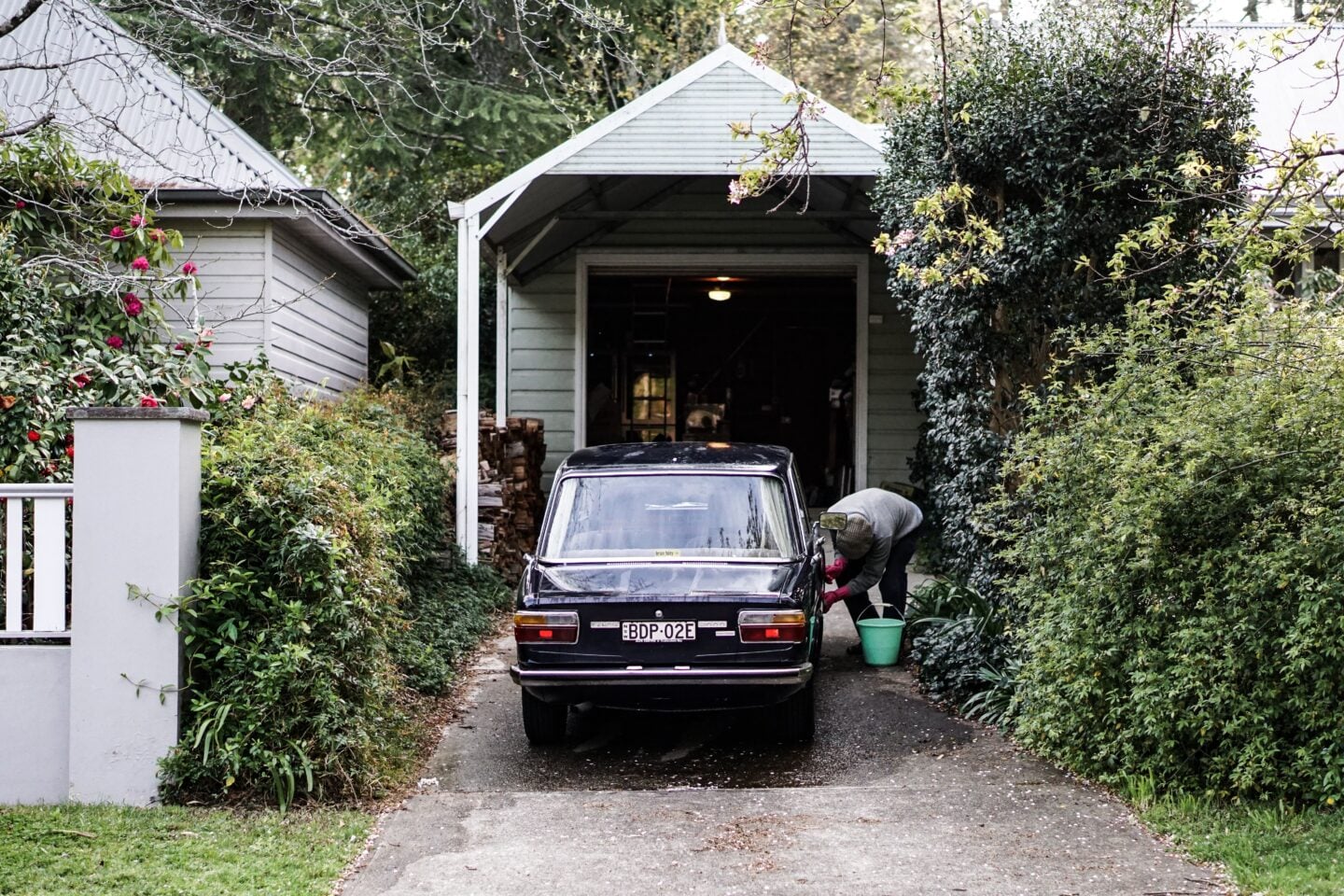
Avoid automatic car washes at all costs. Their harsh brushes and high-pressure jets are designed for modern clear coats and can easily scratch or damage the delicate paint on a classic. Instead, use the two-bucket method: one bucket with soapy water and one with clean rinse water for your wash mitt. This stops you from rubbing dirt you’ve just removed back into the paint. Use a pH-neutral car shampoo and soft microfibre mitts and towels. A guide to washing your classic car can provide a great step-by-step process.
After washing, applying a quality wax or sealant creates a protective barrier against the elements. It helps repel water and dirt and provides UV protection to stop the paint from fading. Don’t neglect the interior. Regularly vacuum the carpets and upholstery to remove grit that can wear down fibres. Treat leather seats with a conditioner to keep them soft and prevent cracking, and apply a UV protectant to dashboards and vinyl surfaces to prevent fading and brittleness.
Smart Storage Solutions
How you store your classic car greatly affects its long-term health, especially for vehicles that aren’t driven daily. The ideal storage environment is a dry, secure, and temperature-controlled space, but a well-prepared home garage can also work very well. The main enemy in storage is moisture, which leads to rust and mould. If your garage is prone to damp, consider investing in a dehumidifier.
For long-term storage, there are a few extra steps. It’s wise to fill the fuel tank to prevent moisture from condensing inside and causing rust. Adding a fuel stabiliser will stop the petrol from degrading. A full oil change before storage is also recommended, as old oil contains contaminants that can damage engine components over time. Disconnecting the battery, or using a trickle charger, will prevent it from going flat.
Finally, cover the car with a soft, breathable car cover. Avoid plastic or non-breathable tarps, as they can trap moisture against the bodywork, causing more harm than good. A purpose-made cover will protect the car from dust and scratches without trapping condensation. For those without a suitable garage, professional storage facilities can be an excellent option, offering secure, climate-controlled environments. Knowing how to store a classic car properly is a crucial part of ownership.
Navigating Modern Fuels And Fluids
One of the biggest modern challenges for classic car owners is fuel. Standard unleaded petrol in the UK now contains up to 10% bioethanol (E10). While this is fine for modern cars, it can damage older vehicles. Ethanol can corrode rubber and plastic components found in the fuel systems of many classics, such as hoses, seals, and gaskets.
It’s crucial to check if your vehicle is compatible with E10 fuel. The government provides an online checker, but for historic vehicles, it’s best to consult with a specialist or owners’ club. The Federation of British Historic Vehicle Clubs provides excellent guidance on fuels and their effects. If your car isn’t compatible, you’ll need to use the ‘super unleaded’ E5 grade of petrol, which has a lower ethanol content. In some cases, you may need to upgrade fuel lines to modern, ethanol-resistant materials for long-term peace of mind. Using a lead replacement additive may also be necessary for very old engines designed to run on leaded petrol, as it helps protect the valve seats from wear.
The same principle applies to other fluids. Using oils with the correct viscosity and additive packages for your engine’s era is vital. Modern synthetic oils are not always suitable for older engines, which were built with different tolerances and materials. Always follow the manufacturer’s original recommendations or seek advice from a trusted specialist.
Preserving a classic car is a labour of love that pays off with a driving experience that simply can’t be replicated. By being proactive with maintenance, thoughtful about how you drive and store it, and mindful of the products you use, you can ensure your piece of automotive history continues to run beautifully for generations.
Thanks for stopping by!
Magda
xoxo
<3