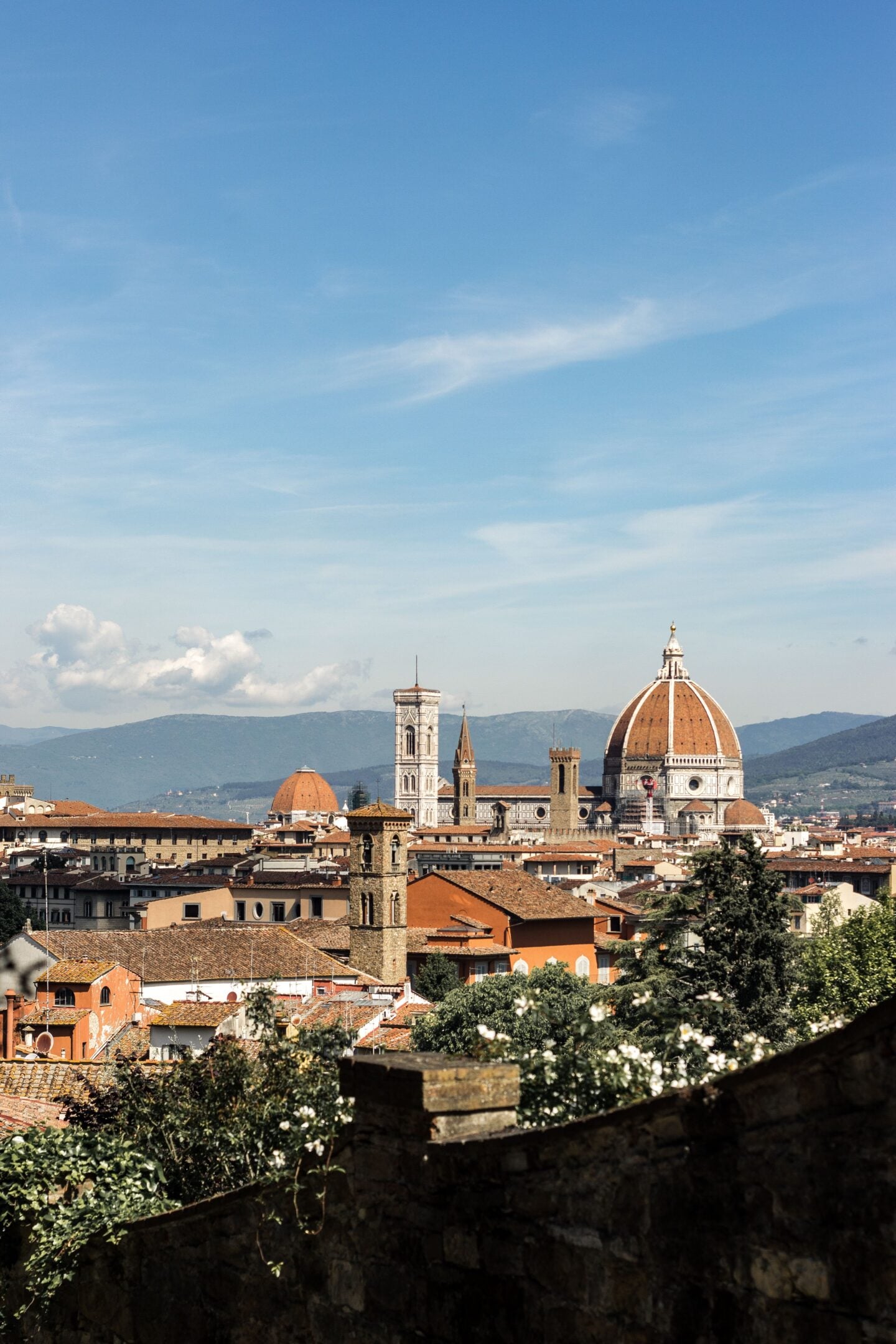
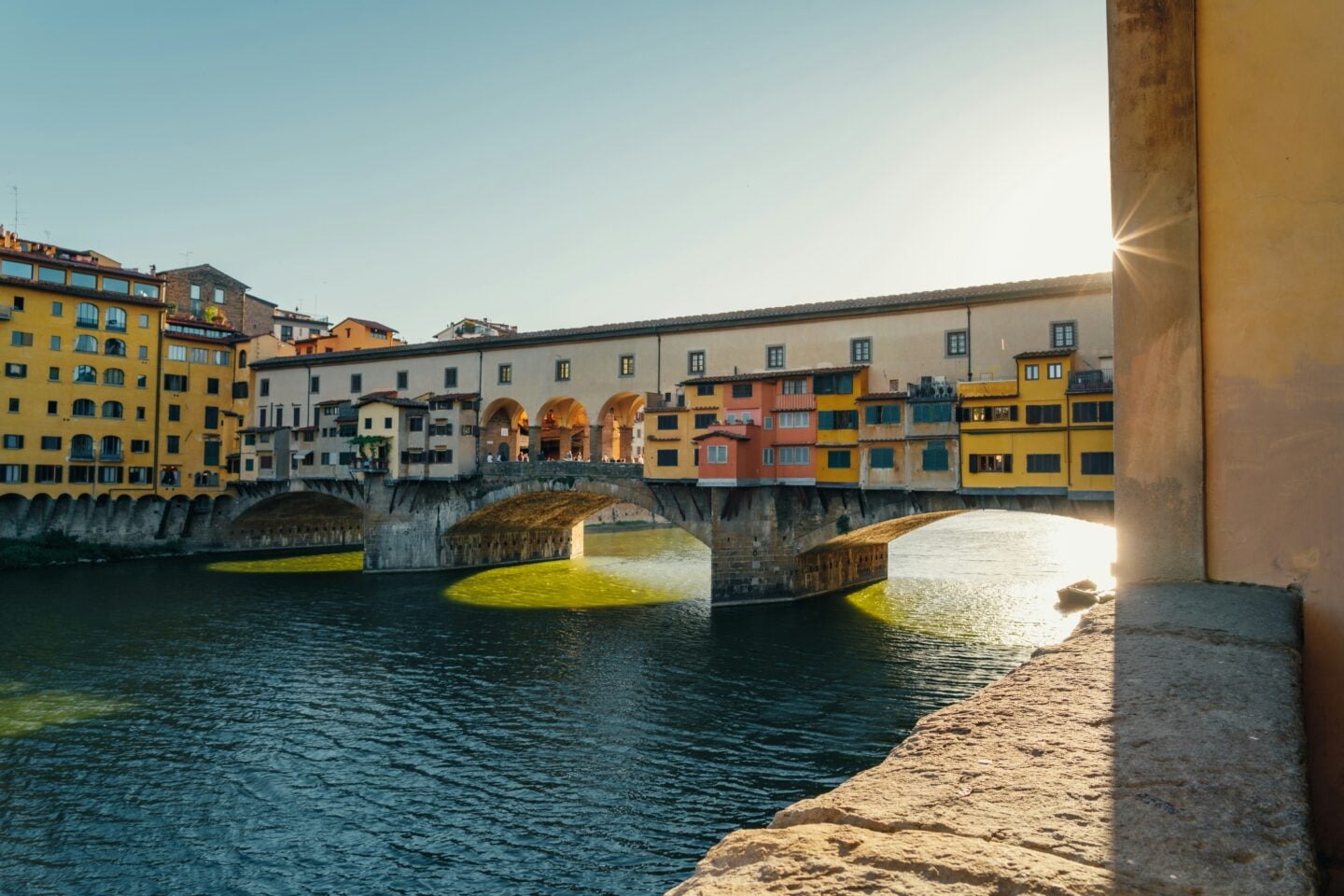
Florence has a way of dazzling you before you’ve had time to understand it. The Duomo rises above the rooftops like a painted dream, the Ponte Vecchio glows at sunset, and the Uffizi pulls you straight into the heart of the Renaissance. For many visitors, that first impression is enough to make the city unforgettable.
Yet Florence becomes even more fascinating after the obvious beauty settles. Step away from the busiest piazzas, slow your pace, and the city starts to feel more secretive, more textured, and far more alive. Its side streets, worn stone walls, hidden courtyards, and shadowed palace fronts reveal a Florence shaped by ambition, artistry, power, and centuries of quiet drama.
Start With The Famous Sights, Then Step Sideways
Florence’s headline attractions deserve their reputation. The Duomo, Piazza della Signoria, the Uffizi, and the Ponte Vecchio still have the power to stop you mid-step, even when the crowds are thick and the camera shutters never seem to pause.
The trick is to let those places be the beginning, rather than the whole story. If Florence forms part of a wider 3 days in Tuscany itinerary, it can be tempting to skim the city quickly before moving on to vineyards, hill towns, and countryside views. Stay a little longer in the streets around the famous landmarks, though, and Florence starts to shift from postcard-perfect to quietly revealing.
A side lane near a packed piazza can feel like a different city within minutes. Stone coats of arms appear above doorways, shuttered windows lean over narrow streets, and old palace walls seem to hold back stories that never made it into the museum labels. That’s where Florence begins to feel less like a list of masterpieces and more like a living city with a memory.
Follow The City’s Medici-Era Shadows
Within the Historic Centre of Florence, beauty often comes with a hint of strategy. The city’s Renaissance grandeur wasn’t accidental. It grew through money, patronage, rivalry, and the careful shaping of public image, with the Medici family leaving marks that still sit in plain sight.
Look at Florence this way and the streets become more intriguing. A palace façade is no longer just elegant stonework. A chapel is no longer only a quiet place to escape the crowds. Even a narrow lane between major landmarks can start to feel charged with old alliances, ambitions, and secrets.
That atmosphere is part of what makes Florence so compelling after the first glance. Its most polished corners often have a darker edge, as if the city knows exactly how much drama sits behind all that symmetry and grace.
Choose Streets Over Shortcuts
Florence is best understood on foot, especially when you stop treating walking as the space between attractions. The city changes in the details: a faded fresco above a doorway, a carved symbol on a corner, a sudden glimpse of terracotta roofs at the end of a narrow street.
This is where a slower approach pays off. Travellers who want the city to feel layered rather than rushed can experience Florence through Medici-era streets, artisan quarters, and local stories that make the past feel close enough to touch.
Some of the most memorable moments happen when there’s no grand reveal. A quiet street near Palazzo Medici Riccardi, a shadowed passage close to Piazza della Signoria, or a workshop window in Oltrarno can say more about Florence than another hurried photo stop. The city rewards attention, and it rarely gives everything away at once.
Look For Beauty In The Quieter Corners
The quieter parts of Florence don’t ask for attention in the same way as the major landmarks, which is exactly why they feel so rewarding. Wander early in the morning and the city softens. Shopkeepers lift shutters, church doors open to cool interiors, and the first light catches stone façades before the streets fill.
Oltrarno is especially good for this slower mood. Across the river, Florence feels more lived-in, with artisan workshops, smaller squares, antique stores, and cafés where the pace drops. It’s still beautiful, but less polished, which makes it easier to notice the texture of daily life.
Small churches, tucked-away courtyards, old door knockers, worn steps, and quiet river views can stay with you as strongly as the famous masterpieces. Florence has plenty of spectacle, but its subtler corners often make the city feel personal.
Let Florence Feel A Little Mysterious
Part of Florence’s magic is that it never feels fully explained. The city is graceful, but it has an edge. Behind the marble, frescoes, and golden evening light, there are stories of power, family rivalry, private ambition, and influence carefully dressed as beauty.
That tension gives Florence its depth. A grand palace can feel imposing rather than pretty. A quiet chapel can carry the weight of old devotion and political display. Even the famous Vasari Corridor, stretching above the city between palace and river, adds to the sense that Florence has always had visible and hidden routes running side by side.
Letting a little mystery remain makes the city more memorable. Florence doesn’t need to reveal every secret to leave an impression.
Let The City Set The Pace
The best way to see Florence after the first glance is to leave space in the day. Choose one area instead of crossing the city repeatedly. Visit a major museum, then balance it with a slow walk, a quiet lunch, or time beside the Arno when the light begins to fade.
Florence becomes richer when it isn’t packed into a rigid schedule. Go early when the streets are still cool, pause in small squares without checking the next stop, and let the city’s details catch your attention naturally.
That’s when Florence lingers. Long after the famous views have blurred together, you remember the shadow of a palace wall, the hush of a side street, and the feeling that the city still had more to say.
The Florence That Stays With You
Florence is unforgettable at first glance, but it becomes far more powerful when you stop chasing only the obvious. Its beauty is easy to admire from a crowded square. Its character takes longer to notice.
Give the city that time and it starts to feel layered in a way few places do. A street becomes a story. A palace becomes a clue. A quiet corner becomes the part of the trip you think about later, when the grander sights have softened into memory.
That is the Florence that stays with you: elegant, mysterious, and full of quiet secrets waiting beyond the first glance.
Thanks for stopping by!
Magda
xoxo
<3