Buying a ring set sounds simple on paper. Pick an engagement ring, add a band, done. Then you actually start shopping, and every set either costs more than you budgeted or doesn’t quite match the way you pictured it. Getting two rings to sit together well on the same finger, without one overpowering the other, takes more thought than you’d think going in.
Several factors combine to make a set good value: pricing, materials, diamond quality, how the two pieces are designed to fit together, comfort for daily wear and durability over the years. We’ll walk through what to look for on a modest budget without settling for something that looks cheap.
What Makes A Set “Matching” In The First Place
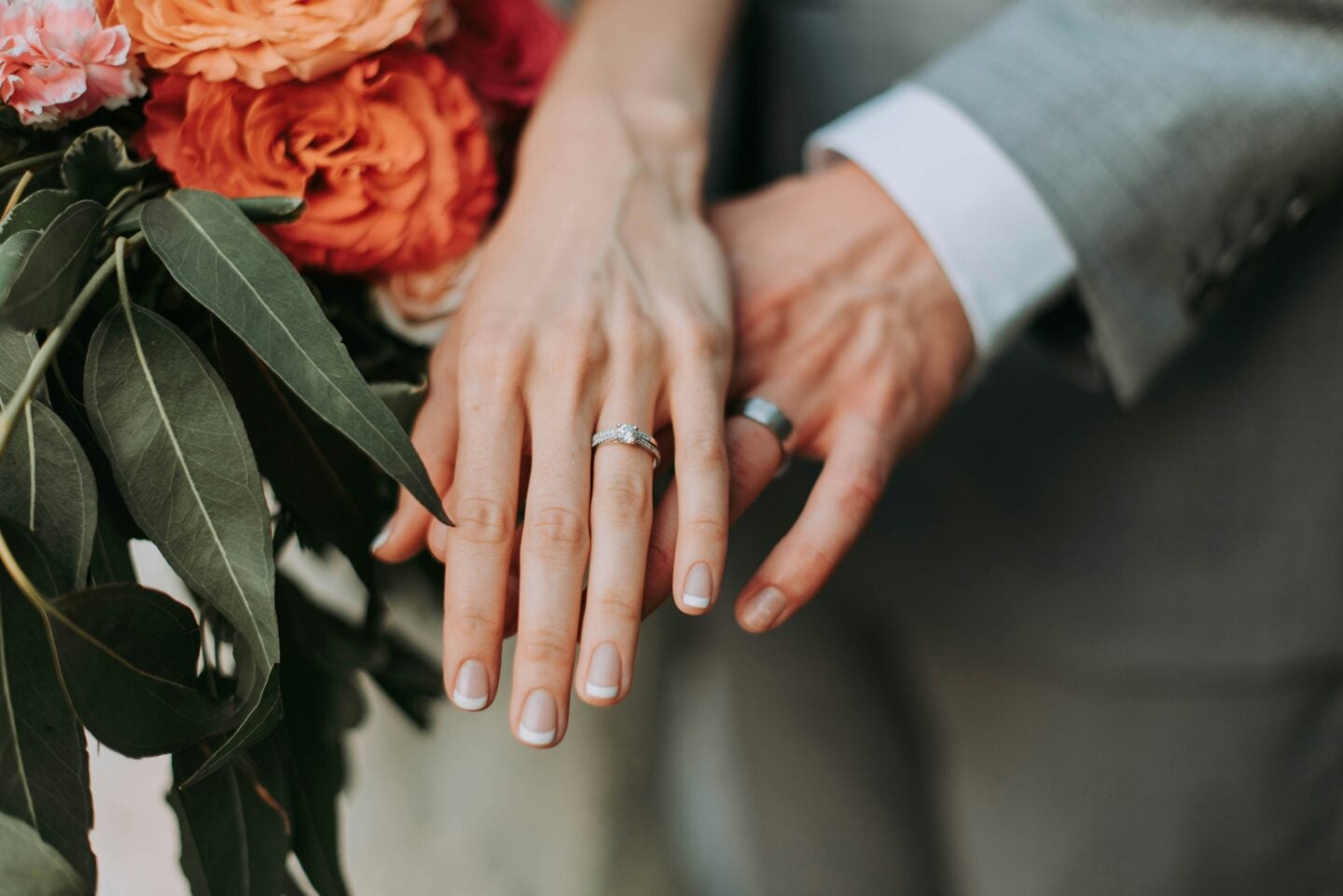
Before you even start comparing prices, it helps to know what separates true womens wedding ring sets from two rings that just happen to be sold together. A genuinely matching set shares metal tone, band width, and prong style, so the two rings sit flush against each other, no gap, nothing awkward. Some sets go a step further, with the wedding band cut to curve right around the engagement ring’s setting.
Best Brilliance designs its sets with that fit in mind from day one, rather than pairing rings that were made separately and just happen to look similar in a photo. You’ll notice the difference the second you try wearing two mismatched bands together. Gaps and uneven heights are hard to miss once they’re actually on your hand.
Materials That Balance Cost And Longevity
Metal choice affects price a lot more than most buyers expect going in. Platinum costs the most, but it resists tarnishing and holds its shape for decades. White gold looks similar for less money, though it needs occasional rhodium replating to keep that bright finish. Yellow and rose gold skip the plating issue entirely, and they’re usually a bit friendlier on the wallet too.
For a modest budget, 14k gold tends to be the sweet spot. It holds up better than 18k for everyday wear, since it’s alloyed with harder metals, and it costs noticeably less. Best Brilliance offers most sets in both 14k and 18k, so you can compare that price gap directly before deciding.
Diamond Quality Without Overpaying
The biggest lever for staying on budget is diamond quality, specifically color and clarity grades that don’t matter much to the naked eye. A diamond graded G-H in color and SI1 in clarity looks nearly identical to a higher grade once it’s set. Costs a lot less too. Save the higher grades for bigger center stones, where flaws are actually easier to spot.
Lab-grown diamonds are worth a look here as well, since they run 60 to 80 percent cheaper than mined stones of the same grade. That gap alone can free up room in your budget for a nicer setting, or a slightly bigger center stone, without pushing the total price up.
Comfort For Two Rings Worn Together
Comfort tends to get ignored until both rings are on your hand every single day. A curved or contoured wedding band, shaped to hug the engagement ring’s setting, sits a lot better than a straight band forced against an irregular shape. Comfort-fit bands, which curve slightly on the inside edge, also cut down on pressure points during long days of wearing both rings at once.
Best Brilliance builds several sets with contoured bands for exactly this reason, so the two rings function like one smooth unit instead of two separate pieces fighting for space on the same finger.
Durability For Daily Wear
Prong settings need occasional checking, since prongs loosen a bit over years of wear. Bezel and channel settings hold up with less maintenance, though you trade off some sparkle compared to an open prong setting. Best Brilliance offers both setting types across its sets, so you can weigh sparkle against maintenance before deciding which fits your daily routine better. Whatever you go with, a set worn daily should get checked by a jeweler once a year. Catch a loose prong or thinning metal before it turns into an actual problem.
What Actually Makes A Set Good Value
Good value isn’t the lowest price on the page. It’s a fair diamond grade, a durable metal, and a design that works as an actual pair, without paying extra for things that don’t change how the rings look or wear day to day. A modest budget can still land a well-made set, as long as you know where it’s fine to save (diamond grade, metal karat) and where it’s not (setting quality, how well the two bands actually fit together).
Final Thoughts
Finding a matching ring set on a modest budget comes down to knowing which corners are safe to cut and which ones aren’t. Focus on fit between the two bands, a diamond grade that looks great without the markup, and a metal that’ll hold up over years of wear. Best Brilliance covers all of this with sets built to work together from the start.
FAQ
What’s the most budget-friendly metal for a wedding set?
14k gold usually strikes the best balance between cost and durability, especially for something worn daily.
Should the engagement ring and wedding band be bought together?
Not required, but it makes confirming the fit and finish match a lot easier before you commit to both.
Do lab-grown diamonds work well in wedding sets?
Yes. They cost a lot less than mined diamonds of the same grade, which frees up budget for a better setting or bigger stone.
How often should a ring set be professionally checked?
Once a year is a fair standard, especially for prong settings, since those can loosen gradually with everyday wear.
Thanks for stopping by!
Magda
xoxo
<3