When you think about being fit and healthy, flexibility does not always get the attention it deserves. Strength, cardio and hitting a certain number of steps each day tend to dominate the conversation. Being able to move your body comfortably through a good range of motion can seem like a nice extra rather than something worth actively working on.
Yet flexibility plays a part in so many ordinary movements. It matters when you bend down to pick something up, reach for an item on a high shelf, turn around in the car or simply get up after sitting for a long time.
You certainly do not need to be able to do the splits or fold yourself into complicated yoga poses. For most people, the goal is much simpler: keeping the body mobile enough to move comfortably and confidently through everyday life.
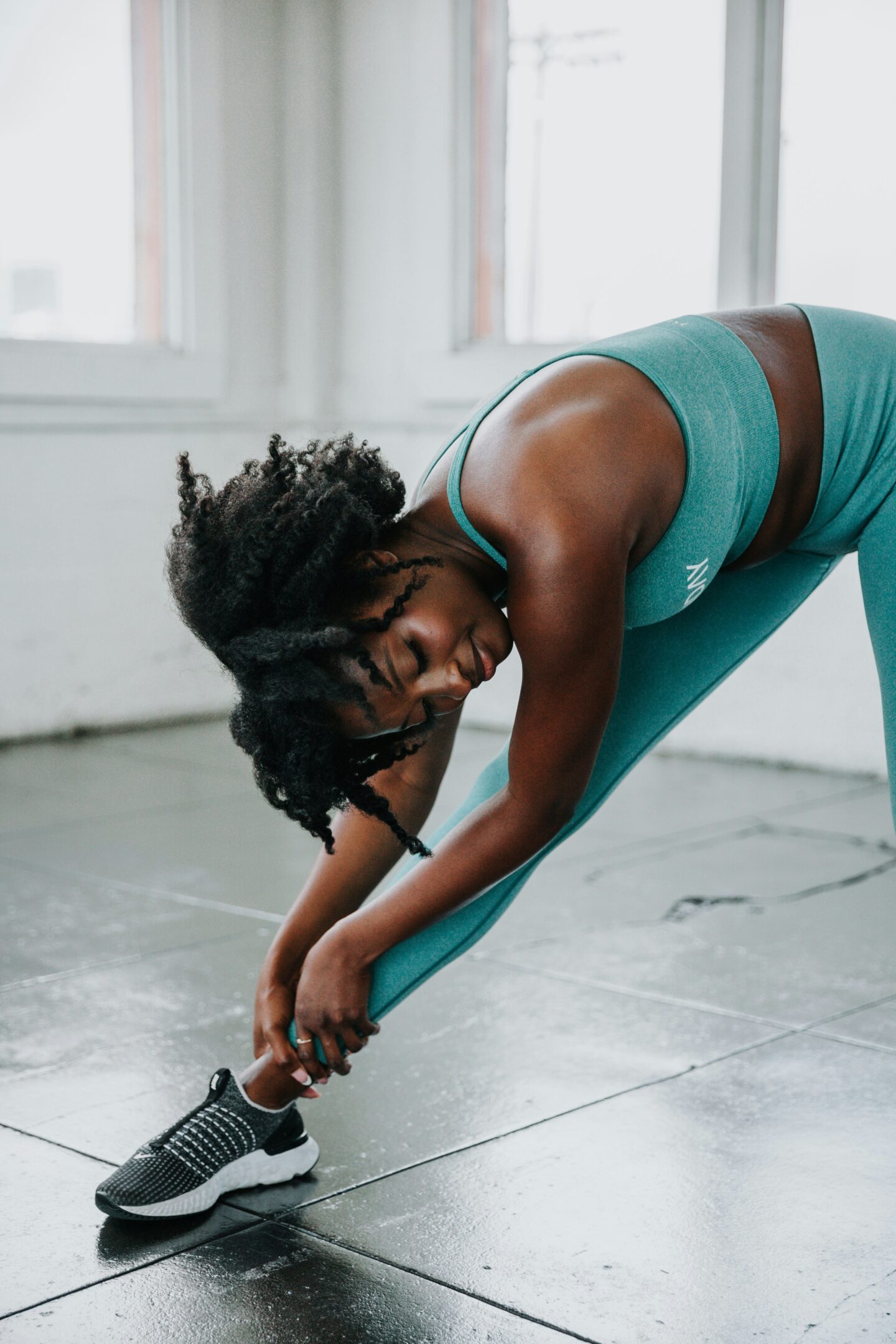
Source: Unsplash
What Does Being Flexible Actually Mean?
Flexibility is essentially about how freely your joints and the muscles around them can move through their available range of motion. Some people are naturally more flexible than others, and flexibility can also vary considerably between different parts of the same body. You might, for example, have flexible shoulders but tight hamstrings. Someone else may have excellent hip mobility but struggle to move comfortably through their upper back.
Age, genetics, activity levels and everyday habits can all influence how flexible you feel. Your job can make a difference too. If you spend hours sitting at a desk, certain areas may start to feel stiff simply because they are spending so much time in the same position. The good news is that flexibility is something you can work on gradually.
Flexibility Makes Everyday Movement Easier
One of the biggest reasons to care about flexibility has nothing to do with impressive fitness achievements. It is about making normal life feel easier. Think about how many times you bend, twist, reach, squat or stretch during an average day. Getting dressed, tying your shoes, carrying shopping, gardening and playing with children all ask your body to move in different directions.
When your movement feels restricted, some of those tasks can become more awkward than they need to be. Maintaining flexibility can help you move more freely and make it easier to stay active as the years go by. This becomes increasingly valuable with age. You might not care about touching your toes, but being able to reach down comfortably, move around the house and enjoy your favourite activities is a different matter entirely.
It Can Complement Your Other Workouts
Flexibility should not necessarily be treated as a completely separate part of fitness. It can sit alongside the exercise you already enjoy. Runners, cyclists and people who strength train can all benefit from paying attention to how their bodies move. Activities such as yoga and Pilates also combine controlled movement with strength, balance and body awareness.
If you prefer more individual guidance rather than following a large class, options such as Vive Fitness Private Pilates in London can offer a more personalised approach. This can be useful when you want exercises and movements to suit your own experience, ability and goals rather than trying to keep pace with everyone else. The important thing is finding something you actually enjoy enough to keep doing. Flexibility improves through consistency, not one heroic stretching session every few months.
Sitting All Day Can Leave You Feeling Stiff
Modern life is not always particularly kind to the body. Many people spend a large chunk of the day sitting down, whether that is at a desk, behind the wheel or on the sofa. There is nothing inherently wrong with sitting, but remaining in one position for long periods can leave you feeling stiff. Your hips, shoulders, neck and back may be especially keen to remind you that they would appreciate a little movement.
This is where small habits can make a surprisingly noticeable difference. You do not necessarily need a lengthy stretching routine. Standing up regularly, walking around, gently moving your shoulders or doing a few comfortable stretches can break up long periods of inactivity. Even a short movement break is better than waiting until the end of the day and wondering why your whole body suddenly feels reluctant to cooperate.
Flexibility And Mobility Are Not Quite The Same Thing
You will often hear the words flexibility and mobility used together, but they are not exactly interchangeable. Flexibility generally refers to how much your muscles and surrounding tissues can lengthen. Mobility is more about your ability to actively control movement around a joint.
Imagine lifting your leg. Being able to move it higher with assistance demonstrates flexibility, while being able to lift and control it through that range yourself involves mobility and strength as well. In everyday life, you generally want a useful combination of flexibility, mobility and strength. Being extremely flexible is not automatically better. The aim is to have enough range of movement for the things you need and want to do, along with the control to use that range comfortably.
You Do Not Have To Spend Hours Stretching
One reason people neglect flexibility is the assumption that it requires another full workout. It does not have to. A few minutes at a time can be much easier to fit into daily life. You could stretch after a walk, add some mobility work before exercise or spend a little time moving after you have been sitting for a while. Try not to turn it into another chore on an already crowded to-do list. Attach it to something you already do and it is more likely to become a habit.
It is also important not to force a stretch. You may feel gentle tension, but sharp pain is a sign to stop. If you have an injury, persistent pain or a health condition that affects movement, it is sensible to seek advice from an appropriate healthcare professional before changing your exercise routine.
Your Body Changes, So Your Routine Can Too
Your flexibility will not necessarily stay the same throughout your life, and that is completely normal. There may be periods when you are very active and others when work, family commitments, illness or simply life in general mean you move less. Instead of comparing what your body can do now with what it could do ten years ago, it is more helpful to work with where you are today.
That might mean starting with five minutes of gentle stretching. It might mean joining a Pilates class, taking up yoga or adding mobility exercises to your existing gym routine. The best approach is one that feels manageable and gives you a reason to come back tomorrow.
Flexibility Is About More Than Touching Your Toes
So, how important is flexibility for your body? It is certainly not the only part of physical fitness, but it deserves a place alongside strength, cardiovascular fitness and balance. You do not need to chase extreme ranges of motion or set yourself complicated goals. For most people, the real benefit is much more practical. It is about being able to bend, reach, turn and move through daily life with less restriction.
A little regular attention can go a long way. Your future self probably will not care whether you could ever do the splits, but it may be very grateful that you kept moving.
Thanks for stopping by!
Magda
xoxo
<3