Healthy-looking hair, comfortable skin and resilient nails often reflect everyday nutrition and lifestyle habits. Genetics, hormones, age and health conditions all have an influence, but regular meals, enough fluid and sensible personal care give your body the materials it needs for normal renewal. Visible changes take time, so a steady routine is more useful than a quick fix.

Image credit: Pexels
Understanding Beauty From Within
Skin, hair and nails may look very different, yet all three rely on nutrients delivered through the bloodstream. Skin constantly produces new cells and maintains a protective barrier, whilst hair follicles move through repeating cycles of growth and rest. Nails also grow continuously from the matrix beneath the cuticle.
A balanced diet provides protein, essential fats, vitamins and minerals that support these processes. Eating a varied range of whole foods usually works better than focusing heavily on one fashionable ingredient. For example, breakfast might include yoghurt, berries and oats, followed later by a lunch containing beans, whole grains and colourful vegetables.
Visible appearance can also offer clues about broader wellbeing. Persistent hair shedding, slow wound healing or changes in nail colour and texture deserve attention, particularly when they appear suddenly. A GP can check for possible causes such as iron deficiency, thyroid problems or medication side effects. Avoid diagnosing a deficiency from appearance alone because several conditions can produce similar symptoms.
Consistency matters too. Fingernails grow by roughly a few millimetres each month, whilst scalp hair generally grows around one centimetre per month. A meal eaten today won’t transform either by tomorrow. Give a balanced routine several months before assessing its effect, and take photographs in similar lighting if you want a realistic way to track gradual changes.
Key Nutrients For Radiant Skin
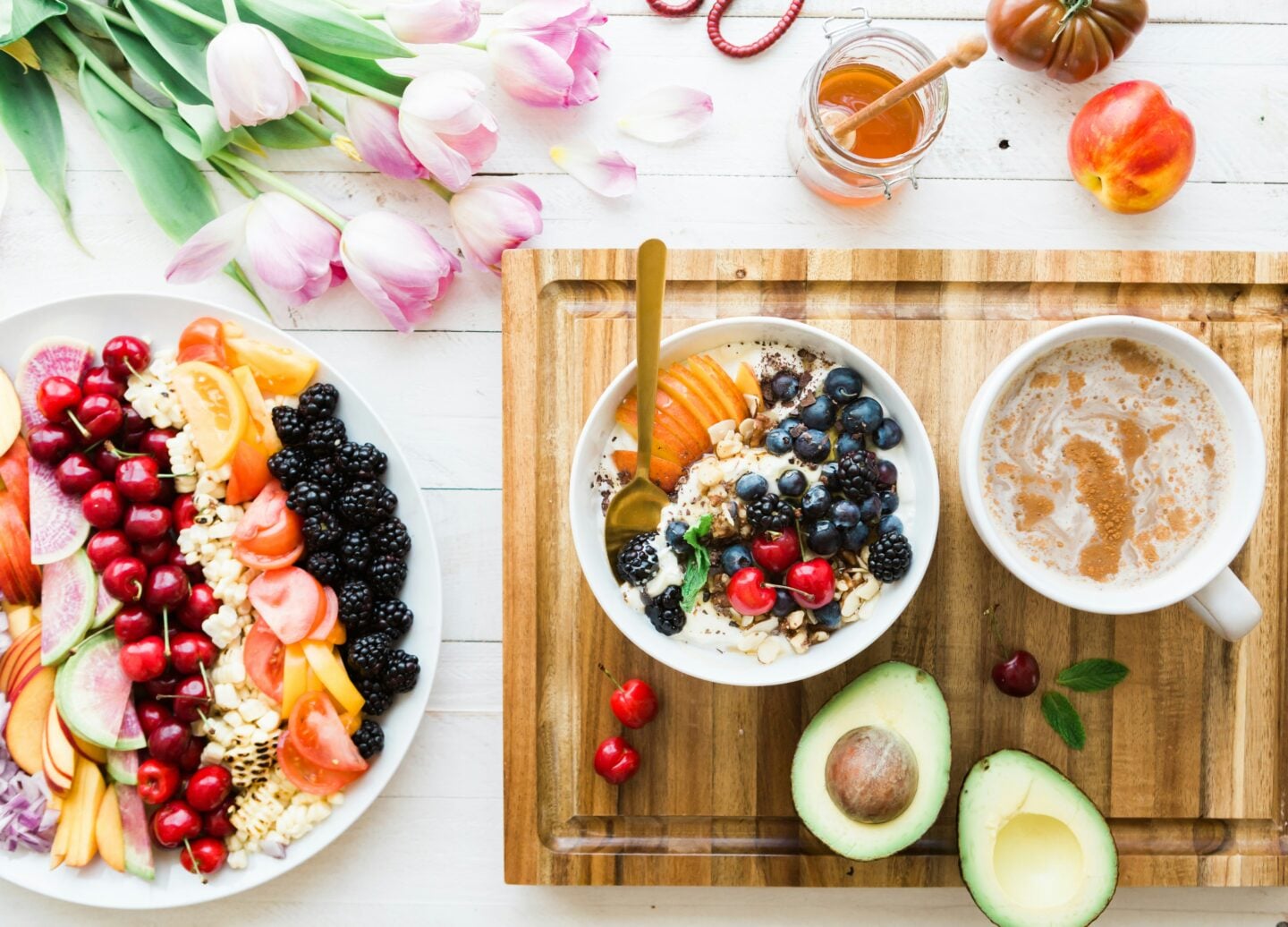
Image Credit: Unsplash
Start with protein, which supplies amino acids used throughout the body. Fish, eggs, dairy foods, tofu, beans and lentils can all contribute. Spreading protein across meals is practical for many people, especially if breakfast would otherwise consist of little more than toast or coffee.
Vitamin C supports normal collagen formation and also helps the body absorb iron from plant foods. Citrus fruit, strawberries, peppers, broccoli and potatoes are useful sources. Vitamin E and essential fatty acids contribute to normal skin function, so include foods such as seeds, nuts, avocado and oily fish where suitable. The American Academy of Dermatology’s nutrition guidance also stresses that people without a diagnosed deficiency should generally aim to obtain nutrients through a well-balanced diet.
Collagen is a structural protein found in skin and connective tissue. The body makes it from amino acids, but production changes with age and can be affected by sun exposure. Some women may choose a nutritionist-formulated supplement such as EatProtein Collagen Complex as part of an established food and self-care routine. Check the ingredient list, serving guidance and allergen information first and remember that supplements don’t replace varied meals.
Evidence on oral collagen is still developing. A review of collagen supplements suggests that some studies report improvements in skin hydration or elasticity, but study sizes, formulations and funding sources vary. Anyone who is pregnant, breastfeeding, taking regular medication or managing a medical condition should ask a pharmacist, dietitian or doctor before starting a new supplement.
The Secret To Stronger Hair And Nails
Hair and nails both contain keratin, a tough structural protein. Supplying enough dietary protein supports normal production, though eating excessive amounts won’t force faster growth. Most people can meet their needs through ordinary meals containing a mixture of animal or plant-based protein sources.
Iron deserves particular attention because low iron levels can be linked with tiredness and hair shedding. Red meat is one source, but lentils, chickpeas, fortified cereals, leafy greens and seeds also provide iron. Pairing plant sources with a vitamin C-rich food can improve absorption. Tea and coffee may reduce absorption when consumed alongside an iron-rich meal, so leaving a gap can help if low iron is a concern.
Zinc supports cell division and protein synthesis, whilst selenium contributes to the maintenance of normal hair and nails. Both are needed in small amounts. More isn’t necessarily better, and high-dose supplements can cause adverse effects or interfere with other nutrients. Blood tests and professional advice should guide treatment where a deficiency is suspected.
Daily handling matters as much as diet. Tight hairstyles may place repeated tension on the hairline, whilst frequent high-heat styling can leave strands brittle. Use a lower heat setting, avoid brushing soaked hair aggressively and choose a wide-toothed comb for detangling. For nails, wear gloves during prolonged cleaning or washing-up, moisturise the cuticles and file snags gently before they split further.
Give new habits enough time to show. A damaged hair shaft can’t biologically repair itself once it has emerged from the follicle, although conditioners can make it feel smoother. Healthier handling protects new growth, and nail improvements become visible as the fresh plate gradually moves from the base towards the tip.
Hydration And Lifestyle Habits
Drink regularly across the day and use thirst, activity level and urine colour as practical guides. Fluid requirements vary with body size, weather, exercise, pregnancy and diet. The NHS hydration advice recommends six to eight cups or glasses of fluid as a general guide, with more often needed during physical activity or hot weather.
Water supports normal circulation and temperature control, but drinking extreme quantities won’t erase lines or cure dry skin. External care remains valuable because the skin barrier limits water loss. Apply an unperfumed moisturiser shortly after bathing, when skin is still slightly damp, and keep showers comfortably warm. Very hot water and harsh cleansers may remove protective oils. Water hardness and residual disinfectants can affect how hair and skin feel too, as this guide to how shower water quality impacts your skin and hair explains.
Sleep and stress can also show on the surface. Aim for a regular bedtime, allow time to wind down and seek support if stress regularly disrupts sleep or appetite. Outdoors, use shade, clothing and broad-spectrum sun protection because ultraviolet exposure contributes to premature skin ageing. Reapply sunscreen according to its directions, particularly after swimming or heavy perspiration.
Keep the routine manageable: balanced meals, steady hydration, gentle cleansing and protection from avoidable damage. If unexplained shedding, inflamed skin or altered nails persist, book a medical appointment instead of adding several products at once. A simple routine makes it easier to notice what helps and gives fresh hair, skin and nail growth the stable conditions it needs.
Thanks for stopping by!
Magda
xoxo
<3
This article is for general informational purposes only and is not intended as medical or nutritional advice. Always consult a qualified healthcare professional if you have concerns about your health, diet, or the use of supplements.