Getting dressed for a wedding is much easier when the decisions happen in the right order. Start with the invitation and the venue, then look for a wedding guest dress that suits both. Shoes, jewelry, and layers can follow from there.
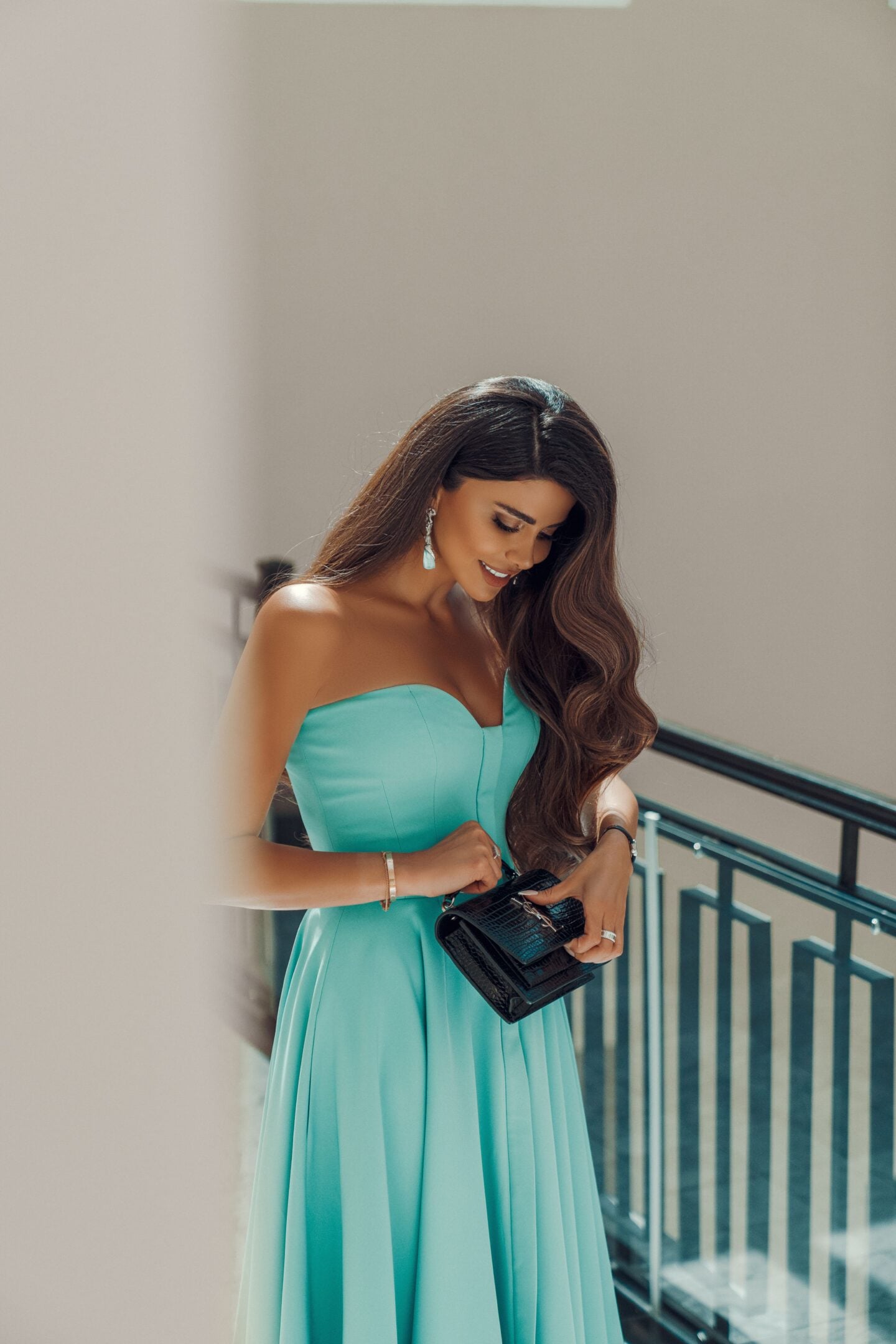
Image credit: Pexels
Check The Invitation First
The invitation is the best source of information. Look for the dress code, the start time, and the location.
Common dress codes include:
- Black tie: a floor-length gown or a very formal evening look
- Formal: a long or midi dress in an elegant fabric
- Cocktail: a knee-length or midi dress, or a dressy jumpsuit
- Semi-formal: a polished dress, skirt set, or tailored separates
- Casual or garden: lighter fabrics and relaxed silhouettes
If the invitation doesn’t mention a dress code, check the wedding website or ask another guest what they plan to wear.
Think About The Venue
The setting affects almost every choice.
A church ceremony often calls for covered shoulders, so a wrap, jacket, or sleeved dress is helpful. Outdoor venues call for sturdy heels or wedges that won’t sink into the grass. Beach weddings suit lightweight fabrics and flat sandals, while historic hotels and ballrooms suit more formal silhouettes.
Weather matters too. A light layer for cool evenings or a cover-up for strong sunshine can make the day far more comfortable.
Match The Time Of Day
Daytime weddings generally suit softer colors, lighter fabrics, and simple jewelry. Evening weddings can handle deeper colors, richer textures, and more sparkle.
A long ceremony followed by a late reception is easiest to dress for with a versatile outfit. Choose a dress or jumpsuit with a clean shape, then change the accessories for the evening.
Choose Your Color Carefully
Colors that tend to work well include:
- Jewel tones such as emerald, sapphire, and burgundy
- Soft pastels for spring and summer
- Navy, which suits almost every season
- Floral prints for outdoor celebrations
White, ivory, and cream are usually best left to the couple. Very bright colors and heavy sequins can also compete with the wedding party at smaller or more traditional events, so consider the tone of the day before deciding.
Add Layers For Comfort
Wedding days involve changing temperatures, from chilly churches to warm dance floors.
A tailored blazer, a pashmina, or a lightweight wrap adds warmth without hiding the outfit. Choose a layer in a color that blends with the dress so the whole look stays cohesive.
For winter weddings, a coat that works with the silhouette is just as important as the dress itself.
Plan Shoes And Accessories
Comfort deserves as much attention as style. Wedding days involve a lot of standing, walking, and dancing.
Consider:
- Block heels or wedges for grass and cobblestones
- Flats packed in a tote for later in the evening
- A small clutch that holds a phone, lipstick, and tissues
- Jewelry that suits the neckline of the outfit
Keep accessories simple if the outfit has plenty of detail. A statement earring works best with a plain neckline, while delicate pieces suit embellished dresses.
Set A Budget Early
Decide how much to spend before browsing, and include shoes, accessories, and alterations in the total. A clear budget prevents last-minute choices and helps keep the process enjoyable.
Renting, borrowing, or choosing a piece that works for other occasions all stretch the budget further.
Prepare For Travel
Destination weddings and long drives add another layer of planning. Choose fabrics that resist wrinkles, such as crepe or jersey, and pack the outfit in a garment bag or fold it with tissue paper.
Steaming it on arrival usually removes any travel creases. Bring backup items such as safety pins, double-sided tape, and a spare pair of tights.
Think About Wearing It Again
A great outfit earns its place when it can be worn more than once. A classic silhouette in a versatile color can return at cocktail parties, dinners, and holiday events with different shoes, jewelry, and layers.
Before buying, imagine at least two other occasions for the outfit. If nothing comes to mind, keep looking.
Prepare Hair And Makeup
Plan hair and makeup around the neckline and the setting. An updo shows off a statement earring or an interesting back, while loose waves soften a structured outfit.
Choose makeup that lasts through long photographs and emotional moments, and bring a few touch-up essentials in your clutch.
Do A Final Fitting
Try the full outfit a week or two before the wedding. Walk, sit, raise both arms, and dance a little.
Check that the straps stay in place, that the hem is the right length, and that nothing feels tight after sitting for a while. Small alterations are much easier to arrange with enough notice.
A wedding outfit works best when it respects the invitation, suits the venue, and feels comfortable from the ceremony to the last song. With a clear plan and a little time for a final fitting, getting dressed becomes one of the enjoyable parts of the celebration.
Thanks for stopping by!
Magda
xoxo
<3