A classic motorcycle needs care that extends well beyond routine servicing and mechanical repairs. Its originality, documented history, storage environment, and replacement parts can all affect reliability and long-term value. Owners should also think carefully about insurance, especially when a motorcycle has rare components or a bespoke restoration.
A sensible care plan treats the motorcycle as both a working machine and a historical object. That means researching parts before buying them, controlling moisture during storage, keeping detailed records, and checking that its agreed value still reflects the market.
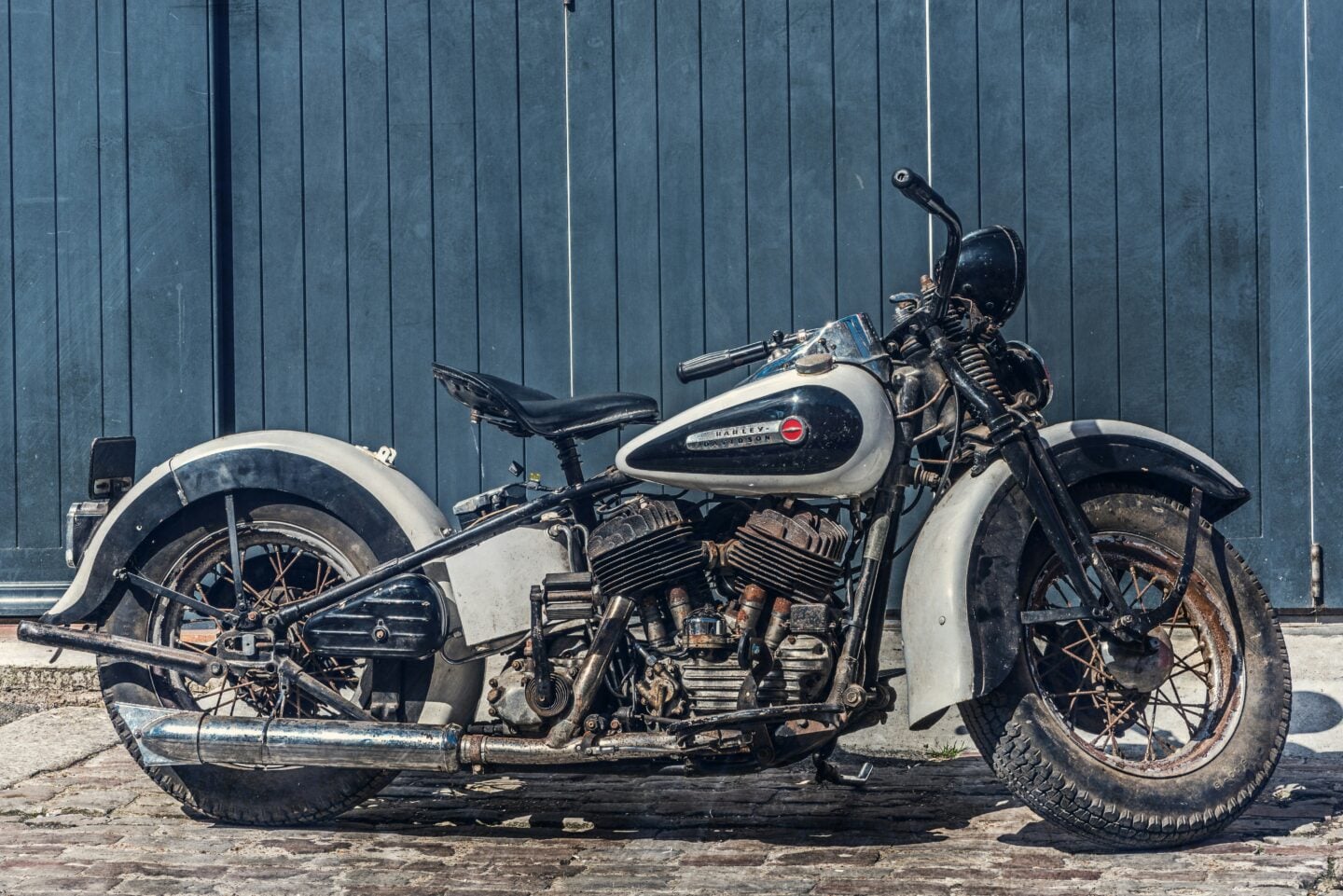
Image Credit: Unsplash
Sourcing Rare Parts Takes Patience
Start every parts search by confirming exactly what belongs on the motorcycle. Model years can overlap, and manufacturers sometimes changed components mid-production run. A part described as suitable for a particular model may still have the wrong mounting points, finish, or dimensions.
Use the frame number, engine number, factory parts book, and period workshop manual to identify the correct reference. Owners’ clubs and model-specific forums can also help you recognize variations that may not appear in a general catalog. Restoring classic motorcycles often comes down to patience: waiting for a suitable original component instead of buying the first listing available.
Ask sellers for measurements and clear photographs before paying. Useful images include the part number, fixing points, casting marks, and any areas affected by corrosion or repair. If the component has been refurbished, request details of who completed the work and what process they used.
Reproduction parts can be practical when original stock is unavailable, but quality varies. Check materials, tolerances, and compatibility instead of relying on appearance alone. A poorly fitting component may require irreversible changes to surrounding original material, which can reduce historical integrity.
Keep purchase receipts and correspondence in the restoration file. Record where each item came from and photograph it before installation. This creates a traceable history that can support future maintenance, valuation, and resale.
Storage Conditions Matter For Long-Term Value
Choose a dry, ventilated storage space with stable temperatures. Repeated changes between cold and warm conditions encourage condensation, which can settle inside enclosed components and behind trim. Garages with bare concrete floors may also hold moisture, so a sealed floor or breathable mat can improve the immediate environment.
A basic digital humidity meter provides useful evidence instead of guesswork. If relative humidity regularly stays above 60%, consider improving ventilation or using a dehumidifier. Practical vintage motorcycle preservation also includes cleaning away road residue, drying the motorcycle fully and protecting exposed metal before storage.
Insurance should remain part of the storage plan, particularly when the motorcycle’s value has increased after restoration. Swinton motorbike insurance compares quotes from a panel of specialist motorcycle insurers, giving owners a place to review available cover and optional features. Read policy documents carefully to check storage requirements, security conditions and how modifications or declared values are handled.
Avoid starting the engine briefly every few weeks unless it can reach its normal operating temperature. Short runs can create moisture without giving the system enough time to disperse it. After several months off the road, arrange a proper inspection before riding. Guidance on post-storage professional repair explains why fluids, seals, electrical connections and moving parts may need close attention after a long layup.
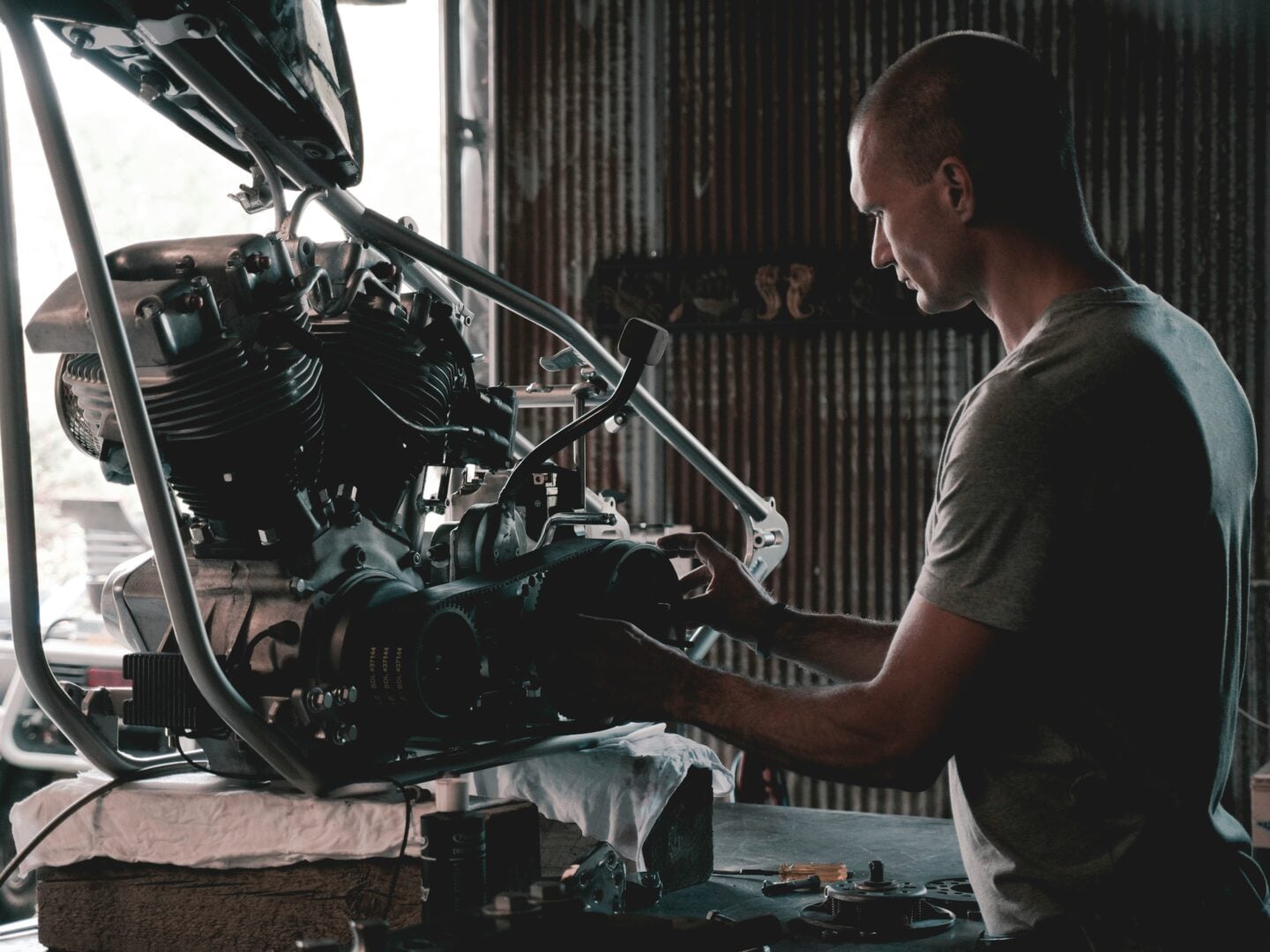 Image Credit: Unsplash
Specialist Policies Protect Bespoke Builds
A standard market-value policy may not reflect the real cost of rebuilding a customized or carefully restored classic motorcycle. If you have commissioned specialist paintwork, sourced period-correct components or paid for skilled fabrication, collect evidence of those costs and discuss them openly with the insurer. Alongside protecting your investment, following essential motorcycle safety tips can help reduce the risks of riding a modified or restored machine.
Ask how the policy values the motorcycle after a covered loss. An agreed-value policy generally records a value the owner and insurer agree on at the start of the policy, subject to its terms. A market-value settlement may use comparable sales and current condition instead. Those methods can produce very different figures when a rare model has few recent sales.
Declare every significant modification. This includes changes to suspension, controls, electrical systems, bodywork and performance components. Even a modification intended to improve everyday reliability may need to appear on the policy. Keep copies of declarations and any written acceptance from the insurer.
You should also check several practical details:
- Whether replacement components can be original, refurbished or reproduction items
- Whether the policy covers spare parts kept at home
- How annual mileage limits work
- Which storage and security conditions apply
- Whether restoration work is covered while the motorcycle is dismantled
Review the policy after any major phase of work. A motorcycle bought as an incomplete project may be worth much more once it is running and professionally finished. Current photographs, invoices, and an updated appraisal help show that change. They also reduce the risk of relying on a value agreed before several thousand dollars’ worth of work was completed.
Documenting Restoration For Appraisals
Create a record before dismantling anything. Photograph the complete motorcycle from every side, then capture identifying numbers, instrument readings, paint details and the position of cables and fittings. These images help during reassembly and establish the condition at the start of the restoration.
Organize the project chronologically. A digital folder can contain dated photographs, scanned receipts, workshop reports, and notes explaining each decision. Keep original paper documents in acid-free sleeves and back up digital files in a second location. A spreadsheet helps list dates, suppliers, part numbers, and costs without forcing an appraiser to search through a pile of invoices.
Document original components even when they are too worn to reuse. Photograph markings and dimensions, then label and store the parts where practical. An old component can confirm what was fitted at the factory, while an unexplained replacement may leave questions about authenticity.
Detailed guidance on classic motorcycle care also supports a consistent maintenance record after the main restoration ends. Log service dates, mileage, fluid changes and work completed by specialists. If the motorcycle receives a new seat covering or refinished paint, add photographs and the contractor’s invoice.
Give an appraiser a concise summary alongside the full file. Include the model and year, identifying numbers, restoration dates, major work, known deviations from factory specification and recent comparable sales if available. Update the appraisal after major improvements or meaningful market changes, not solely when an insurance renewal arrives.
The strongest restoration file should let another person follow the motorcycle’s history without filling gaps with assumptions. A dated photograph of a hidden factory marking or the receipt for one rare component may prove more useful years later than a general description of the finished work.
Thanks for stopping by!
Magda
xoxo
<3