Loading bays are fast-paced, high-consequence areas in the world of logistics, and have historically been the scene of a high percentage of warehouse incidents.
Thankfully, a number of solutions have emerged in recent years that have had a big positive impact on loading bay safety. As we get closer to 2027, these are just a few of those to keep an eye on.
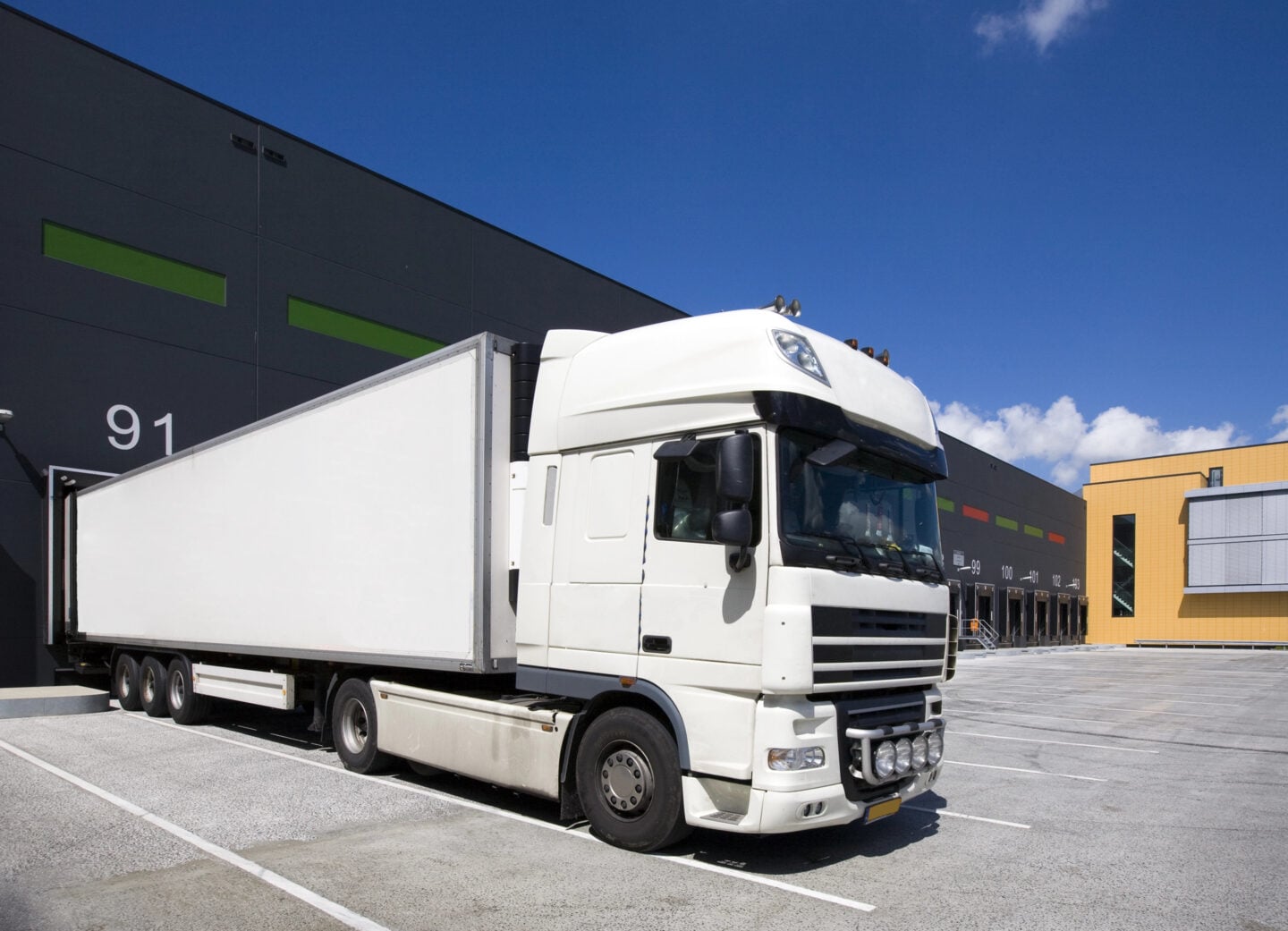
Image credit: Depositphotos
Solutions To Prevent Vehicle Movement
One seemingly easily preventable but, unfortunately, all too common cause of accidents at loading bays is vehicles driving off before the loading process has been completed. The results can be catastrophic, with a high chance that both someone will get injured and that stock will be damaged.
One way of preventing this is to use specialised key lockers from providers like Traka for each loading bay, where the driver has to leave their key while the vehicle is being loaded.
This eliminates user error, and means that no matter how tired, distracted or rushed anyone is, a vehicle won’t leave the bay until it’s safe for it to do so.
General Key Control
There are a number of other keys besides those to control vehicles that are involved in keeping a loading bay safe, and those keys will only ever be effective if you’re able to keep track of them.
Whether those keys are used to control loading systems, secure devices, or close and open the gates to the loading bay itself, it’s imperative that you’re able to manage and control these keys effectively.
Modern key cabinets make this much more achievable compared to older technologies, while also reducing reliance on having an employee present to operate the system.
Vehicle-Pedestrian Separation
The most catastrophic causes of accidents in loading bay environments are often between pedestrians and vehicles.
Large vans and lorries often have a number of blind spots, and when you combine that with navigating tight bends, it’s a recipe for disaster to have any pedestrians in those areas.
You should have clear markings in place, but in many situations, it’s also necessary to have some sort of physical barrier to enforce separation. You’ll need to account for reversing vehicles, and for areas where drivers may need to get out of their cabs.
This requires an intelligent, site-specific approach to design, and will need to be re-tested after implementation to ensure efficacy.
Incident Reporting & Data Analysis
There will always be tendencies towards specific kinds of incidents in different workplaces, and the sooner you can identify these trends, the sooner you’ll be able to implement solutions to mitigate those risks. To achieve this, you need to have a clear way for people to report incidents, along with a range of automated data collection tools.
Loading bay safety is now more achievable than perhaps ever before, but it isn’t something that will just happen automatically. You’ll need to assess your existing weak spots, prioritise them in terms of their risk profile, and then look for solutions that cater to the mitigation of those specific risks.
Thanks for stopping by!
Magda
xoxo
<3