The Antarctic Peninsula is the most practical way to see Antarctica for a first trip, and the planning comes down to timing and ship size. Sort those out early and the rest of the decisions get much simpler.
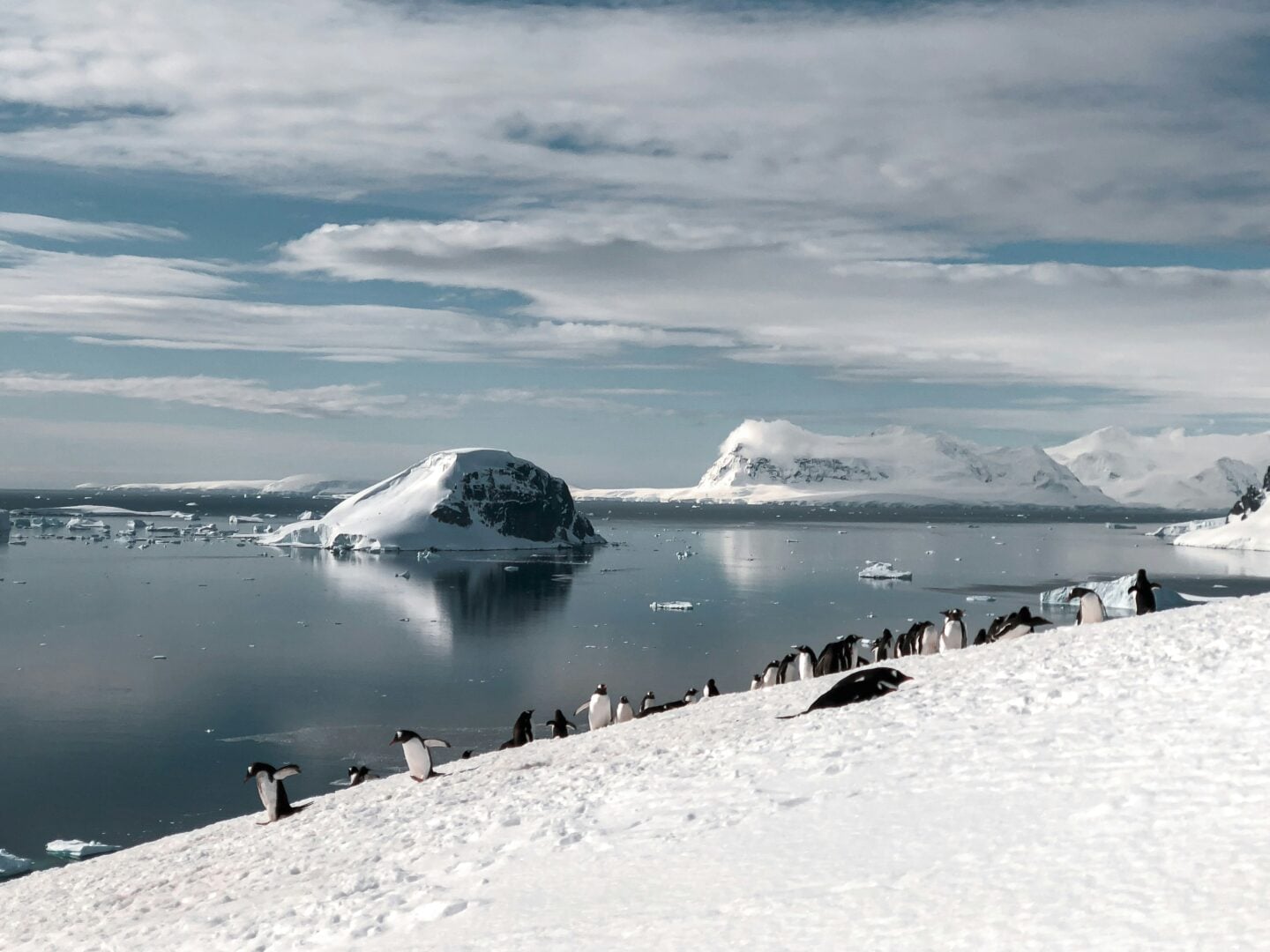
Image credit: Unsplash
1. Why Do Most Trips Go To The Antarctic Peninsula?
It’s the closest part of the continent to South America, so standard voyages concentrate here. Longer itineraries push on toward the Weddell Sea or across the Antarctic Circle, and those are worth considering on a second visit. For a first one, the Peninsula has everything most people come for: penguin colonies and glaciers meeting the sea. Crossing the Antarctic Circle mostly earns a certificate and a few extra sea days. Opinions vary, but the scenery doesn’t get dramatically better below the line.
2. When Is The Antarctic Cruise Season?
Roughly November to March, the Southern Hemisphere summer. Outside that window, the sea ice closes in and ships don’t operate.
3. What Is The Best Month To See Penguins In Antarctica?
Each part of the season has its own character. November brings courtship and nest building, with fresh snow still clean and bright on the slopes. By December, eggs are being incubated, and the light stretches late into the night.
January and February are the peak months. Penguin chicks are everywhere, noisy and constantly begging for food. Landings tend to run longer because conditions have settled. These months book out first and cost the most, and the reason is obvious once you’re standing beside a crèche of grey, fluffy chicks.
March is quieter. Chicks are fledging and whales feed in the bays, so the crowds thin out. It’s an underrated month for anyone more interested in whales than penguins.
4. Where Do Antarctic Peninsula Cruises Leave From?
Ushuaia, at the bottom of Argentina, is the usual departure point. From there, it’s about two days across the Southern Ocean each way.
That crossing gets a fearsome reputation. Some days it’s rough and some days it’s calm, and there’s no predicting which. Pack seasickness medication and start it before departure. The sea days are a good time for the onboard lectures, which are often better than expected. Albatrosses following the stern are a highlight on their own.
5. How Long Is A Typical Antarctic Peninsula Trip?
Most cruises run 10 to 12 days, with options anywhere from 6 to 16. Take off the four days of crossing and a 10-day trip leaves around six days in Antarctic waters. That’s enough for a solid first visit. Anything much shorter starts to feel like a lot of travel for very little ice.
6. Does Ship Size Matter In Antarctica?
More than almost anything else. Some landing sites are restricted to vessels carrying under 100 or 200 guests, so smaller expedition ships simply have more places they’re allowed to go.
Large ships can look like the better deal on paper. Read the itinerary closely, though, because a ship that can’t put passengers ashore is offering a scenic cruise rather than an expedition. For most first-timers, setting foot on the continent is the whole point.
7. How Many People Can Land At Once In Antarctica?
IAATO operating standards cap landings at 100 visitors ashore at one time, with a guide for every 20 visitors. On a ship close to that size, everyone can go ashore together. On a bigger ship, passengers rotate in groups, and each group’s time on land shrinks accordingly.
Ask any operator how they schedule landings before you book. It tells you a lot about what a day will look like.
8. How Close Can You Get To Penguins?
Stay at least 5 metres away from wildlife on land, and further if a site’s guidance says so. Penguins don’t always cooperate. If one waddles toward you, stand still and let it pass, since it’s on its own path to the sea.
Biosecurity is taken seriously, and the routine is simple:
- Clean and disinfect boots and gear before every landing.
- Repeat the process when you come back aboard.
- Check pockets and Velcro for seeds or grit.
This stops diseases and foreign organisms from hitching a ride between sites. Take nothing away either: no feathers, bones, eggs or fossils, however tempting that perfect pebble on the beach looks.
9. Do Antarctic Itineraries Change?
Constantly, which is part of what makes an expedition feel like one. Captains and expedition leaders read the ice and weather every morning and choose landings to match. A warming climate is also shifting conditions from season to season. A planned stop might turn into a Zodiac cruise among icebergs, or an unscheduled bay might turn up a pod of feeding whales.
A luxury Antarctica cruise in January or February puts you there when the chicks are out and the landings run long, with an experienced expedition team rebuilding each day’s plan around the best conditions available.
Pack waterproof overtrousers in your carry-on bag. Ship-issued parkas are common, but trousers usually aren’t, and the Zodiac rides are wet.
Thanks for stopping by!
Magda
xoxo
<3