A sensible plan counts roughly two days at sea in each direction for the Drake Passage, then adds as many days along the Antarctic Peninsula as the budget will stretch to. The sailing season runs from November to February, and Antarctica trips in those months pair long southern daylight with the chance to watch the first icebergs slide past from the deck. Ice, penguins, quiet: that’s the draw.
Plans go wrong in the arithmetic. A trip can look generous on paper and still deliver surprisingly little time standing on Antarctic ground, so it helps to know where the hours go before booking.
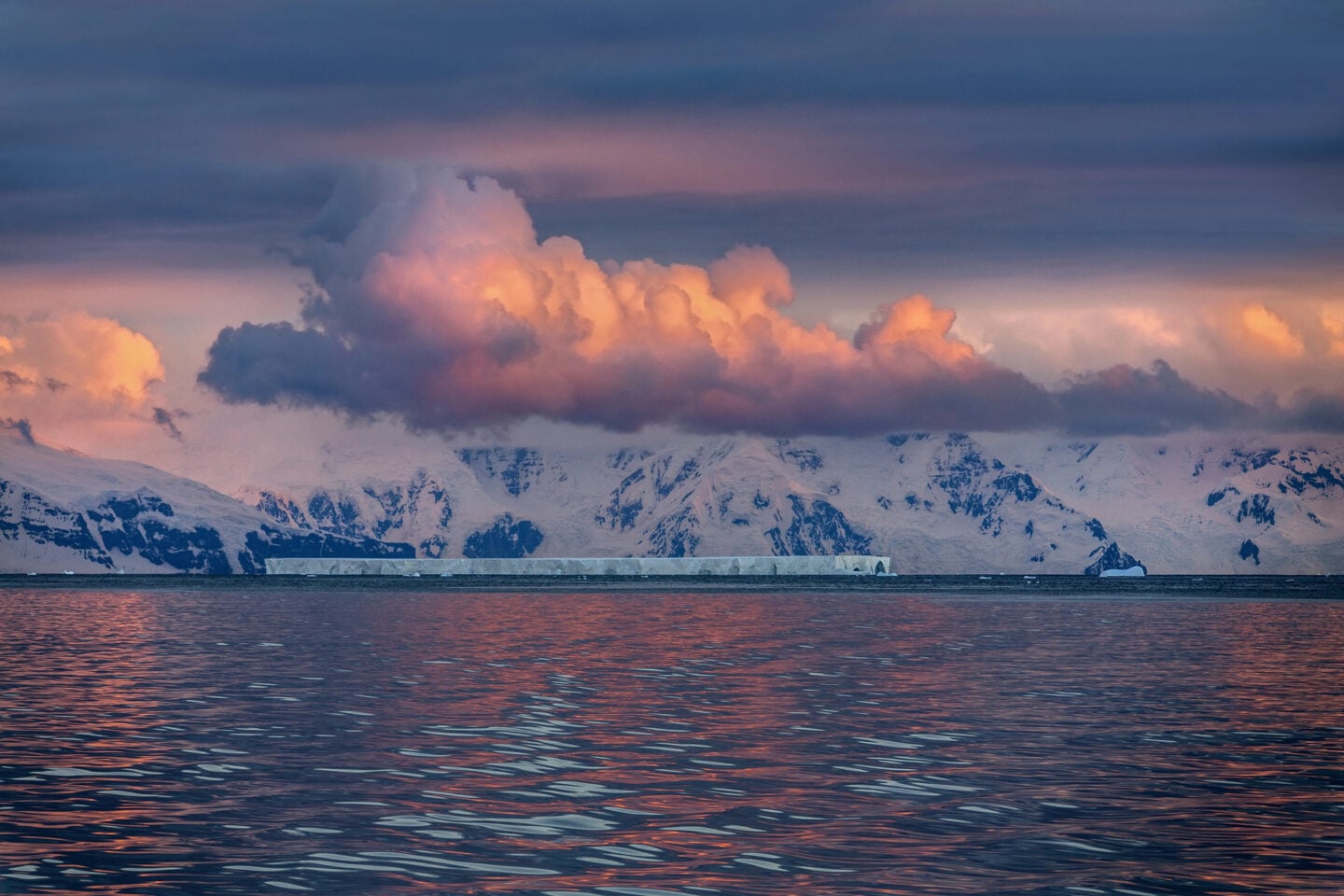
Image credit: Depositphotos
Is The Drake Passage Part Of The Trip Or Just Transit?
Think of it as part of the trip, because it takes up a real share of it.
The crossing between South America and the peninsula usually takes a couple of days each way, and those days are spent entirely at sea. The water there has a reputation for good reason. Waves are typically around 4 metres (12 ft) high and can reach 12 metres (40 ft) when the weather turns. Some crossings are calm enough to earn the nickname “Drake Lake,” and some leave half the ship in their cabins. Nobody can tell in advance.
What to do instead: write those four or so sea days into the plan as days you’re paying for, not as dead time. Bring seasickness remedies you’ve tested at home, and if you’re prone to motion sickness, ask for a cabin low in the ship and near the middle, where the movement is gentlest.
Does The Length Of A Cruise Equal Days On The Ice?
No, and this catches a lot of first-timers. A voyage advertised by its total length includes embarkation day, disembarkation day and both Drake crossings. Subtract those and the number of days actually spent in Antarctic waters shrinks noticeably. Before comparing two voyages on price per night, do that subtraction for each one. A slightly longer, pricier trip can turn out to offer double the time at the peninsula, which changes the value completely.
How Much Time Do You Get Ashore On Each Landing?
Less than the itinerary might suggest, especially on bigger vessels. Rules set by IAATO, the industry body for Antarctic tour operators, say no more than 100 people may be ashore at any one time at a site.
On a large ship, that means passengers are split into groups and rotated. The result can be a couple of hours per day off the ship, with the rest spent waiting your turn, watching from the deck or eating lunch between shifts. It’s a perfectly pleasant way to see Antarctica, but it’s a different trip from the one many people picture.
Smaller ships can get everyone ashore in one go. That frees up the day for a second location, so a morning at a penguin colony can be followed by an afternoon landing or a cruise among icebergs in a small boat somewhere else.
What to do instead: ask any operator how many passengers the ship carries and how landings are scheduled, and weigh that against the number of days on offer.
What Happens If A Landing Gets Cancelled?
It’s moved, delayed or dropped, and it happens often.
About a third of landings have to be called off because of weather. Wind, swell and ice can make a planned site impossible to reach safely, and expedition leaders will switch to a sheltered alternative if there is one, or keep everyone aboard if there isn’t. The itinerary in the brochure is closer to a wish list than a timetable.
The fix is simple, if not cheap: more days at the peninsula mean more chances to make up for the lost ones. A short trip that loses two landings to wind feels very different from a longer one that loses the same two.
Is Flying Over The Drake Passage Worth The Extra Cost?
That depends on whether time or money is tighter for you.
Fly/cruise options let passengers fly one way or both ways from mainland Chile, which saves a couple of days each way that would otherwise go on crossing the Drake. Those options cost more than sailing the full route. The question to ask is what the saved days are worth to you. Someone with limited leave, or a strong fear of rough water, may find the premium easy to justify. Someone who wants the full sense of distance, or who has more flexibility than funds, may prefer to sail. Flying one way and sailing the other is a reasonable middle ground that gets you a taste of the crossing without doubling it.
How Early Should You Arrive At The Departure Port?
Earlier than seems necessary.
Getting to the southern tip of South America is a major journey in its own right, usually involving several flights, and a missed connection there can mean a missed ship. Supply of Antarctic berths tends to outstrip demand, so last-minute availability is common. That flexibility is tempting, but it doesn’t help much if the flights to reach the port are booked too tightly. Build in at least one spare night before embarkation, and keep the return flights loose too, since weather can delay a ship’s arrival back in port.
Which Ship Type Is Best For Rough Seas?
Icebreakers sound like the safest bet, and they’re certainly strong. The trade-off is their round-bottomed hull, built to ride up onto ice, which makes them heave about more in the open swell of the Drake Passage.
If rough water worries you, an ice-strengthened expedition ship with stabilisers is usually a more comfortable ride across the crossing. Ask operators directly about hull design and stabilisers instead of assuming that a bigger or tougher-sounding ship will be steadier.
Can You Visit Antarctica Outside November To February?
For travel by ship, the realistic window is November to February. Outside those months, sea ice and darkness close off the peninsula to tourist voyages, so a plan built around a July holiday simply won’t work.
Within the season, early trips tend to bring more snow and pristine ice, while later ones often mean penguin chicks and more whale activity. Choose the month for what you want to see, then work the rest of the plan around it.
Practical Next Steps
First, decide whether you’ll sail both ways, fly both ways or mix the two. That single choice sets your total trip length and a large part of the budget.
Second, shortlist voyages by days spent at the peninsula and by passenger numbers, since those two figures shape how much time you’ll spend ashore far more than the headline length does.
Third, book the flights to the departure port with a spare night at each end. Only then start thinking about parkas and camera gear.
Thanks for stopping by!
Magda
xoxo
<3