Plenty of people still assume the Met is free for everyone. It isn’t. The pay-what-you-wish admission applies to New York State residents, plus students from New York, New Jersey and Connecticut who bring ID. Everyone else pays the standard ticket price, so knowing which group you fall into changes how you plan the day. The same pattern runs across the city: the best museums have a cheaper or free way in, but each one has its own rules and booking quirks.
Below are eight museums worth your time, roughly in order of how often they top people’s lists, each with the practical detail that makes the visit easier.
1. The Metropolitan Museum
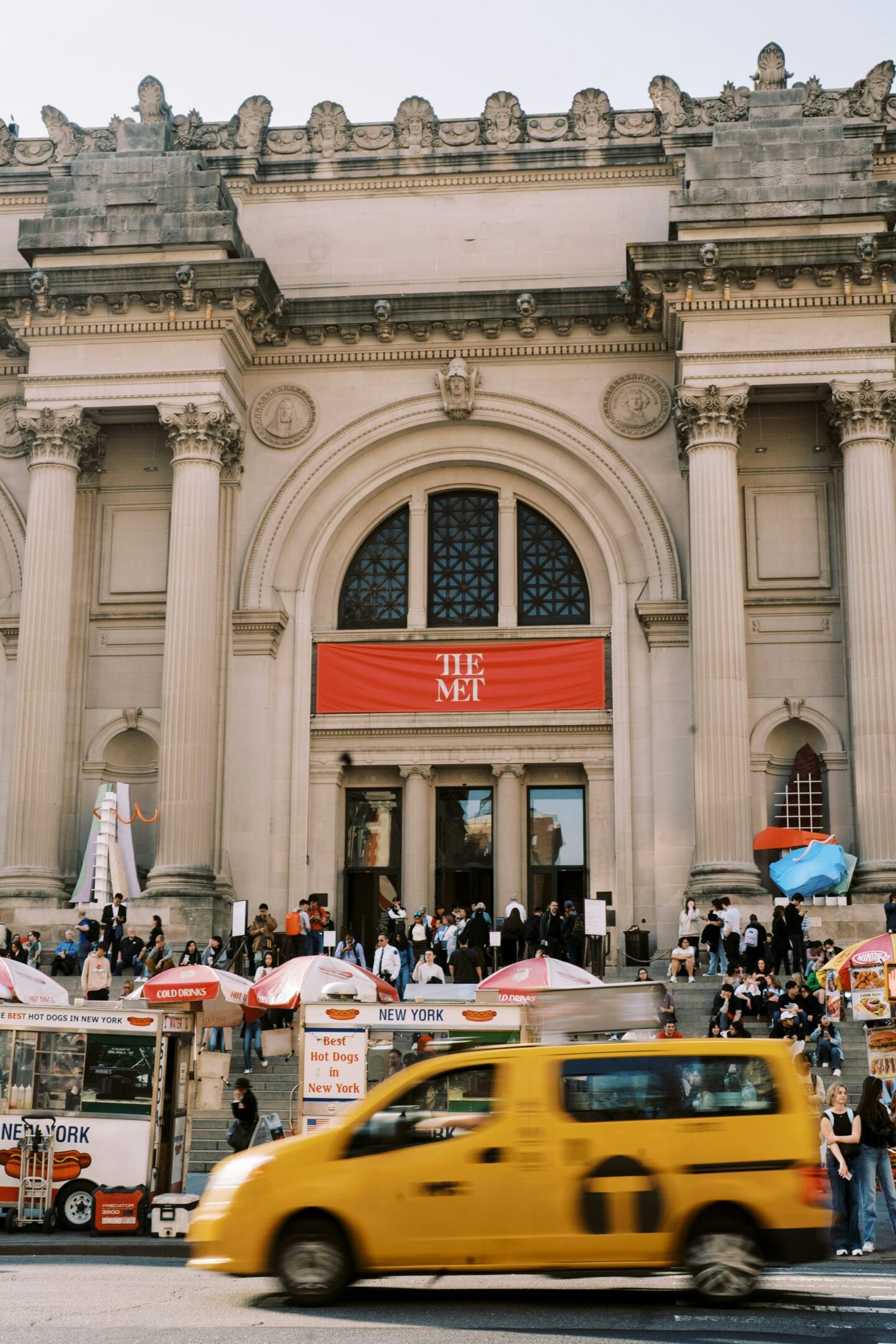
Image credit: Unsplash
The Met is often considered the best museum in New York City, according to New York Dearest, and it’s described as the biggest art museum in the United States. Both claims become obvious about twenty minutes in, when you realise you’ve crossed one corner of one floor and the building keeps going.
First-time visitors should allow at least three hours. Even that won’t cover everything, and trying to will leave you foot-sore and fuzzy on what you saw. A smarter approach is to choose three wings before you walk in and treat everything else as a bonus. Egyptian art and the European paintings make a popular pair, though the American Wing or the rooftop in warm months are just as good picks.
Before you go:
- Bring a photo ID showing a New York State address if you want pay-what-you-wish admission.
- Students from those three states should carry a current student ID.
- Pick your wings in advance and find them on the museum map before you arrive.
- Wear shoes you’d happily walk a few miles in.
2. Museum Of Modern Art
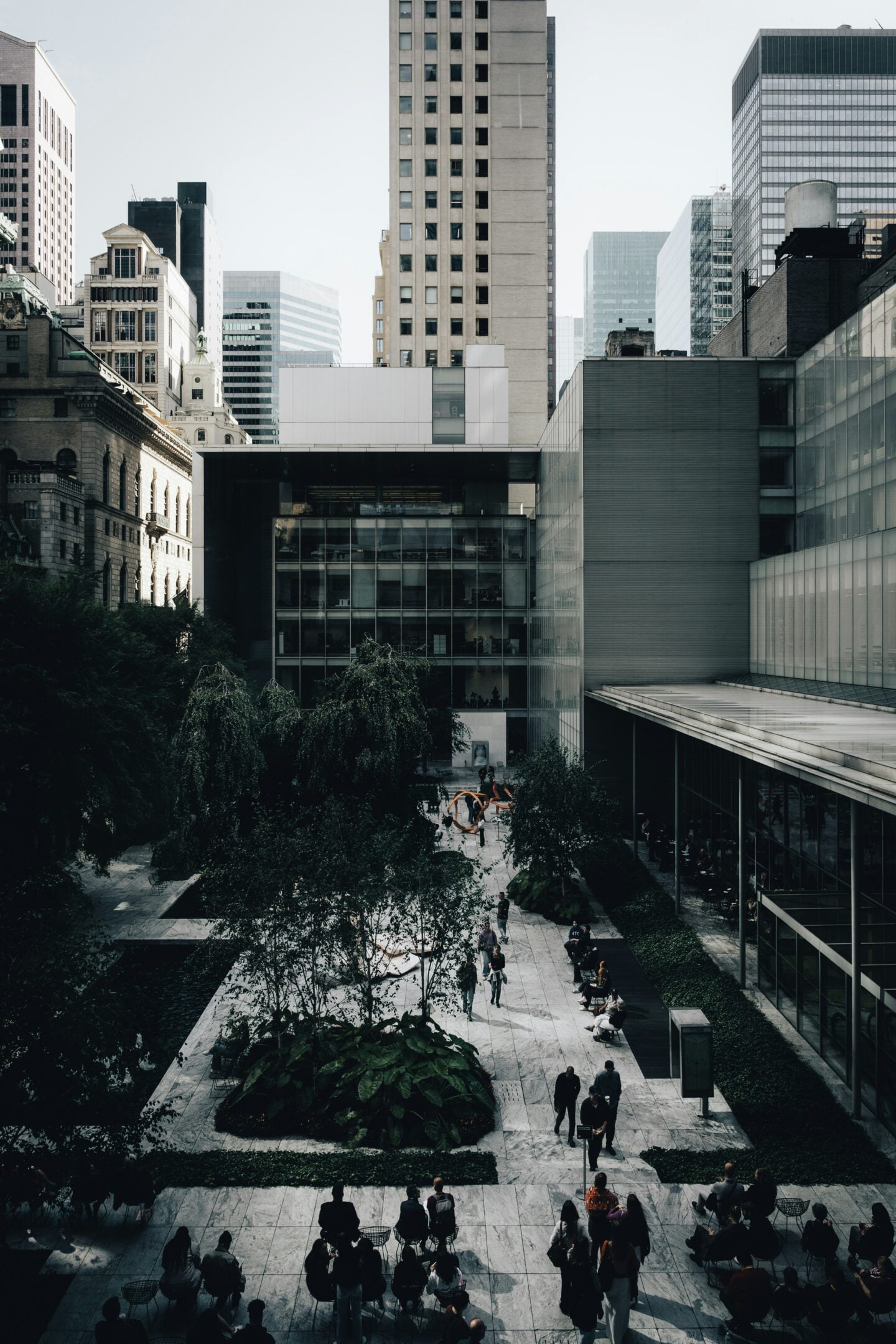
Image credit: Unsplash
MoMA is described as holding the greatest collection of modern painting anywhere, and the walls back that up. Van Gogh’s The Starry Night and Picasso’s Les Demoiselles d’Avignon both live here, along with a deep design collection that people tend to underrate. Go early. The galleries are calmer right after opening, before the crowds build up around the famous canvases on the fifth floor. That’s where most visitors head first, so starting lower and working up can give you quieter rooms for longer.
If you’re a New York State resident, MoMA is free on Friday evenings from 5:30 to 8:30 PM. Reservations are required, so book ahead rather than turning up and hoping.
3. American Museum Of Natural History
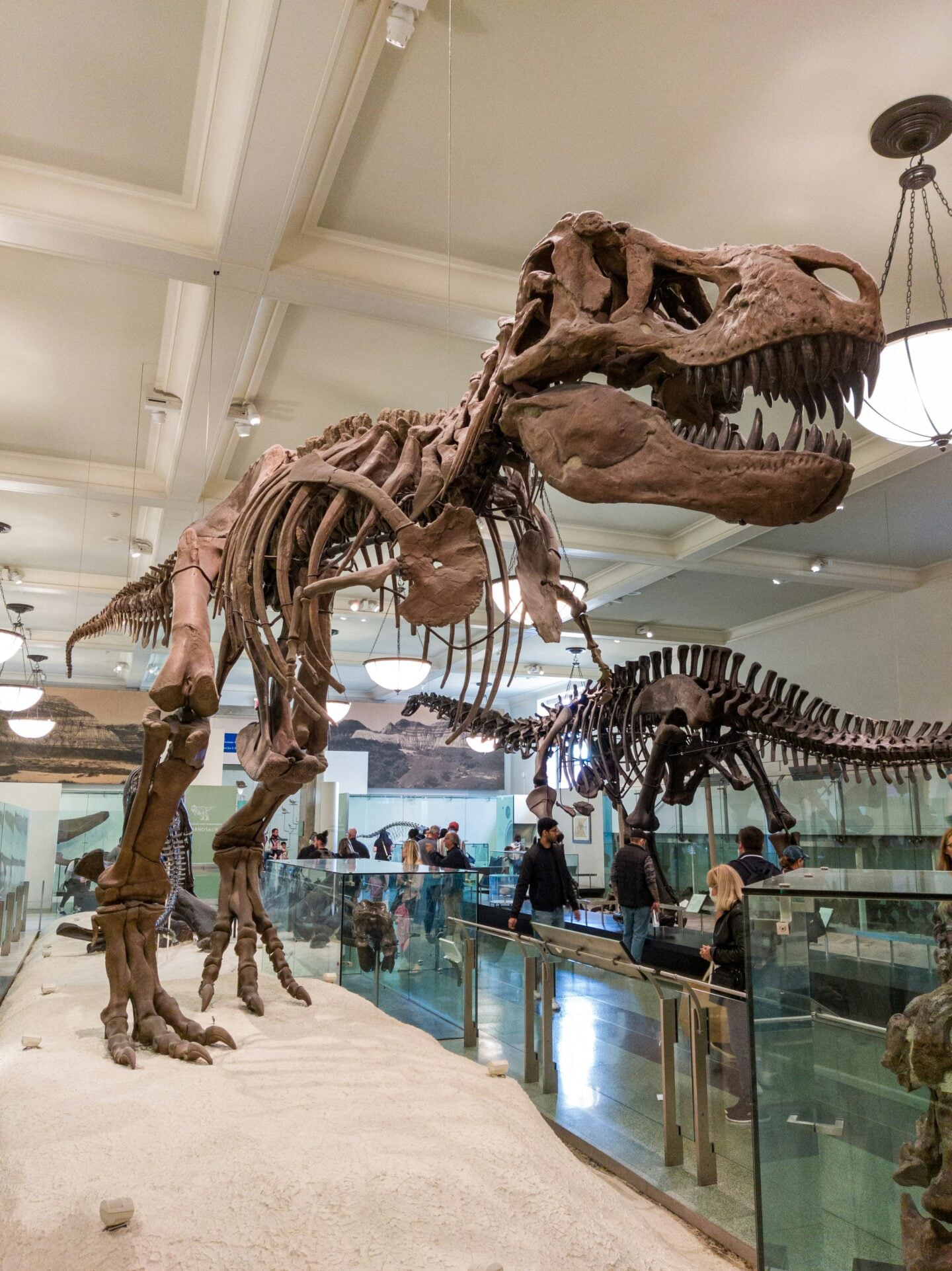
Image credit: Unsplash
This is the one to bring kids to, though plenty of adults happily spend a whole afternoon here alone. The dinosaur halls on the fourth floor are the big draw, with fossil skeletons that still stop people in the doorway. Then there’s the blue whale, a full-size model hanging over the Hall of Ocean Life. The room is dim and blue-lit, and it’s one of the few places in the museum where people tend to sit down and just look up for a while.
The Rose Center for Earth and Space houses the planetarium, and a show there is worth adding to your ticket if you have the time. Check showtimes when you arrive and book a slot, then fill the gap with the dinosaurs.
4. Solomon R. Guggenheim Museum
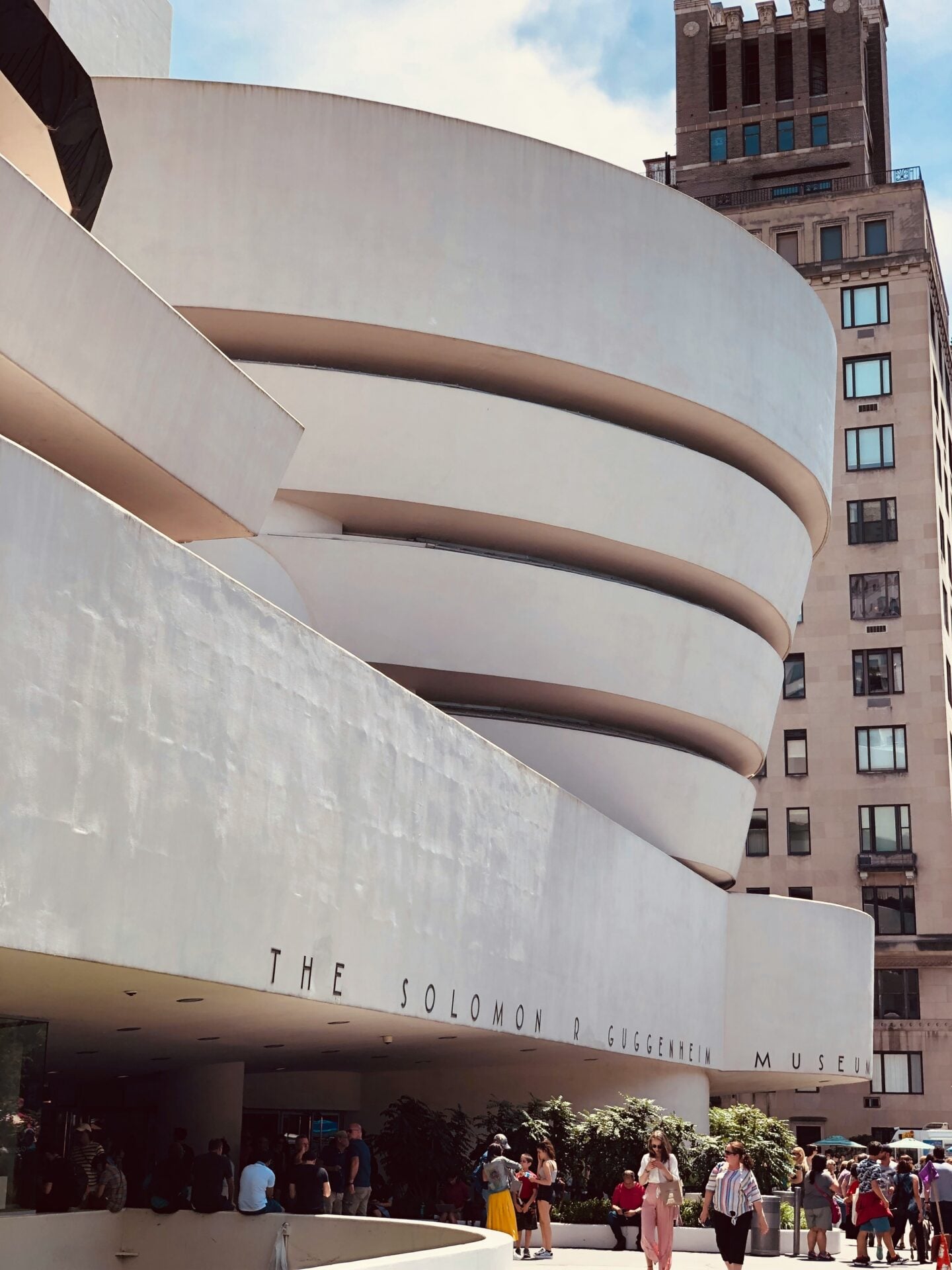
Image credit: Unsplash
Frank Lloyd Wright’s spiral is the reason many people come, which is fair. The building is the exhibit as much as anything on its walls. Take the elevator to the top and walk down the ramp, which lets gravity do the work and lets you see the rotunda open up beneath you as you go.
The collection is smaller than you might expect for such a famous name, so the Guggenheim makes a good visit of an hour or two rather than a full day. That suits the pay-what-you-wish hour on Tuesdays and Sundays, when you can pay what you like at the door. Lines form, so arrive a bit before the window starts and check the museum’s site for current times.
5. Whitney Museum Of American Art
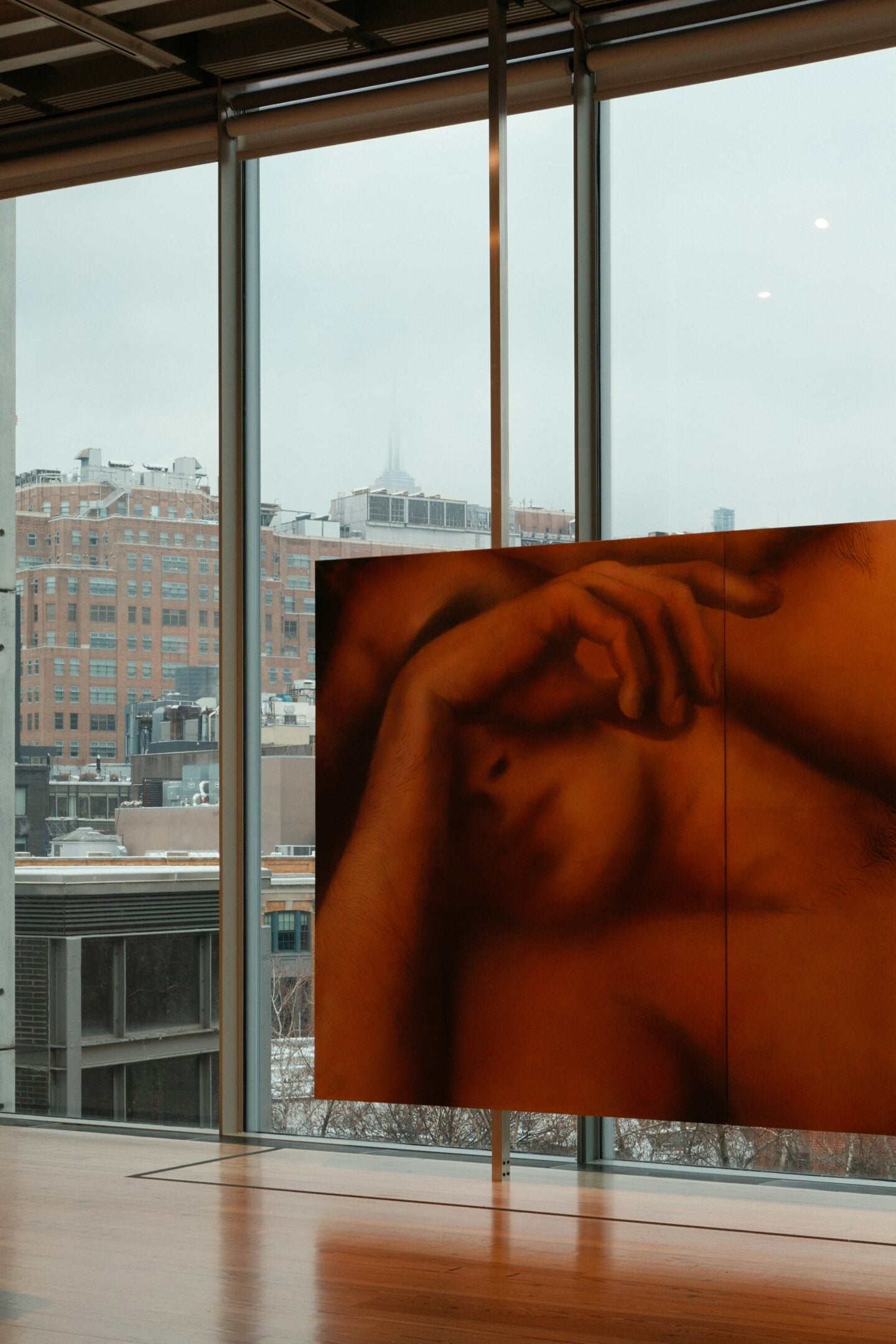
Image credit: Unsplash
Renzo Piano designed the Whitney’s building at the southern end of the High Line, and its outdoor terraces are half the appeal. They face the Hudson on one side and the Meatpacking District on the other, and on a clear evening the view is one of the best free ones in Manhattan.
Inside, the focus is American art of the twentieth and twenty-first centuries, with Edward Hopper well represented. The Whitney Biennial, when it’s on, draws a crowd and plenty of argument.
Friday evenings are free, and a walk along the High Line beforehand turns the visit into a good, cheap evening.
6. Tenement Museum
Most museums show you art or objects. The Tenement Museum on the Lower East Side shows you how people lived, using recreated rooms of homes from New York tenements in the 1800s and 1900s. You step into cramped apartments set up as they would have been for specific immigrant families, and an educator talks you through who lived there and what their days looked like.
You can’t wander in and browse. Everything works by guided tour, and groups are small, so tours sell out, especially on weekends. Book online a few days ahead and choose the tour that covers the era or community you’re most curious about. Arrive a little early to find the meeting point.
It’s one of the more moving visits in the city, and it changes how you see the neighbourhood when you walk back out onto Orchard Street.
7. 9/11 Memorial & Museum
The memorial outside is open to everyone and free: two reflecting pools set into the footprints of the Twin Towers, with the names of the victims cut into the bronze edges. You can visit at any time and stay as long as you need.
The museum underground is a different commitment. It’s large and emotionally heavy, and people often underestimate how long they’ll spend there and how drained they’ll feel afterwards. Give it a generous block of time and don’t schedule anything demanding right after.
New Yorkers can get in free during set Sunday hours, and the museum’s website lists the current window and booking details.
8. Neue Galerie
The Neue Galerie sits in a Fifth Avenue mansion and focuses on early twentieth-century German and Austrian art and design. It’s small and elegant, and the main reason most people come is Gustav Klimt’s portrait of Adele Bloch-Bauer, the gold-leaf painting often called the Woman in Gold. Works by Egon Schiele and pieces from the Wiener Werkstätte fill out the rooms around it.
Book ahead. The galleries are compact and entry is managed, so timed tickets for popular days go fast. Leave room for Café Sabarsky on the ground floor, a Viennese-style café known for its Sachertorte and strudel, though the wait for a table can be long.
The Neue Galerie also makes a natural partner for the Met, which sits a short walk south along Fifth Avenue. Metropolitan Museum of Art tours with Babylon Tours give you a guided route through the biggest art museum in the United States, so a morning with Klimt can flow straight into an afternoon among the Met’s masterpieces, with someone explaining what you’re looking at as you go.
Thanks for stopping by!
Magda
xoxo
<3