When walking through a big office, a school, or even a hospital, most people don’t really think about what’s behind the walls or above the ceiling. Everything just looks neat and finished. But hidden in plain sight are small doors or panels that play a huge part in keeping the whole building working properly. They’re called access panels – and even though they don’t get much attention, they’re super important for repairs, safety, and keeping everything running behind the scenes.
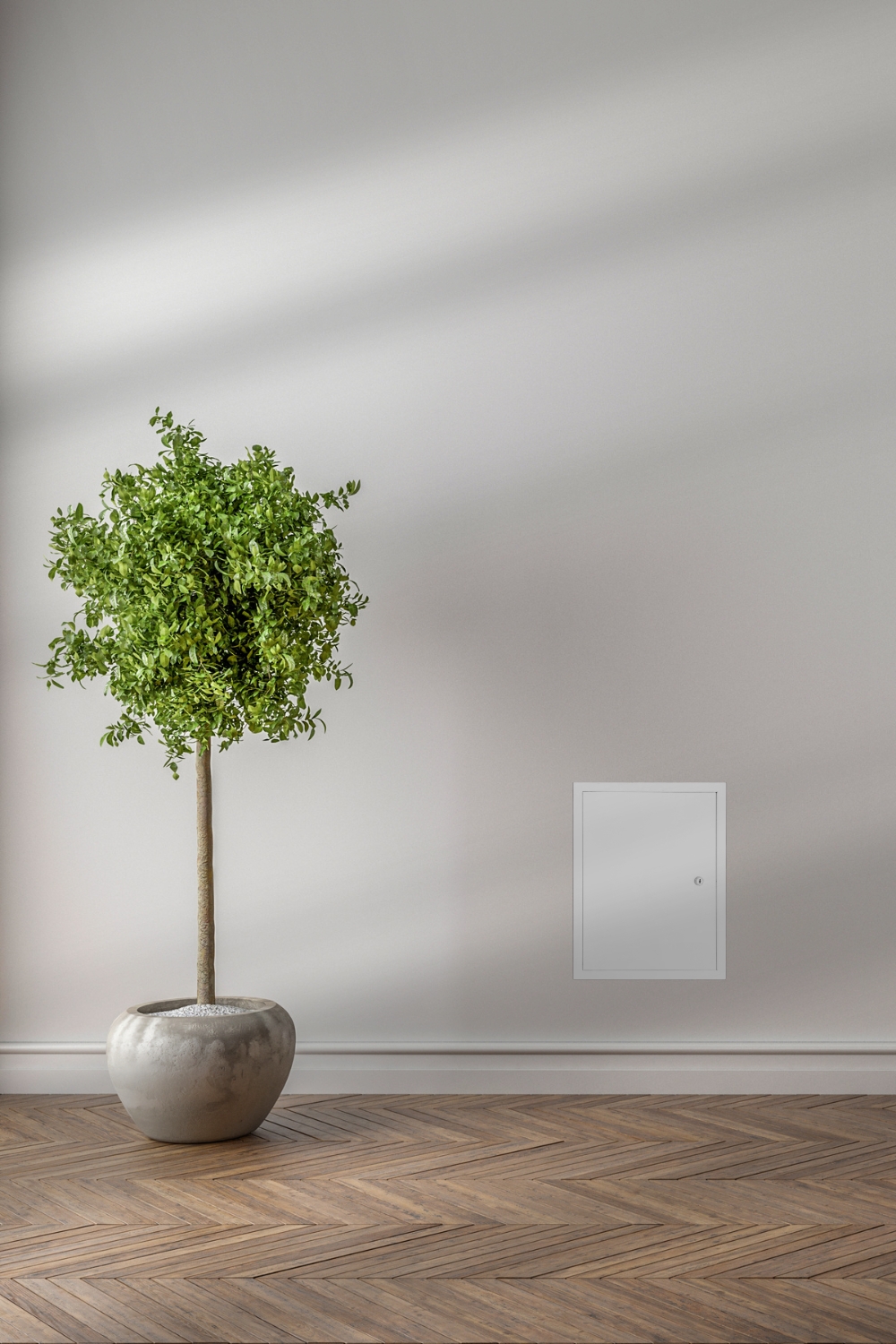
What Is An Access Panel?
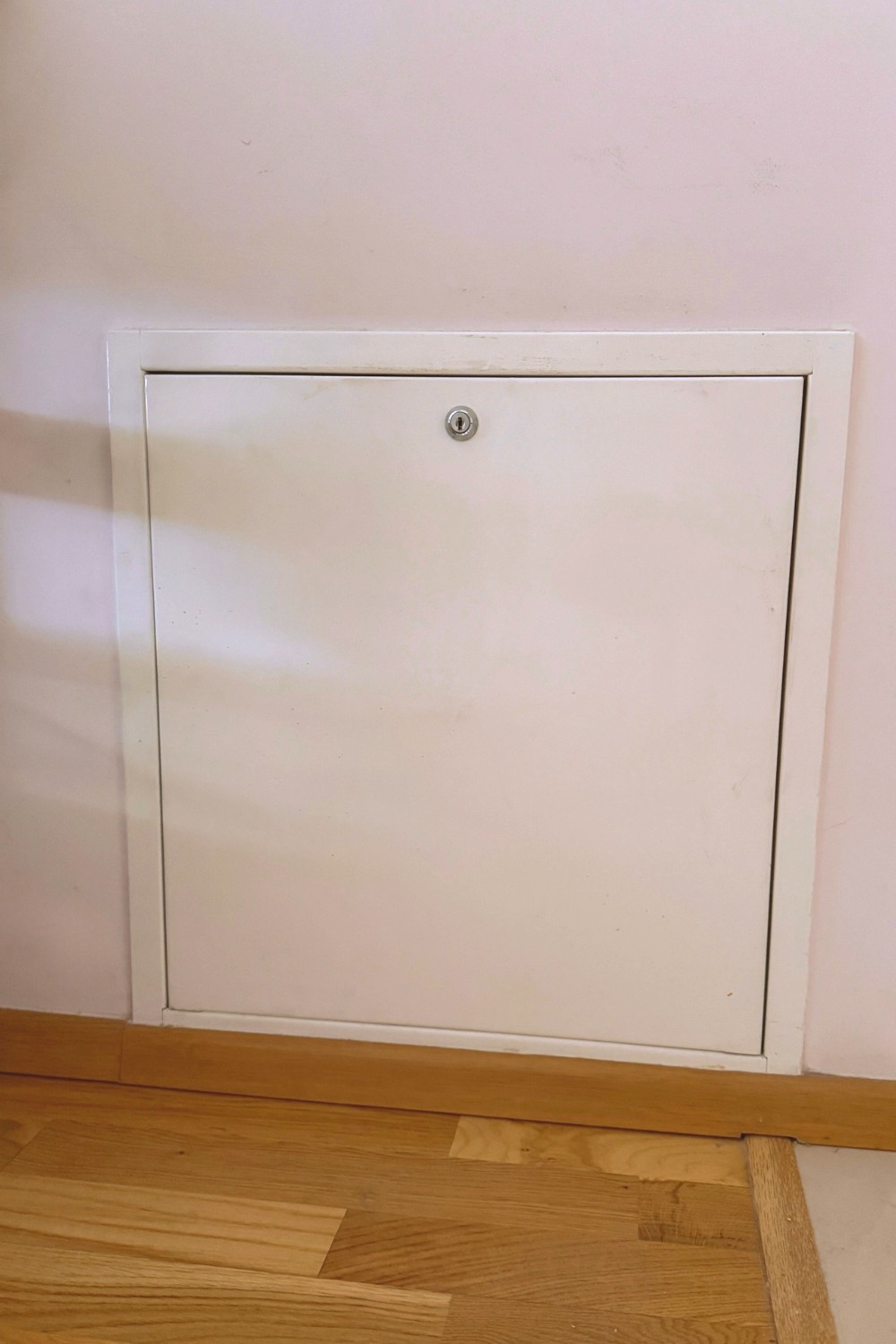
An access panel is basically a small door built into a wall, floor, or ceiling that lets people get to important building parts – things like electrical wiring, water pipes, air ducts, or control systems. Instead of having to tear down part of a wall or break through a ceiling, workers can just open the panel to get to what they need. It’s a simple idea, but it saves a ton of time and money when something needs fixing.

These panels aren’t all the same, though. Some are made for fire safety, others are extra strong for floors, and some are built to blend in with the wall so they’re barely noticeable. They come in loads of sizes and types depending on what they’re being used for.
Why They Matter So Much
Access panels might be small, but they solve a big problem. Buildings are filled with systems that need to be checked or fixed now and then. Without panels, doing even a small repair could mean tearing apart a wall – messy, expensive, and annoying. That’s where access panels come in. They give builders, electricians, and plumbers a smarter way to build things that can be fixed easily later on.
One of the most useful things about access panels is that they help with planned maintenance. Let’s say a building manager needs to check the plumbing once a year. If everything is hidden with no easy way to reach it, that job becomes a lot harder. But with an access panel, it’s just open, inspect, close. Easy.
There are even special kinds, like plasterboard access panels, that are designed to blend into the wall. If someone wants the building to look really clean and smooth, these panels are a perfect fit.
Builders or people working on commercial properties often look for good-quality solutions at places such as Access Panels Direct. They have tons of different panel types, which helps when someone needs something very specific to fit into a tricky spot.
Safety First
Access panels also help with safety. Fire-rated panels are made to stop flames from spreading quickly through walls or ceilings. This is super important in places like hospitals, apartment buildings, or schools, where getting people out safely is a top priority during an emergency.
Some panels are also used to cover riser shafts, which carry pipes or cables between floors. These areas need to be secure and fire-protected, so using high-quality panels is a must. Without proper access, those spaces become risky because no one can check what’s going on behind them easily.
Another safety perk is for workers. Instead of climbing up and down ladders with tools to reach something hidden, they can just open a panel at the right spot. It’s quicker and reduces the chance of accidents.
Planning For The Unexpected
Access panels also quietly support a building’s ability to bounce back when something goes wrong. In large commercial spaces, maintenance teams sometimes rely on coordinated systems that map out what sits behind every wall or ceiling. This is where having reliable access points becomes invaluable. When damage occurs or a system fails unexpectedly, responders can reach the exact spot they need without wasting precious minutes trying to locate a hidden pipe or cable. This speed and clarity are especially important when working alongside broader recovery networks such as an emergency restoration hub, where fast, precise access can determine whether a disruption stays small or snowballs into a much larger problem.
Not Just For Repairs
Even though most people think of access panels as something for fixing things, they actually help during the building process too. When construction crews are working on a large project, they need to test systems at different stages – heating, air conditioning, lighting, you name it. Access panels give them a way to reach those systems while everything’s still coming together.
Later on, if the building ever gets upgraded or something needs replacing, the panels make those changes a lot easier. That means less damage, fewer delays, and better control over building costs.
In some cases, owners even ask for custom-made panels that match the interior style. Whether it’s a luxury hotel or a modern office, these panels can be designed to look clean and stylish while still doing their job.
Making It Look Good
One thing people worry about is how panels will look. No one wants a fancy hotel lobby or a clean office wall ruined by a random metal door sticking out. But the good news is – access panels today are made to be sleek. Some can be painted the same color as the wall. Others have hidden latches or sit flush against the surface so they don’t stand out.
Designers and builders often work together to make sure the panels are placed in smart spots. That way, they’re not super noticeable but still easy to reach when needed. It’s all about balance – keeping the space looking good while making sure everything stays accessible behind the scenes.
Big Buildings, Bigger Problems (Without Panels)
Imagine a school without any access panels. If there’s a leak in a pipe behind the wall or a short in the wires above the ceiling, there’s no easy way to get to it. Fixing the problem means breaking walls, making a mess, and possibly closing parts of the building for days. It’s not just annoying – it’s expensive too.
Now imagine that same school with access panels in all the right spots. The repair team finds the problem fast, opens the panel, fixes the issue, and closes it back up. School stays open. No mess. No stress.
That’s what makes access panels such a simple but smart part of any building. They don’t do anything flashy. But when something goes wrong, they’re the reason it can be fixed quickly and easily.
The Takeaway
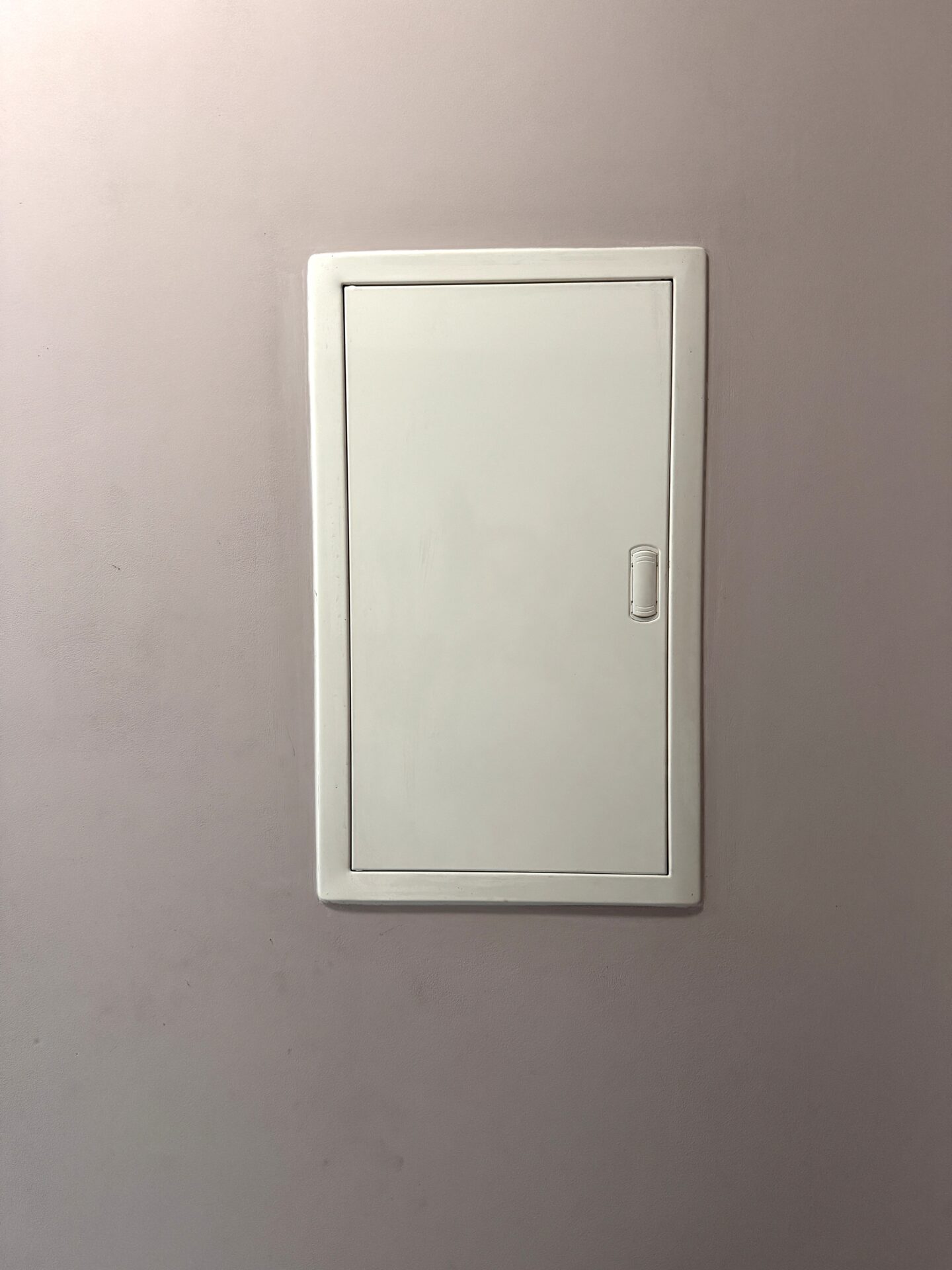
Access panels aren’t the most exciting part of a building, but they’re definitely one of the most useful. They help people fix problems without making a mess, keep buildings safe, and make sure everything runs smoothly – especially in big, complicated places.
Even though you might never notice them, they’re doing a lot behind the scenes. The next time you see a little door in a wall or ceiling, now you know – it’s probably there for a very good reason. And chances are, it’s part of the reason the building around you keeps working exactly how it should.
Got questions or want to know how access panels actually look? Just check out your school, the office, or even your own house. You might spot one – and now you’ll know exactly why it’s there.
Thanks for stopping by!
Magda
xoxo
<3