In an age of fast furniture and trend-driven interiors, vintage accents offer something increasingly rare: character. Pieces with history bring warmth and depth that newer items often struggle to replicate. This is why items like passed-down furniture or antique humidor cabinets from a place like Refined Traditions can serve as more than functional objects. They act as visual anchors, grounding a space with craftsmanship, patina, and a sense of permanence that makes a home feel lived in rather than staged.
Vintage elements do not require a fully traditional home or a commitment to a single era. When used thoughtfully, they integrate seamlessly into modern, transitional, and even minimalist interiors.
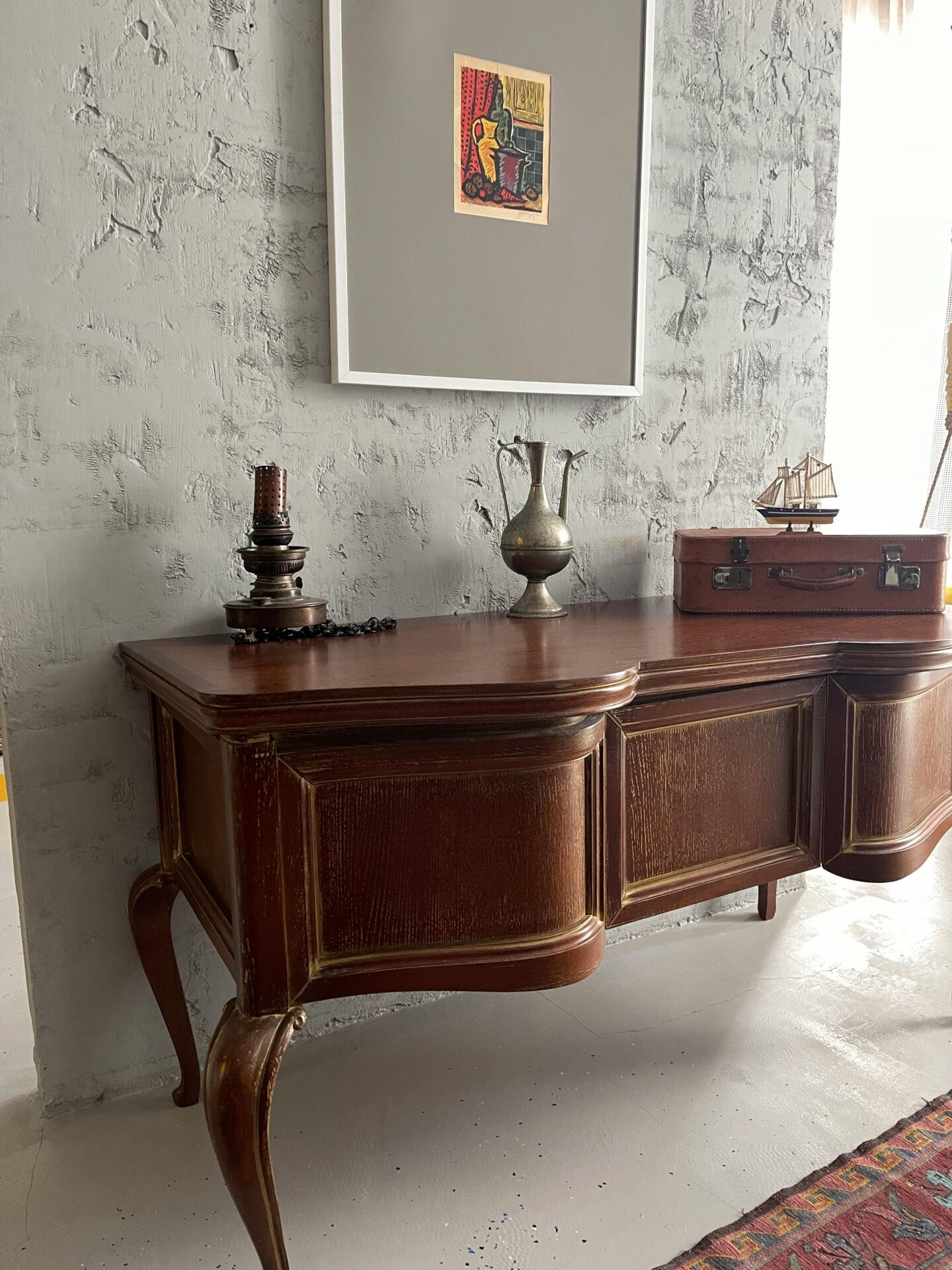
Why Vintage Accents Add Depth To A Space
Vintage pieces carry subtle imperfections that give a room dimension. Small nicks in wood, softened edges, and aged finishes create visual texture that cannot be manufactured convincingly. These details help a space feel layered rather than flat.
Beyond aesthetics, vintage accents often tell a story. Whether it is a sideboard that has been refinished over decades or a cabinet that once lived in another home, these objects introduce a sense of continuity. That history adds emotional weight, making rooms feel personal instead of purely decorative.
Mixing Vintage With Modern Design
One of the most effective ways to use vintage accents is by pairing them with clean, modern elements. The contrast highlights both styles and keeps the room from feeling dated or overly traditional.
For example, a streamlined sofa gains warmth when placed near an antique wood table. A minimalist dining room feels more inviting with a vintage light fixture or heirloom rug. The key is restraint. One or two statement pieces are often enough to shift the tone of an entire space.
This balance allows vintage elements to stand out without overwhelming the room.
Choosing The Right Vintage Pieces
Not all vintage items work equally well in every home. The most successful pieces tend to have strong materials, simple forms, and visible craftsmanship. Solid wood furniture, aged metals, handwoven textiles, and leather are particularly versatile.
Scale also matters. A large vintage cabinet or armoire can anchor a room, while smaller accents like mirrors, trays, or lamps work well in tighter spaces. When selecting a piece, consider how it will interact with surrounding furniture rather than treating it as a standalone object.
Letting Patina Work In Your Favor
One common mistake when incorporating vintage accents is trying to make them look new. Patina is part of the appeal. Worn finishes, faded tones, and natural aging add authenticity and warmth.
Instead of refinishing everything to perfection, focus on preservation. Clean pieces gently, repair what is necessary, and allow the original character to remain visible. These imperfections often become the most interesting part of the design.
Using Vintage Accents As Focal Points
Vintage pieces work best when they are given space to breathe. A single antique cabinet, mirror, or chair can act as a focal point that draws the eye and sets the tone for the room.
Surround these items with simpler, quieter elements so they do not compete visually. Neutral walls, understated textiles, and modern lighting help vintage accents feel intentional rather than cluttered.
This approach creates balance while allowing the piece’s craftsmanship to shine.
Blending Old And New For A Cohesive Look
The goal of using vintage accents is not to recreate the past but to enrich the present. When old and new are blended thoughtfully, the result feels curated rather than themed.
Repeating materials or colors can help tie eras together. For example, a vintage wood tone can echo in modern shelving, or antique brass details can be mirrored in contemporary hardware. These subtle connections create cohesion across styles.
Creating A Home That Feels Personal
Vintage accents excel at making a home feel personal and grounded. They reflect taste, history, and intention in a way mass-produced items rarely do. Whether it is a piece inherited from family or something discovered over time, these objects add layers that evolve with the space.
Rather than chasing trends, incorporating vintage elements encourages a slower, more thoughtful approach to design. The result is a home that feels collected, comfortable, and timeless, one meaningful piece at a time.
Thanks for stopping by!
Magda
xoxo
<3