Every American family would agree that the primary purpose of finance planning is to ensure the overall financial health for the family. It’s all about creating a family budget that works for your needs and planning for future expenses, including university and retirement. Managing your finances as a family unit isn’t easy, especially because challenges and costs are much more significant than when you focus on an individual level.
That’s why it can be helpful to look into strategies that benefit the whole family, such as home improvements that can make your family home more effective financially. Ultimately, your home comes with a range of costs, so it makes sense to look at strategies to keep those costs down and indirectly boost the family budget.
Solar Panels
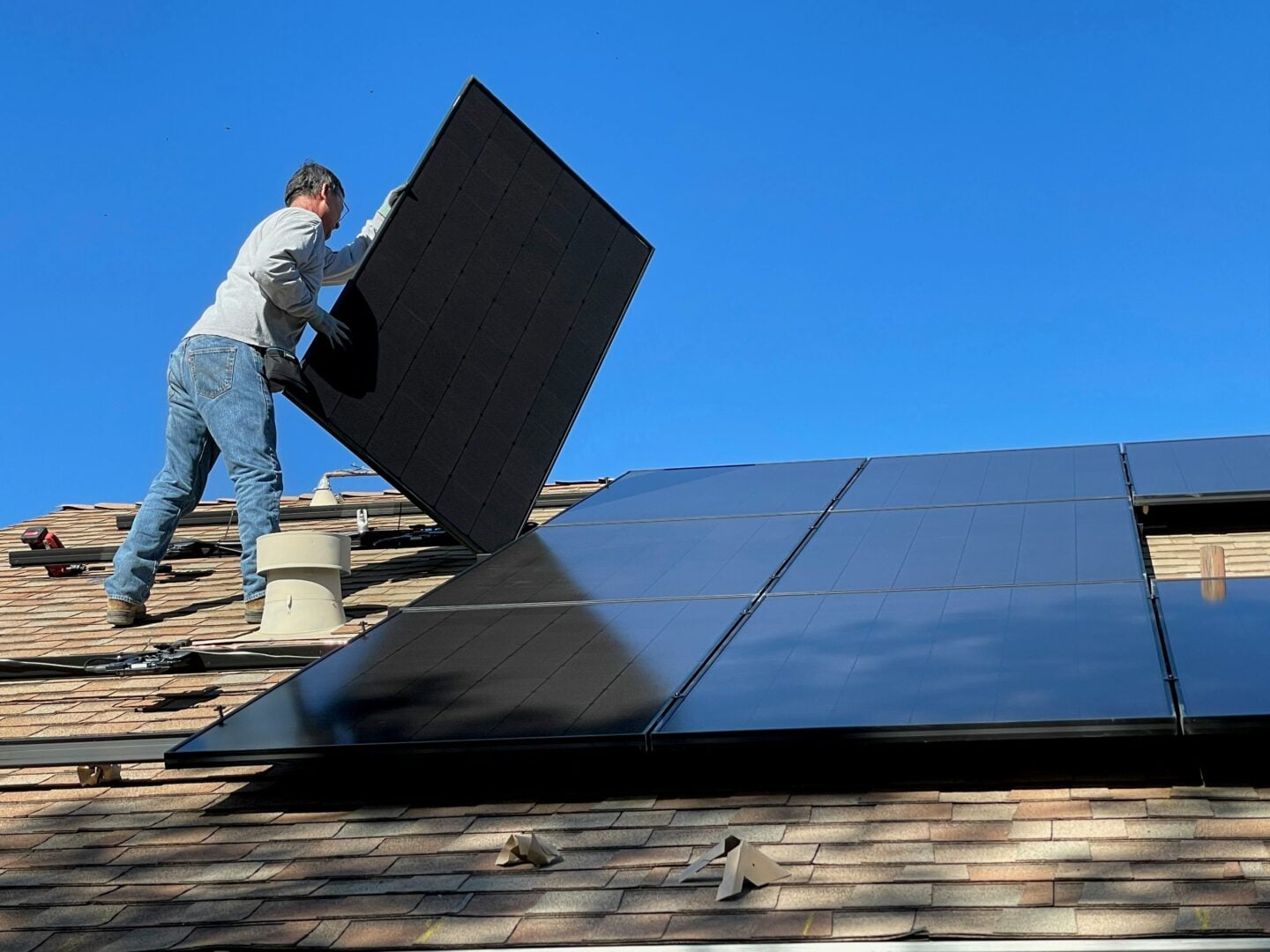
Solar panels are among the biggest money-savers a homeowner can make. Instead of relying on the grid to provide all your electricity, solar lets you generate your own power, which means lower monthly utility bills and a reduced risk of getting hit with rising energy costs. For even greater energy independence, you can pair your panels with a range of solar batteries at VoltX Energy, helping you store excess power and further reduce reliance on the grid. Over time, these savings can really start to add up.
One of the great things about solar is that it adds value to your home and may also qualify for some interesting solar for home government incentives that help lower the cost of installing the system in the first place. But it’s not just about saving money, or being good for the environment: It’s also a smart financial move that pays dividends year after year.
Smart Home Hub & Thermostat
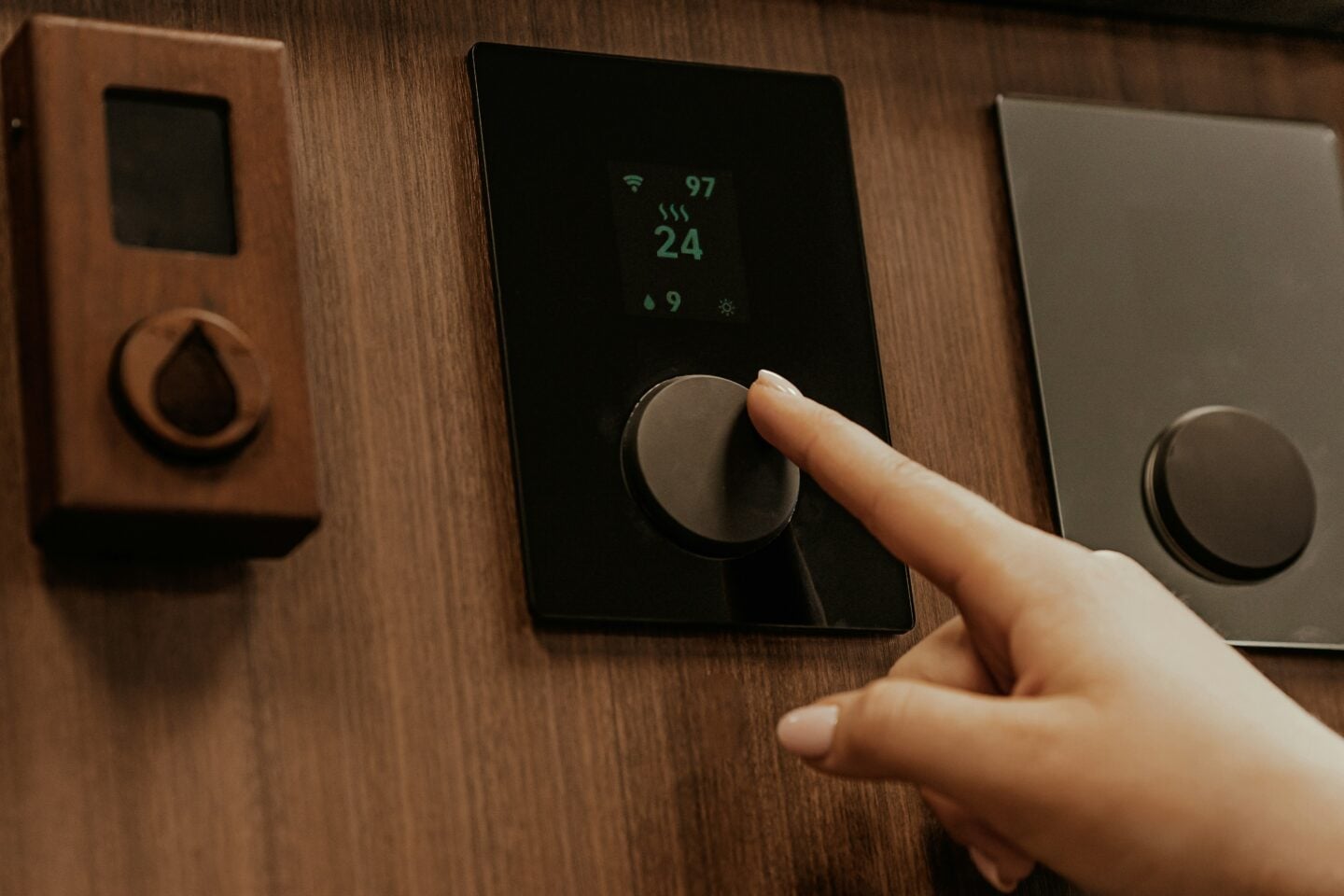
Pairing a smart home hub with a smart thermostat gives you the power to take control of your energy usage without having to sacrifice any comfort. The truth is, heating and cooling your home is probably one of the biggest energy drains in your house, and you’re probably losing money on inefficiencies that you don’t even know are there. Smart thermostats can learn your usage patterns to adjust the temperature automatically, and they can even switch off when the house is empty.
With a smart hub, all your lights, appliances, and climate systems are connected and working together more efficiently than before. That means lower energy consumption, fewer surprise bills, and consistent savings that add up over time.
High Efficiency Appliances
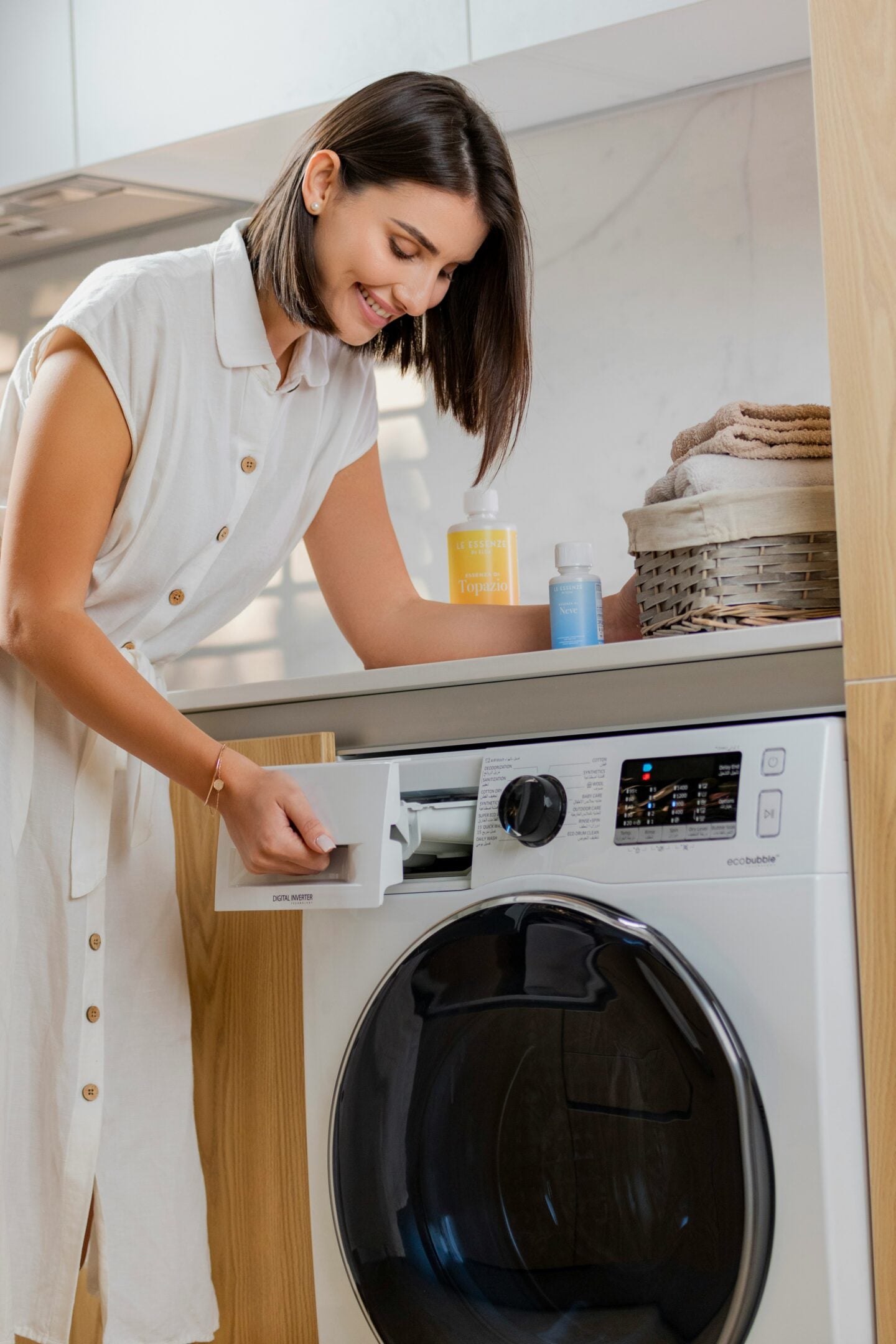
Old appliances are probably using a lot more electricity than you’d ever imagine, and they’re probably not water-efficient either. High-efficiency appliances, on the other hand, are designed to do the same tasks but with a fraction of the energy and water. They might be pricier upfront, but the long-term savings are well worth it.
You’ll save money on your utility bills, and you’ll be less likely to need repairs. And because high-efficiency appliances tend to last longer, you’ll be saving money over the long haul.
Upgraded Insulation
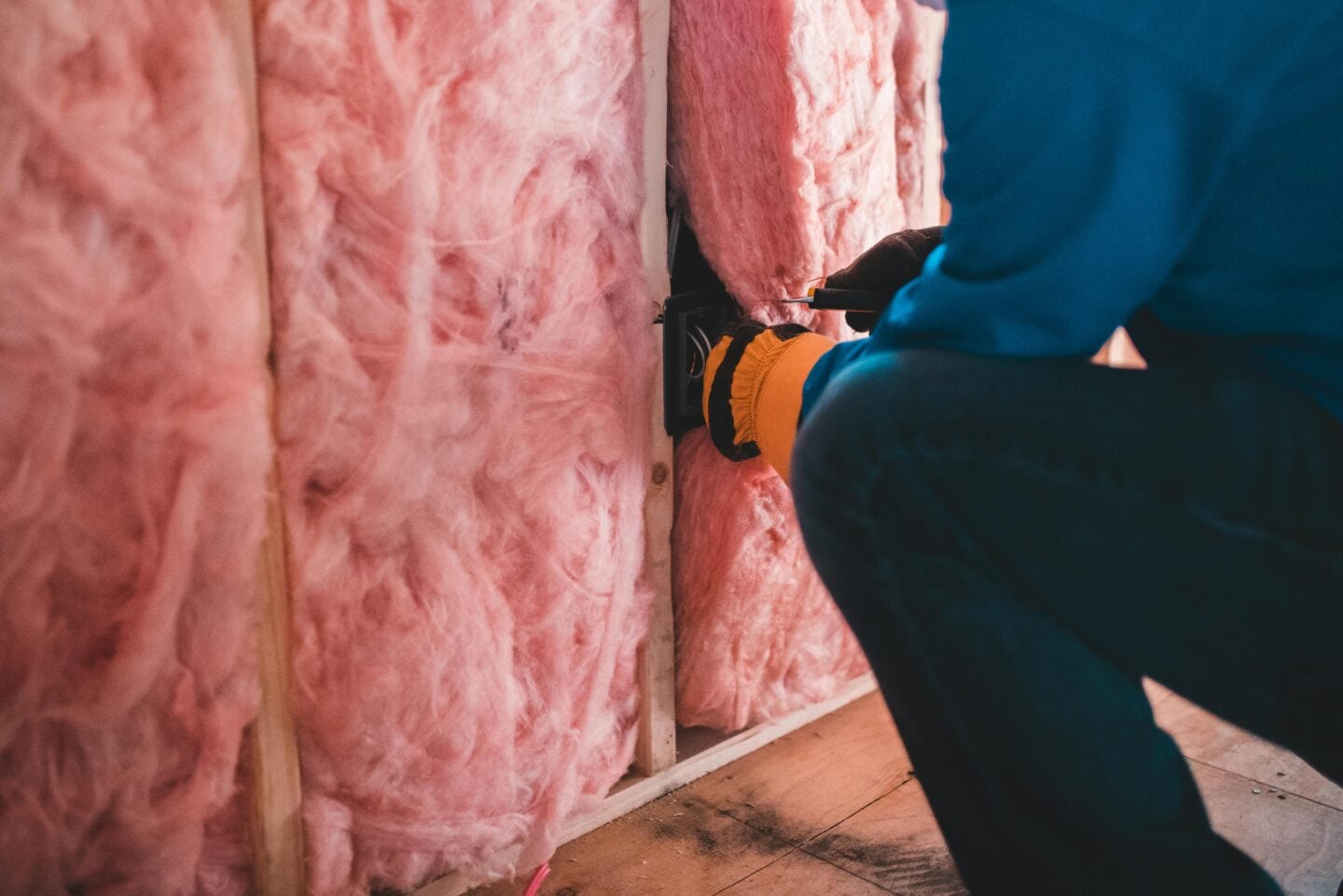
Insulation really is one of the cheapest home upgrades around, and yet it’s often overlooked. But if you don’t have sufficient insulation in your attic, walls, or crawl spaces, you’re basically throwing money out the window. Indeed, your heating and cooling systems are having to work harder to keep your home at a comfortable temperature.
Upgrading your insulation will make your home feel more stable and comfortable, and it’ll also reduce your energy demand. The savings are immediate, and they last a long time. In other words, insulation is one of the smartest financial upgrades you can make.
Outdoor Water Efficiency
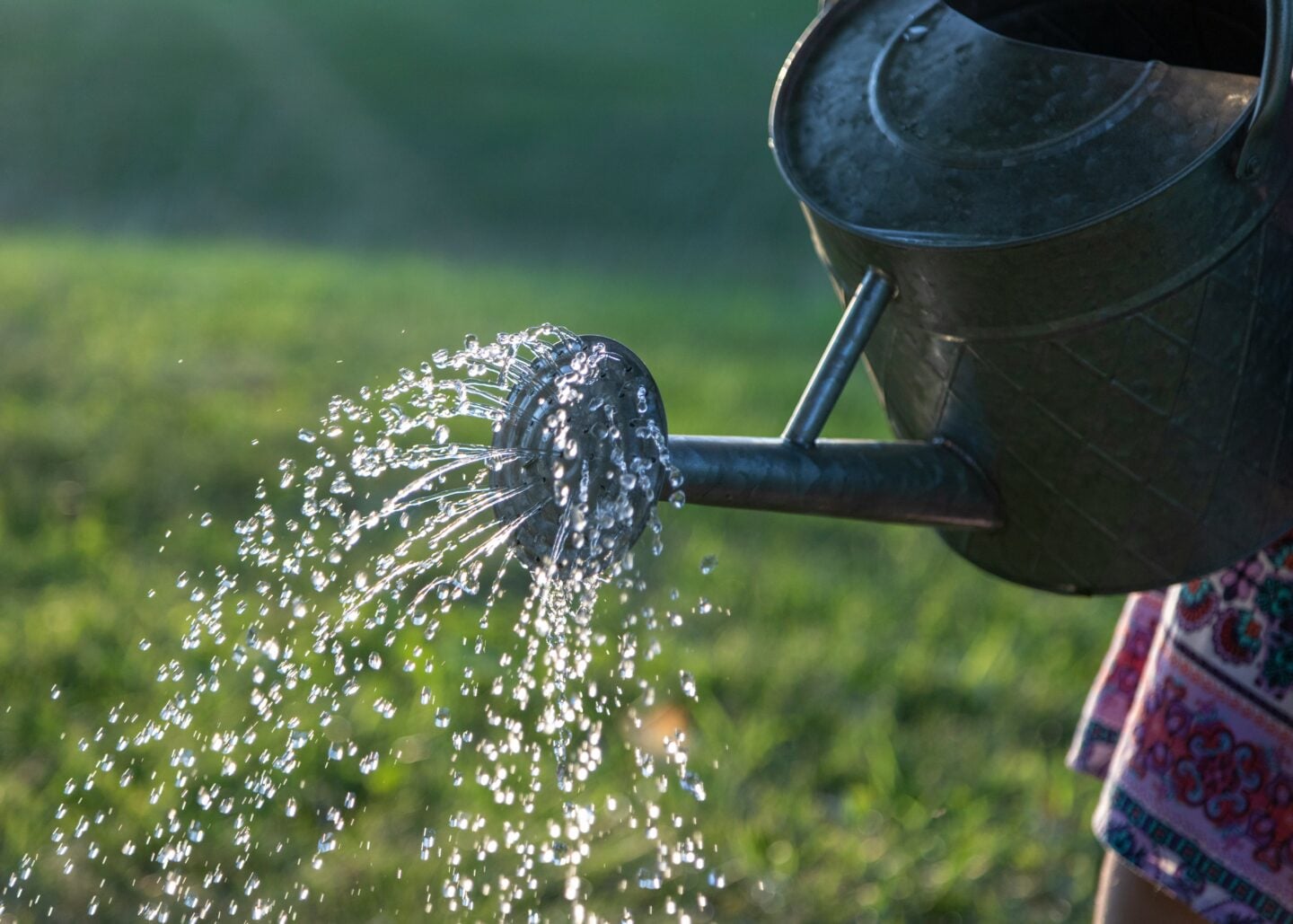
Outdoor water usage is an ongoing expense that is easy to underestimate. You may be thinking of turning the water off when you brush your teeth and having shorter showers, but what happens in the garden is often overlooked. Indeed, outdoor irrigation, watering, and general landscaping purposes can increase your water bills. So, it’s important to look into strategies to improve water efficiency outdoors, using systems like rain barrels, drought-tolerant landscape and drip irrigation systems, which can reduce water usage and keep your costs down.
LED Lighting
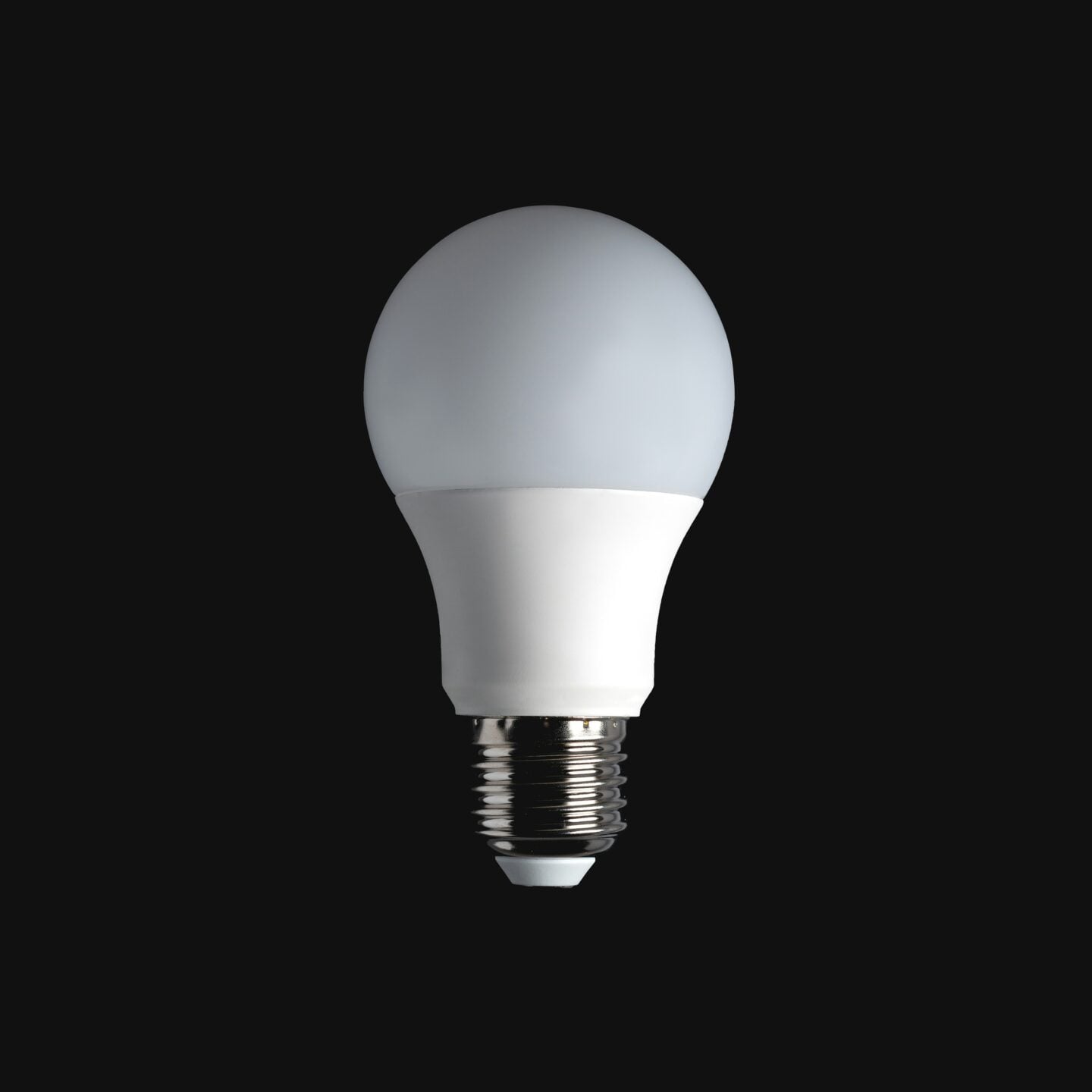
Switching to LED lighting is one of the quickest ways to cut your energy bills. LED lightbulbs use significantly less electricity than regular bulbs, and they last a lot longer, too. To put it simply, this means you’ll be saving money on replacement costs as well as energy bills.
Ultimately, lighting is used all the time, so the savings will add up over time. Additionally, replacing your lightbulbs is a relatively quick and painless upgrade with immediate benefits. So, there’s nothing keeping you from making this switch today.
Installing Ceiling Fans

Ceiling fans are one of the simplest upgrades you can do, but they can make a surprisingly big difference in your energy bills. In the summer, they ensure that the AC can be more efficient, which means it runs less for the same cooling benefits. In the winter, they help circulate warm air more efficiently, too.
So, in a nutshell, your heating and cooling systems will be working less for the same comfort, and that’s a big win for your wallet. Plus, ceiling fans are not expensive to install.
Tankless Water Heater
Traditional water heaters are storing and heating water continuously, even when nobody’s using it. On the other hand, tankless water heaters only heat water on demand, which makes them more efficient. They are also space-efficient, which can be a bonus in small households
Tankless systems tend to last longer than traditional ones, too, so this makes them a valuable investment in the long term. They might be pricier upfront, but the combination of energy savings and longer lifespan makes tankless water heaters a solid investment.
Growing Your Own Food

With food prices on the rise, growing some of your own produce can take a big load off your grocery budget. Having a home garden lets you save money on veggies, herbs, and fruits, and it gives you access to fresh, seasonal food that’s often healthier than what you’d buy in the store.
It might take a bit of an initial investment to get set up with soil, tools, and seeds, but it pays off through repeated harvests. Plus, growing your own food tends to make you less wasteful, since you only harvest what you need.
When you start thinking of home improvements as a financial move for your family, rather than only in terms of comfort or convenience, you can suddenly unlock new ways of reaching financial stability for you and your loved ones.
Thanks for stopping by!
Magda
xoxo
<3