Winter gardens are often overlooked, dismissed as bare, lifeless spaces waiting for spring to arrive. But with a bit of forethought and the right planting strategy, even the coldest months can deliver charm, color, and signs of renewal. One of the best-kept secrets for injecting vibrancy into the winter landscape lies in planting early blooming bulbs. These cold-hardy flowers defy the season, offering hope and visual interest when most of your garden lies dormant.
This guide will take you through the benefits of winter bulbs, how to care for them, design ideas to elevate your garden, and the deeper meaning behind creating beauty during the bleakest time of the year.
Why Plant Winter-Blooming Bulbs?

As gardeners, we often focus our energy on the bursts of color that arrive in late spring or summer. But some of the most magical moments come from the earliest signs of life, pushing through the snow and frost.
Planting bulbs like Chionodoxa (commonly known as Glory of the Snow), snowdrops (Galanthus), and winter aconite (Eranthis hyemalis) allows you to enjoy those first vibrant blooms at a time when nature feels at a standstill.
Here’s why these hardy early bloomers are a smart choice for any garden:
- Visual uplift when you need it most: A splash of color against a snowy or dull winter backdrop offers emotional as well as aesthetic rewards.
- Minimal upkeep required: Many early bulbs naturalize easily, returning each year in even greater numbers. Once planted, they often require little intervention.
- Support for pollinators: Early flowers provide essential nectar and pollen for bees and other insects emerging from hibernation, offering them a much-needed lifeline in the colder months.
Incorporating winter-blooming bulbs into your garden is not just about adding beauty- it’s about extending the life of your outdoor space and contributing to your local ecosystem.
Care Basics: How To Plant And Nurture Early Bulbs

Winter bulbs are easy to grow, but planting them correctly ensures the best results year after year. Timing and placement matter, and with a few basic techniques, you can enjoy long-lasting displays with little maintenance.
When to Plant
Plant your bulbs in the fall – ideally 4 to 6 weeks before your region’s first expected frost. This gives them enough time to develop strong root systems before winter fully sets in.
How Deep and How Far Apart
Bulbs should generally be planted 3 to 4 inches deep and spaced 3 to 6 inches apart. This allows for a dense, naturalistic carpet of blooms, especially effective under trees or along paths.
Light and Soil Preferences
Most early bulbs prefer full sun to partial shade. Because trees have not yet leafed out in early spring, these bulbs thrive beneath deciduous canopies where sunlight can still filter through.
The soil should be well-drained and either neutral or slightly acidic. Bulbs are prone to rot if the soil remains soggy, so avoid heavy clay or poorly drained areas unless amended properly.
Watering and Feeding
Give your bulbs a thorough watering at the time of planting to help settle them into the soil. In early spring, you can water again if there has been little rainfall. For an extra boost, apply a balanced fertilizer early in the season, though many bulbs will perform well without it.
These care steps form the foundation of a winter garden that practically takes care of itself.
Seasonal Maintenance Tips
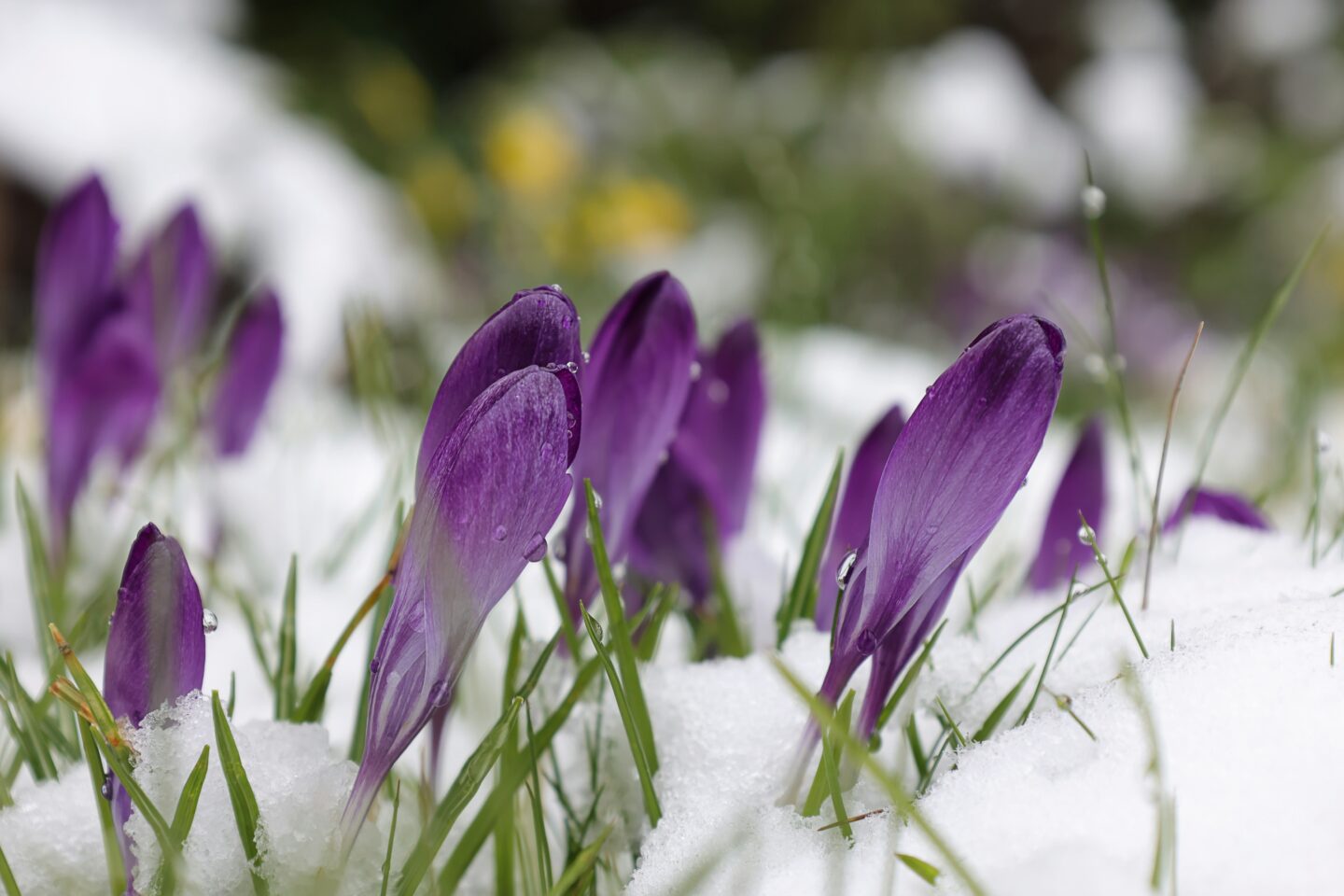
Once you’ve planted your bulbs, a little seasonal attention can keep them blooming beautifully year after year.
After They Bloom
Let the foliage die back naturally after blooming. Although the leaves may not be particularly attractive, they are essential for photosynthesis, which recharges the bulb’s energy stores for the following season.
Resist the temptation to cut them back early. Only remove the leaves once they’ve fully yellowed and withered.
Dividing and Replanting
Over time, clumps of bulbs may become overcrowded, reducing the number of blooms. Every two to three years, dig up and divide the clumps to allow each bulb space to thrive. This is also a great opportunity to expand your displays into new areas of the garden.
Protection from Extreme Cold
While most winter bulbs are cold-hardy, a layer of mulch can help insulate the soil during severe temperature drops. This is especially helpful in areas prone to late frosts or sudden cold snaps.
Watch for Pests and Rot
Rot is the primary concern with bulbs, especially in waterlogged soil. Always ensure good drainage, and inspect bulbs for soft spots before planting. If you’re in a particularly damp climate, consider planting bulbs in raised beds or containers.
With proper maintenance, your winter bulbs will multiply, naturalize, and continue to surprise you with their tenacity and beauty.
Design Inspiration: Creative Planting Ideas

Early blooming bulbs aren’t just functional – they can be highly decorative. With a little creativity, you can transform your garden into a winter wonderland filled with texture, color, and visual storytelling.
Woodland Carpets
Create a magical woodland effect by planting bulbs beneath trees or large shrubs. Since these areas receive plenty of light before the trees leaf out, they are ideal locations. The layered look of snowdrops or Chionodoxa beneath bare branches creates a stunning natural tableau.
Rock Garden Highlights
Incorporate early bulbs into rock gardens where their delicate shapes contrast beautifully with the rugged texture of stones. For layered beauty, combine them with hardy alpine plants such as wall cress. This pairing adds dimension and interest to even small spaces.
Container Displays
If space is limited or you’re looking to bring some of the outdoors in, early bulbs do exceptionally well in containers. Choose frost-resistant pots and ensure good drainage. You can position these on a sheltered patio, balcony, or even indoors near a sunny window. Mix and match varieties for extended blooming and color variation.
Create a Visual Journal
For those who enjoy garden photography or storytelling, consider documenting your bulb garden’s progress through weekly photos. Capture macro shots of emerging buds and wider scenes as blooms spread across your garden. Over time, these images become a beautiful seasonal record – and a source of inspiration for future plantings.
You can also craft a garden-themed photo collage – snap your bulb display each week as it grows, mixing close-ups of blooms with wider garden shots. It’s both inspiring and a great digital memory keepsake.
Why It Matters
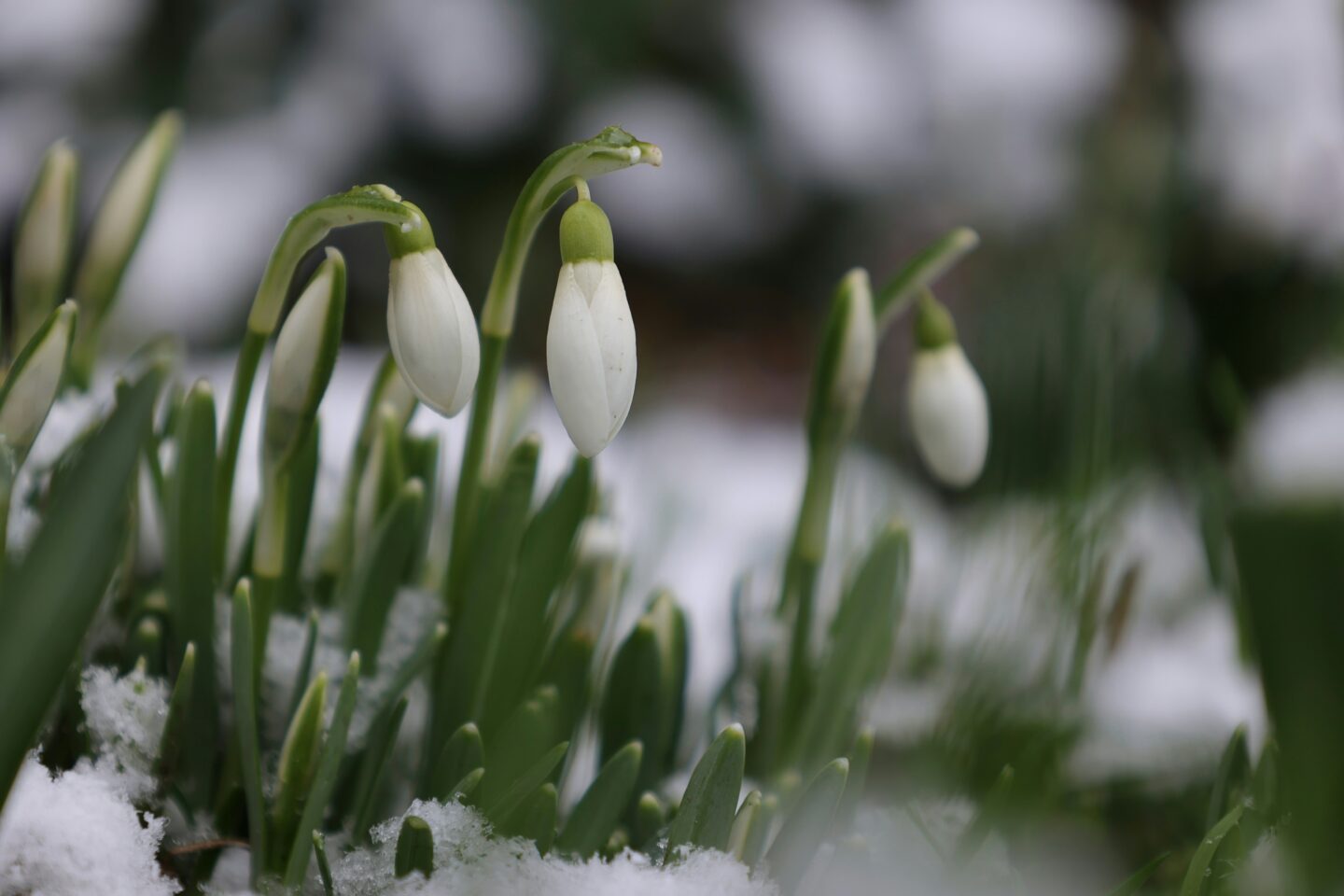
There’s something deeply symbolic about planting bulbs just before the darkness of winter sets in – knowing that beneath the frozen soil, life is preparing its return. Early bulbs are more than just early bloomers; they are messengers of hope and persistence.
They matter because they:
- Remind us that nature is resilient, even in its quietest moments
- Offer support to early pollinators, whose survival depends on reliable nectar sources
- Bring structure and color to an otherwise gray and lifeless garden
In many ways, these humble plants represent optimism – a quiet promise that light and warmth will return.
Final Takeaways
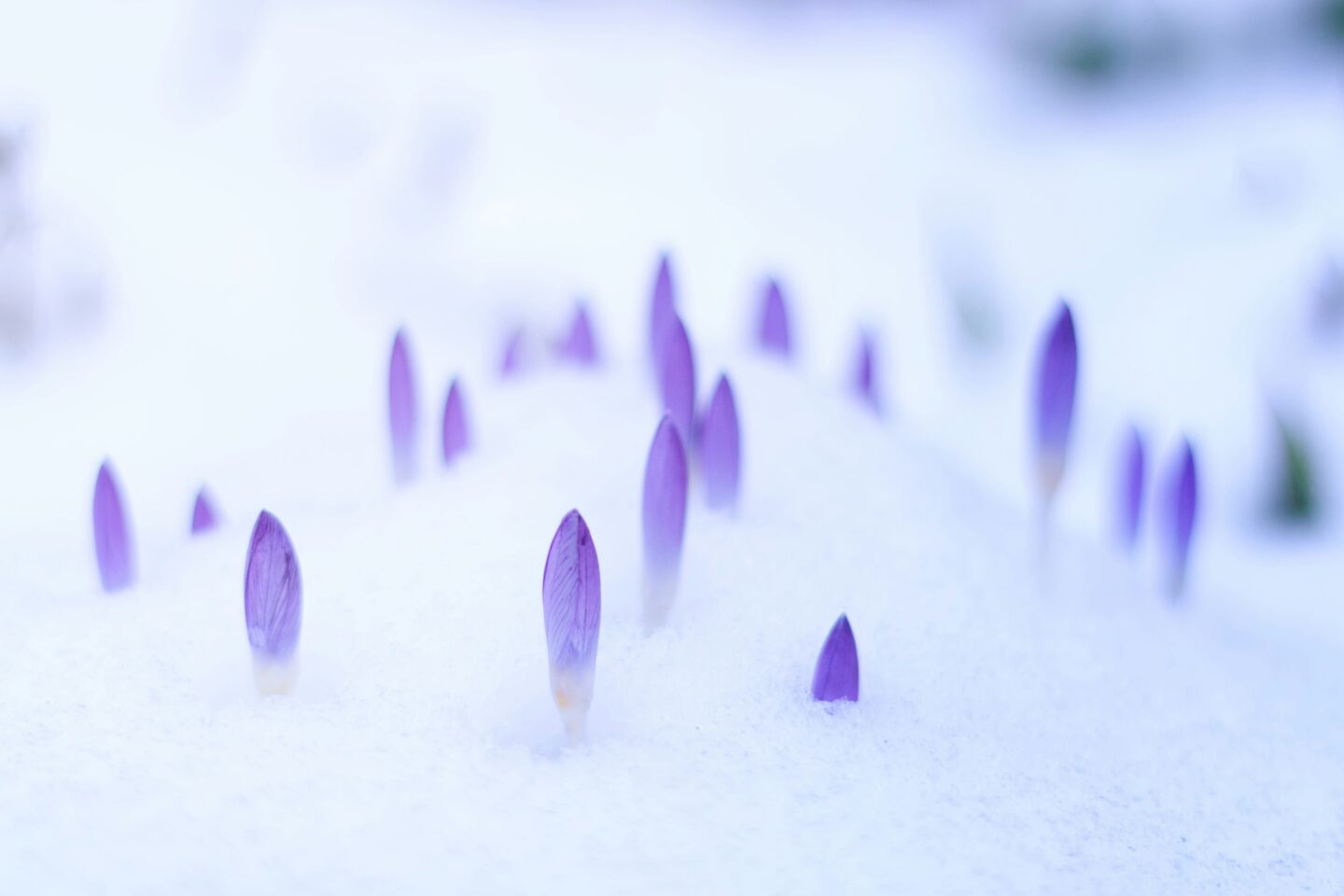
Planting winter and early spring bulbs may be one of the most rewarding gardening experiences you can have. With minimal effort, you can craft a garden that surprises and delights at a time when most are waiting for spring to begin.
Here’s what you’ll gain:
- Reliable early-season color, sometimes emerging before the last frost
- Low-maintenance, high-impact results that often improve with time
- Creative opportunities for garden design, photography, and wildlife support
Don’t let winter be an empty page in your gardening calendar. With the right bulbs and a little care, your garden can offer beauty, energy, and joy – even in the heart of the coldest season.
Thanks for stopping by!
Magda
xoxo