Family trips place kids in fresh situations that gently stretch their comfort zones. New sights, unfamiliar foods, and different routines invite them to think, act, and speak for themselves in ways they may not practice at home. Each moment – ordering a meal, asking a question, or choosing an activity – gives a child a chance to handle something real. These small moments help form a strong sense of self.
In the early part of any trip, kids often look to parents for cues. As they warm up and start participating, their confidence grows. This shift happens naturally when families create space for kids to make choices. Reading simple signs, picking a path on a nature walk, or handling small tasks all help them feel capable.
Small Challenges With Big Results
Encouraging Responsibility
Assigning children minor roles during a trip demonstrates trust. That trust serves as a stepping stone toward confidence. Some easy ideas include:
- Letting kids handle their day bag
- Asking them to keep track of one daily plan
- Allowing them to order their own meal
- Giving them a simple map to follow in a safe area
These tasks are not too heavy, yet they carry meaning. A child who handles a task well feels a real sense of achievement. If the task doesn’t go perfectly, that also becomes helpful. Kids learn that mistakes can be fixed and that they can try again.
Building Problem-Solving Skills
Travel naturally brings small hiccups. A delayed bus, a sudden rain shower, or a closed shop gives kids a chance to think on their feet. They learn to weigh options, ask questions, and find new plans. Because they are not facing these moments alone, the process remains encouraging rather than frightening.
Parents can guide kids by:
- Asking what they think the next step should be
- Talking through choices together
- Praising the effort they put in
Families seeking to integrate learning with travel may benefit from the Tuttle Twins books and resources. Their stories make important ideas easy for children to grasp engagingly.
Using Planning As A Learning Tool
Getting Kids Involved Before the Trip
Planning teaches kids that their ideas matter. Involving them early adds excitement and reduces nerves. Start by offering limited options, such as picking between two towns or two activities. This supports decision-making without overwhelming them.
Simple planning tasks kids can help with include:
- Checking the forecast
- Creating a small list of items they want to bring
- Setting a tiny spending budget for souvenirs
- Looking up one fun fact about the destination
These steps teach responsibility and independence in a steady, safe way.
Teaching Money Sense
Travel gives a perfect chance to introduce basic money skills. Kids can compare prices, decide what is worth buying, or save for one special thing. Handling small amounts of money builds practical confidence. It also keeps them engaged throughout the trip because they now have their own goals and priorities.
Encouraging Independence With A Strong Safety Net
Allowing Space While Staying Close
Kids need chances to act independently, but they also need clear support. Parents can provide this balance by granting freedom in small increments. For younger kids, this could be choosing their seat in a café or visiting a nearby display while staying in sight. For older kids, it might be walking a short distance in a safe market to pick a snack.
Clear boundaries keep everyone comfortable. When kids complete these tasks, they feel proud. They also learn how to act responsibly when trusted.
One-on-One Mini Trips
Some families try short trips with one child at a time. This provides children with focused attention and more opportunities to lead. On these mini adventures, kids often rise to the moment because they feel valued. They choose activities, help with directions, and take part in discussions in ways they might not do in larger groups.
These experiences help kids see themselves as capable travelers, not just followers.
Handling Nerves And Setbacks
Helping Kids Warm Up to New Surroundings
Even confident kids may feel uneasy in unfamiliar settings. A simple talk before each activity can reduce worry. Explain what will happen next, where you will be, and what they can do if they feel unsure. This gives structure, which helps kids relax.
Parents can also model calm behavior. When kids see adults stay steady during setbacks, they copy that attitude. Celebrate effort anytime kids try something unfamiliar – tasting a new dish, speaking a few words in another language, or asking a guide a simple question.
Understanding That Growth Takes Time
Confidence does not develop in a single moment. It develops through repeated experiences in which children feel safe, heard, and capable. Some days will go smoothly; some will not. What matters is supporting kids through both. Each small step contributes to long-term strength.
Activities That Boost Confidence During Travel
Scavenger Hunts
A quick scavenger hunt in a new city or park helps kids explore with purpose. Give them a list of simple things to find: a local fruit, a landmark, or a type of street sign. This sparks curiosity and active participation.
Nature Trips
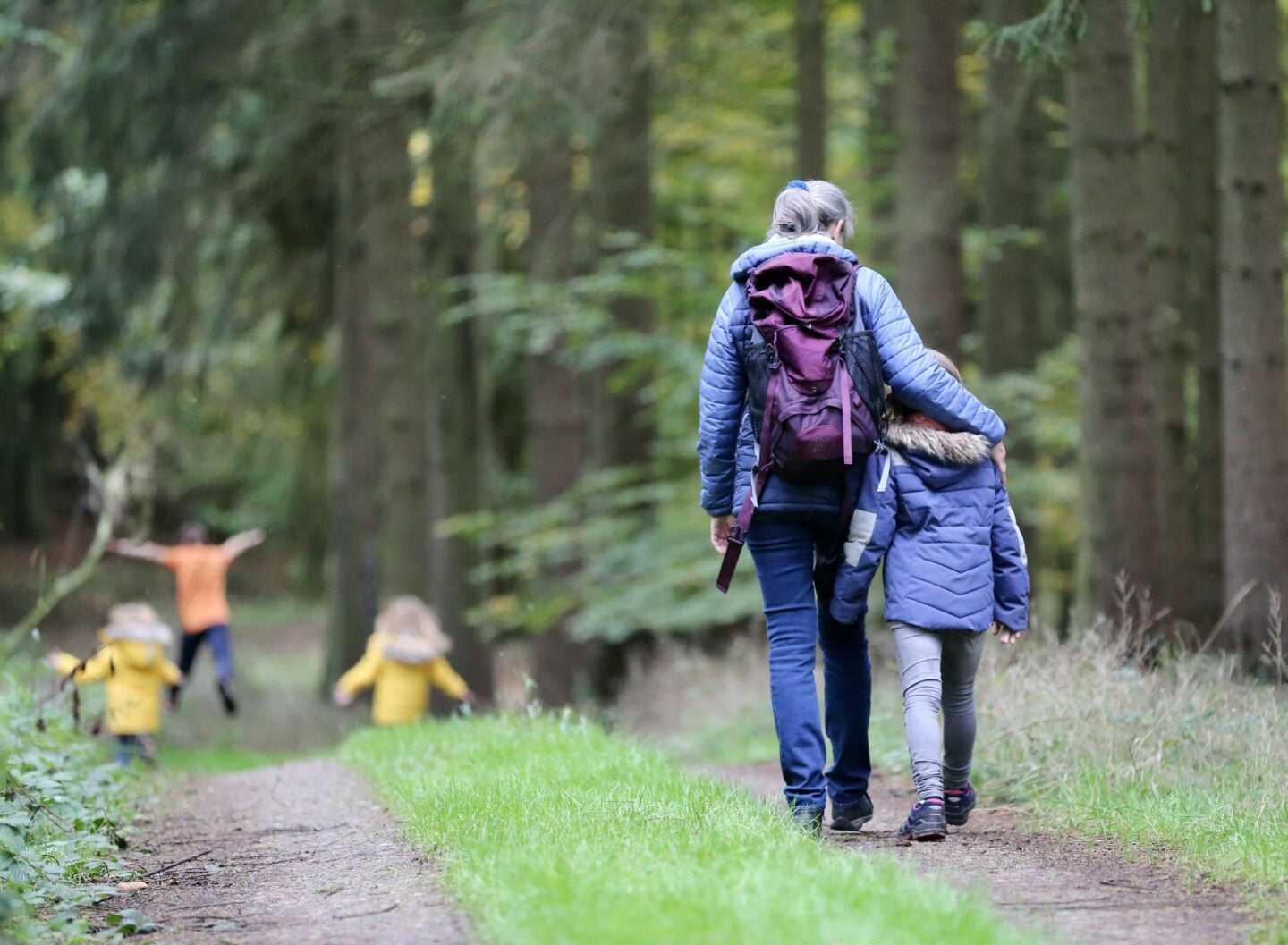
A weekend in nature offers endless chances to lead. Kids can help choose a trail, set up part of a tent, or gather supplies. Nature encourages hands-on participation, which builds both skills and confidence.
Cultural Days
Visiting a museum, taking a workshop, or attending a local event encourages kids to ask questions and interact. These experiences open conversations about traditions, history, and daily life. Kids feel more confident each time they engage.
Travel Journals
A small journal or photo log provides children with a way to reflect. Writing down highlights or snapping photos helps them see the progress they made. It becomes a record of bravery, choices, and new skills.
The Long-Term Payoff
Kids who travel with supportive families often carry those lessons far beyond the trip. They learn to trust their instincts, adapt to change, and participate in shared decision-making. These traits help in school, friendships, hobbies, and future travel.
Family trips don’t need to be grand or far. Short local outings can bring the same benefits. What matters most is giving kids a role, listening to their ideas, and letting them try.
Final Thoughts
Travel offers a steady stream of moments that help kids discover what they can do. With guidance and patience, kids grow more confident each time they face something new. By planning together, sharing decisions, and celebrating effort, families create an environment where kids feel strong, brave, and ready for more.
Thanks for stopping by!
Magda
xoxo
<3