Most businesses are built for good times. When the economy shifts, they feel it fast.
The businesses that hold up are different. They sell things people need regardless of what the market is doing. They carry low overhead. They tap into demand that doesn’t disappear when consumer confidence drops.
Starting one of these isn’t about being pessimistic. It’s about being practical. The smartest entrepreneurs think about durability from day one.
What Makes A Business Truly Recession-Resistant
Not every business that claims to be recession-proof actually is. The ones that earn that title share a few common traits.
They serve non-discretionary needs. Think plumbing repairs, not restaurant dining. Think healthcare, not luxury travel.
They have low fixed costs. A business that doesn’t need a large physical footprint or a big team can weather slow periods without bleeding out.
They generate repeat revenue. Customers who come back regularly are far more valuable than one-time buyers, especially during a downturn.
And they tend to operate in fragmented markets. When an industry is full of small independent operators with no brand consistency, a well-run business with proper systems stands out immediately.
Home Inspection
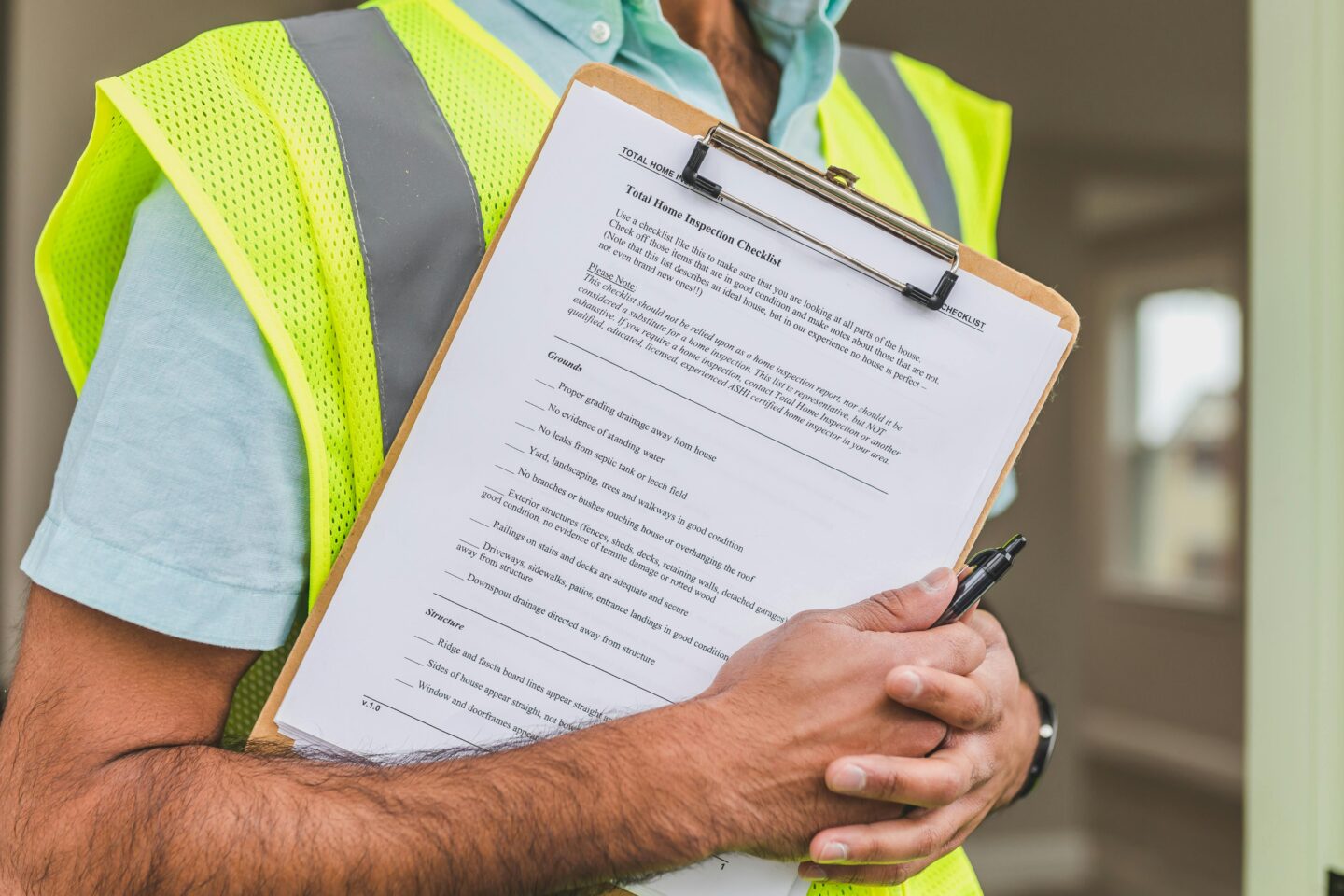
Home inspection is one of the most overlooked business opportunities in a stable economy. In a volatile one, it becomes even more valuable.
The U.S. home inspection industry is expected to reach $25 billion by 2029, growing at a CAGR of 8%. Two-thirds of buyers make their purchase offers contingent on a passing home inspection. That number held strong even through the unusual market conditions of 2023 and 2024.
When housing markets slow, existing homeowners still need maintenance inspections, pre-listing inspections, and specialty assessments for radon, mold, and sewer systems. That creates a cushion that pure transaction-dependent businesses don’t have.
The startup costs are modest. There’s no commercial space required. A van, inspection equipment, and reporting software cover most of the initial outlay. Franchise models are available for those who want a structured entry point. Exploring home inspection franchise opportunities is worth doing before deciding between going independent or buying into an established system. The support infrastructure a franchise provides can compress the learning curve significantly.
Essential Home Services
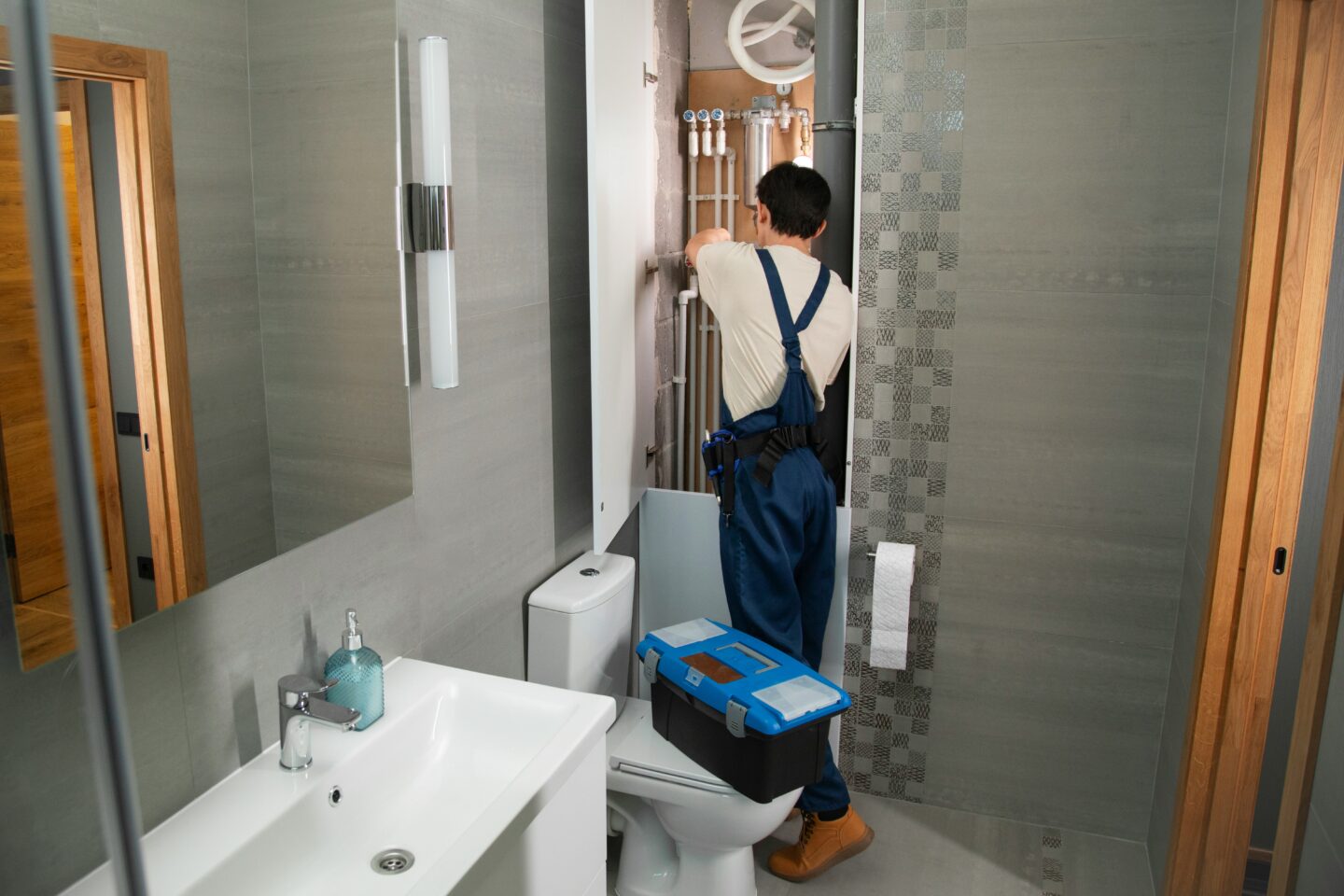
Plumbers, electricians, and HVAC technicians see consistent demand in any economy. Homes need maintenance. Systems break down. Repairs can’t be deferred indefinitely.
The median age of a U.S. home now exceeds 40 years. Older homes need more work. That’s a structural driver of demand, not a cyclical one.
These trades also benefit from a shrinking supply of skilled labor. Fewer young workers are entering the trades. That pushes rates up and keeps established operators busy even when the broader economy softens.
The barriers to entry are real. Licensing requirements vary by state and trade. Getting certified takes time. But those same barriers protect operators who do the work. Once you’re established, competition is limited by geography and credential requirements rather than just price.
Auto Repair
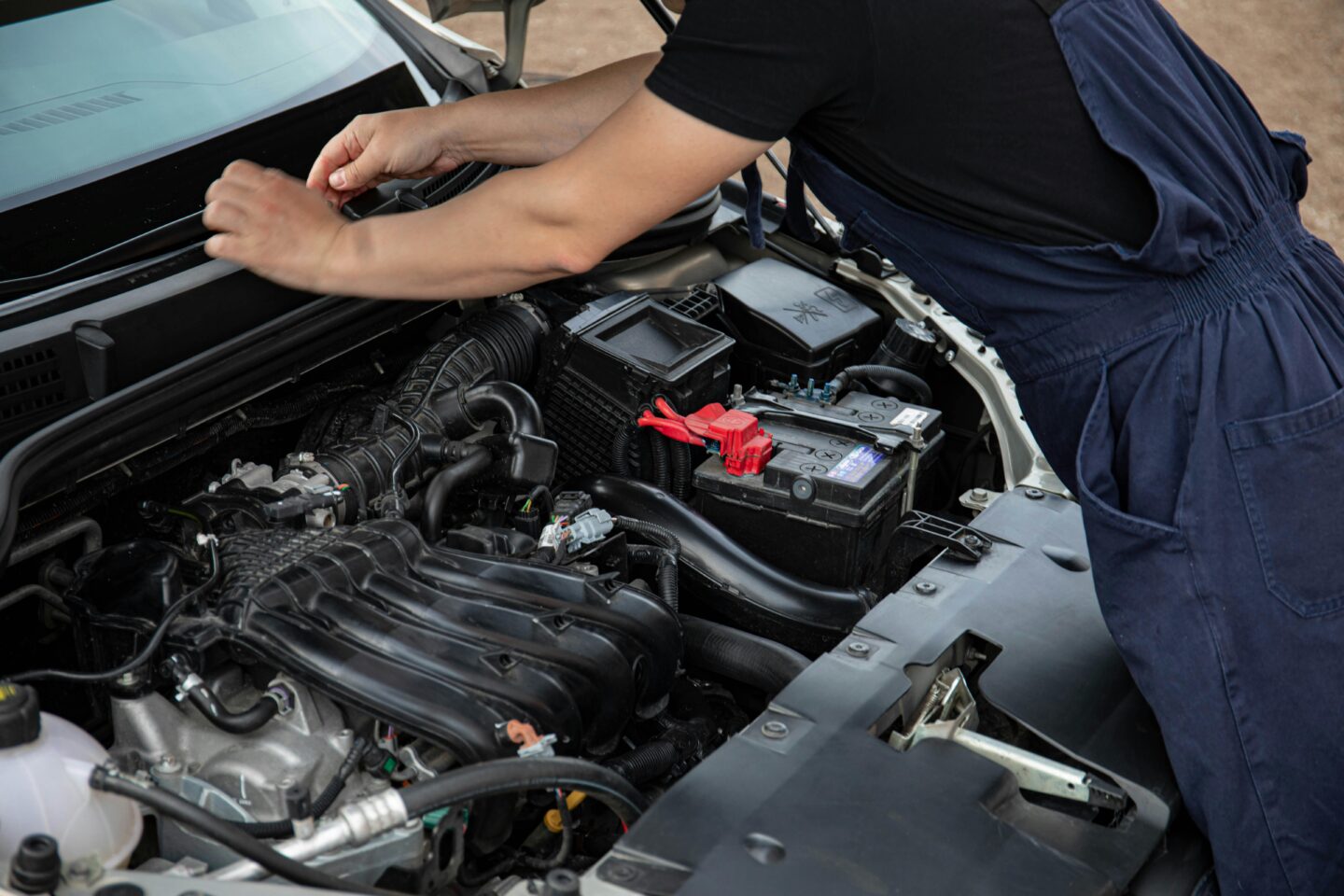
When money gets tight, people keep their cars longer. Instead of buying new, they invest in maintaining what they have.
This behavioral shift is consistent across every major recession on record. Auto repair shops see increased volume during downturns as consumers extend vehicle lifespans.
The business model is straightforward. High repeat frequency. Multiple revenue streams from maintenance, diagnostics, and parts. The ability to build long-term customer relationships that generate referral business.
Mobile mechanics and specialty shops targeting specific makes or services can operate with lower overhead than full-service garages. That flexibility makes it easier to scale up or down depending on demand.
Accounting And Tax Services

Businesses and individuals need financial help in any economy. In a difficult economy, that need intensifies.
People facing job changes, business pivots, or investment losses often need professional guidance more than they do in stable times. Tax complexity doesn’t decrease during recessions.
The business itself requires ongoing education and licensing but scales well once a client base is established. Monthly bookkeeping clients provide predictable recurring revenue. Tax season creates annual demand spikes. Both work together to smooth out cash flow.
Remote service delivery has also expanded the addressable market. An accountant no longer needs to be physically present to serve clients effectively.
Childcare And Education Services

Parents need childcare to work. That need doesn’t disappear during a downturn. In some cases, it intensifies as more adults return to work out of financial necessity.
Tutoring and test prep services see similar resilience. Education is something most families protect in their budget longer than discretionary spending.
The regulatory environment for childcare is complex and varies by state. That complexity creates barriers that limit competition once you’re licensed and operating. It also means that quality providers with strong reputations tend to retain clients even when families are cutting elsewhere.
What These Businesses Have In Common
Looking at these categories together, a pattern emerges:
- They address needs that don’t go away during recessions.
- They carry manageable startup costs relative to traditional retail or food businesses.
- They generate repeat customers or subscription-like revenue.
- They operate in markets where skilled operators are hard to replace.
- They benefit from word-of-mouth in ways that reduce reliance on paid advertising.
None of them are glamorous. That’s part of what makes them work. The businesses that attract the most attention are often the ones most exposed to economic cycles. The ones that hold up quietly tend to serve unglamorous but essential needs.
Final Thoughts
An economy-proof business isn’t a myth. It’s a category. The entrepreneurs who build lasting companies tend to operate in sectors where customers don’t have the option to stop buying. They control their costs carefully. They build relationships that survive economic pressure. That combination is available in more industries than most people realize.
Thanks for stopping by!
Magda
xoxo
<3