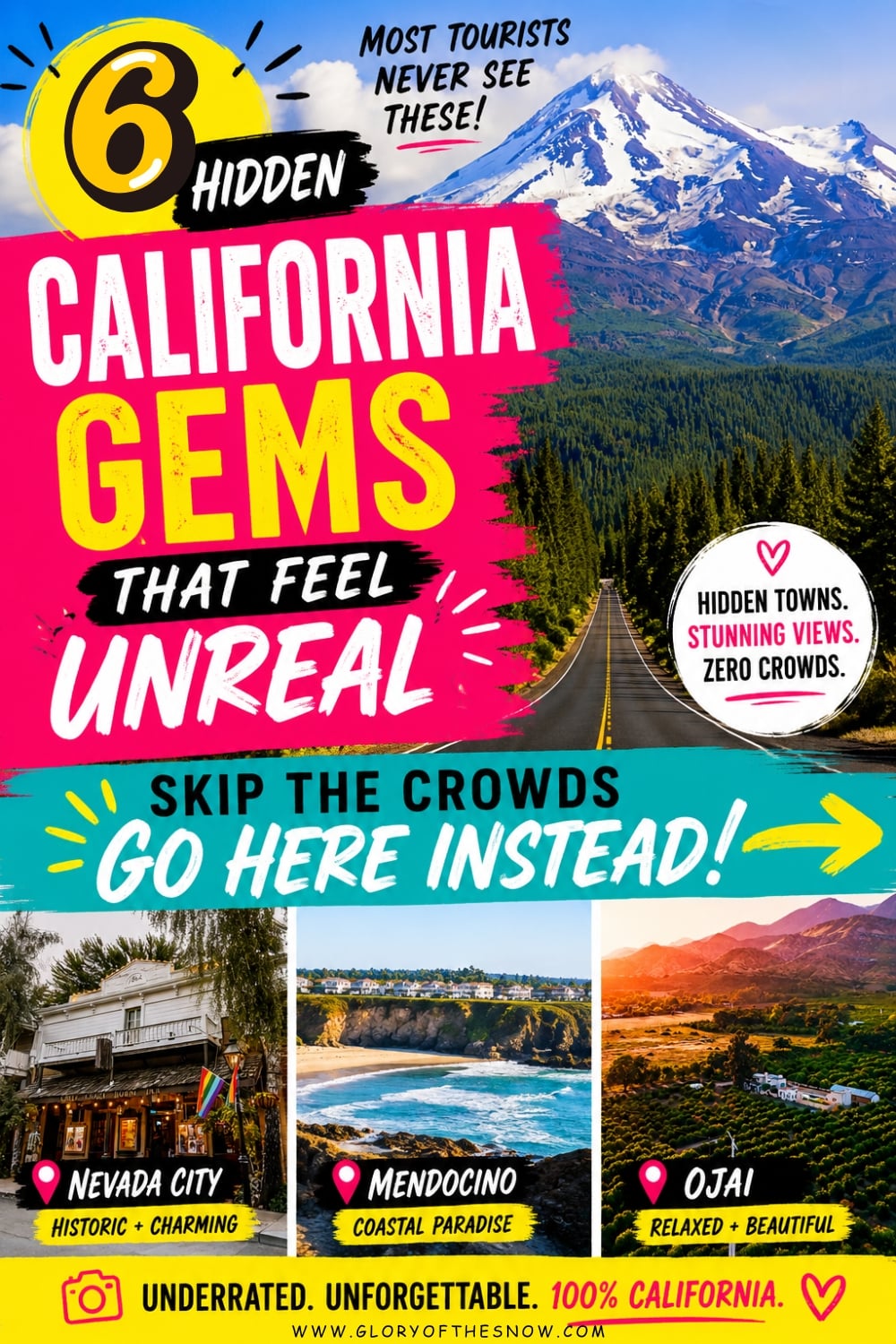
Most people arrive in California with the same mental map: San Francisco, Los Angeles, Napa, the Pacific Coast Highway. That version of the state is real, but it’s also incomplete. Things change as you move inland, push north, or simply turn away from the obvious routes.
This article follows a slower kind of journey through places that rarely appear on the standard itinerary. The goal isn’t to cover ground quickly or collect landmarks, but to spend enough time in each place to understand what makes it distinct, how it feels on a Tuesday afternoon when the crowds thin out, and what it reveals about a state far more layered than its reputation suggests.
The first stop sits along a northern stretch of coast that most travelers drive past without stopping.
Mendocino: Where The Coast Feels Removed From Everything
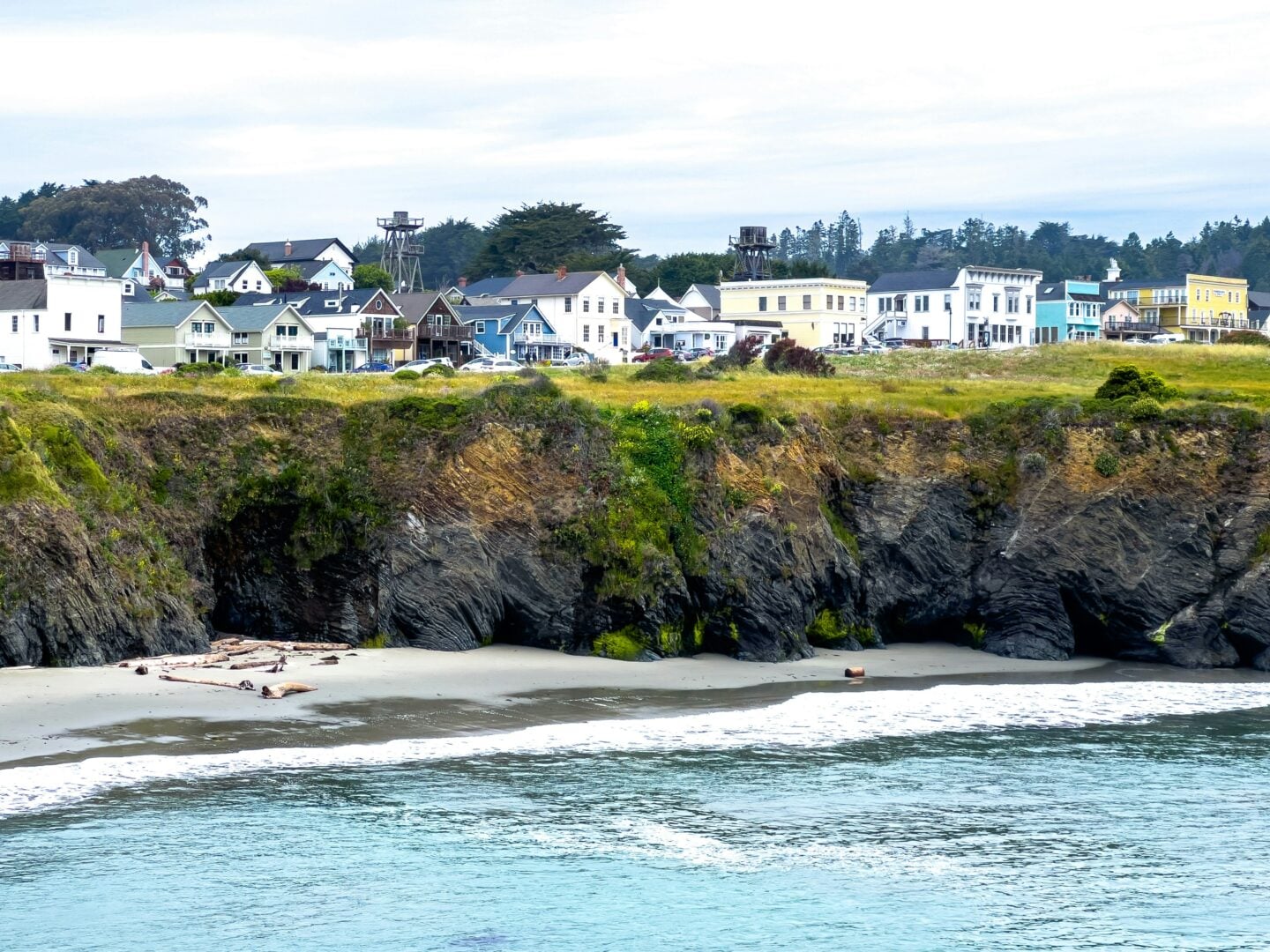
Leave the populated corridors of the Bay Area behind and drive north long enough, and the coastline stops performing. That’s the best way to describe Mendocino. The cliffs are amazing, and the ocean wind is persistent and cold, even in summer. The buildings are small, wooden, and weathered.
Mendocino doesn’t have the density of a tourist destination. It has a handful of local cafés, a few small inns, and an interesting artistic community. There are galleries, but they feel like working spaces rather than storefronts.
This isn’t a place built around activities or attractions. It’s a place where the coastline exists on its own terms, and visitors are simply present within it. Spending a day or two here recalibrates expectations for the rest of the journey, establishing a rhythm that’s slow, observant, and unhurried. Everything that follows builds from this starting point.
Nevada City: From Ocean Silence To Inland History
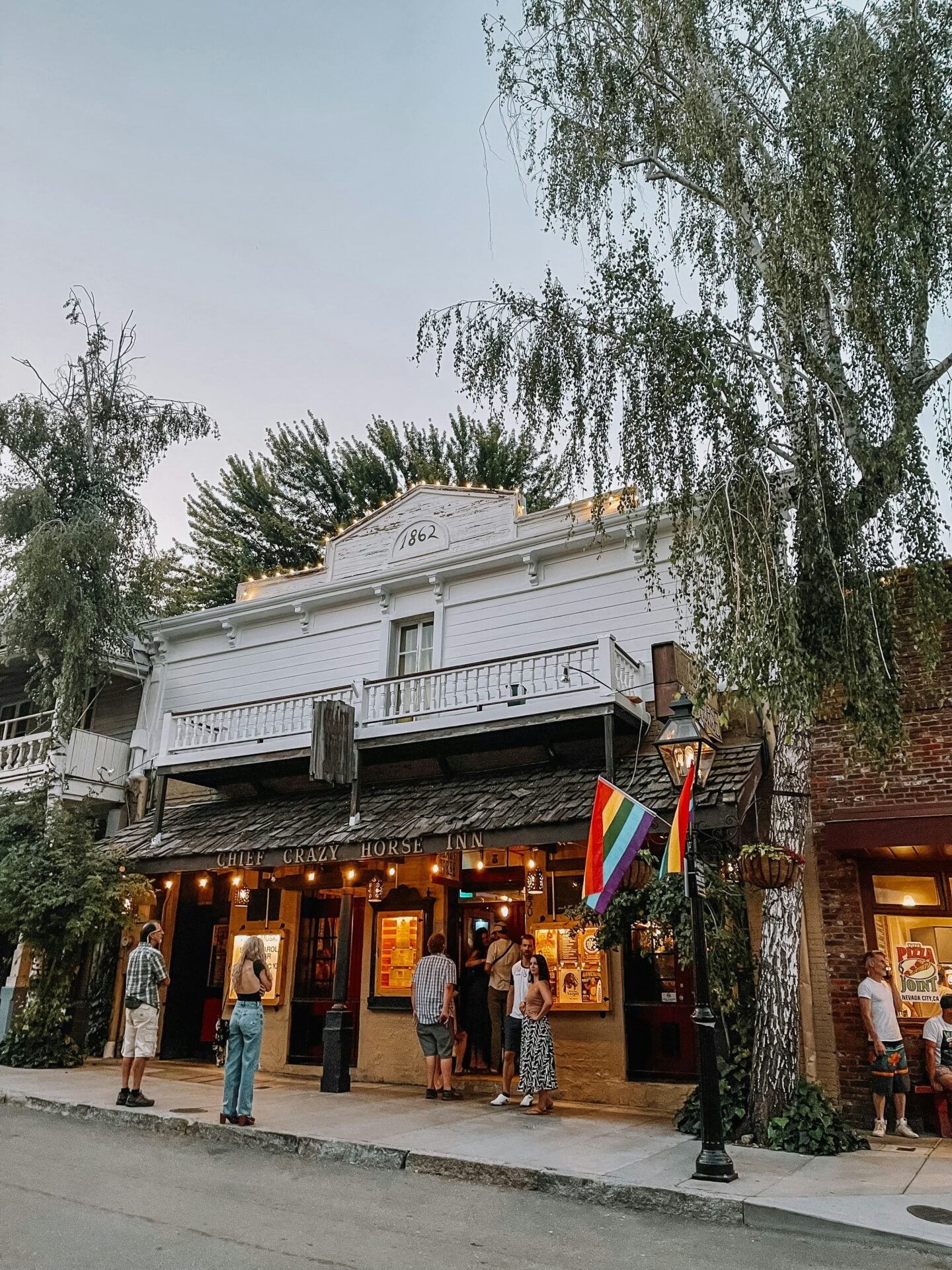
Moving inland from the coast, the environment shifts completely. Forested hills rise around narrow roads, and the landscape takes on a denser, quieter quality. Nevada City sits in the Sierra Nevada foothills, and arriving there feels like stepping into a version of California that most of the state has left behind.
The town is small and physically contained in a way that modern cities here are not. Its Gold Rush-era architecture has been preserved without being sanitized. Walking the main streets means moving through a layered timeline where older brick buildings and current local businesses exist side by side, with no obvious clash between them. The sidewalks are uneven in places and the storefronts are narrow. There are bookshops, local theaters, and coffee houses that feel genuinely embedded in the community rather than placed there for visitors.
What makes the town work as a travel stop is that it doesn’t perform its history. The past is just present, woven into the architecture and the scale of the streets. It reflects a slower, older model of California development, one that the Gold Rush created and modern growth largely bypassed.
From here, the journey moves toward a larger and more complex stop at the center of the state.
Sacramento: The Unexpected Treasure
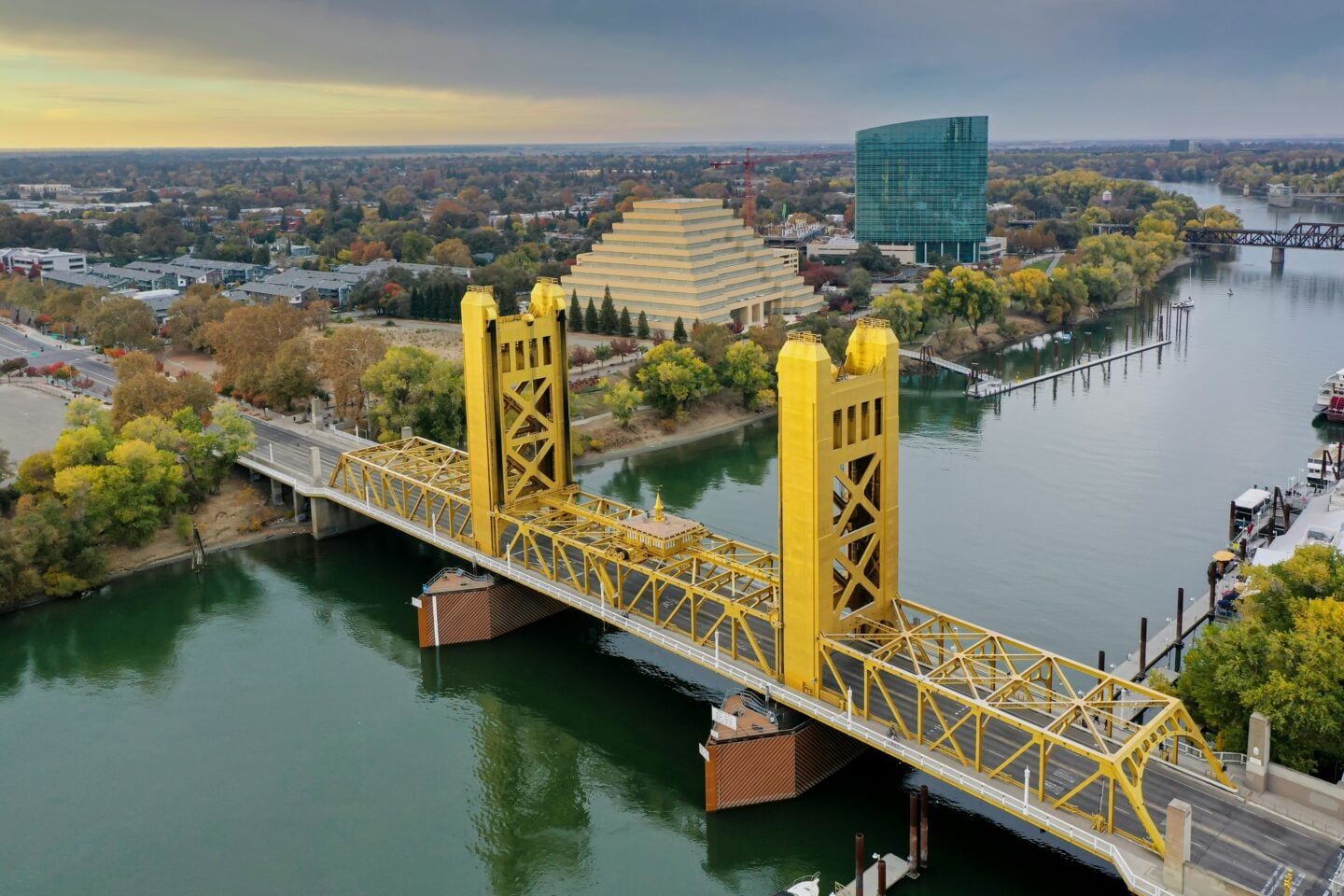
Arriving in Sacramento after Mendocino and Nevada City produces a specific kind of contrast. The city is urban and structured, but it doesn’t carry the velocity of San Francisco or Los Angeles. It feels like a place with weight and purpose, but not one that demands anything from you immediately.
Old Sacramento sits along the riverfront as a historical layer rather than a separate attraction. The wooden boardwalks, preserved storefronts, and warehouse buildings along the waterfront carry the same Gold Rush origins as Nevada City, but at a larger scale and within a functioning modern city. Sacramento holds two identities at once: state capital and frontier town. Neither cancels the other out.
The deeper character of the city comes from its relationship to the surrounding Central Valley. The city sits at the edge of one of the most productive agricultural regions in the country, and that connection shapes how it eats and how it understands itself. The farmers’ markets here reflect a genuine proximity to the land where the food is grown.
This abundance has helped shape everything from casual neighborhood restaurants to private dining in Sacramento, where seasonal ingredients often take center stage. Rather than relying on passing trends, many kitchens build their menus around what is being harvested nearby, creating meals that feel closely tied to the region and the time of year.
Sacramento acts as a bridge in this journey, connecting the state’s historical origins to its present and linking rural production to urban life. From here, the route turns south and west, toward a wine region.
Paso Robles: Wine Country Without The Pressure
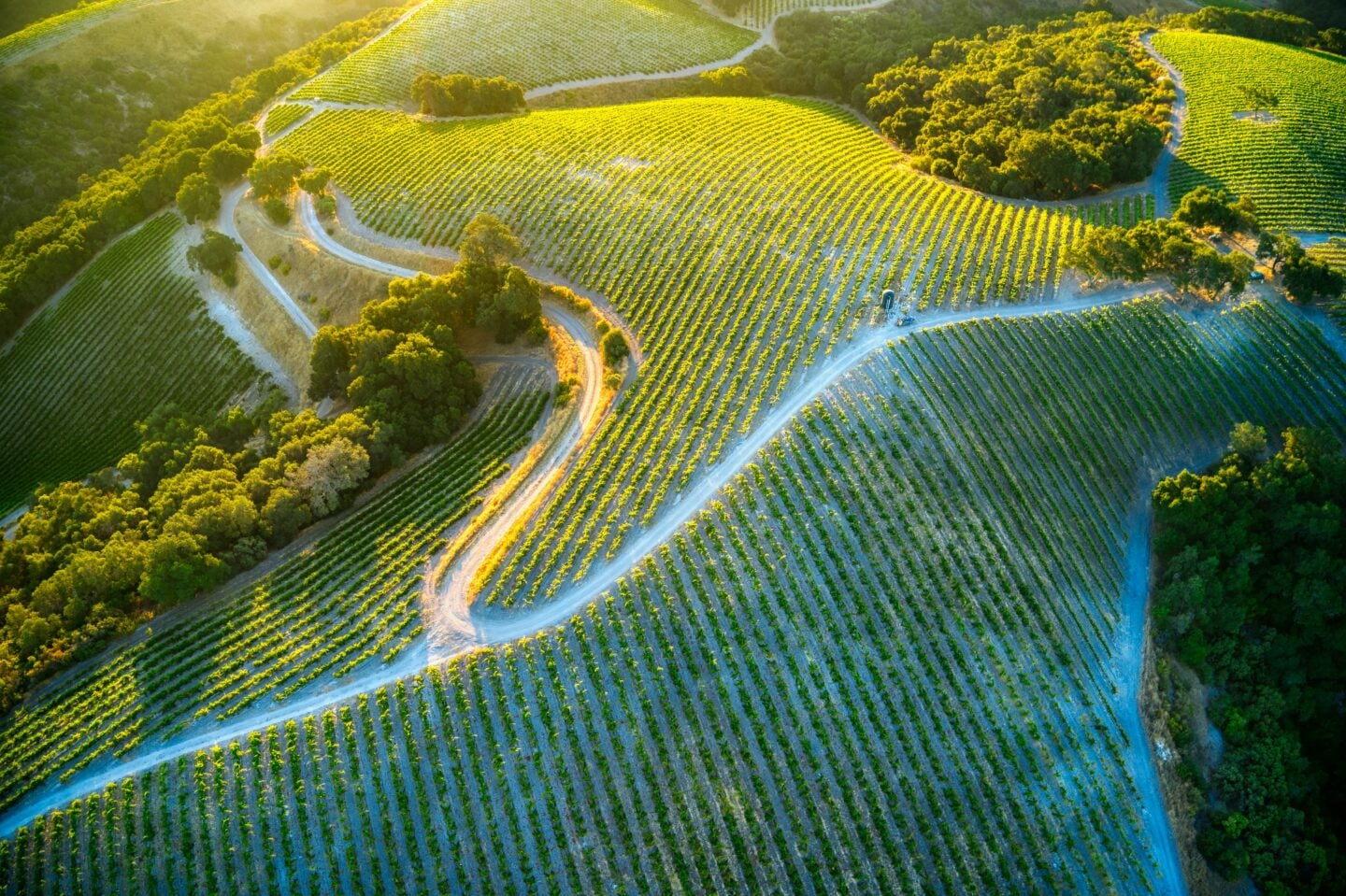
Napa Valley is polished, organized, and built around a specific kind of visitor experience. Paso Robles is something else entirely. The hills are wider and more open. The vineyards spread across the landscape without the density of the north, and the tasting rooms feel like places where the people pouring the wine actually want to talk.
The roads carry less traffic. The towns between wineries are small and functional rather than curated. There’s no sense that the region is performing for an audience, which makes it easier to settle in.
Traveling through Paso Robles works best when the schedule stays loose. The point isn’t to visit a set number of wineries or complete a route. It’s to stay in one environment long enough to absorb it, to let the landscape become familiar rather than treating it as a backdrop. Harder to plan. More satisfying in practice.
Ojai: A Valley That Encourages You To Stay Still
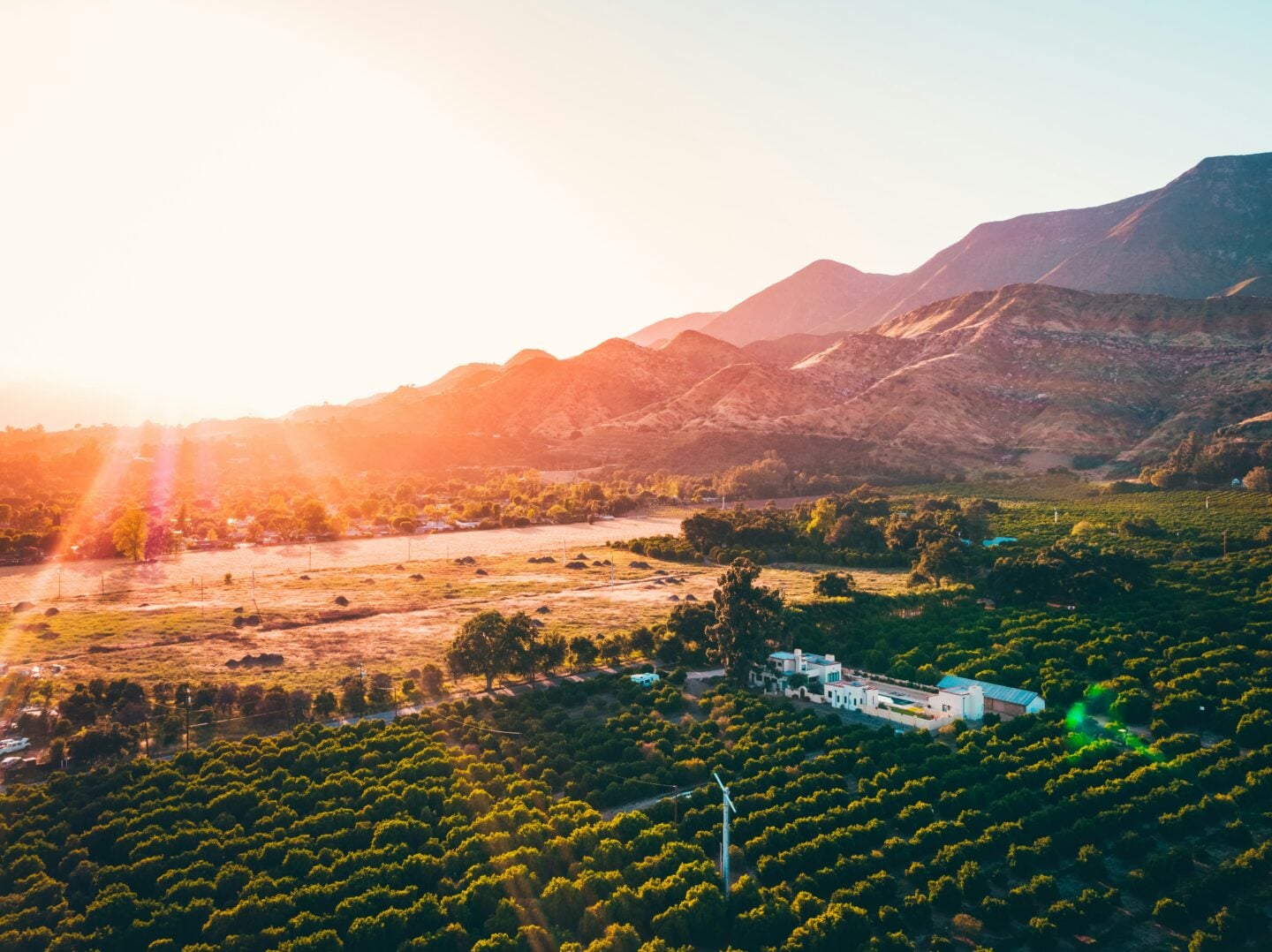
South of Paso Robles, the terrain shifts again. Ojai sits in an enclosed valley surrounded by mountains on multiple sides, and that geography shapes everything about how the town feels. This creates a sense of containment that slows people down without any effort.
There are small shops, open-air spaces, and a walkable main street that rewards patience rather than efficiency. People read in the parks here. They sit in the shade and stay longer than they planned.
Ojai isn’t built around sightseeing. It’s a place where the rhythm of the day becomes the experience: walking, observing, eating slowly, returning to the same corner at a different hour. That kind of stillness is harder to find than most travelers expect. This section of the journey feels like a pause before the final and most dramatic shift north.
Mount Shasta: Ending The Journey In Scale And Silence
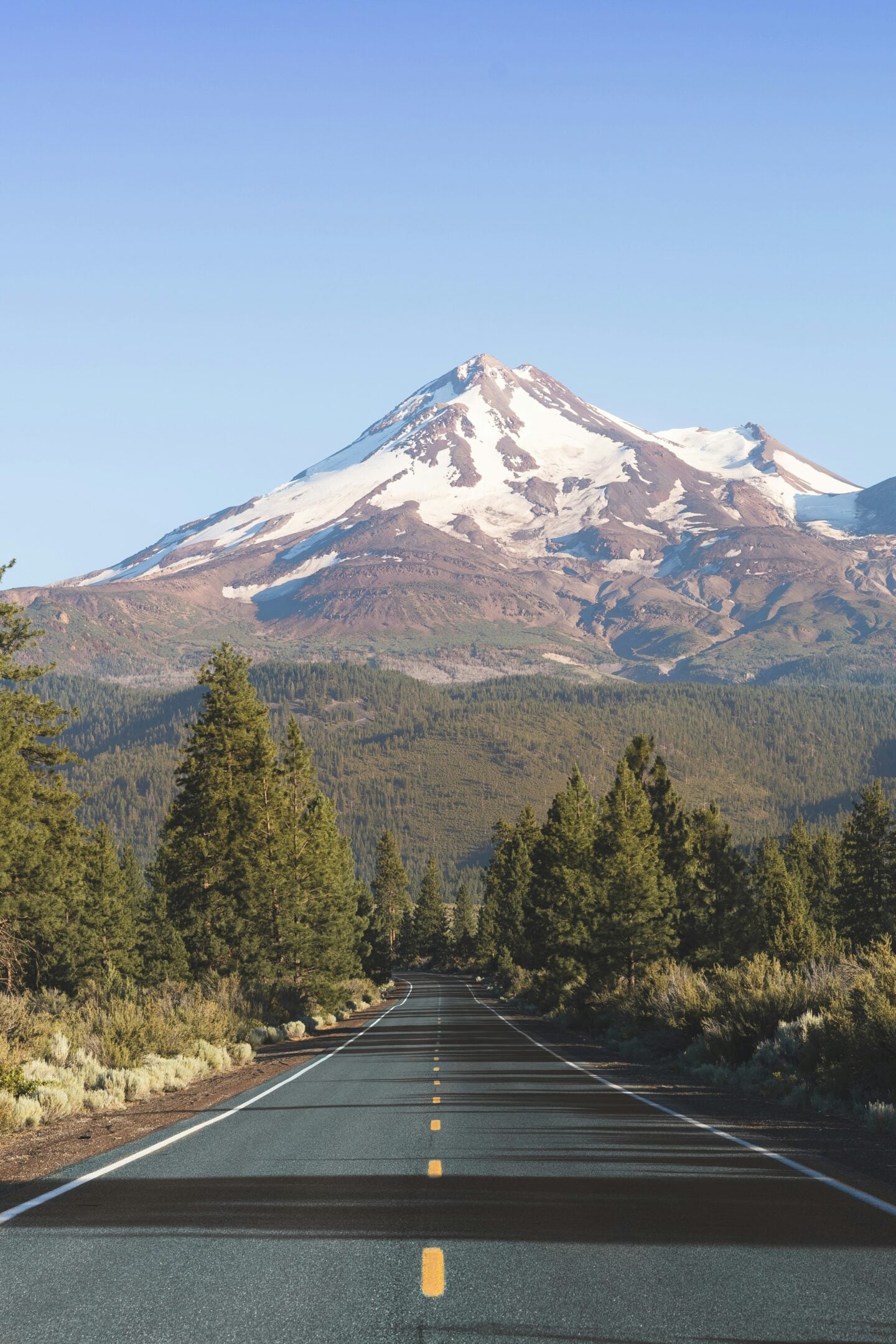
The drive north toward Mount Shasta produces a gradual and then sudden change in scale. The forests grow denser. The towns become smaller and more spread apart. And then the mountain appears, and everything else in the landscape becomes secondary.
Mount Shasta dominates its surroundings in a way that few natural landmarks do. It’s visually present from almost every direction, rising above the forests and the surrounding lakes with a kind of authority that makes the human-scale world feel briefly irrelevant.
The town at its base is quiet and small. The atmosphere is defined by the landscape rather than by anything the town itself provides. After coastal cliffs, Gold Rush streets, an agricultural capital, wine hills, and an enclosed valley, this is where the journey reaches its natural endpoint. California stops feeling like a collection of places. It becomes purely landscape.
The Takeaway
California is easy to reduce to a handful of famous images, and most travel through the state reinforces that reduction. But the places between the obvious stops carry their own depth. They reveal a version of the state that is more textured, more varied, and more honest..
Each stop in this journey adds a different layer: coastline stillness, preserved history, agricultural identity, open wine country, mountain silence. Traveling this way takes longer and requires more patience, but it produces something the standard itinerary rarely does. The state reveals itself gradually, but what it reveals is worth the detour.
Thanks for stopping by!
Magda
xoxo
<3
If you enjoyed this post featuring California’s hidden gems, pin it on Pinterest so you can come back to it whenever you like and help more readers discover it.
***PIN IT***