Travelling through South Korea, especially along the coasts of Busan and Jeju will quickly change your perception of seafood, especially if you are a UK travellers. Seafood in South Korea is not reserved for special occasions. Because it is part of everyday meals, seafood has a much more versatile nature, whether it is served grilled, as part of a stew, or even raw. South Korea emphasizes freshness in each dish, and this is miles away from the UK approach to seafood.
Despite being an island, seafood is not always central to home cooking in the same way. In fact, most Britons tend to enjoy seafood in simple recipes, and often served with white sauce on the side. So, as a result, you may feel that seafood is overrated and dull. A trip to South Korea is exactly what you need to wake your palate up. And if you still miss the delicious coastal seafood dishes when you’re back home, there’s one thing you can do, and it’s figure out a way to give a Korean twist to the British seafood market.
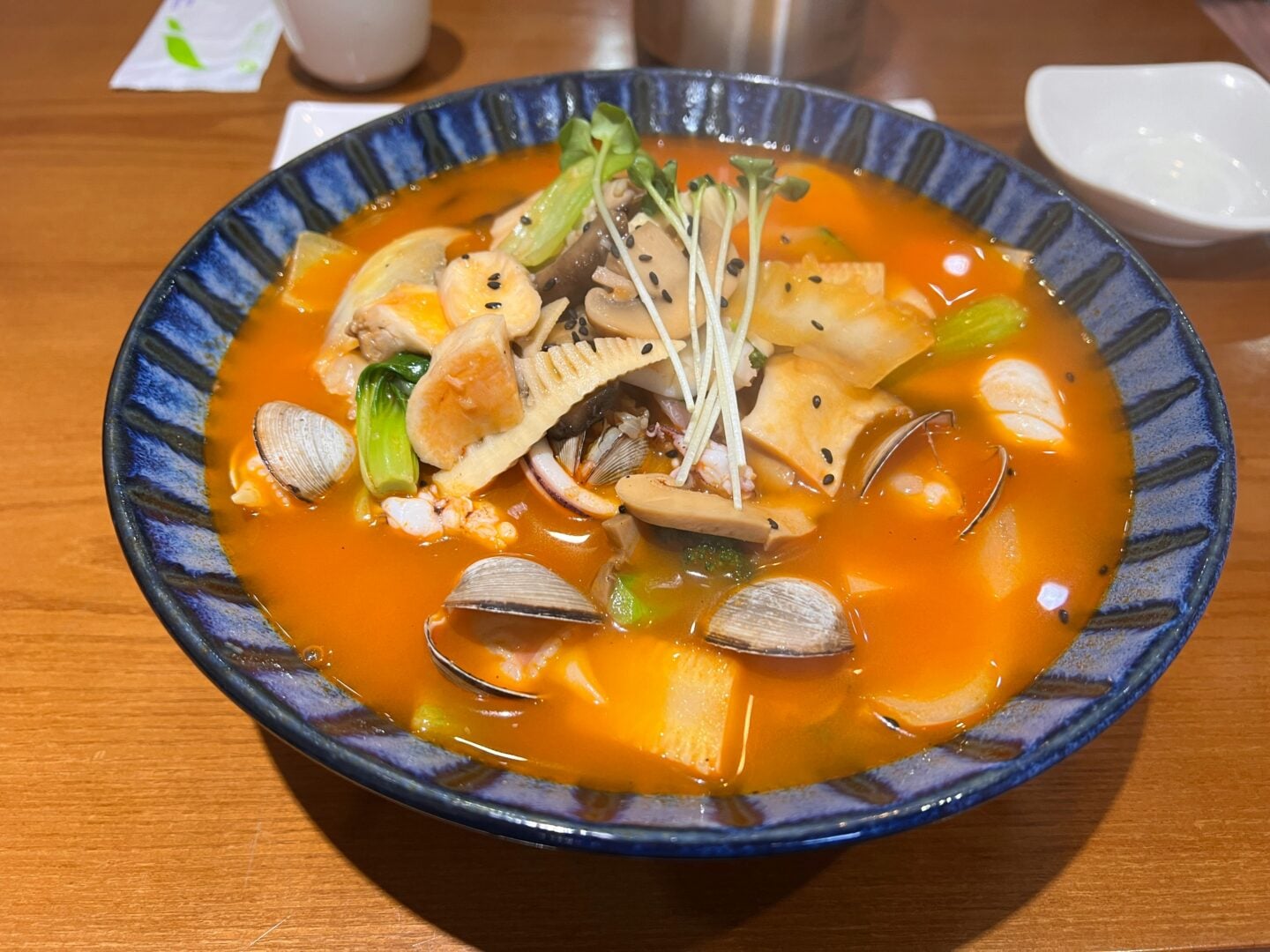
What You Need In Your Kitchen
Before getting started, it helps to have a few key ingredients on hand. Korean cooking builds flavour through a small number of staples used in different combinations.
- Soy sauce or ganjang, is used as a base for many marinades and broths
- Doenjang, the fermented soybean paste, can bring a depth of flavours to stew but also some sauces
- Gochujang brings sweetness and heat, and if you are new to using the chilli pepper paste, you may want to combine it with a teaspoon of sugar
- Gochugaru are chilli flakes and they can be used as seasoning but also as part of broths
- Sesame oil is central to a lot of dishes for its nutty flavour (use it at the end and not to grill)
- Rice flour
- Potato starch
- Dasida powder, which helps add flavour
- Spring onions
- Garlic (Korean cuisine uses a lot of garlic)
Most of these ingredients are easy to find in Asian supermarkets across the UK and through online retailers. As a rule of thumb, you want to buy your staples from Asian shops, rather than finding them in your regular British grocery shop.
Haemul Jeon
Heamul jeon is one of the most approachable Korean seafood dishes. It is a savoury pancake made with a simple batter and mixed seafood and green onions.
To make it at home, you can mix flour and water to create a loose batter. Add chopped seafood food, such as shrimp and squid, along with sliced spring onions. You can also sprinkle some dasida powder for taste. Pour the mixture into a hot, oiled pan, and cook it until golden and crisp on both sides. One recipe also includes pouring a beaten egg on the surface of the jeon and letting it cook before serving.
Serve sliced with a dipping sauce made from soy sauce, a splash of vinegar, and a little sugar. It’s a simple and quick recipe that packs a lot of protein.
Eomuk Guk
Eomuk guk is a comforting fish cake soup commonly found in Busan. It is usually served from street stalls, and you can pick skewers of fish cakes from a gently simmering broth.
In the UK, Busan-style fish cakes are typically found in the frozen sections of Asian supermarkets, or you can also order them online. It’s an easy dish to recreate as you only need to focus on the broth. This starts by simmering dried anchovies and a piece of kelb in water. This will create a light and savoury base. Strain the base and adjust to taste with soy sauce if needed. Then you only need to add the fish cakes and slice some green onions to complete the broth.
Saegseon Gui
Saegseon gui highlights how effective simple cooking can be. The fish is only slightly salted and then grilled, so the natural flavour can dominate.
This works well in the UK kitchen with mackerel. Salt the fish and leave it to sit briefly before cooking. Then grill or roast it in the oven until the skin becomes crisp. Be careful to keep the flesh tender.
This is an easy dish when you want a palate cleanser meal with subtle flavours.
Ganjang Gejang
Ganjang gejang is by far one of the most distinctive seafood dishes from South Korea. It uses raw crab, which is marinated in soy sauce to develop a deep and savoury flavour.
To make it at home, prepare a marinade mixing soy sauce with garlic, sugar and a sliced chili. You will also need to clean the crab thoroughly to ensure the marinade can coat it fully. Place the crab and the marinade in a sealable dish, and keep it in the fridge for at least 24 hours.
Ganjang gejang works best with high-quality ingredients, so you want high-quality small blue crabs for this recipe. If you are not ready to eat an entire crab raw, you can focus on sourcing legs only, such as looking into premium king crab legs for sale, which provide a rich and meaty alternative that is more palatable to British eaters.
Doenjang Jjigae With Seafood
Doenjang jjigae is an easy Korean recipe that can be prepared quickly. This stew uses a soybean paste base, and then can be adjusted to suit different tastes. You can find a tofu version, a beef and vegetable version, and a seafood version. The addition of mixed seafood gives it an extra layer of flavour that works particularly well with the soybean paste base.
To prepare it, you will need to start with an anchovy-based broth. However, if you are short on time, you can use a pre-made anchovy broth pack or even a miso broth. Then stir in a couple of tablespoons of doenjang paste and stir until it dissolves. You can then add your favourite ingredients, such as mixed seafood, courgette, onion, potato, and even tofu for extra protein.
This is reliable and impossible to spoil!
Can you recreate the taste of coastal Korea in your kitchen? You may not be able to match exactly the flavour of South Korea, as seafood is likely to be different. But you can certainly learn to give a Korean twist to the usually boring British seafood cuisine.
Thanks for stopping by!
Magda
xoxo
<3