As the cold weather takes hold, plumbing and pipes are subjected to various stresses and strains, which are not commonly experienced during the warmer months of the year. The behavior of water, the contraction of materials, and the exposure of certain areas of the home to the cold are all significant issues for the average homeowner to be aware of when it comes to the integrity of the plumbing system.
Plumbing issues during the cold months are not always immediately apparent, and pipes can freeze, weaknesses can open up, and exterior plumbing components can deteriorate without the average homeowner noticing, at least not at first.
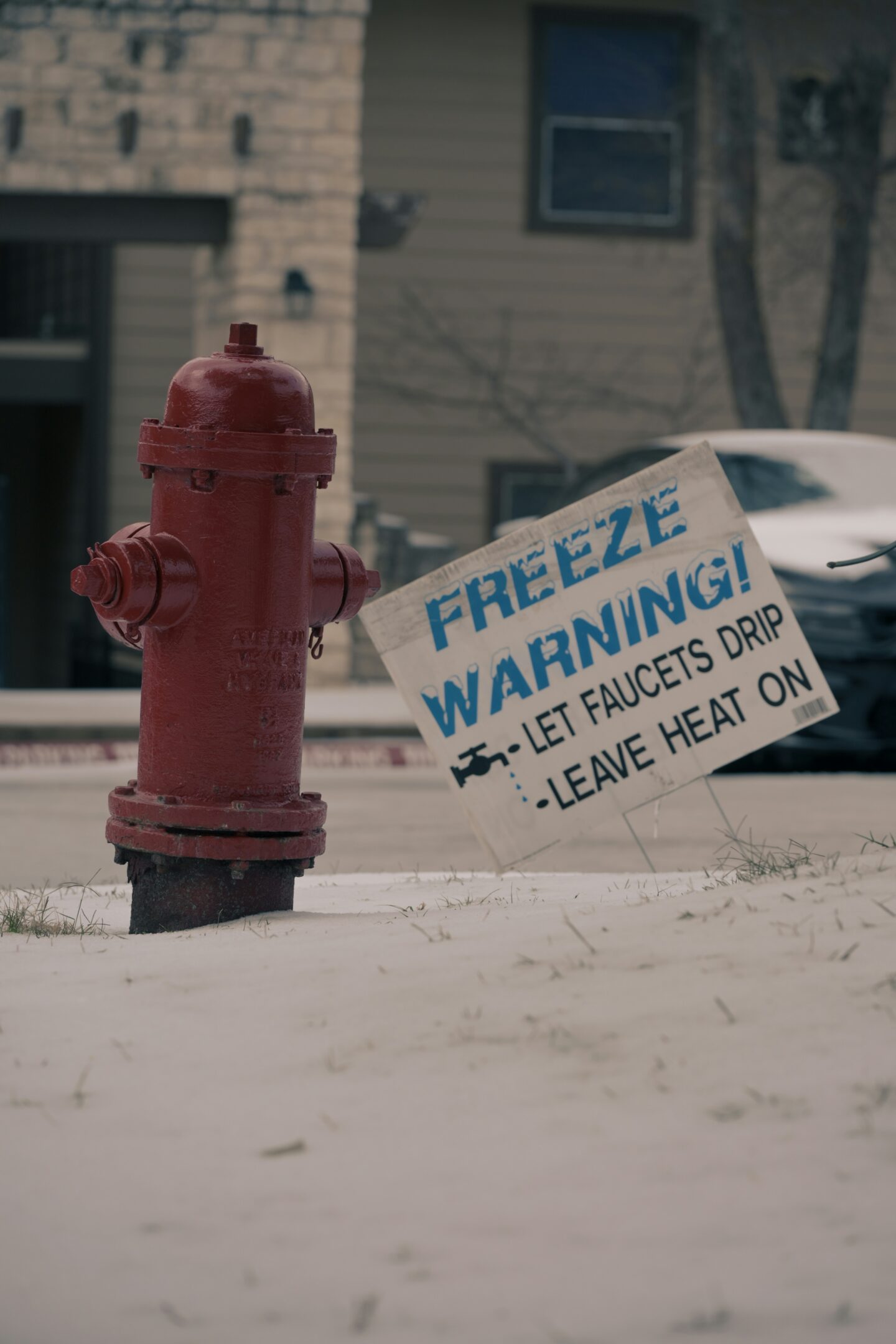
The Risk Of Frozen And Burst Pipes
One of the most commonly experienced plumbing issues during the cold months of the year is the freezing of pipes, which causes them to subsequently burst. This is because water, when it freezes, expands and occupies more space than it would when it is in its liquid state. This means that, when the temperature drops sufficiently for the water inside the pipes to freeze, the water will expand and put pressure on the pipe walls, which will eventually cause the pipe to rupture if the pressure is sufficient to overcome the strength of the pipe material.
According to Koala Plumbing, pipes are more likely to rupture when they are not sufficiently insulated, and this means pipes in the garage, the attic, the crawl space, and the exterior walls of the home are more at risk of freezing and subsequently rupturing, at least during the cold months of the year. What is important to note is that the pipe does not always rupture at the point where the freezing occurred, but at a weaker point in the pipe, often at the point where the pipe joins a coupling or a fitting.
Plumbing Outdoors And The Need For Seasonal Shutdown
Plumbing spigots and irrigation systems are some of the most vulnerable areas during the winter season. Water freezing in the spigot and the pipe connected to it can cause serious damage.
Removing garden hoses and draining the water in the spigots during autumn is crucial in avoiding damage during the coming winter. Installing frost-proof spigots in areas where the weather is extremely cold can be quite useful in avoiding such damage.
Ignoring spigots and irrigation systems can cause serious wall leaks, which become apparent during spring.
Maintaining Temperature Stability In Indoor Areas
Maintaining temperature stability in indoor areas is crucial in avoiding damage during the coming winter season, but it’s easier if you have HVAC. Leaving the temperature in indoor areas extremely low, especially in areas such as basements and laundry areas, can cause serious damage.
Individuals who plan to leave their homes during the coming winter should avoid reducing the temperature in their homes to extremely low levels. Maintaining the temperature between 10 and 12 degrees C (50 and 55 degrees F) in indoor areas is crucial in avoiding damage during the coming winter season.
Opening the doors of kitchen cabinets located in areas where sinks are installed during extremely cold weather can help in maintaining the temperature in areas where water pipes are installed in the walls.
Sudden changes in temperature can cause hairline fractures in water pipes, which become apparent once thawing begins.
Detecting Early Signs Of Freeze Damage
Detecting early signs of water freezing in water pipes can be crucial in avoiding serious damage in the coming winter season. Reduced water pressure and sputtering sounds coming from water faucets and other areas in the walls indicate water freezing in water pipes.
Similarly, if the walls are bulging, there are damp spots, and ice is unexpectedly forming near the foundations, this could be a sign that the lines are damaged, and the solution would be to warm the affected areas and seek professional assistance.
Waiting for flooding can make the process much more complicated and costly.
Drainage And Sewer Line Concerns
Cold weather is not just a problem for supply lines, either. The ground itself can freeze, which can cause the soil to shift and put stress on underground sewer and drain connections. This can cause cycles of expansion and contraction, which can cause problems with older clay or cast-iron pipes.
Slow draining, gurgling, and backups can happen during long periods of cold weather. This can happen because of blockages that can build up because of the cold weather, along with decreased permeability of the ground itself.
Professional inspection can help detect problems with alignment or cracks within the pipe itself, which can be fixed before the winter weather really sets in.
Water Heater Strain In Winter
Cold water entering the home means that water heaters must work much harder. This is because water is colder, meaning that the heater must work harder to get it to a comfortable level.
If the water heater is taking longer than usual to recover, or is giving inconsistent readings, or is giving off rumbling noises, then there is probably sediment buildup that is affecting its performance. Servicing the water heater before winter really sets in can help make sure that everything is working properly.
It also helps make sure that everything is functioning correctly, such as the pressure valve, before the cold weather really hits.
The Importance Of Proper Insulation
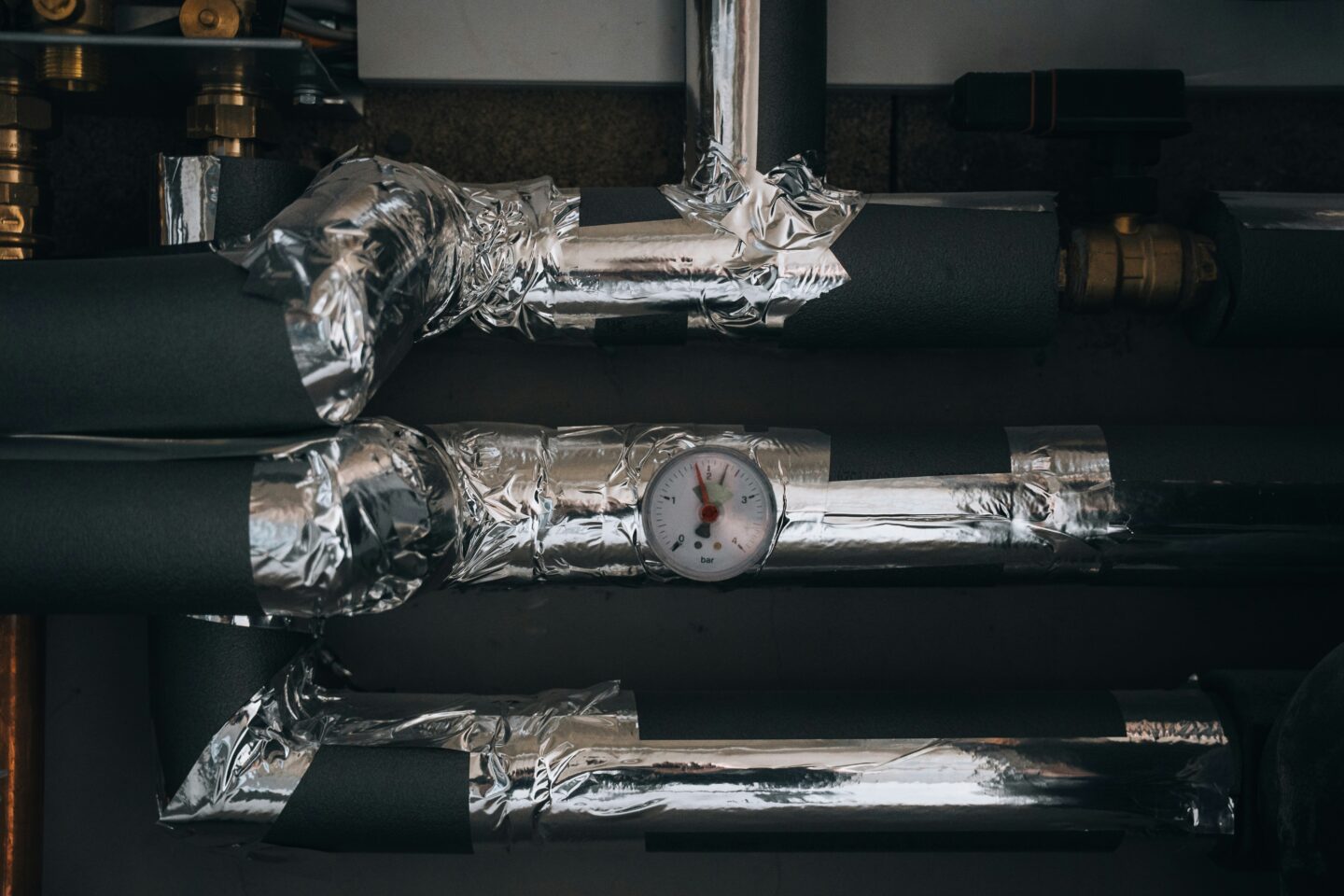
Insulating the exposed pipe is one of the best ways that a homeowner can prepare their home for the winter weather. This can help keep the pipe at a level that is higher than the freezing level itself.
However, it is crucial to ensure that heat tape systems are installed properly and monitored appropriately to avoid any chances of overheating or electrical problems. These systems should be installed in such a manner that they activate only in response to temperature drops below critical limits.
Insulating the crawl spaces and sealing any drafts in the foundation penetrations also help in reducing the risks of exposure to cold air.
When To Seek Professional Evaluation
Not all risks associated with winter plumbing are easily identifiable during routine checks and tests. Older homes, multi-level homes, and buildings with extensive exterior plumbing systems might be good candidates for professional cold weather readiness evaluations.
Trained professionals, such as Koala Plumbing, can help identify weak connections, assess the adequacy of insulations, and test pressure stability before the onset of freezing weather. Preventive servicing can help minimize the chances of repairs during the peak demand for plumbing services during severe winter storms.
Professional evaluations also ensure the smooth operation of shut-off valves, which can be crucial in the event of sudden failure.
Preparedness And Emergency Planning
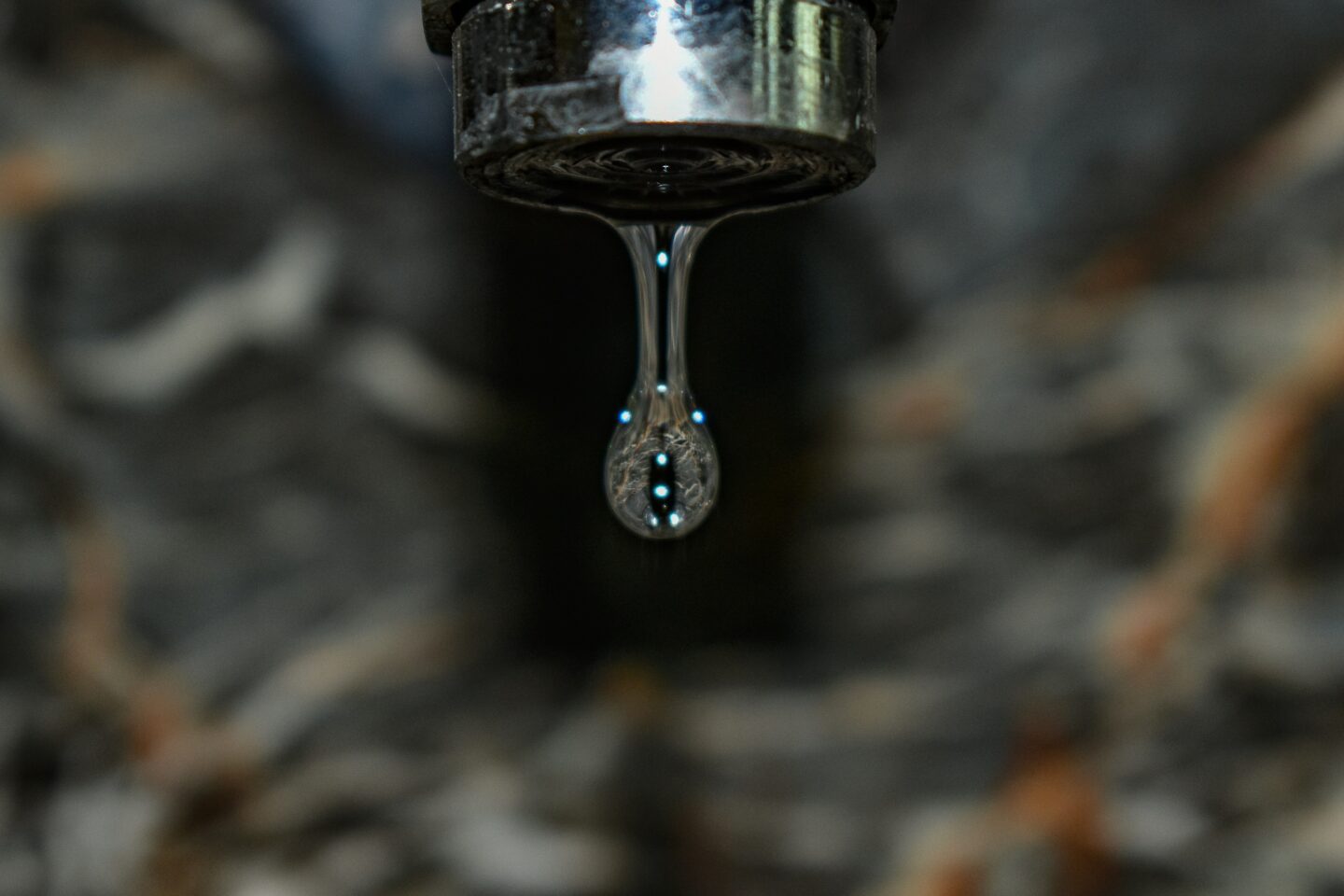
Even with preventive measures in place, unexpected failures can still happen during severe weather. Homeowners should be aware of the location of the main water shut-off valve and ensure it operates properly. Having access to the shut-off valve in emergency situations greatly minimizes water damage in the event of pipe bursting.
Having emergency contact information and temporary pipe repair materials available also adds confidence during severe weather situations.
Year-Round Maintenance As A Foundation
Preparation for the coming of winter begins with maintaining the plumbing systems throughout the year. Making repairs for minor leaks and keeping pressure levels and joints in good condition also adds strength and durability to the entire system. When severe weather strikes, the chances of system failure are greatly minimized because it has been maintained properly throughout the year.
Industry recommendations all point towards the importance of preventive measures. The United States Environmental Protection Agency, for example, recognizes that maintenance practices, as well as the implementation of insulation, minimize damage due to freezing in the infrastructure, thus reducing the loss of water.
By knowing how cold weather impacts plumbing systems, homeowners can take measures to protect their properties from damage during the winter season.
Thanks for stopping by!
Magda
xoxo
<3