The structure and topography of a workplace play a more important role in the success of an enterprise than you might realise.
Indeed, it’s easy to overlook just how vital layout is in creating an environment conducive to hard work and collaboration.
The consensus seems to be that open-plan working is the way to go in the 21st century, but without structure, open-plan office spaces can bring as many downsides as benefits.
That’s because open-plan offices often lack that vital sense of structure, purpose and privacy that most workers thrive on.

That’s where the simple room divider comes in – by zoning spaces, it gives it some structure and a sense of purpose.
Ready to find out how the humble room divider can transform your office?
Let’s go.
Define Spaces
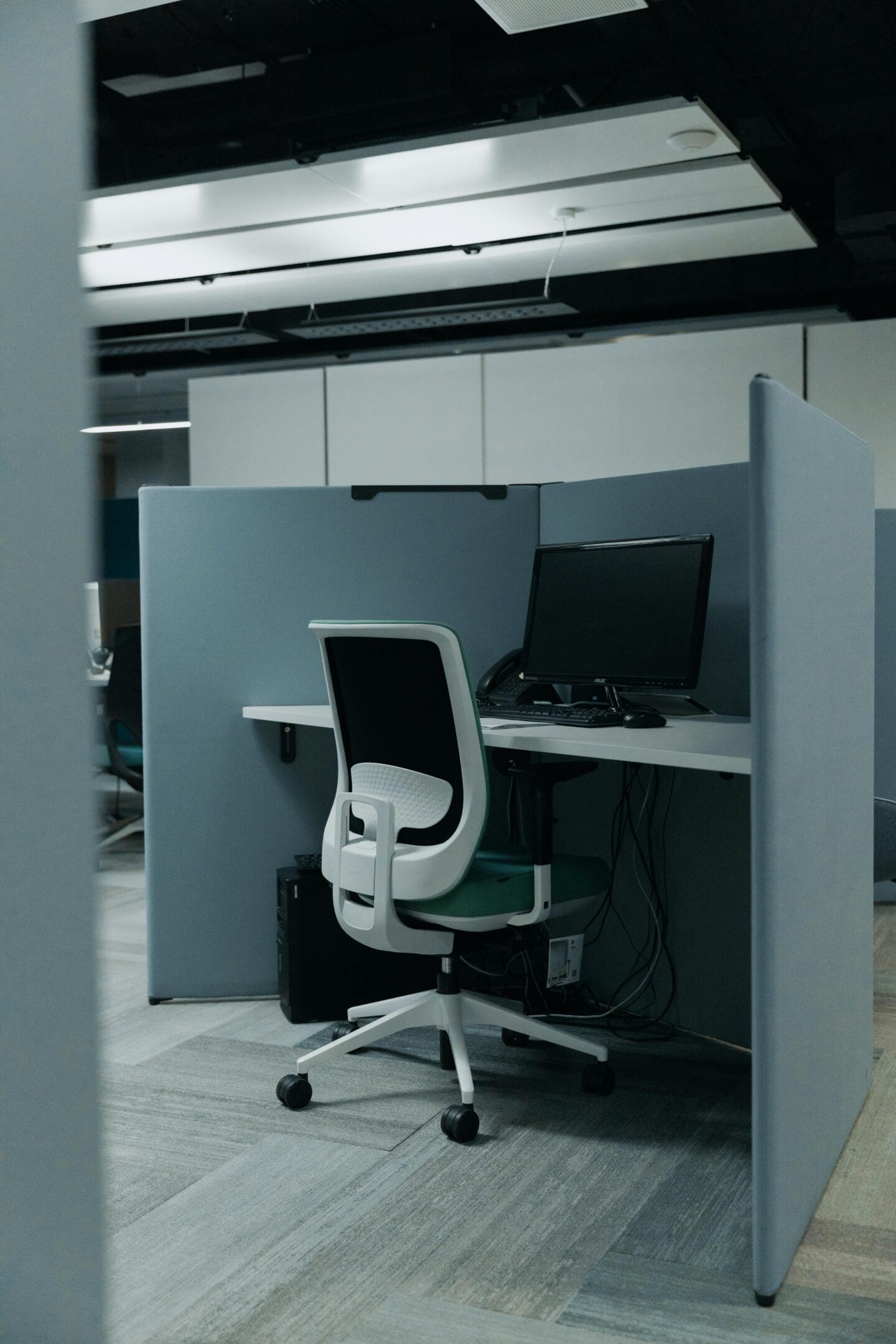
The first thing you need to think about when choosing a room divider is the purpose of the zones you are looking to establish.
Sounds like common sense, but it can be overlooked.
When zoning an office space, you will typically find your spaces fall into some of these four categories:
- Focused work: Heavy-duty dividers will be required for areas where focused work is to be carried out so that noise and visual distractions are kept to a minimum.
- Collaborative spaces: Need openness and freedom, but a sense of division and demarcation that means one group’s discussions don’t spill over into a neighbouring group’s.
- Private spaces: HR, wellbeing checks, and breaks need a more meditative and reflective space.
- Flexible or hybrid spaces: Spaces that can be changed up or down throughout the day to meet changing demands and needs.
Divider Types
Once you have the divisions fixed in your mind, you can then move on to thinking about the types of room dividers that will allow you to achieve these demarcations.
Perhaps you want a light-touch division, where simple planters or shelving will do the job of splitting up a space.
For more heavy-duty zoning, you’re going to need some kind of acoustic divider or plexiglass panel, which affords more privacy and noise damping.
Light-touch Screens
- Biophilic dividers: Planters and other natural elements bring some nature into the office and also do a great job subtly marking zones.
- Shelving units: Bookshelves and storage units can also double as space dividers and room zoners, and are ideal if you just need to mark territory but don’t need your divider to possess any noise-killing properties.
- Curtains or fabric screens: Soft, changeable, and easy to install, curtains are a fast and easy way of dividing spaces and giving privacy in an otherwise open workspace.
- Freestanding partitions or folding screens: Can be moved or folded away as needed.
Heavy-duty Dividers
- Acoustic panels: Noise muffling dividers (like the ones from Rap Industries Ltd) fitted with acoustic foam serve a dual purpose – they kill noise and give workers much-needed privacy in open-plan offices.
- Glass panels or partitions: A sleek and modern solution to dividing a space if you need to keep workers separate but retain sight lines and visual openness.
- Modular walls: Semi-permanent and customisable, modular walls are more permanent than room dividers but can sometimes be shifted around if needed.
- Folding partitions: A practical and lightweight room divider if the office needs ad-hoc space for meetings or flexible work arrangements.
Identity & Branding
The type of room divider you go for should also be the right fit for your overall office aesthetic and branding.
A creative enterprise like a PR agency or media company is going to want different dividers than a more austere type of business, such as a bank or call centre.
- Go for colours that match your brand and choose divider colours found within your brand’s palette.
- Use accent colours subtly on the trims and frames of panels so people aren’t overpowered by your colour scheme.
- Use materials that chime with your culture and values. For example, if you take the environment seriously, it’s a bad look to go for heavy plastics and man-made fabrics in your dividers – instead, opt for recycled and sustainable woods like bamboo and organic fibres.
- Adopt a consistent design across zones because people respond to uniformity in a space, so make sure the dividers all follow the same kind of pattern or design.
Testing And Review
Feedback is important when it comes to room dividers and zoning.
Your workers will let you know what works and what doesn’t, so ask them.
Thanks for stopping by!
Magda
xoxo
<3