Creating a home that supports a lifestyle of frequent travel takes thoughtful planning. You want a space that feels welcoming the moment you walk through the door, stays functional when you’re away, and adapts to both everyday life and guest needs. By blending smart design choices with comfortable, flexible furnishings, you can strike a perfect balance between style and practicality.
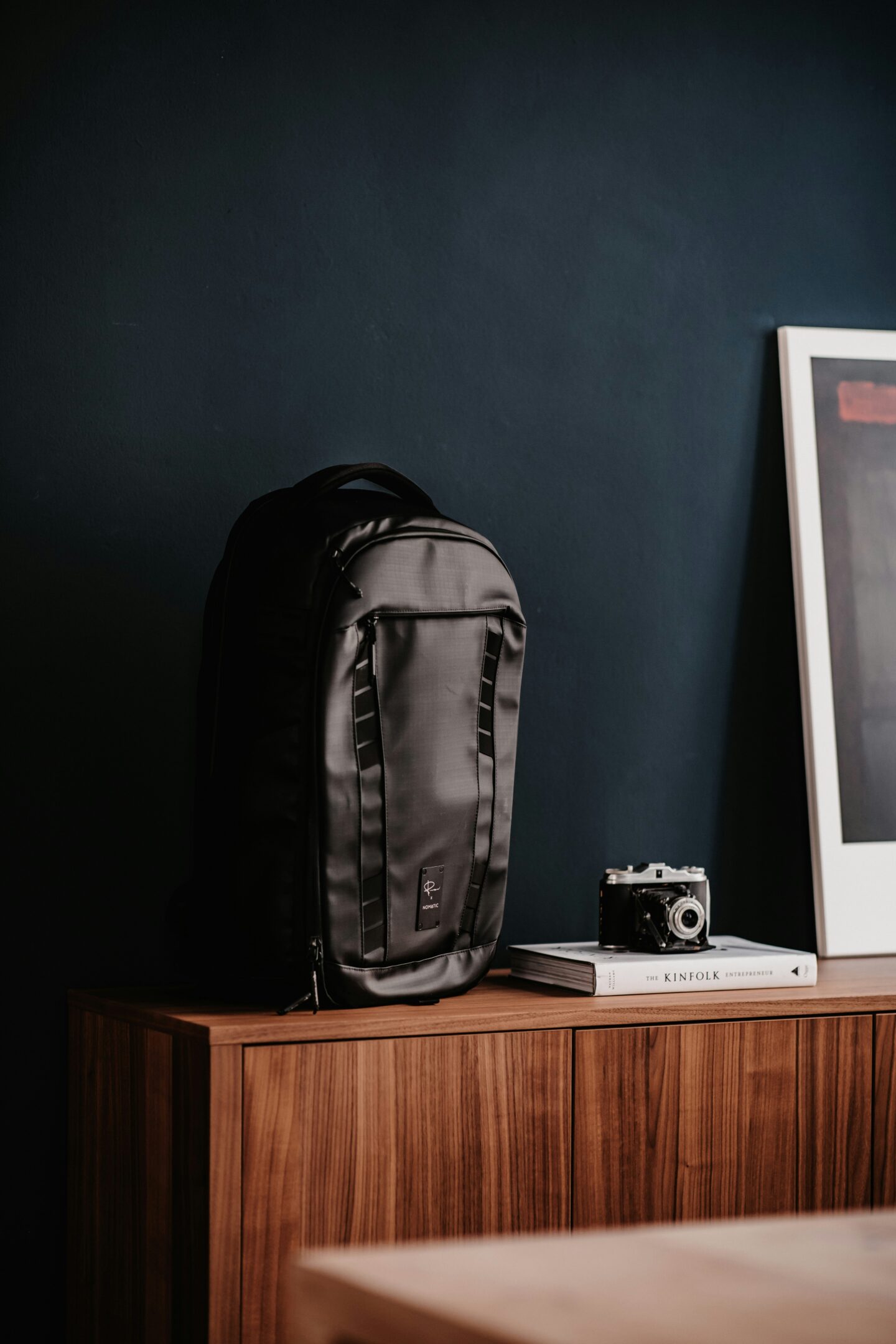
Make Comfort The Priority
For frequent travelers, home should feel like a peaceful retreat, somewhere restorative, not just a pit stop between trips. Invest in right-sized, quality furniture that welcomes relaxation after long flights or extended time away. Comfortable seating in living areas, supportive yet cozy beds, and versatile pieces like Divanoso high mattress sofa beds ensure that your home remains inviting for both you and your guests. Soft lighting, soothing color palettes, and layered textures can further reinforce that sense of comfort. These elements help nurture a calm, restorative environment, essential when you’re transitioning from time zones and tight schedules into restful home life.
Choose Flexible, Dual-Use Spaces
When designing a home that accommodates a lifestyle of frequent travel, it’s essential to think about flexibility and adaptability. This means creating spaces that serve multiple purposes and easily transform based on your needs. In a small apartment or a larger home, dual-use spaces maximize the functionality of every square foot. For instance, your home office can effortlessly switch from a productive workspace to a guest bedroom, ensuring that even when you’re away, your home can still serve as a welcoming environment for visitors.
A den or extra room can transition from a cozy reading nook into a personal fitness area, allowing you to maintain an active routine despite a busy travel schedule. By incorporating furniture that combines both seating and sleeping areas, you reduce the need for additional bedrooms, which is especially valuable in homes where space is at a premium.
Declutter And Curate With Intention
For frequent travelers, the home can quickly become a repository for souvenirs, personal items, and memorabilia from trips around the world. While these pieces often carry sentimental value and reflect your unique experiences, it’s important not to let them overwhelm the space. Designing a home that works for you means choosing what to keep, displaying only the most meaningful items, and creating a curated collection rather than just accumulating things. Decluttering doesn’t necessarily mean getting rid of everything, but being intentional about what stays and how it is arranged.
Begin by evaluating what truly resonates with you and fits the overall aesthetic of your home. This process can be surprisingly cathartic, as it allows you to focus on quality rather than quantity. Instead of filling every shelf or surface with knick-knacks and souvenirs, consider rotating items in and out, allowing the space to remain fresh and dynamic while still reflecting your travel experiences.
Create Zones That Match Your Lifestyle
When you’re a frequent traveler, arriving home should feel like stepping into a space designed to help you reset and recharge. The key to creating that feeling is by organizing your home into distinct zones that align with your specific needs and routines. Each zone serves a unique function, making your home feel more intuitive and cohesive.
Start by designating areas for relaxation, work, and socializing. A dedicated relaxation zone can be as simple as a cozy corner with a comfortable chair, soft lighting, and calming decor that helps you unwind after a long journey. This might be a reading nook, a place where you can escape with a book or listen to music, or even a meditation space to center yourself. Creating this specific area for relaxation allows you to leave behind the chaos of travel and fully immerse yourself in home life.
Blend Travel Memories With Timeless Design
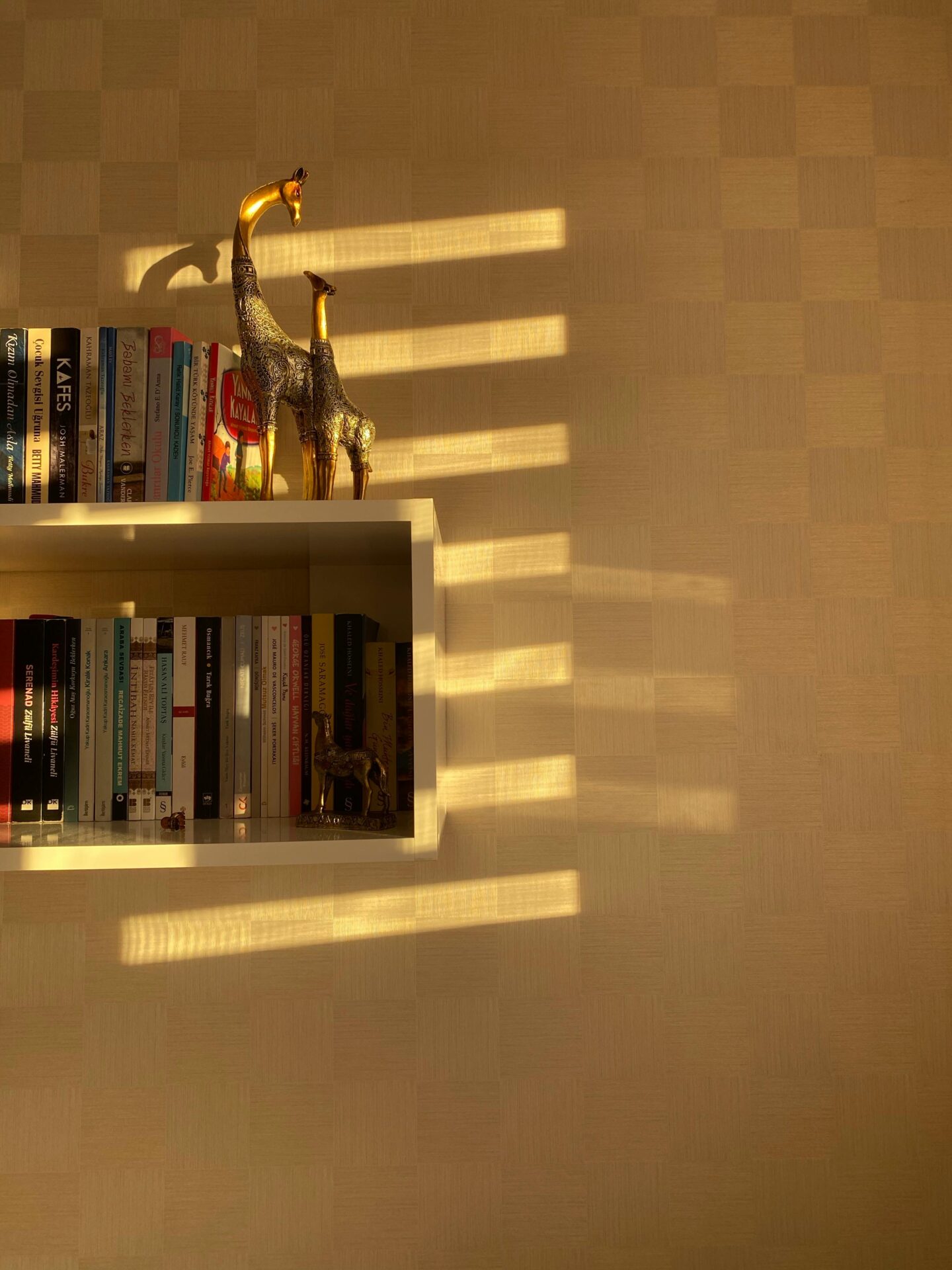
Incorporating memories from your travels into your home can enrich its character and add a personal touch, but it’s important to balance those memories with timeless design elements to create a cohesive aesthetic. Instead of overwhelming the space with every memento or souvenir, focus on using subtle, meaningful accents that evoke the essence of your travels. For example, a handwoven rug from Morocco, a piece of contemporary art from a favorite city, or a decorative throw from a beach vacation can serve as a unique reminder of your adventures without dominating the space.
These elements don’t need to shout their origin; they should harmonize with the overall design. You might choose a woven pendant light inspired by the crafts of Bali or a piece of furniture that reflects Scandinavian simplicity, offering nods to places you’ve visited while still feeling timeless and versatile. Select materials and textures that are both global in origin and classic in their appeal, such as natural wood, stone, or artisanal textiles, to create a balanced environment that feels both lived-in and refined.
Value Durability And Ease Of Maintenance
Frequent travelers need a home that looks good and holds up to irregular use. Choose durable materials that withstand time and minimal upkeep. Leather or performance fabrics on sofas and chairs resist wear and are easy to clean. Flooring that’s both stylish and hard-wearing saves you upkeep when you’re away.
Storage solutions, from built-in shelving to clever hidden compartments, keep essentials organized and out of sight. This makes it easier to leave and return without feeling like you’re constantly tidying up.
Embrace Personal Comfort Rituals
Small routines and comforts help your home feel supportive and restorative. A well-designed bedroom with soft bedding, blackout curtains, and calming decor can instantly signal rest mode after travel. A welcoming entryway with easy drop spots for luggage and essentials helps you transition from traveler to homeowner the moment you arrive. Personal touches, like familiar scents, meaningful photos, or treasured finds from your adventures, make your space feel uniquely yours.
Make Sustainability Part Of Your Design
Designing a home that feels good for you and good for the environment creates a healthier living space. Sustainable design principles can help enhance indoor comfort through eco-conscious materials, thoughtful lighting, and airflow that promotes well-being. By prioritizing durability and timeless style over trends, you also ensure your home remains meaningful and enjoyable long after you’ve put the suitcase away.
Designing a home for frequent travelers means creating a space that’s restorative, flexible, and stylish without being overly fussy. Make each room work for you so returning home feels like a genuine pleasure every time.
Thanks for stopping by!
Magda
xoxo
<3