From harvest to cup, the journey of coffee beans involves more than roasting alone. The way coffee cherries are processed after picking shapes the flavor, aroma, and texture in every sip. The processing method directly determines whether a coffee tastes bright and crisp, sweet and fruity, or rich and complex.
Each method – whether washed, natural, honey, or more experimental techniques – changes how sugars, acids, and aromatic compounds develop inside the bean. These differences explain why two coffees from the same region can taste completely different.
By understanding how processing methods influence flavor, anyone can choose beans that match their taste preferences with greater confidence. This knowledge also opens the door to exploring new styles of coffee that might otherwise be overlooked.
Core Coffee Bean Processing Methods And Their Taste Impact
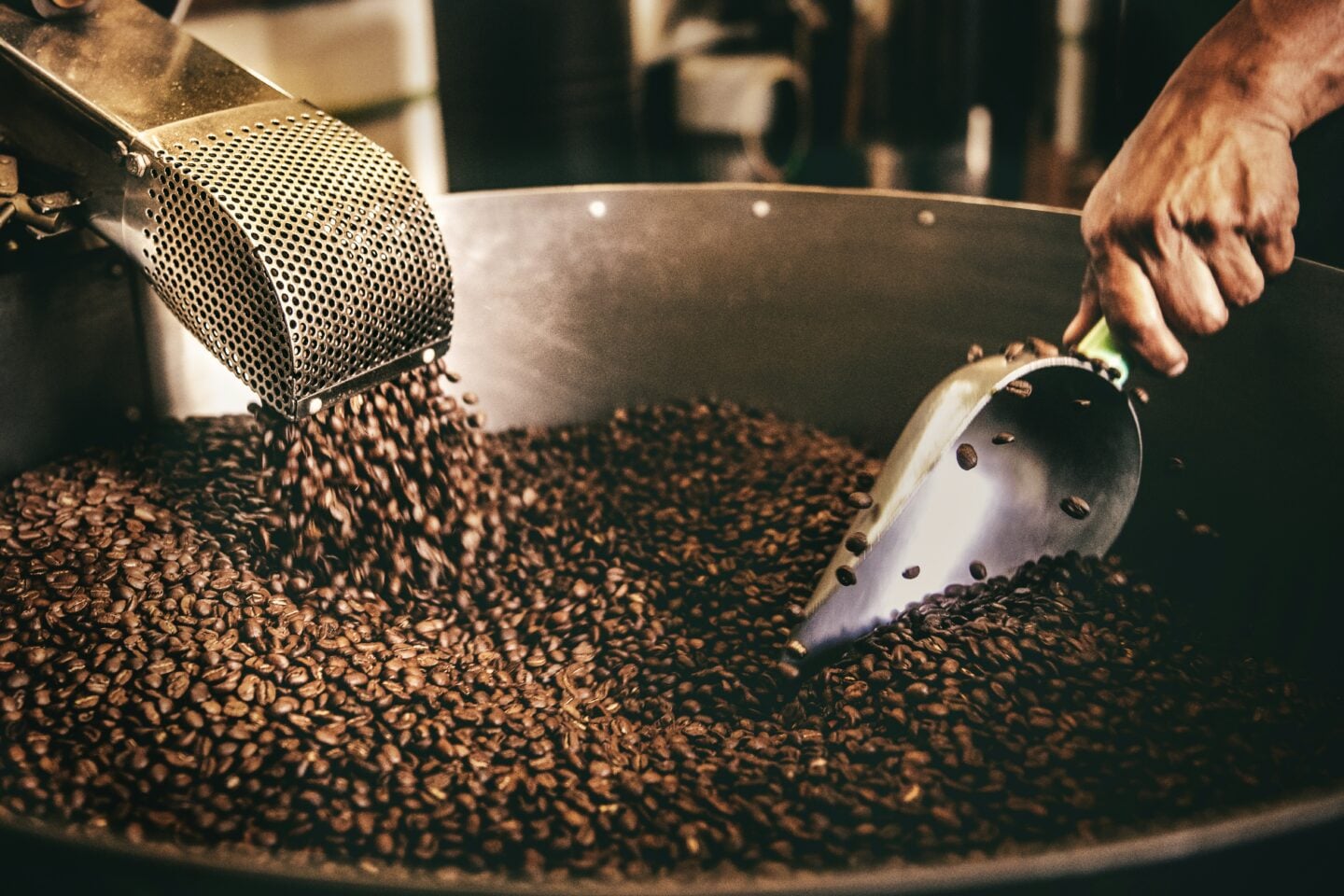
Processing methods influence how coffee develops in flavor, aroma, and body before it reaches the roaster. Each approach changes the balance of acidity, sweetness, and texture through differences in drying, fermentation, and fruit removal.
Honey Process: Sweetness and Balance
The honey process leaves some of the sticky mucilage on the bean during drying. The amount left determines the style – yellow, red, or black honey – each with different sweetness and intensity. Less mucilage produces lighter flavors, while more creates richer, deeper notes.
This method often results in a balanced cup with moderate acidity and pronounced sweetness. It combines some of the clean qualities of washed coffee with the fruit depth of naturals.
A notable example is black honey coffee with unique flavour, which offers syrupy sweetness and complex aroma due to extended mucilage contact. Producers must carefully control drying speed to avoid fermentation defects while preserving the desired flavor.
Washed Process: Clean Acidity and Bright Flavors
The washed process removes the coffee cherry’s fruit before drying. Producers ferment the beans in water to loosen the mucilage, then wash them thoroughly. This method often requires more water and precise control of fermentation time.
Coffees processed this way tend to have a lighter body with pronounced acidity. Flavors are often described as crisp, with citrus or floral notes standing out. This clarity comes from the minimal contact between the bean and the fruit during processing.
Regions with abundant water supply, such as parts of Central America and East Africa, frequently use this method. Consumers who prefer a clean, bright cup often choose washed coffees for their consistent and transparent flavor profiles.
Natural Process: Fruitiness and Body
The natural process dries the whole coffee cherry before removing the seed. This extended contact between fruit and bean allows sugars and compounds from the pulp to influence the flavor. The method typically requires sunny, dry conditions to prevent spoilage.
Natural coffees often display heavier body and sweeter, fruit-forward profiles. Notes of berries, tropical fruit, or wine-like characteristics are common. However, flavor clarity can vary based on drying consistency and climate conditions.
This process can produce more complex and layered cups, but it also carries higher risk of defects if drying is uneven. Many specialty coffee producers use raised beds to improve airflow and reduce the chance of mold.
Experimental and Hybrid Methods
Experimental and hybrid processes combine elements of traditional methods or apply novel fermentation techniques. Some involve controlled anaerobic environments, while others use additives such as fruit pulp from different batches to influence flavor.
These approaches can produce distinctive profiles, from intense tropical fruit notes to unusual spice-like aromas. However, results often vary widely, and consistency can be challenging.
Hybrid methods may also target specific outcomes, such as higher sweetness or a heavier mouthfeel, by adjusting fermentation time, temperature, or drying style. Many specialty roasters use these coffees to offer limited-edition lots with unique taste experiences.
How Processing Methods Influence Final Taste And Quality
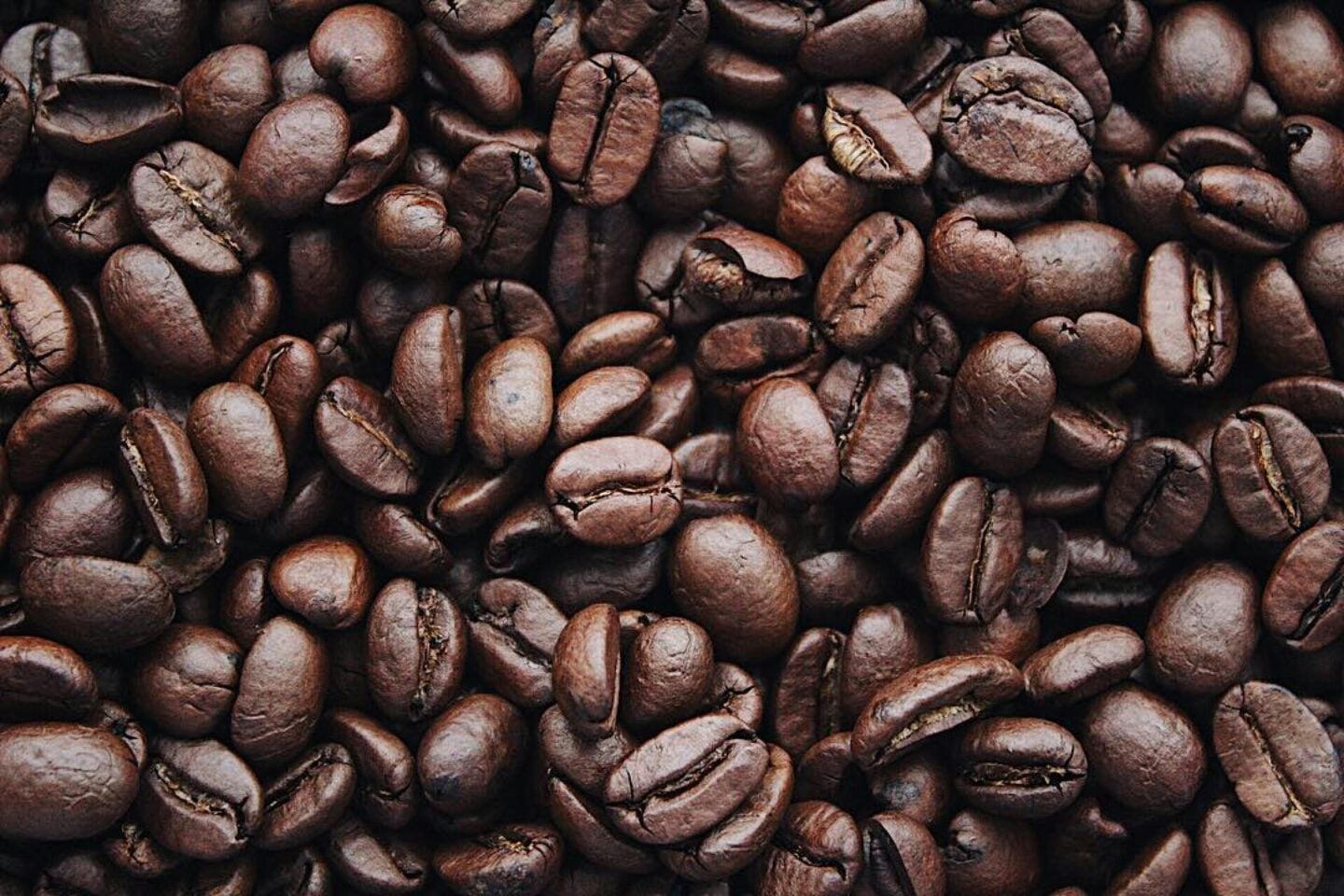
Different coffee processing methods change how beans develop flavor, aroma, and texture in the cup. Factors such as fermentation length, mucilage contact, and regional practices all contribute to the balance of acidity, sweetness, and body that defines each coffee’s character.
Flavor Profiles: Acidity, Fruitiness, and Body
Processing methods directly shape acidity levels, fruit notes, and body weight. Washed coffees often display bright acidity and clean flavors, making them popular among specialty coffee roasters for their clarity.
Natural processed coffees tend to carry stronger fruitiness, including berry notes, due to prolonged contact with the cherry pulp during drying. This can produce heavier body and wine-like sweetness.
Honey processed coffees sit between these two extremes, offering moderate acidity with more sweetness and a silky texture. The method leaves part of the mucilage on the bean, which influences sugar development during drying.
For example, Colombian coffee processed using the washed method often shows citrus brightness, while Indonesian coffee processed naturally may have lower acidity but a fuller body with earthy undertones.
Role of Fermentation and Mucilage
Fermentation affects how sugars, acids, and aromatic compounds form in the bean. Longer fermentation can increase perceived sweetness and fruitiness, while shorter periods often yield sharper acidity.
The amount of mucilage left on the bean plays a key role. In natural and honey processes, more mucilage contact allows sugars to influence flavor, creating richer body and more pronounced fruit notes.
Washed coffees, with mucilage removed early, highlight the bean’s inherent acidity and varietal characteristics. Specialty coffee producers often adjust fermentation time to balance complexity with cleanliness in the cup.
Coffee farmers in humid climates may shorten fermentation to avoid overdevelopment, while those in drier conditions can extend it for deeper flavors without risking spoilage.
Regional and Producer Variations
Geography and producer choices influence how processing methods manifest in flavor. Altitude, humidity, and temperature affect drying speed, which in turn impacts acidity and sweetness.
Colombian coffee growers often favor washed processing to emphasize bright acidity and floral notes suited to their high-altitude regions. In contrast, many Indonesian coffee farmers use semi-washed or natural methods, producing lower acidity with heavier body.
Individual producers may adapt traditional methods to suit their microclimate or target market preferences. Small changes in drying duration, fermentation style, or cherry selection can lead to noticeable differences in the final cup.
Conclusion

Different processing methods shape coffee’s taste, aroma, and texture in distinct ways. Each approach – wet, dry, carbonic maceration, honey, or anaerobic – creates unique flavor profiles that appeal to different preferences.
Factors such as climate, equipment, and producer skill influence the outcome as much as the method itself. Therefore, tasting coffees from various processes can reveal how these variables interact.
By understanding these differences, buyers can choose beans that match their preferred flavor style. This awareness also supports informed purchasing decisions that value both quality and origin.
Thanks for stopping by!
Magda
xoxo
<3