Travelling is one of the few things we spend money on that often leaves us richer in memories than possessions. Years after a trip, we rarely remember what we paid for our flights or which suitcase we packed. Instead, we remember the tiny café where we had breakfast every morning, the stranger who pointed us towards a hidden viewpoint, or the quiet evening spent watching the sun disappear behind the mountains. Yet many holidays today feel rushed. We try to visit every famous attraction, follow packed itineraries and recreate the photographs we’ve already seen countless times online. It’s easy to return home feeling as though you’ve seen a destination without ever truly experiencing it.
Planning your trip thoughtfully from the very beginning can make a huge difference. Looking for cheap holidays before choosing where to stay often leaves more room in your budget for the experiences that make a journey unforgettable. Instead of spending everything on transport and accommodation, you may have the freedom to enjoy a local food tour, visit museums, join outdoor activities or simply extend your stay by another day or two.
Meaningful travel doesn’t have to be expensive or adventurous. It simply requires a different mindset. Instead of asking, “How much can I fit into this trip?” ask yourself, “What do I want to remember when I get home?”
Start With Purpose, Not Popularity
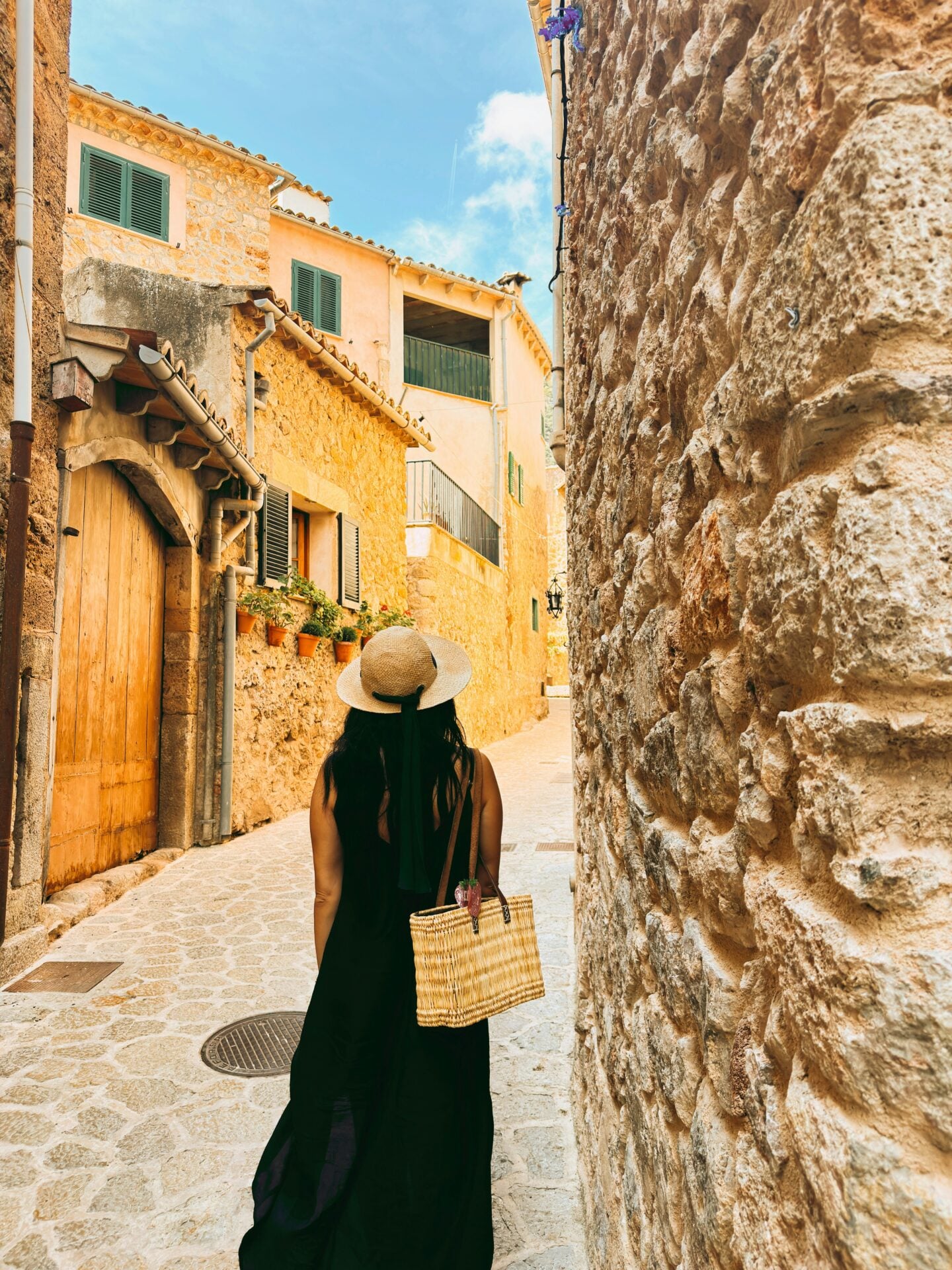
Social media has made it easier than ever to discover incredible destinations, but it has also created pressure to visit the same places everyone else is visiting. While there’s nothing wrong with seeing famous landmarks, choosing a destination simply because it’s trending doesn’t always lead to the most rewarding experience.
Think about what genuinely interests you.
If you enjoy history, you might spend hours wandering through medieval streets, exploring castles or visiting archaeological sites. If you’re happiest outdoors, your ideal holiday may involve mountain trails, crystal-clear lakes or dramatic coastal walks. Food lovers often remember markets, bakeries and family-run restaurants long after they forget the names of famous monuments.
Building your trip around your interests rather than someone else’s itinerary immediately makes it feel more personal.
Think Beyond The Hotel Room
Accommodation is often treated as nothing more than somewhere to sleep, but where you stay can shape your entire holiday.
A centrally located hotel might allow you to walk almost everywhere, giving you more time to explore instead of waiting for buses or taxis. A guesthouse in a residential neighbourhood may offer a quieter atmosphere and a glimpse into everyday local life that you would never experience from a large tourist resort.
When comparing accommodation, don’t focus only on price. Consider how close it is to the places you want to visit, whether there are restaurants and shops nearby, and what previous guests say about cleanliness, comfort and customer service.
Sometimes paying slightly more for a better location saves both money and time throughout the rest of your holiday.
Slow Down To See More
Many travellers believe that seeing more places automatically means having a better holiday.
In reality, constantly moving from one destination to another often creates unnecessary stress. Long journeys, frequent check-ins and check-outs, and the pressure to stick to a tight schedule leave very little time to simply enjoy where you are.
Slowing down allows you to experience a destination rather than simply passing through it.
Spend an extra morning in your favourite neighbourhood. Walk without checking a map every few minutes. Return to the café that served the best coffee you’ve ever tasted. Sit on a bench in a local park and watch everyday life unfold around you.
These moments rarely appear on travel itineraries, yet they are often the ones we remember most.
Leave Room For The Unexpected
Planning is important, but overplanning can remove one of the greatest joys of travelling: surprise.
Some of the best experiences happen completely by accident. You might discover a small local festival while walking through town, hear live music coming from a side street, or receive a recommendation from someone you meet during your trip.
If every hour of your holiday has already been scheduled, you’ll probably miss these opportunities.
Leave an afternoon or two completely free. Wander without a destination in mind. Explore the street that looks interesting instead of the one everyone else is taking.
Often, the memories that stay with us weren’t planned at all.
Choose Experiences Over Attractions

There’s a difference between visiting somewhere and experiencing it.
Standing in front of a famous landmark may take ten minutes. Learning how local people live, cook, celebrate and spend their evenings creates memories that last much longer.
Rather than focusing only on sightseeing, think about experiences you can take part in. Join a cooking class, rent bicycles for the day, take a boat trip along the coast or hike to a viewpoint at sunrise instead of arriving when everyone else does.
Even something as simple as spending an afternoon at a local market can teach you more about a destination than rushing through a long list of attractions.
The goal isn’t to see everything. It’s to leave feeling connected to the place you’ve visited.
Discover A Destination Through Its Food
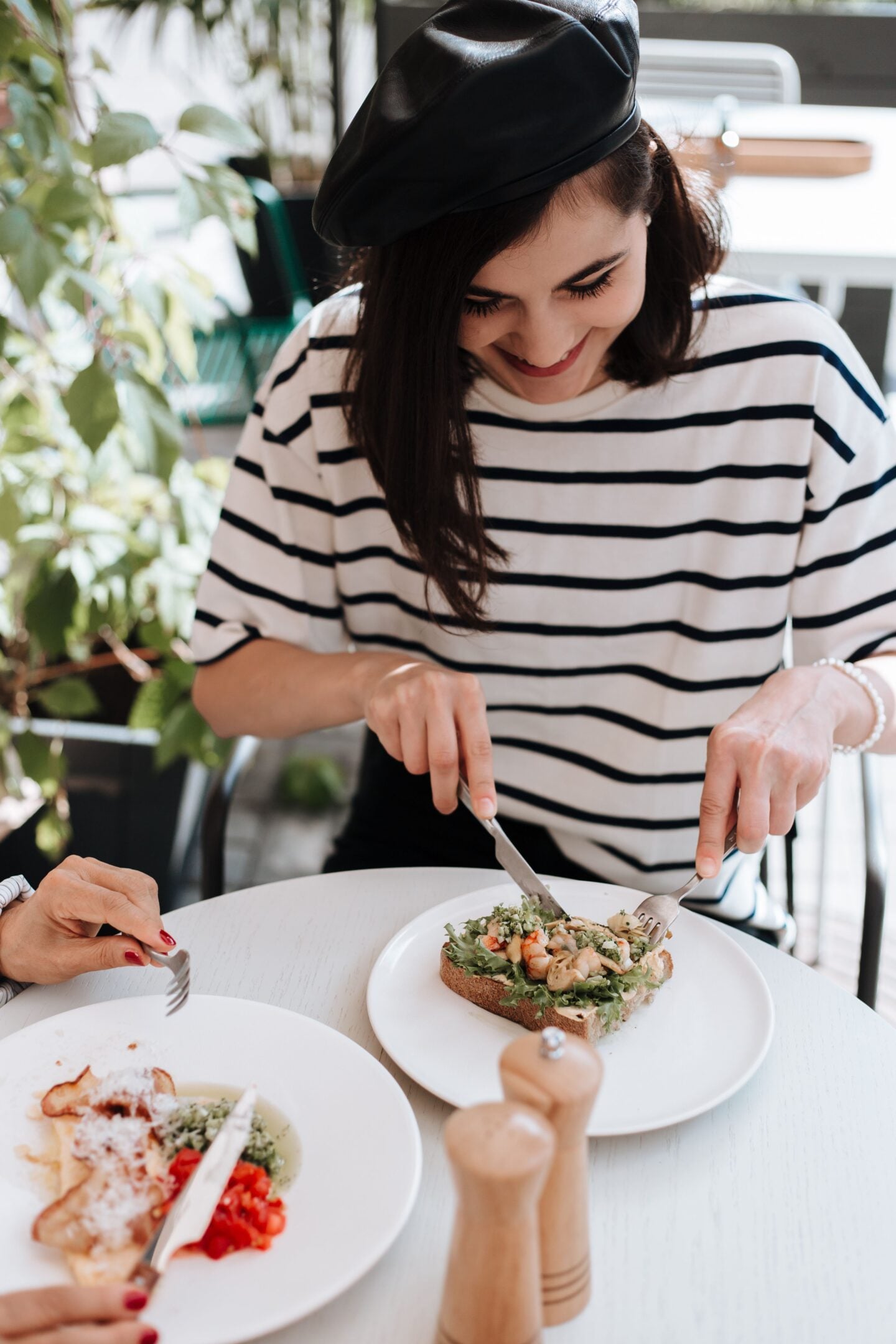
Every destination has a story to tell, and one of the best ways to discover it is through its food.
Trying regional dishes isn’t simply about eating something different. Local recipes often reflect centuries of history, traditions and ingredients that have shaped the culture. A simple meal prepared using locally grown produce can tell you far more about a place than a guidebook ever could.
Instead of heading straight to familiar international chains, look for neighbourhood cafés, bakeries and family-run restaurants. If a place is busy with local people rather than tourists, it’s usually a good sign.
Don’t be afraid to order something you’ve never heard of before or ask the staff what they recommend. Many travellers discover their favourite holiday memories around a dinner table rather than at a famous attraction.
Food markets are equally rewarding. Walking through stalls filled with fresh fruit, local cheeses, spices or handmade pastries offers a glimpse into everyday life that few organised tours can match. Even if you don’t buy anything, taking the time to explore these places helps you understand the rhythm of the community.
Talk To Local People
Some of the best travel advice never appears online.
A conversation with a shop owner, hotel receptionist or market vendor can completely change your itinerary. Local people know where to find the quiet beach that doesn’t appear in guidebooks, which café serves the best homemade cakes or which viewpoint is worth visiting at sunset.
You don’t need to be naturally outgoing to enjoy these moments. Even asking a simple question or showing interest in the local area often leads to surprisingly warm conversations.
Meeting local people also reminds us that every destination is someone’s home, not simply a place to visit. Taking time to understand different perspectives makes travelling much more rewarding than simply taking photographs and moving on.
Travel During The Shoulder Season
If you have flexibility, travelling outside the busiest holiday periods can completely transform your experience.
The shoulder season, usually spring and early autumn, offers a balance that many travellers overlook. The weather is often pleasant, attractions are less crowded and popular destinations feel calmer and more authentic.
You’ll spend less time standing in queues and more time actually enjoying the places you’ve travelled to see.
Many hotels and airlines also offer better prices during these quieter months, allowing your travel budget to stretch further. That extra money can often be used for activities that make your holiday more memorable, whether that’s hiring a guide, visiting an additional attraction or extending your stay.
Travelling during quieter periods also gives local businesses more support beyond the busiest tourist months, helping destinations maintain a more sustainable tourism industry.
Accept That You Can’t See Everything
One of the biggest mistakes travellers make is believing they need to experience everything a destination has to offer.
The truth is that no matter how long you stay, there will always be another museum, another restaurant or another beautiful viewpoint waiting to be discovered.
Once you accept that you can’t do everything, travelling becomes much more enjoyable.
Instead of rushing between attractions while constantly checking the time, you begin appreciating where you are.
You stop worrying about missing out and start noticing the small details around you.
Ironically, slowing down often allows you to experience far more than trying to fit everything into a single itinerary.
Be Present Instead Of Chasing The Perfect Photograph
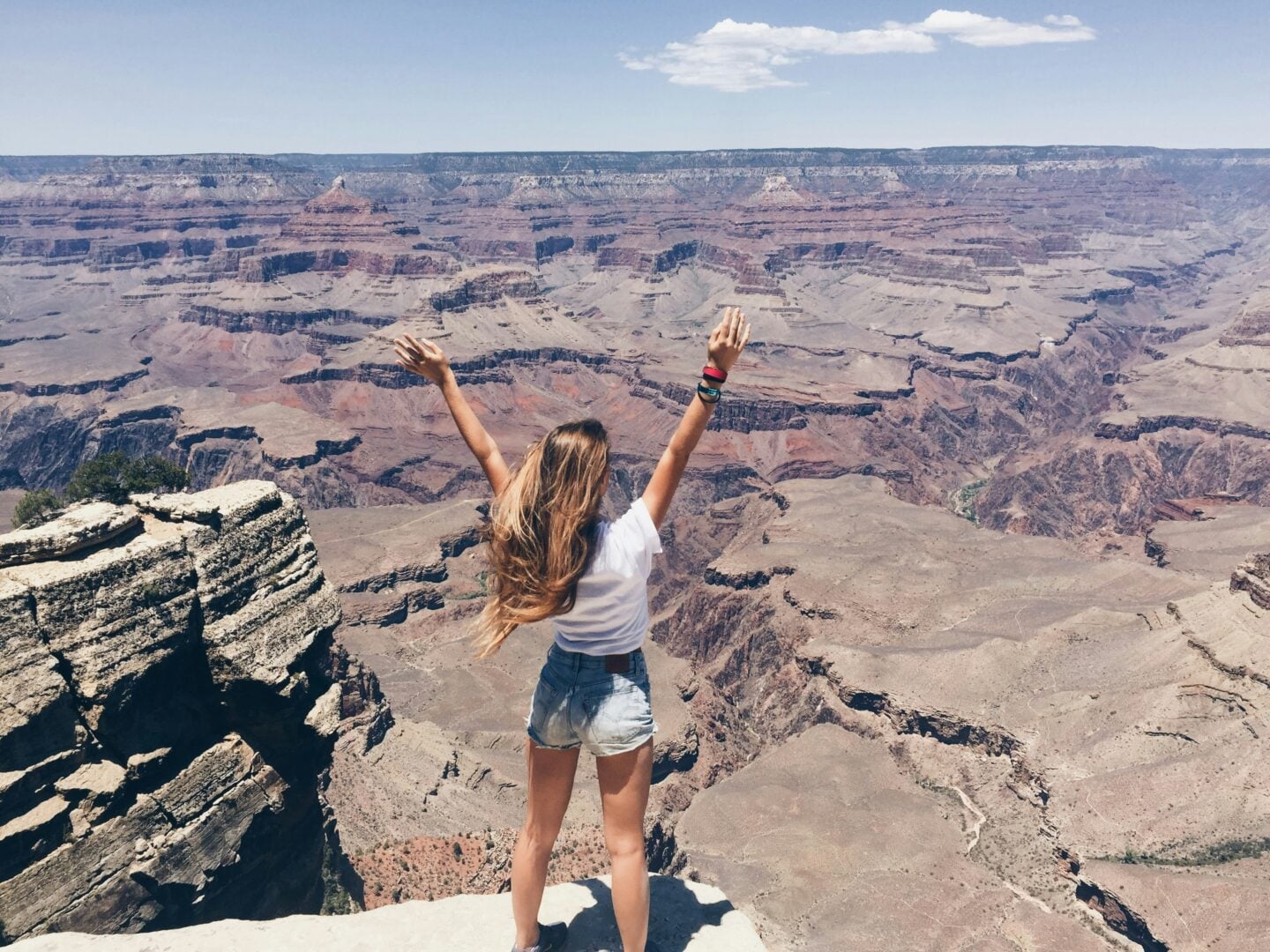
Modern travel is closely linked with photography, and there’s nothing wrong with wanting to capture beautiful memories.
The problem comes when taking photographs becomes more important than experiencing the moment itself.
It’s surprisingly common to watch an entire sunset through a phone screen while trying to record the perfect video. Yet the strongest memories are often created when we simply stop, look around and appreciate where we are.
Take your photographs, then put your phone away.
Listen to the sounds of the city waking up in the morning. Watch waves reaching the shore. Notice the smell of fresh bread coming from a nearby bakery or the music drifting through an old town square.
These details rarely appear in photographs, but they are often what we remember most vividly years later.
Travel Responsibly
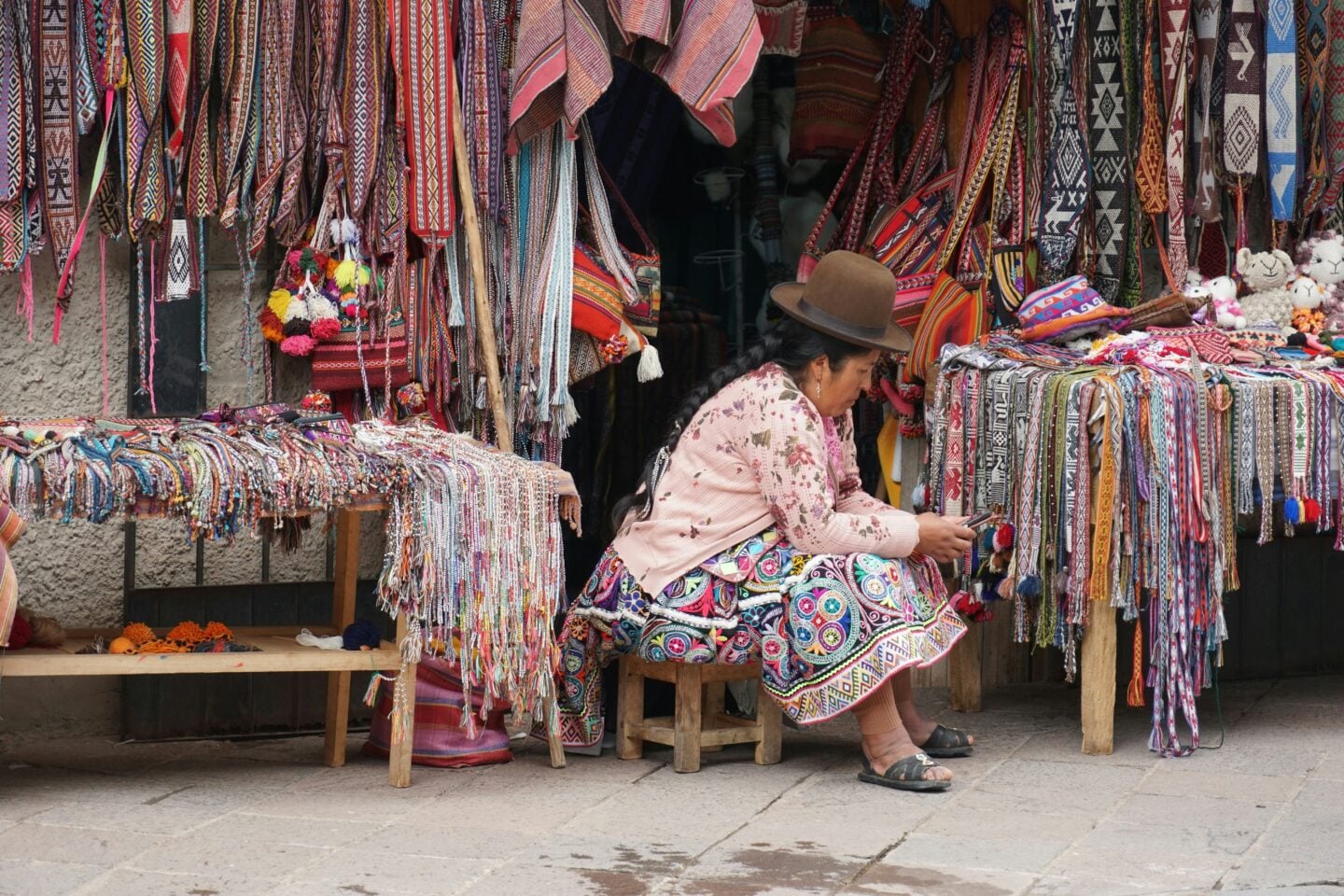
Meaningful travel also means recognising that our choices affect the places we visit.
Simple decisions can make a positive difference. Carrying a reusable water bottle, avoiding unnecessary waste, respecting local customs and supporting independent businesses all help preserve destinations for future visitors.
When shopping, consider buying handmade products from local artisans rather than mass-produced souvenirs. Choose family-run restaurants where possible and respect local traditions, even if they’re different from your own.
Responsible travel isn’t about perfection. It’s about leaving a place with the same beauty and character that attracted you there in the first place.
Keep The Journey Alive After You Return Home
A meaningful trip doesn’t end when your suitcase is unpacked.
Take time to reflect on your experiences. Print a few favourite photographs instead of leaving thousands hidden on your phone. Keep a travel journal or write down the moments that made you smile the most.
Try recreating a dish you enjoyed abroad or continue learning about the history and culture of the places you visited.
Some travellers even discover that one meaningful journey inspires a completely different way of travelling in the future. Instead of trying to see more places, they begin focusing on experiencing each destination more deeply.
That’s often the moment when travel changes from simply taking holidays to becoming a lifelong source of learning, inspiration and personal growth.
Make Every Journey Your Own

One of the easiest ways to create a more meaningful holiday is to stop comparing it to someone else’s.
Every traveller has different interests, priorities and expectations. Some people feel happiest hiking through remote landscapes, while others enjoy exploring museums, relaxing on quiet beaches or discovering local cafés. There is no right or wrong way to travel as long as your choices reflect what you genuinely enjoy.
It’s easy to fall into the trap of trying to recreate the perfect trip you’ve seen online. In reality, the best holidays are often the ones that don’t go entirely according to plan. A rainy afternoon spent sheltering in a cosy bookshop, an unexpected conversation with another traveller or a small family restaurant you discovered by chance may become the memories you treasure most.
Instead of chasing perfection, give yourself permission to travel at your own pace. If you find somewhere you love, stay a little longer. If a place doesn’t live up to your expectations, move on without feeling guilty. Travelling should never feel like completing a checklist. It should feel like an opportunity to explore the world in a way that brings you genuine enjoyment.
Remember That Less Can Be More
Many people return from holiday needing another holiday because they tried to do too much.
A slower approach often creates a far richer experience. Rather than visiting five destinations in one week, consider spending that time getting to know one place properly. Walk the same streets at different times of the day. Become familiar with the local bakery. Watch how the atmosphere changes from morning to evening.
When you spend longer in one place, you begin noticing details that most visitors never see. You develop a better understanding of the local culture, discover favourite spots that aren’t listed in guidebooks and start to feel connected to the destination instead of simply passing through it.
Travel isn’t a competition to see who has visited the most countries. The value of a journey comes from the experiences you have while you’re there, not from the number of passport stamps you collect.
Final Thoughts
The most memorable holidays are rarely defined by famous landmarks alone. They are shaped by meaningful conversations, unexpected discoveries and the moments that encourage you to slow down and appreciate your surroundings.
Travelling with intention doesn’t require a larger budget or months of planning. It simply means making thoughtful choices before and during your trip. Choosing accommodation that suits your travel style, leaving room for spontaneity, supporting local businesses and embracing experiences over checklists can completely transform the way you explore the world.
Long after you’ve forgotten the cost of your flights or the number of attractions you visited, you’ll remember how a destination made you feel. Those memories are what make travel so valuable. Every journey offers an opportunity not only to discover somewhere new but also to return home with a broader perspective, greater appreciation for different cultures and stories you’ll continue sharing for years to come.
Thanks for stopping by!
Magda
xoxo
<3