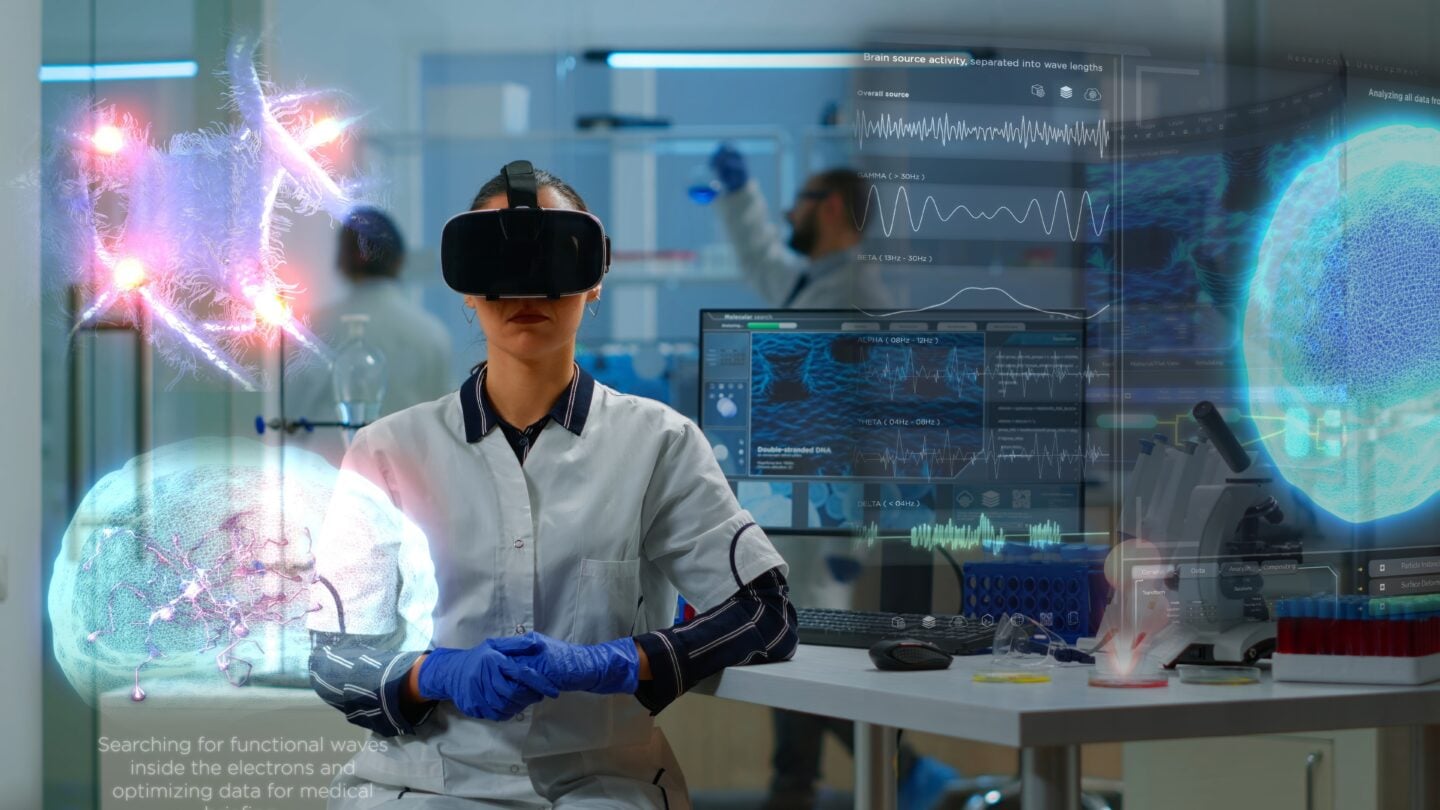
The healthcare industry of the US is in the midst of a significant technology-driven transformation. Novel technologies have emerged and are utilized, such as VR (Virtual Reality), AR (Augmented Reality), RPM (remote patient monitoring), the IoMT (internet of medical things), fintech integration, ML (machine learning), and cloud migration, to mention just a few.
These advances are contributing to higher positive outcomes for patients, reducing the administrative workload and easing the day-to-day load on healthcare providers who face ever-increasing patient loads along with burnout at work.
Designed by Freepik
Automating Administrative Procedures And Workflows
The healthcare sector is often frustratingly bureaucratic, which can lead to physician burnout or delays in care. Thanks to AI, the way healthcare organizations run their back office operation is changing fast and for the better.
AI for Clinical Workflows
Administrative chores that had taken up large portions of a healthcare worker’s day are now simplified by AI. UCLA Health found that use of scribe tools driven by AI cut clinician documentation time by 30 minutes per day, enabling doctors to spend more time treating patients and less time filling out forms.
Robotics and Automation in Health Care Administration
The technology isn’t just limited to AI; robotic process automation (RPA) is also progressing rapidly. RPA turns everyday, tedious tasks (like billing, paperwork, coding, and data handling) into automated workflows and allows medical professionals to focus on treating patients rather than getting bogged down in admin duties.
AI in Scheduling and Communication
Hundreds of hospitals in the US are using AI scheduling platforms. These systems improve the scheduling of appointments by considering clinician availability, patient preference, and urgency of care.
Better Patient Care And Results
As the need for improved healthcare continues to increase, technology enables healthcare practitioners to address that need head-on. AI diagnostics, remote patient monitoring, and new developments are producing better results for patients, as they enable healthcare to be more personalized and accessible.
Medical data is becoming readable by algorithms, thus helping doctors in making early and precise diagnoses. AI systems can now analyze radiology images and biopsy slides to detect the earliest stages of cancer or other diseases.
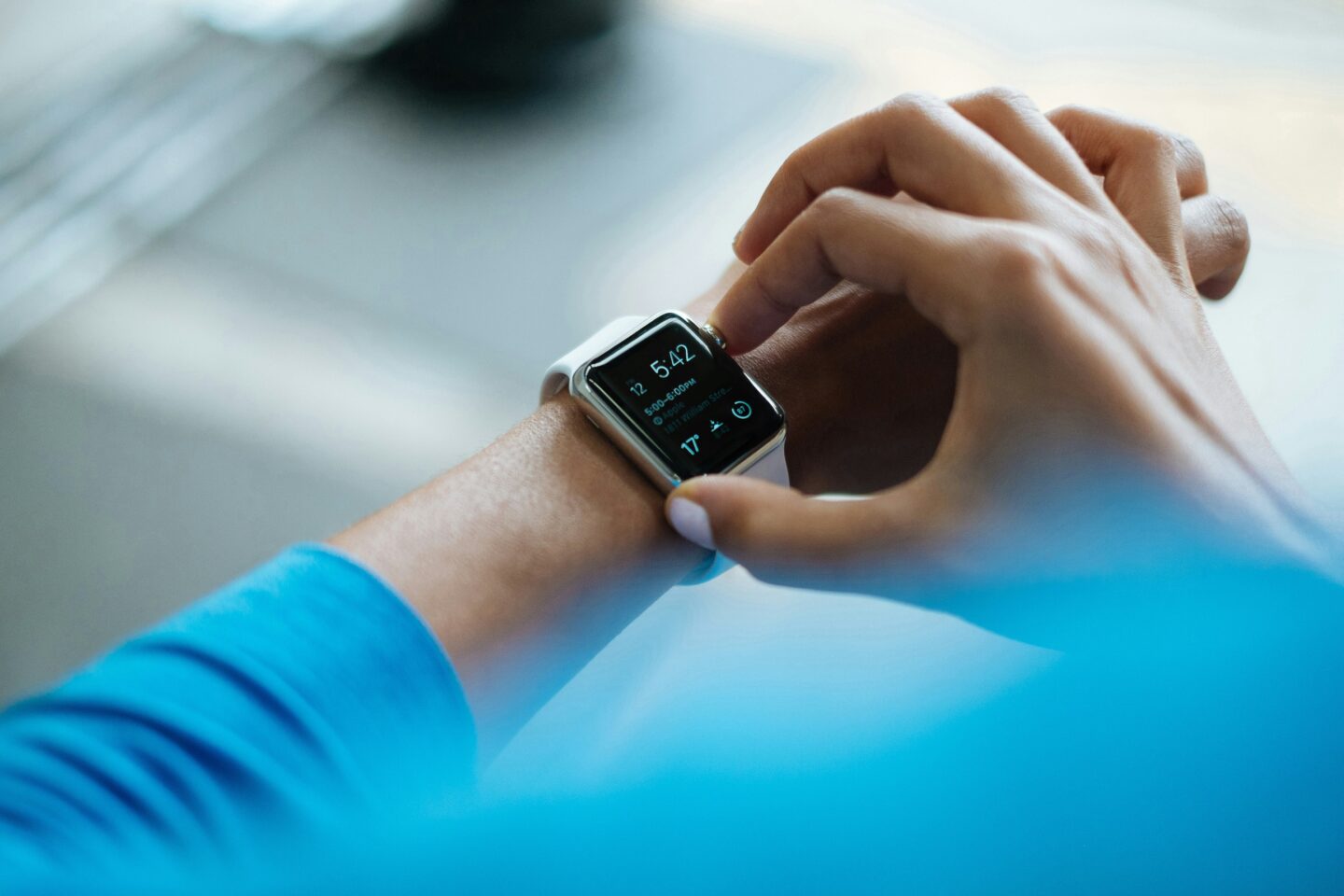
Not only that, but Remote patient monitoring (RPM) and wearables can enable the continuous real-time vitals monitoring of a patient, such as heart rate, blood oxygenation, and even ECG readings. Some tools are also able to send automatic alerts to healthcare providers if some vitals are abnormal and need their attention.
Making The Day-to-Day Work Of Doctors And Nurses Easier
Doctors and nurses have hard, stressful jobs that require long hours with challenging patients. The new tools of health care are a great way to unburden them, ease burnout, and free up their time to check in on those patients who do require their attention.
Everyone aspiring for an online Doctor of Nursing Practice should be thrilled about this opportunity. They are being prepared to be at the forefront of these new technological techniques, so they can reduce workloads and provide better patient care once they enter the workforce.
Robotics for Surgery and Assistance
The application of robotic surgery by the da Vinci Surgical System has simplified minimally invasive procedures and reduced the total processing duration. Such robots not only make surgeries more flexible and controllable, but they also shorten recovery times for fewer complications and shorter hospital stays. Robot-assisted surgery is especially useful in complex procedures, including prostatectomy, gynecological, and bariatric procedures, where accuracy is crucial.
AI-Assisted Clinical Decision Support
Physicians are seeking help from AI clinical decision support tools to do real-time patient data analysis, prevent any diagnostic errors, and propose suitable treatment plans in accordance with evidence-based standards.
Wearables Supporting Healthcare Professionals
Wearable devices are perfect for monitoring patients as well as front-line clinicians. These devices can help them keep track of their sleep patterns, stress levels, and heart rates, to ensure that they are in top condition to provide care to their patients.
Integrated Delivery Systems For Interoperability
The US healthcare system is fragmented into silos. Therefore, the key to a more efficient system is synergy between various sectors. Data-sharing solutions mean that multiple healthcare workers can work together, providing integrated care for patients at different stages.
Fast Healthcare Interoperability Resources (FHIR) standards also ensure that we can easily share health data between EHRs. These platforms are helping to reduce duplicate tests, prevent treatment hazards, and enable data on a patient’s health to follow them wherever they go.
Yet, as healthcare data goes digital, the focus on cybersecurity has increased considerably. Which is why health care providers are forking over big money to buy the best in encryption and security systems that use artificial intelligence to help ensure patient data remains out of the wrong hands. According to an HIMSS Analytics report, more than half of healthcare organizations boosted their cybersecurity budget in 2025. Healthcare organizations can achieve seamless data exchange and keep a watchful eye on new threats in the process with the help of interconnected platforms and advanced security.
The new technologies that many say will revolutionize health care in the US are not just pipe-dream wishes; they are already making amazing changes in advanced patient care. In the future, these advances will continue to make health care more personal, enabling physicians to know their patients better and provide more timely medical care.
Thanks for stopping by!
Magda
xoxo
<3