Removing water from a pool, pond, or storage tank sounds simple. However, the right equipment depends on how much water needs moving and where it must go. A small pump may handle a backyard task but struggle with a large pool. Understanding these limits helps prevent delays and unsuitable equipment choices.
A water transfer pump for pool maintenance can remove collected water without requiring a permanent drainage connection. Some models draw water through an intake hose, while others sit directly inside the water. Each design has different installation and operating requirements.
A 12V water transfer pump uses direct current from a compatible battery or power supply. Its compact design makes it useful for locations where conventional electrical outlets aren’t available. However, voltage alone doesn’t determine pumping strength. Motor power, flow rate, head height, and operating time matter too.
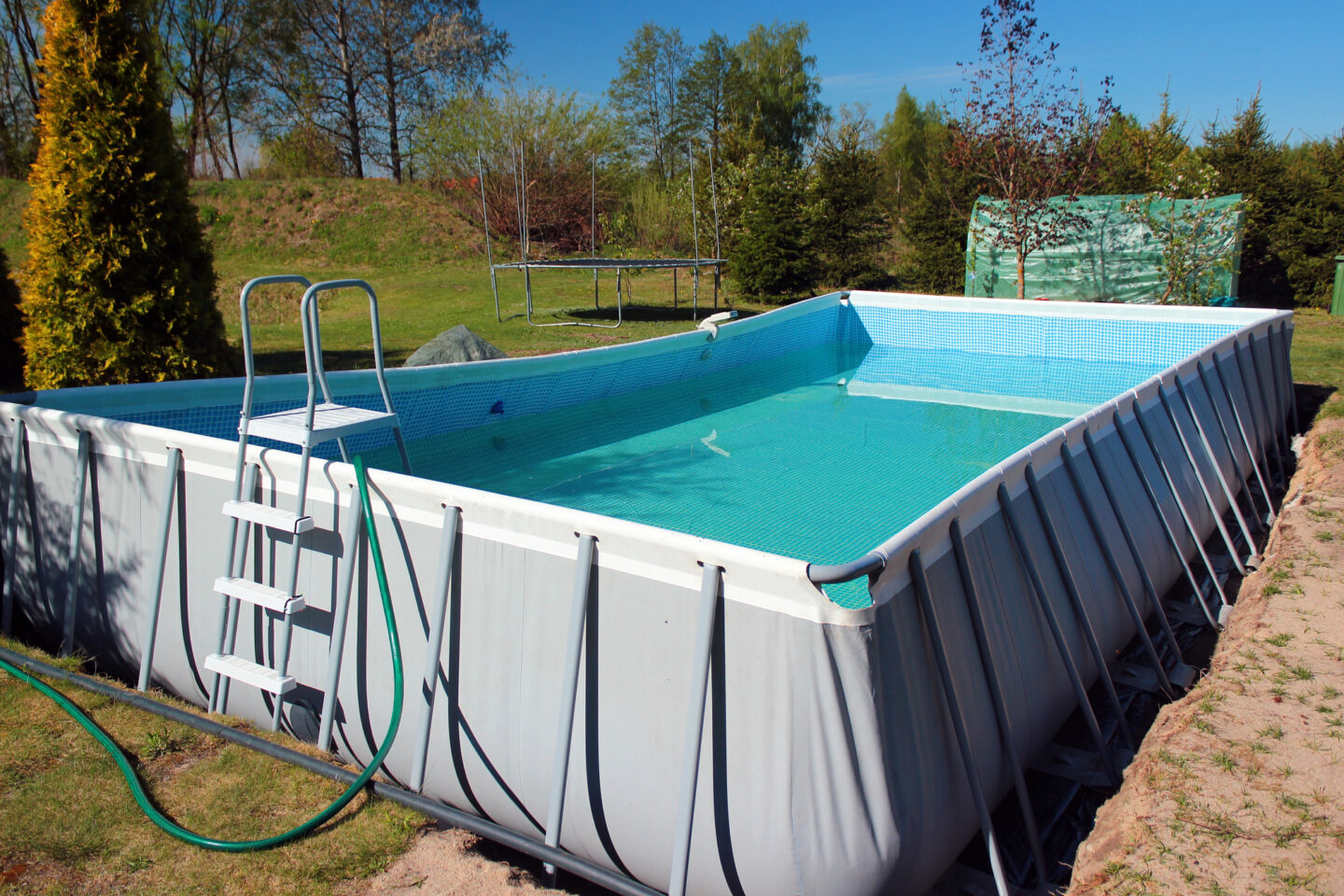
Image credit: Depositphotos
Check The Pump Capacity Before Choosing A Model
Pump capacity is one of the most important specifications to understand. Manufacturers usually express water output in gallons per hour (GPH) or gallons per minute (GPM). These measurements indicate how much water a pump can move under specified conditions.
What Does 360 GPH Mean for Pool Drainage?
Consider a compact pump with a maximum rated capacity of 360 GPH. At that theoretical rate, it could move 360 gallons in one hour under suitable conditions. Actual output may decrease when the pump needs to lift water or push it through a long hose.
For example, moving water from a small inflatable pool may be manageable with this capacity. Draining a large swimming pool would require considerably more time. The water transfer pump for pool drainage should therefore match the pool’s volume and intended removal schedule.
Understand Maximum Head and Suction Lift
Maximum head describes the vertical distance a pump can move water under its specified conditions. It isn’t the same as the recommended operating height at maximum flow.
Suction lift describes how high the pump can draw water from its source. This matters for surface mounted pumps because they remain outside the water. Always check both measurements before deciding whether a particular model suits your setup.
Choose The Right Pump Design For Pool Water
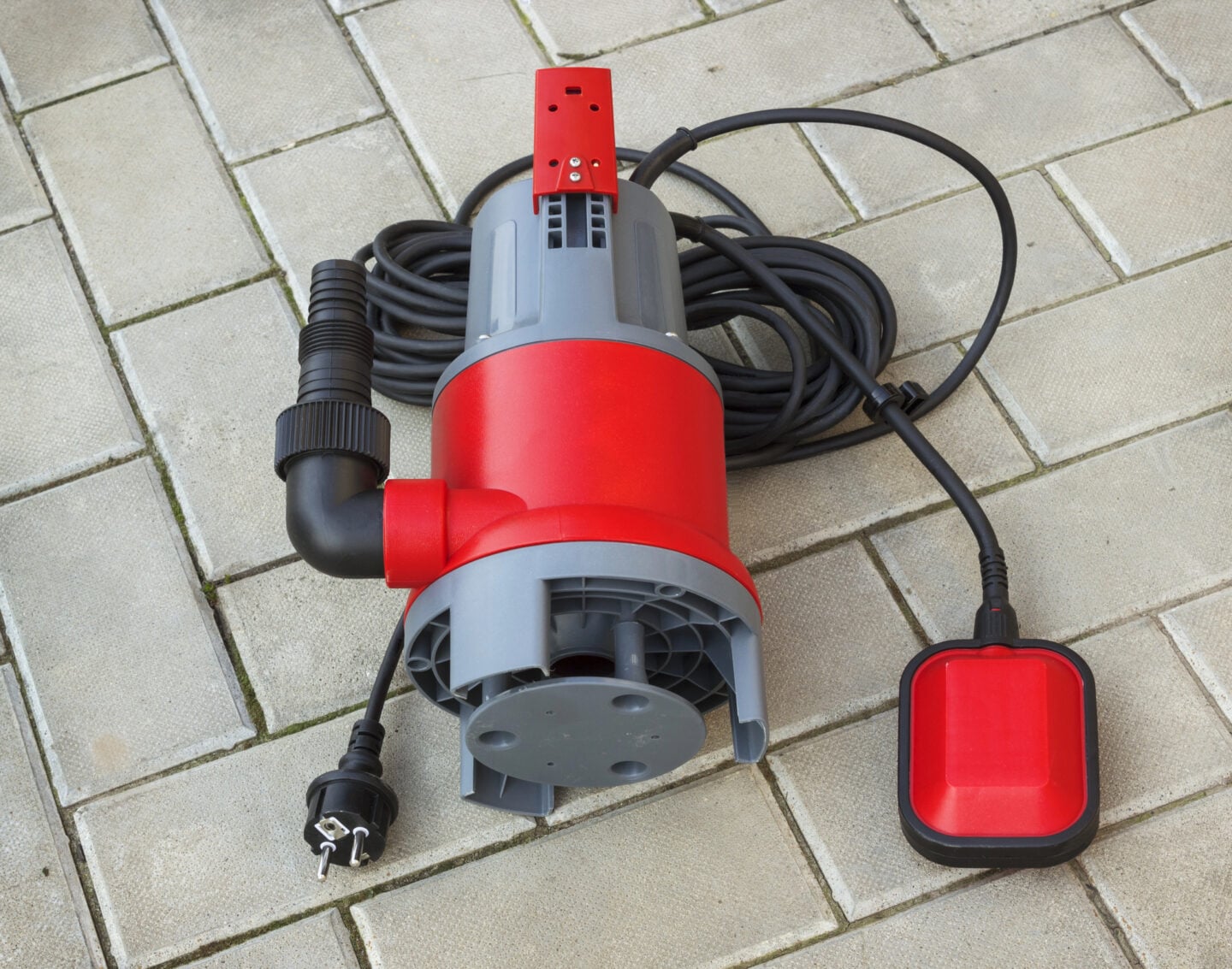
Image credit: Depositphotos
Different pump designs serve different water removal requirements. Choosing between them depends on water depth, debris, installation space, and the amount of water involved.
Surface Mounted Utility Pumps
These pumps sit outside the water and draw it through an intake hose. They can work well for draining pools, rain barrels, ponds, and other accessible water sources.
A surface pump needs suitable priming when its design requires it. The intake hose must also remain airtight to maintain suction. This setup can be convenient when users want to keep the motor away from the water.
Submersible Utility Pumps
Submersible pumps operate while positioned underwater. They push water through a discharge hose rather than drawing it through a long suction line.
Some models can remove water from relatively shallow areas. Others need a minimum operating water level to prevent damage. Check the manufacturer’s instructions before using one for the final stage of pool drainage.
Trash Pumps for Water Containing Debris
Pool water can contain leaves, dirt, and other unwanted material, especially after storms. A standard utility pump may struggle when larger particles enter its intake.
A trash pump is designed for applications involving suspended solids. However, its debris handling capacity varies by model. Check the maximum particle size and filtration requirements before selecting one.
Decide Whether A 12V Pump Can Handle Your Pool
A 12V model offers useful portability, but its capacity should match the actual workload. Smaller pools, hot tubs, and water features may require less pumping capacity than full sized swimming pools.
For example, a compact 12V model rated at 360 GPH and 1/10 HP can support smaller water transfer tasks. Its maximum advertised flow doesn’t mean it will maintain that output at every lifting height. Hose restrictions and other operating conditions affect the result.
A water transfer pump for pool maintenance should also match the intended water level. Some surface pumps cannot remove the final shallow layer because their intake needs sufficient water to maintain suction.
When a 12V Pump Makes Sense
Consider this type of equipment when you need to:
- Drain smaller pools and water features.
- Transfer water between nearby containers.
- Empty rain barrels and storage tanks.
- Move water at locations without household electrical outlets.
- Perform occasional outdoor drainage tasks.
For larger pools, compare higher capacity equipment before making a decision. A smaller pump may still work, but its operating time could make it impractical.
Compare Cordless Water Pumps With Traditional Electric Models
Cordless pumps offer freedom from direct electrical connections. Traditional electric models usually provide a more consistent power supply while connected to a suitable outlet.
Are cordless water pumps as powerful as traditional electric pumps? Not necessarily. Their performance depends on motor design, battery voltage, battery capacity, and pump construction. Some cordless models handle smaller transfer jobs well, while larger corded pumps can support more demanding applications.
Where Cordless Pumps Have an Advantage
Battery powered equipment is useful when electrical outlets aren’t available near the water source. Users can move it between containers, gardens, and outdoor work areas.
It also avoids the need to manage a long extension cable. This can make setup easier for occasional drainage work. However, users must monitor battery charge and available operating time.
Where Traditional Electric Pumps Perform Better
Corded pumps can operate as long as they receive a suitable power supply and remain within their rated operating limits. This makes them useful for jobs requiring extended pumping periods.
They may also offer higher flow rates, depending on their motor and design. However, electrical safety becomes especially important around pools and other wet environments.
Find The Right Battery Powered Pump For Your Needs
Battery capacity should be considered alongside the pump’s advertised flow rate. A pump that moves water quickly may also consume more battery power.
How to Choose a Battery Powered Water Pump
Start by estimating how much water you need to move during one working session. Then compare the pump’s flow rate, battery voltage, capacity, and expected runtime.
Check whether the battery and charger are included. Some models require a separately purchased battery system. Also examine the hose connections and maximum pumping height.
A suitable water transfer pump for pool maintenance should support the required water volume without exceeding its operating limits. If the pump will be used frequently, consider battery availability and replacement options before purchasing.
Check Battery Runtime and Charging Requirements
Battery capacity is commonly measured in ampere hours (Ah) or watt hours (Wh). A larger capacity may provide longer operation, but actual runtime depends on motor demand.
For example, a pump working against a high lifting height may consume more energy than one transferring water over a short distance. Cold conditions and battery age can also affect performance.
Consider Battery Powered Siphon Pumps For Small Household Jobs
Not every water transfer task needs a large utility pump. Small siphon pumps can help move water between containers without complicated equipment. Small models are also available for emptying containers, filling watering cans, and transferring water from suitable household storage vessels.
These devices typically use a motor to draw liquid through a narrow intake tube. Many include a simple switch and flexible discharge hose. Their small size makes storage and handling easier.
However, they aren’t designed for every drainage task. Limited flow, short discharge hoses, and restricted lifting height can affect their usefulness. A larger water transfer pump for pool drainage is usually more suitable when moving substantial water volumes.
Follow These Steps Before Operating Your Pump
Correct setup helps maintain water flow and reduces unnecessary wear. Read the operating instructions before connecting the pump to its power source.
Prepare the Intake and Discharge System
Inspect the hoses for cracks, loose fittings, and blockages. Position the intake correctly and make sure its strainer doesn’t sit against leaves or debris.
Follow the priming procedure if the pump requires it. Some models need water inside the pump chamber before starting. Never assume a surface pump can operate without priming.
Avoid Dry Running and Electrical Hazards
Running a pump without water can damage its internal components. Switch it off when the water level reaches the manufacturer’s minimum operating level.
Keep electrical connections away from water. For pool work, use suitable ground fault protection and follow the manufacturer’s electrical safety instructions. Never enter a pool or flooded area while connected electrical equipment creates a potential hazard.
Maintain Your Pump For Consistent Performance
Routine maintenance helps keep the equipment ready for future work. Small checks can identify problems before they affect pumping performance.
Clean the intake strainer after use and remove accumulated dirt. Inspect the impeller, seals, and hose connections for visible damage. Replace worn components according to the manufacturer’s recommendations.
For battery powered models, follow the correct charging and storage instructions. Keep battery contacts clean and avoid exposing the battery to moisture. Store the pump in a dry location after draining any remaining water from its housing.
Make Your Final Selection Based On The Actual Job
The best pump isn’t always the one with the highest advertised flow rate. It should match the amount of water, required lifting height, available power, and operating duration.
A compact 12V model can be practical for small pools, hot tubs, ponds, and storage containers. Cordless alternatives offer greater mobility, while traditional electric pumps can suit longer operating sessions.
Before buying, compare performance specifications under realistic conditions. Also consider water quality, hose size, priming requirements, and maintenance needs. These details help you select equipment that can handle your project without unnecessary limitations.
Frequently Asked Questions
Are cordless water pumps as powerful as traditional electric pumps?
Not always. Cordless pumps offer mobility, but traditional electric models may provide higher flow rates and longer operating periods.
How do I choose the right battery powered water pump for my needs?
Consider battery capacity, flow rate, pumping height, hose compatibility, and expected runtime. Match these specifications to your water transfer requirements.
Are there any battery powered siphon pumps suitable for home use?
Yes. Compact battery powered siphon pumps can transfer water between containers, empty small tanks, and fill watering cans. They aren’t generally suitable for draining large swimming pools.
Can a 12V pump drain an entire swimming pool?
It depends on the pump’s capacity and pool volume. A smaller 12V model may take considerable time to drain a full sized swimming pool.
What should I check before using a water transfer pump for pool drainage?
Check the flow rate, suction lift, discharge height, hose connections, and water compatibility. Also confirm that the discharge location is suitable for pool water.
Thanks for stopping by!
Magda
xoxo
<3