You know that moment when you carry a cup of tea from the kitchen to the sofa and think, “Why is this walk so long?” That’s layout talking. And with two-storey homes, layout is everything. Flip the script – put living spaces upstairs, sleeping downstairs – and your daily rhythm changes in the best ways. Sunlight where you actually hang out. Quieter bedrooms that don’t share a wall with the blender. A view (finally) where the people are.
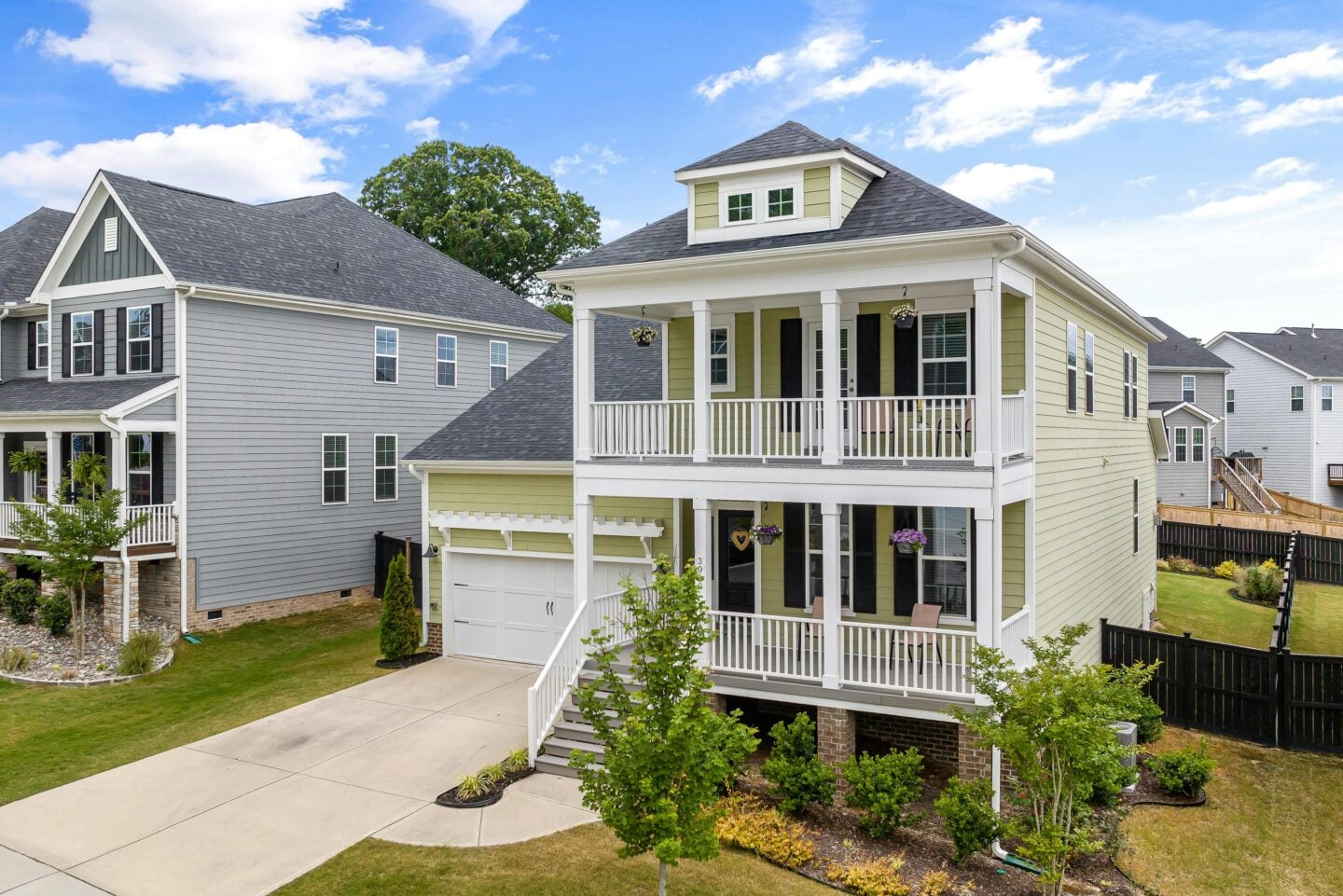
If you’ve been browsing two-storey home builders for inspiration, you’ve probably noticed a new confidence around “upside-down living.” It’s functional, playful, and surprisingly family-friendly when you design with intention. Let’s walk through how to make it work, room by room, zone by zone, so your home flows as well as your life.
Why Upside-Down Works For Busy Families
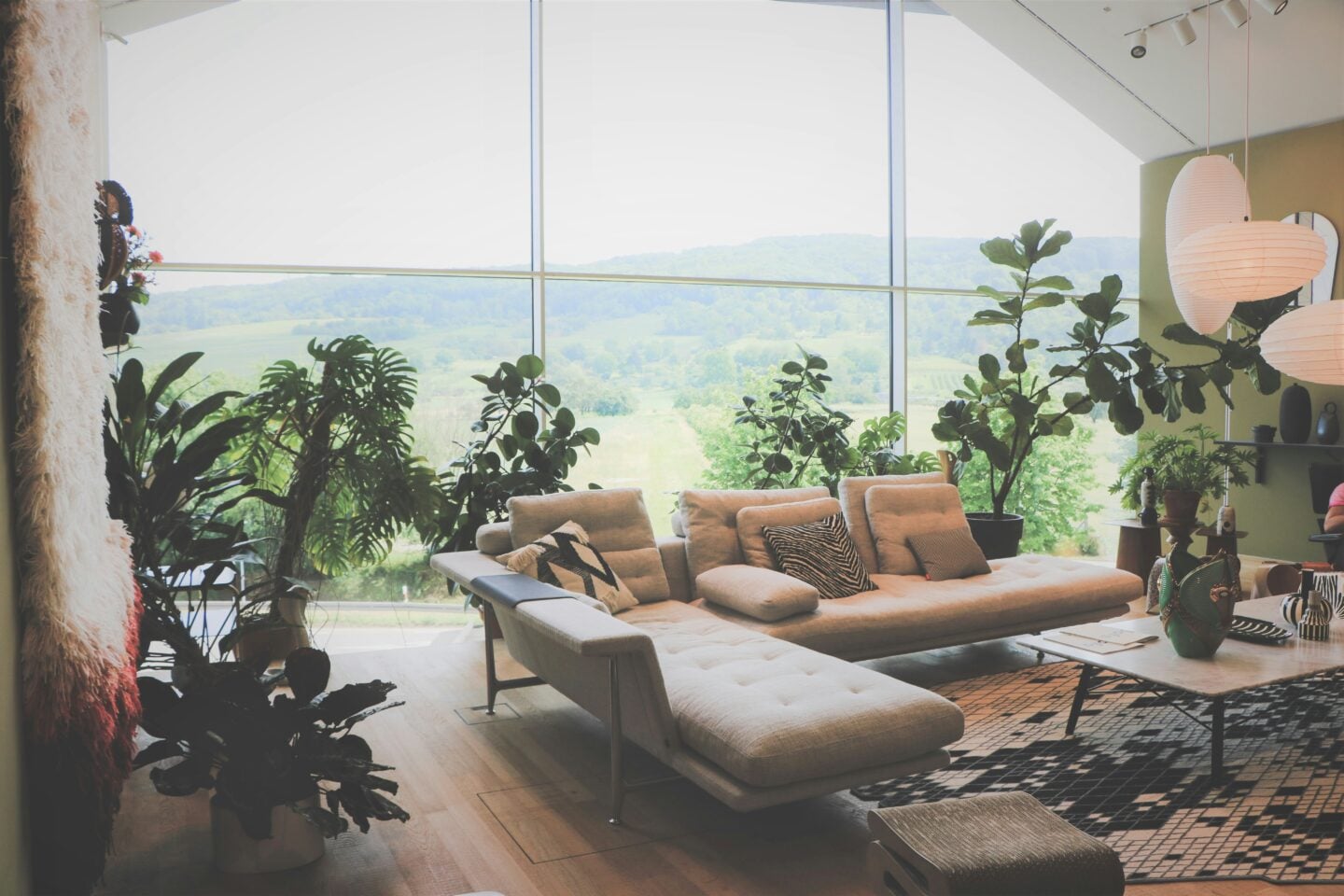
Most of your waking hours happen in the living areas. Put those spaces upstairs and you catch more light, better breezes, and, if you’re lucky, nicer views. Meanwhile, bedrooms settle into the quiet, cooler ground floor where the street noise softens and kids can sleep through dinner parties. It’s not a gimmick. It’s a spatial re-prioritization: give the best real estate to the places you’re awake.
Designing Upstairs For Quiet And Comfort
“Wait, I thought upstairs was for living?” Often, yes. But families aren’t copy-paste. If your life needs the primary bedroom as a true retreat, placing it upstairs beside a study or a small lounge can be brilliant. You’ll trade pure “upside-down” for “right-sized.”
What to consider:
- Use a sound-insulated corridor to buffer the bedroom from the living zone.
- Add a small morning balcony for sunlight without stepping into the main deck.
- Keep laundry on the same level as bedrooms – up or down – so you’re not running stairs with baskets.
Living Spaces That Converge
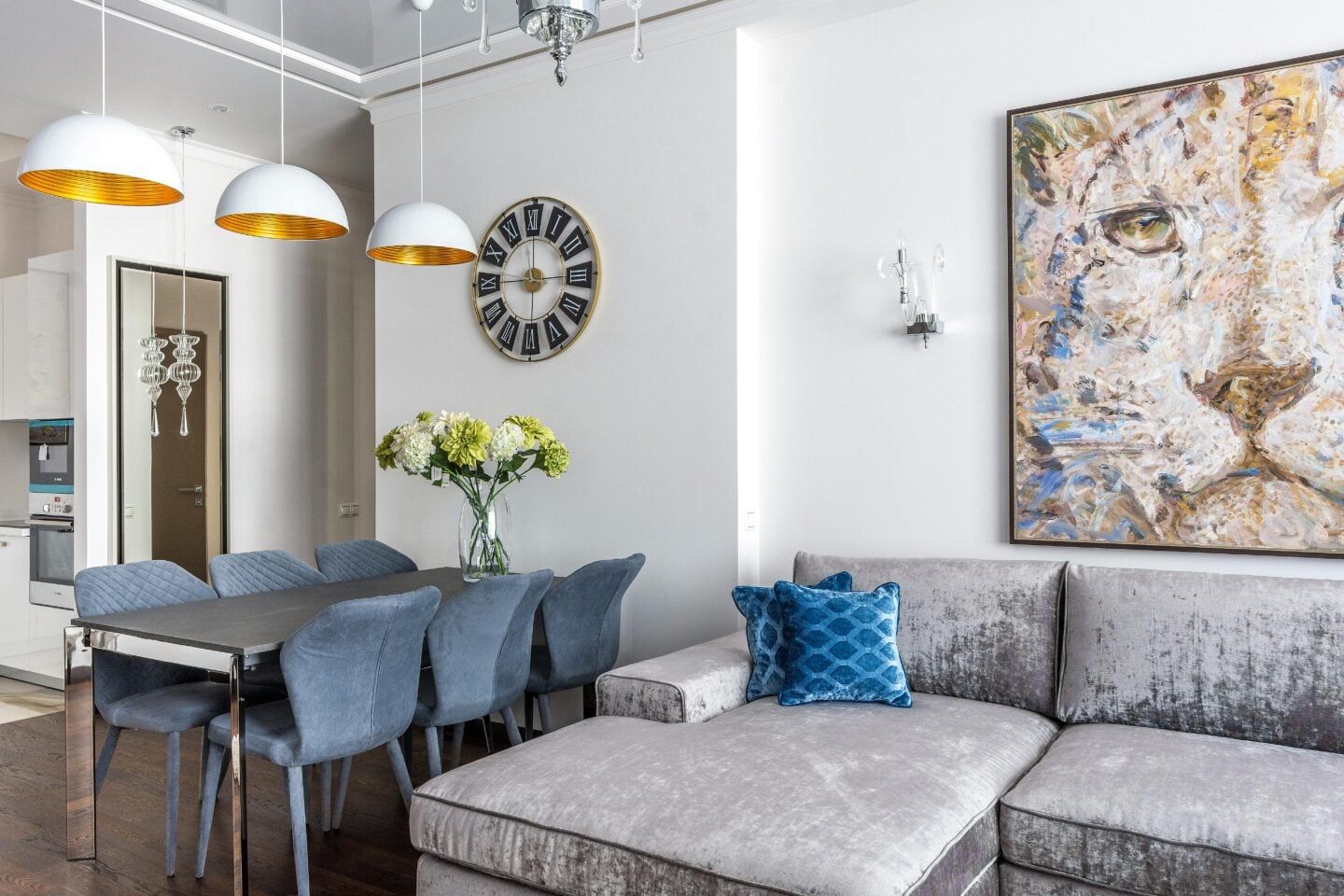
Think of upstairs as your everyday stage. Kitchen, dining, and lounge are the trio, and the choreography matters. An island that faces the lounge invites conversation while you cook. A dining banquette doubles as extra seating on movie night. If you’re adding a small office nook, place it within sightlines of the kitchen so you can jump between emails and boiling water without losing the plot.
This is also your best “link opportunity”, the place in the article where you’d naturally point readers to a detailed resource about planning connected living zones. The key idea: convergence beats compartmentalization.
Zoning That Feels Like Choreography – Not Architecture
Good zoning is less about walls, more about cues:
- Ceiling shifts: A subtle drop over the dining table creates intimacy without a single stud.
- Floor transitions: Timber to tile at the kitchen edge helps keep mess contained.
- Furniture as boundaries: A low back sofa can define the lounge while keeping sightlines open.
- Lighting layers: Pendants define the dining; wall washers make the hallway glow; dimmable LEDs keep the lounge flexible.
When zones are obvious yet open, family life flows. Kids can spread homework on the island while you cook; you can still catch their questions without shouting.
Stairs As The Social Spine

Stairs aren’t just infrastructure; they’re a design opportunity. Open risers let light through. A half-landing creates a natural pause where shoes go on and violins get tuned. If the stair lands near the kitchen, you’ll catch family in transit – perfect for quick chats and snack handoffs.
Safety note: choose handrails you actually want to touch, non-slip treads, and lighting you can find without fumbling. The less you think about stairs, the more they serve you.
Sunlight, Views, and Orientation (Your Secret Superpowers)
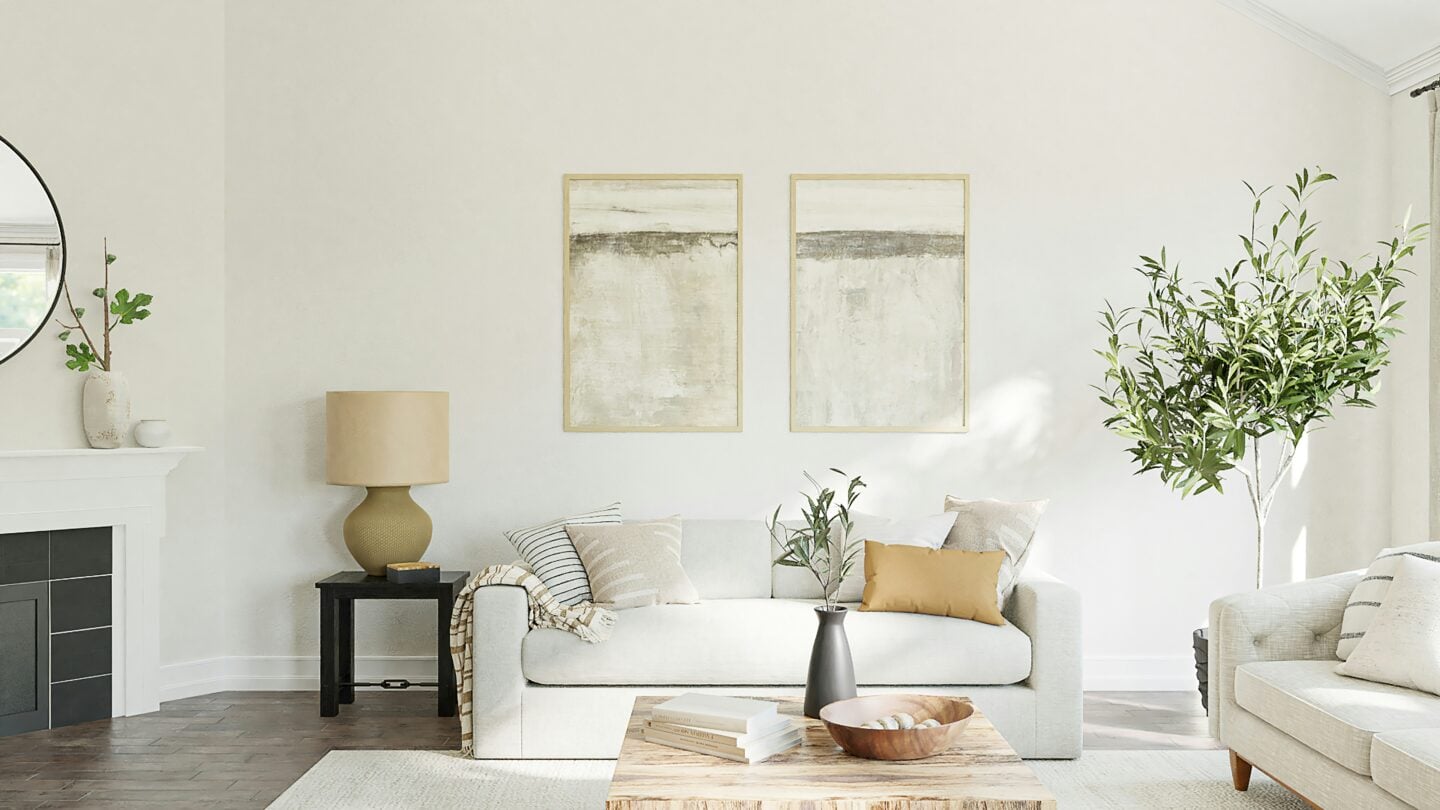
Put the spaces that crave light and views upstairs, then orient them smartly:
- North-facing (or sun-facing in your hemisphere) for living spaces; you get softer, longer light.
- Eaves or external blinds tame summer heat without killing winter warmth.
- Clerestory windows pull light deep into the room and vent heat at night.
- Window seats turn awkward corners into cherished reading nooks.
Design for the sun and your power bills, and your moods improve.
The Upstairs Kitchen: Practicalities You’ll Be Glad You Asked About
An upstairs kitchen is wonderful… if planned well.
- Groceries: A broad stair, a generous landing, or a discrete dumbwaiter solves the weekly haul.
- Ventilation: Ducted extraction to the exterior (not just recirculating) keeps the upstairs air crisp.
- Water lines and drainage: Map vertical stacks early; align them above the ground-floor wet areas to simplify plumbing.
- Pantry placement: A walk-in on an internal wall keeps shelves straight and temperatures stable.
Go compact with appliances, but not mean. You want enough oven and fridge capacity for the realities of family life.
Outdoor Rooms In The Sky
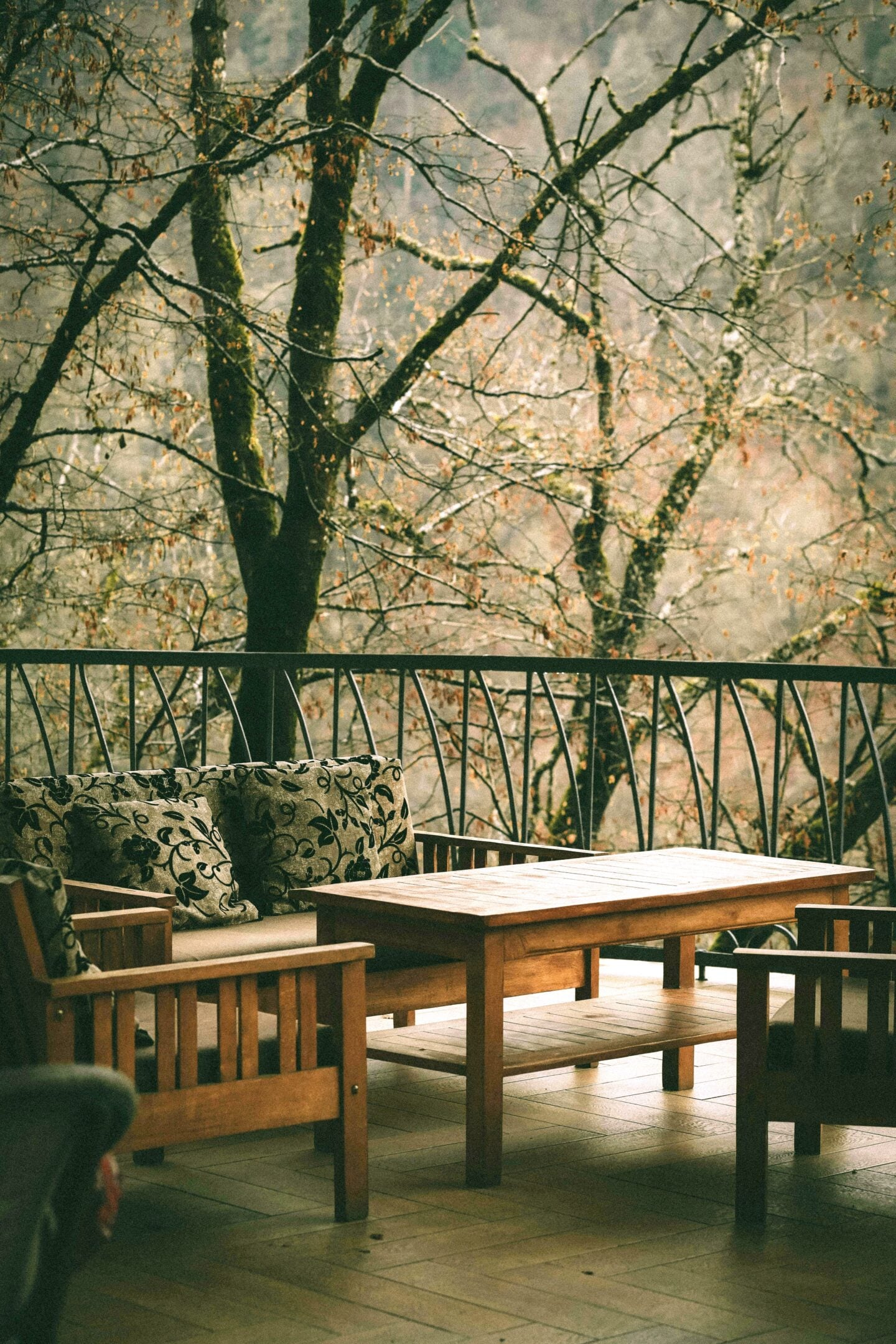
A deck or loggia off the upstairs living area is where upside-down shines. Breakfast outside, sundowners with a view, kids doing chalk art while dinner simmers. Add:
- A built-in bench with storage for cushions and outdoor games.
- Retractable screening for wind and privacy.
- A small herb wall near the kitchen door. Fresh basil at arm’s reach changes everything.
Ground level can still work hard: think lawn, basketball keyline, veggie beds, or a shady hammock zone under the deck.
Noise, Privacy, And The Right Kind Of Quiet
Two storeys can echo. Fix that early:
- Acoustic underlay beneath the upstairs floor.
- Soft finishes – rugs, curtains, bookshelves, soak up sound.
- Door placement: Bedrooms off a shorter hallway reduce midnight tours past every door.
- Powder room position: Keep it away from the living cluster (and please, a discreet fan).
Privacy isn’t just about walls. It’s about angles and sightlines. A half-turn in the corridor can hide a desk mess without a door.
Storage You Don’t Have To Fight
Families generate stuff. Plan for it.
- Mud room or drop zone at the entry with hooks, cubbies, and a bench.
- Under-stair drawers for sports gear and seasonal things.
- A linen press on each level so towels stop traveling.
- Charging cubbies for devices that otherwise scatter across the kitchen bench.
The rule: storage where you use it, not where it “looks good on a plan.”
Little Kids, Big Kids, And The Future-Proof Plan
Layouts should grow with your crew:
- Young kids: Keep a playroom near the living area so supervision is easy.
- Tweens/teens: Give them a ground-floor retreat with a door you can close and a door they can open to the yard.
- Study niches: Carve in a pocket desk near the kitchen for little homework sessions; a separate study upstairs or down for deep work later.
Design for flexibility now, and you won’t be wrestling with the plan in five years.
Multi-Gen Or Work-From-Home? No Problem
A small ground-floor suite with an ensuite can be a guest room today, a grandparent’s space tomorrow, or a client-friendly office if you see people at home. A separate entry (even just a gate and a path) turns it from “spare room” into “independent zone.”
Partnering With Two-Storey Home Builders
Choosing experienced two storey home builders is half the battle won. They’ll spot structural efficiencies (like stacking bathrooms), guide you on stair positioning, and navigate planning rules that affect upstairs decks, overlooking, and setbacks. Ask them for daylight studies, acoustic strategies, and example plans that match your block size. The good ones don’t push a template; they shape a plan around the way you actually live.
Energy, Comfort, And The Bills You Don’t Want
Upside-down can be deeply efficient:
- Insulation continuity is non-negotiable, including the roof, walls, and between floors.
- Cross-ventilation upstairs keeps summer bearable without running the air-con all night.
- Ceiling fans pair nicely with open windows; they cost pennies to run.
- Heat pumps and heat-recovery ventilation earn their keep in cooler climates.
A smarter envelope means a calmer home and lower bills.
Budget Notes (And How To Control Them)
Two levels mean more structure and a staircase, so plan for that cost. Then claw back savings with:
- A tighter footprint instead of pushing outward.
- A single roof form rather than a patchwork of hips and valleys.
- Standard window sizes in smart configurations.
- One “wow” material used with restraint instead of five competing finishes.
Invest where you feel it daily: light, acoustics, storage, and the kitchen workflow.
Test-Drive The Plan Before You Build
Don’t trust a floor plan alone. Move your body through it:
- Tape out the main rooms at 1:1 in a garage or community hall.
- Set up folding tables to represent islands and sofas.
- Walk the “just got home” route with grocery bags and a backpack.
- Role-play bedtime with doors, lights, and the path to the bathroom.
You’ll learn more in one hour of pretend-living than a week of staring at drawings.
Common Mistakes (So You Can Skip Them)
Stairs that spill straight into the lounge.
No pause, no buffer, just bags and shoes exploding into the room. Give yourself a small landing or entry nook so arrivals feel calm, not chaotic.
Decks with zero shade.
Lovely in April. Unusable by December. Add cover – eaves, pergola, retractable awning – so it’s a space you’ll actually live in, not just look at.
An upstairs pantry that’s too tiny.
Bulk buys and lunch boxes need breathing room. Plan proper shelves, decent depth, and a spot for appliances you don’t want on show.
Nowhere for the daily drop.
Prams, scooters, school bags… if they don’t have a home, your hallway becomes one. Build a drop zone with hooks, cubbies, and a bench right where you enter.
Street-facing bedrooms without acoustic glazing.
It’s all fine – until the 6 a.m. delivery truck. Choose better windows and seals now, sleep better later.
Solve these on the plan, and you’ll never have to wrestle them in real life.
A Day In The Life, Upside-Down
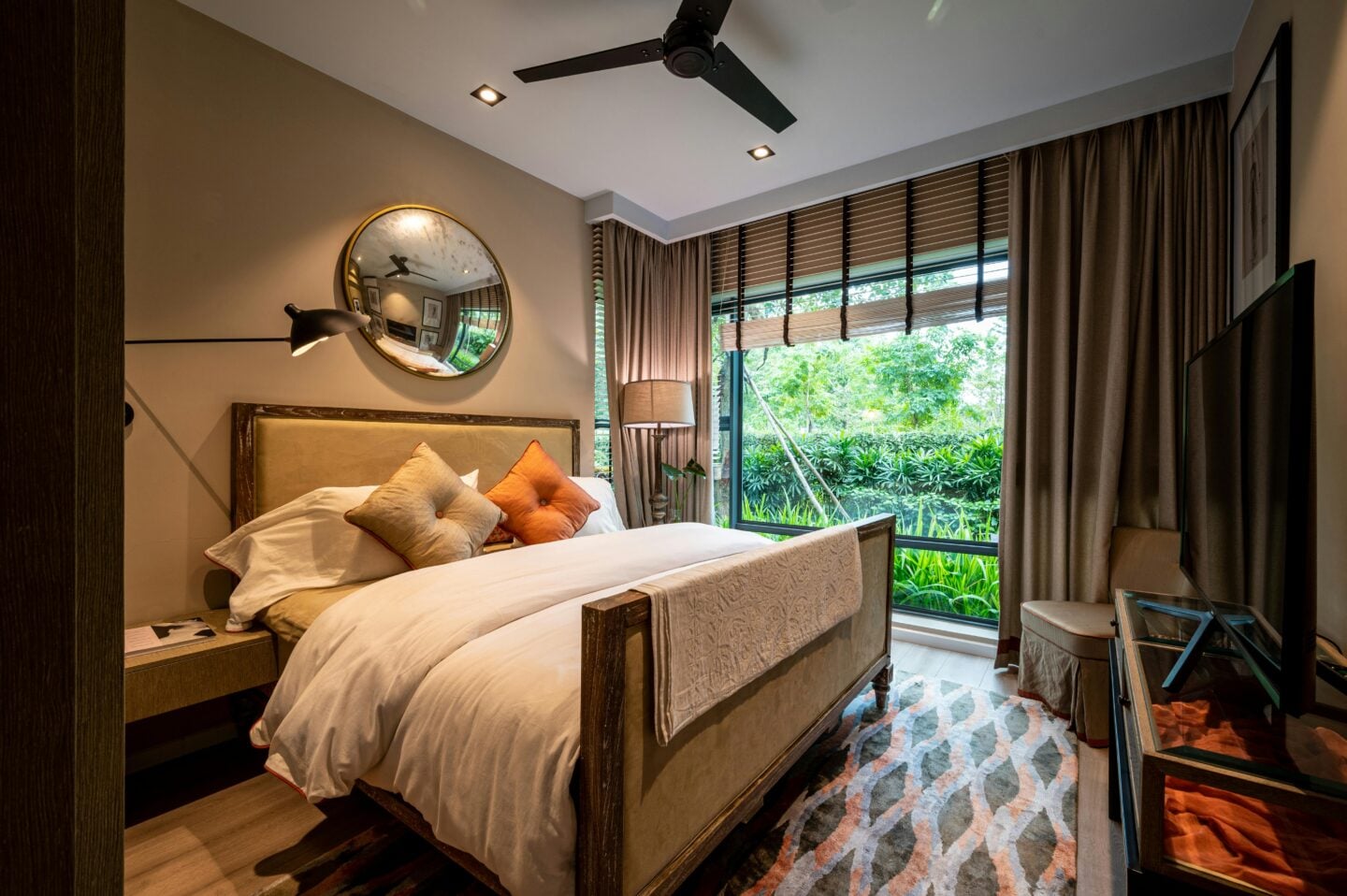
Morning light hits the upstairs kitchen. You make coffee, pack lunches, and call a reminder down the stairs. Kids appear, grab shoes from the mud room, and exit straight to the car. Work happens at the pocket desk between calls. Afternoon? Homework on the island while dinner bubbles away. After plates are cleared, everyone drifts to the deck, where the sky changes color like a slow show. Bedrooms below stay cool and quiet, ready for sleep when you are. It’s simple. It works.
The Wrap-Up: Flow You Can Feel
When you design a two storey home around real life, sun, noise, storage, and the micro-moments of family, you get an “upside-down” layout that feels intuitive from day one. Living upstairs delivers the light and connection you crave; sleeping downstairs brings calm you can count on. The trick is choreographing the zones so your day moves smoothly without you thinking about it. Do that, and your home won’t just look clever on a plan. It’ll feel effortless, every single day.
Thanks for stopping by!
Magda
xoxo
<3