Athens is a city where ancient history appears around everyday life. You might pass a centuries-old ruin on your way to a café, then turn a corner and find yourself looking up at a temple that has survived for thousands of years. If you are visiting Athens, Greece, for the first time, planning your archaeological sightseeing in advance can help you make the most of your time without spending the entire trip rushing between landmarks.
A ticket covering several attractions may seem like a convenient starting point, but the real value comes from deciding which sites you want to explore and how to fit them into a comfortable itinerary. From the Acropolis to ancient marketplaces and Roman monuments, here is how to plan a history-filled visit while leaving room for meals, breaks and spontaneous discoveries.
Start With The Acropolis
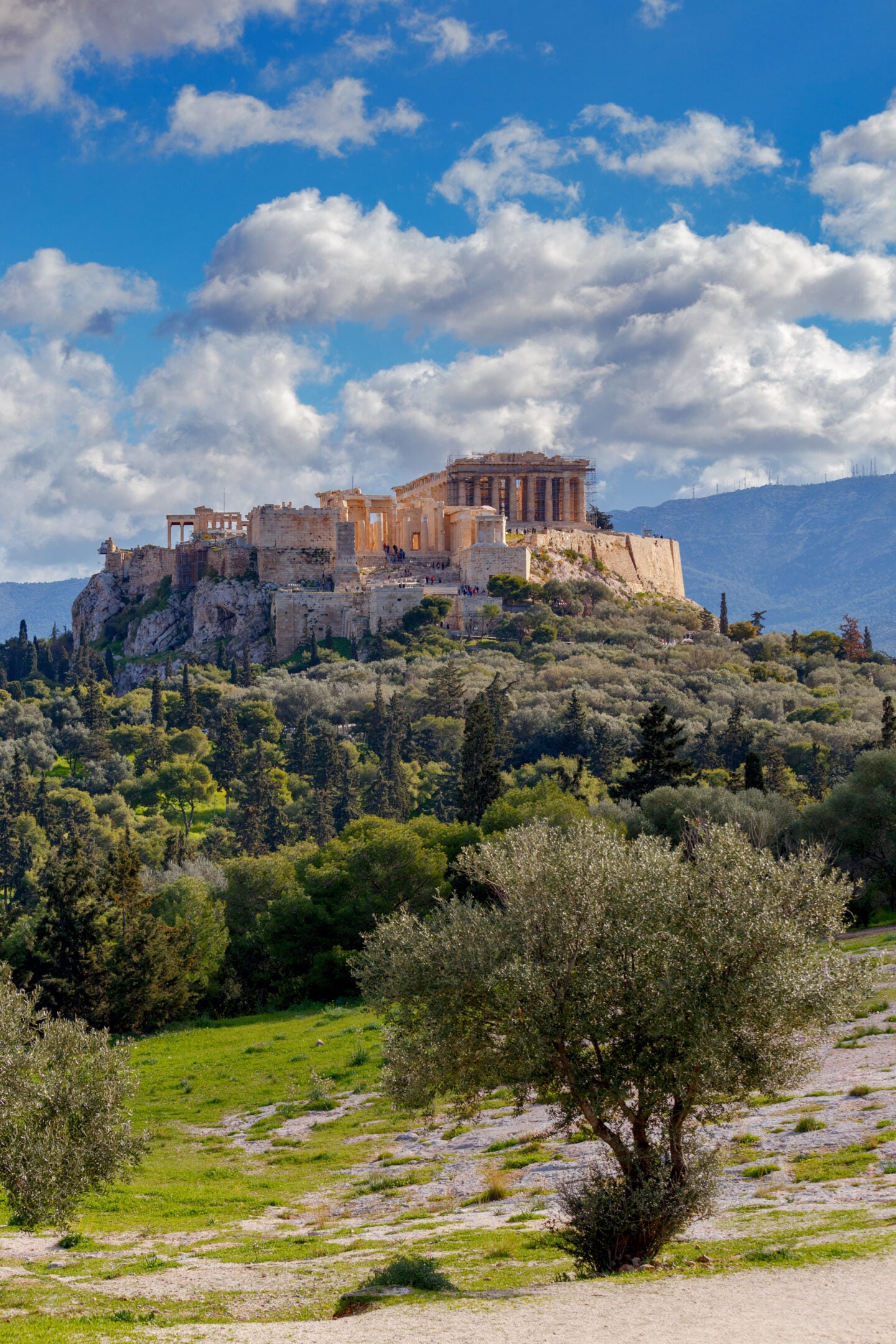
Image credit: Depositphotos
The Acropolis is the natural starting point for most ancient-history itineraries. Its hilltop monuments include the Parthenon, the Erechtheion and the Propylaea, each offering a glimpse into the architectural and cultural achievements of classical Athens.
Give yourself around two to three hours to explore the hill, take photographs and appreciate the details rather than simply walking past the monuments. The uphill paths and uneven surfaces also mean comfortable shoes are essential.
Try to book your entry time in advance, particularly during busy travel periods. Arriving earlier in the day can make it easier to explore before the strongest afternoon heat, especially in summer.
The Acropolis is more than a famous viewpoint. According to UNESCO, the site was added to the World Heritage List in 1987, recognising its outstanding cultural and architectural importance. Its history provides useful context for understanding the other archaeological sites scattered throughout the city.
Explore The Ancient Agora
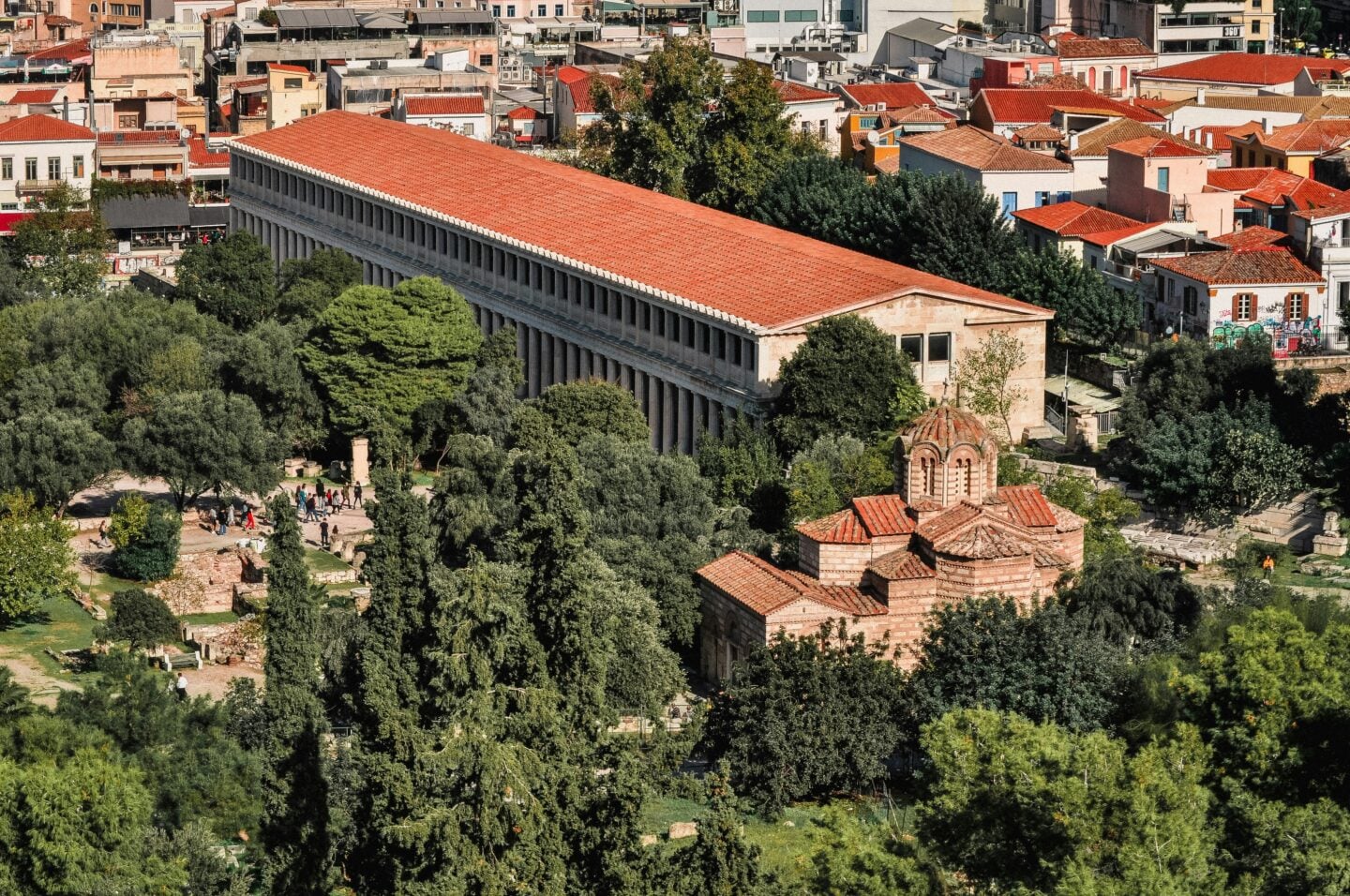
Image credit: Unsplash
After the Acropolis, make your way to the Ancient Agora, which served as an important centre of public life in ancient Athens. While the Acropolis is associated with temples and religious activity, the Agora offers a different perspective on how people gathered, traded, debated and participated in civic life.
Allow approximately one to two hours to explore the ruins and the reconstructed Stoa of Attalos, which houses the Museum of the Ancient Agora.
This stop works particularly well after the Acropolis because it adds context to what you have already seen. Instead of viewing ancient Athens only through its monumental architecture, you begin to understand how its public spaces supported everyday life.
Add The Roman Agora And Hadrian’s Library
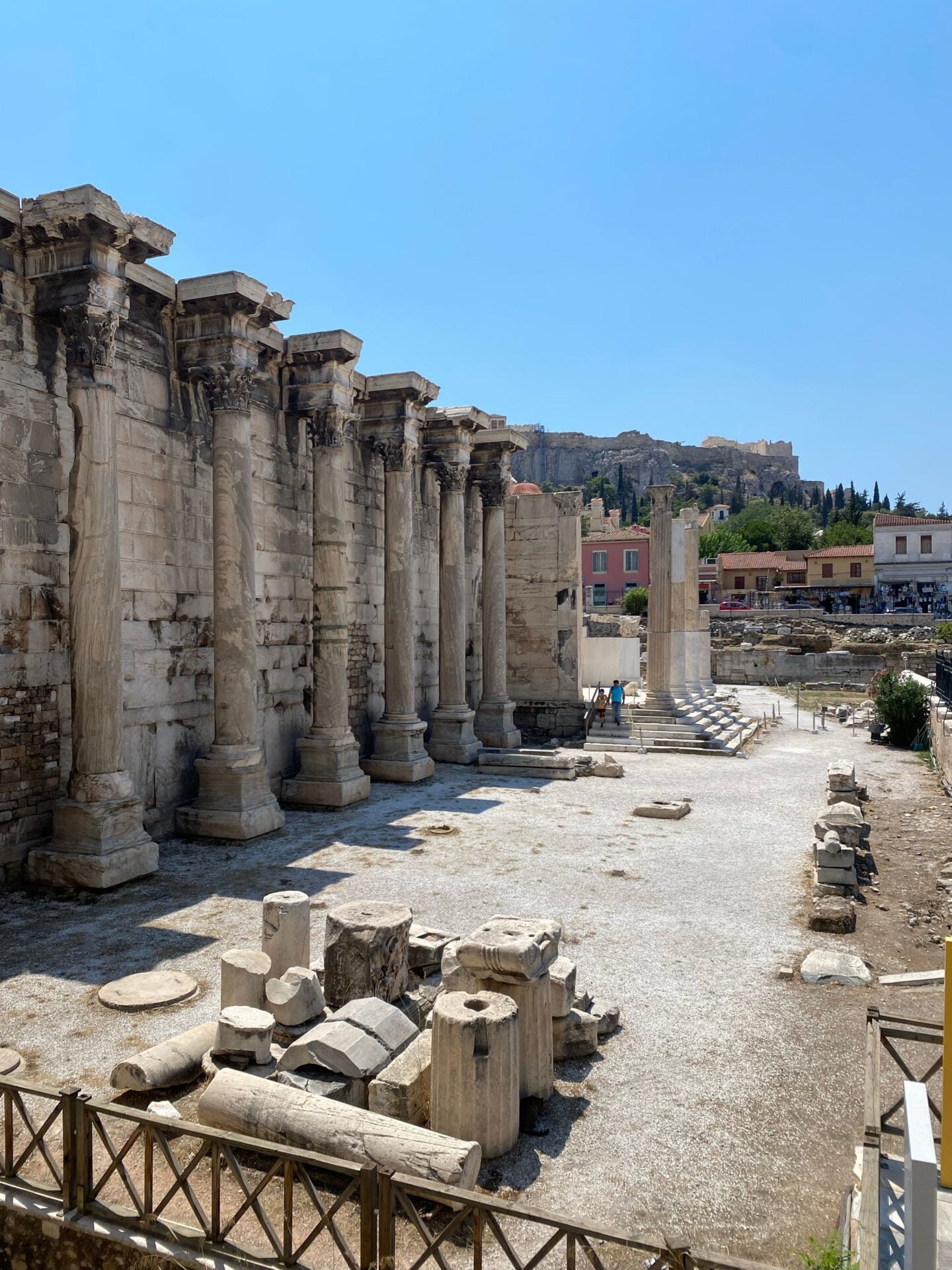
Image credit: Pexels
Athens continued to evolve under Roman rule, and the Roman Agora and Hadrian’s Library help tell that part of its story.
The Roman Agora was a commercial and public area, while Hadrian’s Library was established by the Roman emperor Hadrian in the second century AD. Its remains offer a reminder of the city’s continued importance as a cultural centre long after the classical period.
These two sites are close to one another in the historic centre, making them practical additions to a walking itinerary. You can visit them after lunch or combine them with a stroll through nearby Monastiraki and Plaka.
Rather than rushing through every monument, take time to notice the differences in architectural style and purpose. Those details make the transition between classical Greek and Roman Athens easier to appreciate.
Include The Temple Of Olympian Zeus
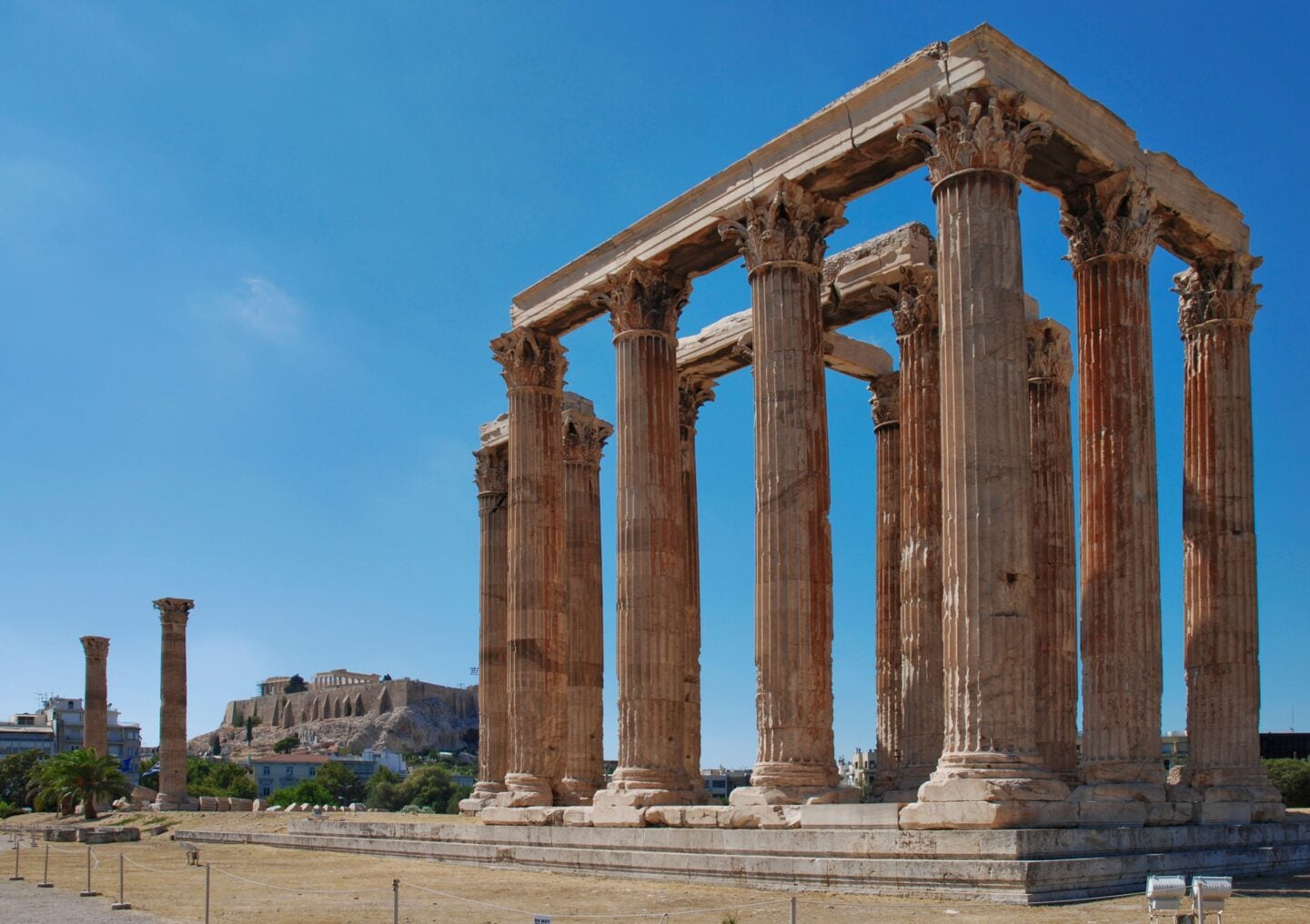
Image credit: Pexels
The Temple of Olympian Zeus, also known as the Olympieion, gives you a sense of the scale of ancient religious architecture. Although only part of the enormous temple survives, its remaining columns are impressive against the modern city skyline.
It is a useful stop if you enjoy monumental structures and photography. The site also fits naturally into a route connecting the Acropolis area with central Athens.
Check current opening hours before visiting, as schedules can change seasonally. If you are travelling during summer, plan outdoor sightseeing around the heat and carry drinking water.
Visit Kerameikos And Aristotle’s Lyceum
If you have more time, two additional sites can broaden your understanding of ancient Athenian society.
Kerameikos was an ancient district associated with pottery production and burial grounds. Its archaeological remains provide insight into how the city developed beyond its most famous religious and civic spaces.
Aristotle’s Lyceum, meanwhile, is associated with the philosophical school founded by Aristotle. Visiting the site adds another dimension to an itinerary centred on Athens, a city strongly connected with the development of Western philosophy.
Both stops are worth considering if you enjoy archaeology beyond the headline attractions. However, check their current access arrangements and allow for walking time between locations before adding them to a packed day.
Plan Around Your Ticket, Not Just The Headline Price
When planning a multi-site itinerary, check exactly what each ticket includes before making a purchase. Packages offered by private booking platforms can cover several attractions, but the included sites, entry conditions and booking rules may vary.
For example, AcropolisTickets.tours, from Tickets&Tours, offers options for visiting multiple Athens landmarks. Before booking, review the attractions included, validity period, time-slot requirements and refund policy. Compare these details with your itinerary to see whether the package fits your plans.
Taking a few minutes to compare your options can help you avoid paying for access you may not use. If you only have time to visit three sites, a ticket covering seven attractions may not necessarily offer the best value.
Build A Realistic One- Or Two-Day Itinerary
Trying to visit all seven sites in a single day can be tiring, particularly in warm weather. A more flexible schedule gives you time to appreciate the monuments rather than treating them as items on a checklist.
For a one-day visit, prioritise the Acropolis, Ancient Agora, Roman Agora and Hadrian’s Library. Add the Temple of Olympian Zeus if your pace and opening hours allow.
With two days, spread the sightseeing out:
- Day one: Explore the Acropolis and Ancient Agora, then enjoy lunch and a relaxed walk through Plaka.
- Day two: Visit the Roman Agora, Hadrian’s Library, Kerameikos, the Temple of Olympian Zeus and Aristotle’s Lyceum, selecting stops according to opening hours and travel time.
Leave space for breaks and meals. Athens is more enjoyable when you can pause at a neighbourhood café or explore a side street without worrying about missing your next entry slot.
Conclusion
Planning an Athens itinerary around several archaeological sites can make your visit more organised, but the best schedule balances historical highlights with enough time to enjoy the city. Start with the Acropolis, explore the Ancient Agora and Roman landmarks, then add smaller sites according to your interests and available time. Before purchasing a combo ticket, verify its current inclusions and compare the price with official admission options. With a realistic route and a little preparation, you can discover several layers of Athens’ history without turning your holiday into a race from one ruin to the next.
Thanks for stopping by!
Magda
xoxo
<3