Household damages are sneaky, often occurring right under our noses. From leaking roofs to electrical mishaps, our homes are filled with threats that can lead to costly repairs. Knowing what to look out for and how to prevent these issues can save both your sanity and your wallet.
Water Damage: The Quiet Destroyer
Water can be your home’s worst enemy. It doesn’t just disrupt – it destroys. Overflowing gutters, leaky pipes, and faulty appliances all contribute to the chaos. Regular checks of plumbing systems and immediate repair of leaks can be your saving grace.

Ensure gutters are clear of leaves and debris. Simple, routine inspections can prevent catastrophic consequences. Bear in mind that water seeps into places unseen; thus, periodic basement inspections can forecast potential challenges before they arise. Specialists can assess grading around the property to ensure water drains away from the foundation.
Investing in high-quality seals for your windows and doors can mitigate the risk of water invasion. Regularly re-caulking these areas will also defend against unwanted seepage. Additionally, waterproofing the basement can provide an extra layer of protection, guarding your home against unexpected flood conditions.
A leaky roof is another common source of water damage. It’s important to address such issues promptly to prevent greater destruction. If you suspect or experience leakage, consulting the best Arizona roofing experts at KY-KO Roofing can offer insights into effective repairs and preventive measures to protect your home.
Electrical Hazards: Shocking Costs
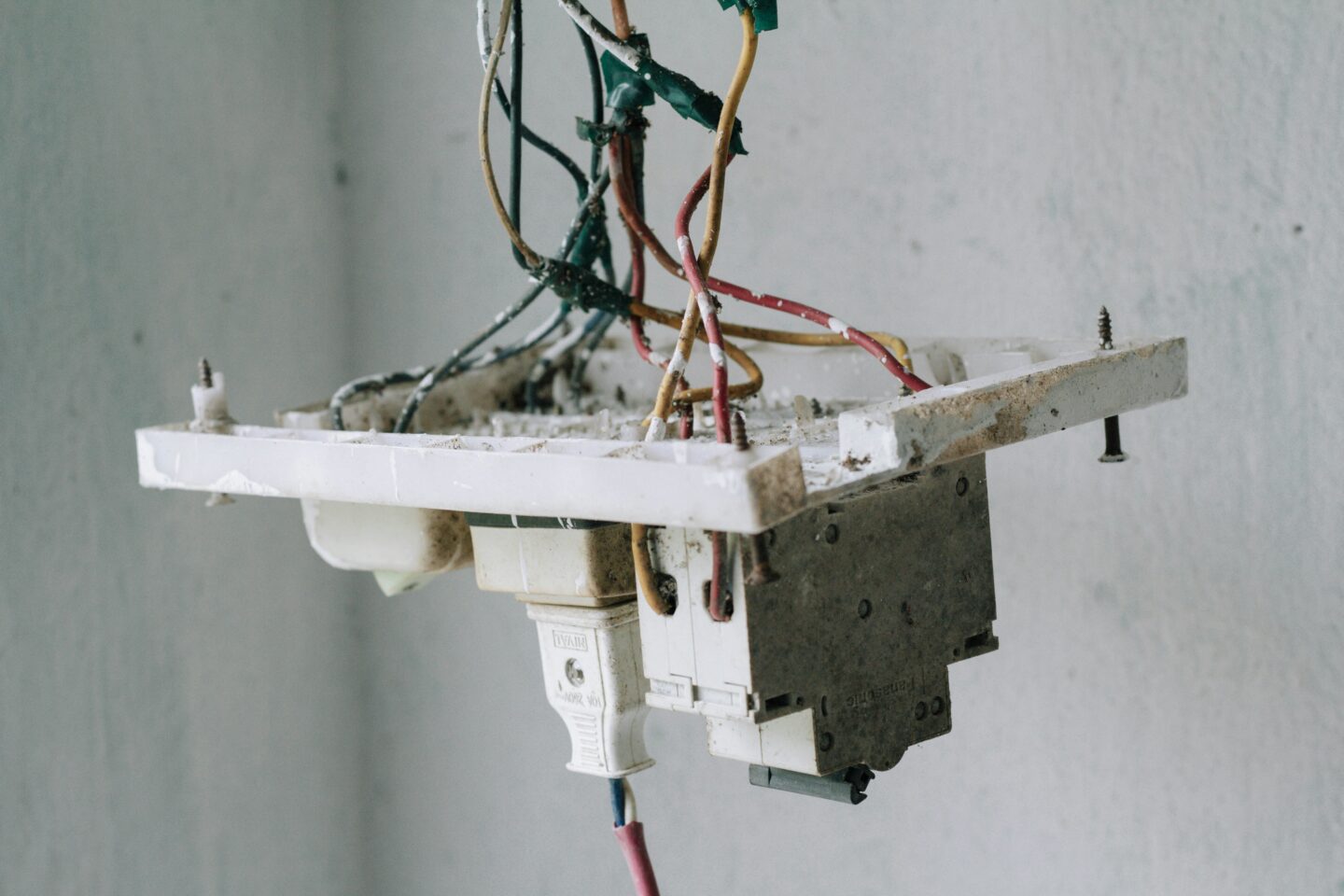
Electricity is vital, yet it’s also dangerous. Overloaded outlets and faulty wiring can spark fires at any time. Avoid using too many appliances on one circuit and ensure that your wiring meets current safety standards.
Hire professionals to inspect your home’s electrical system annually. Don’t let sparks turn your home into ashes. Additionally, updating appliances when they become outdated can help prevent energy inefficiencies and minimize risks associated with older technology. Smart usage of surge protectors can also extend a gadget’s lifespan.
Consider installing a whole-house surge protector. This small addition can save thousands in damages and safeguard your electronic investments. Being mindful about unplugging devices when they aren’t needed also cuts down on potential hazards and reduces unnecessary energy usage.
Mold: The Silent Invader
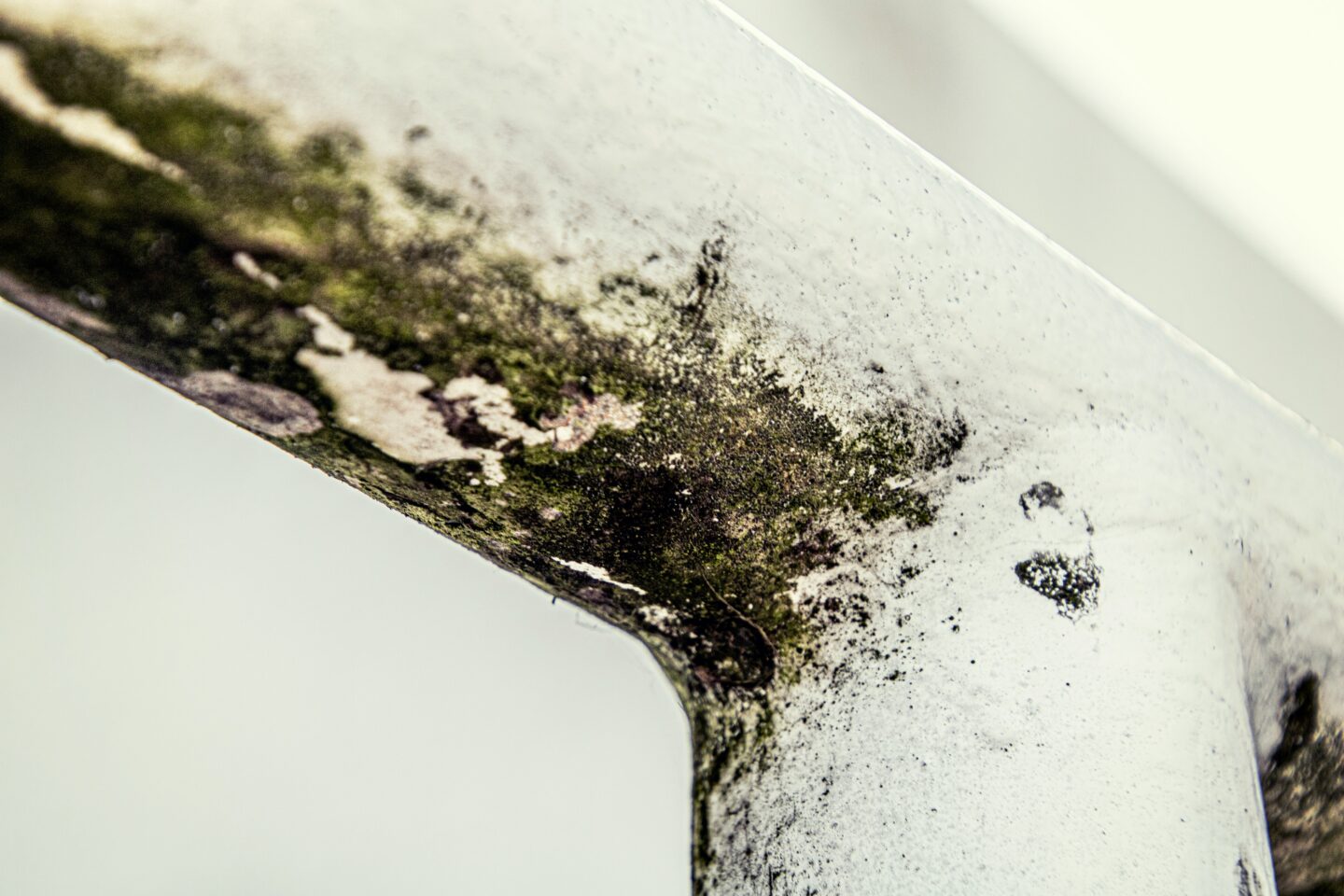
Mold is more than unsightly; it’s harmful. It lurks in damp corners and around leaky windows, unseen but threatening. Keeping humidity levels below 60% and ensuring proper ventilation can combat mold growth.
No bows required – just regular checks, and the mold menace can be controlled. It’s also beneficial to keep household areas under frequent use, such as bathrooms and kitchens, well-ventilated. Investing in an air purifier specifically rated to handle mold spores can provide an added layer of defense against this unwelcome guest.
Installing dehumidifiers in particular problem areas can be a game-changer. Not only do they manage moisture levels, but they also create an environment less hospitable to mold. Strategically placing exhaust fans in bathrooms and kitchens further ensures that dampness doesn’t take hold.
Fire: A Quick, Devastating Blaze
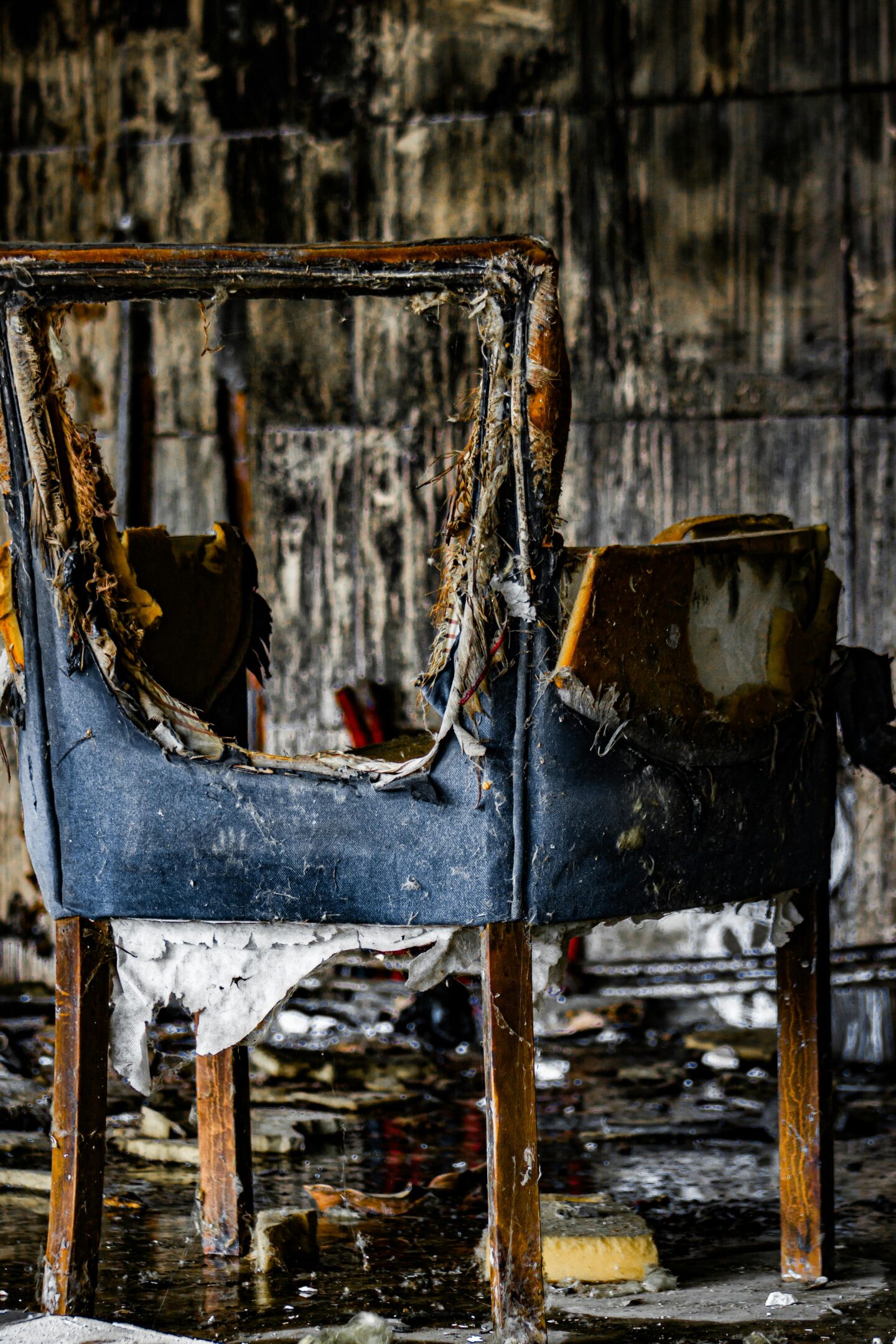
A home without functioning smoke alarms is asking for trouble. They are lifesavers – literally. Test them monthly and change batteries at least once a year.
Be cautious with open flames. Candles look pretty, but can easily lead to disaster. Keep flammable items far away, and never leave fires unattended. Remember that fires, big or small, need two essential components: oxygen and fuel. Having a well-maintained fire extinguishing device on each floor can temper a potential calamity and contain the spread quickly.
It’s wise to develop a family fire escape plan and review it regularly. Practice drills can save time in a real emergency, ensuring that every member knows how to act swiftly. Uphold safety practices, like checking and cleaning chimney flues before the colder months, as creosote buildup can pave the way for dangerous chimney fires.
Pest Infestations: Tiny Invaders, Big Problems

Your home is also attractive to unwanted pests. Mice, termites, and other critters are eager to enter. Seal entry points and eliminate standing water and food scraps that can attract these nuisances.
Regular pest inspections will ensure tiny intruders don’t make a mess of your sanctuary. It is always a good practice to store pantry items in sealed containers, diminishing easy access for intruders. Even landscaping decisions, such as keeping mulch and wood piles away from the house, can lessen the likelihood of termites seeking a quick meal.
Foundation Issues: Cracks In Your Security
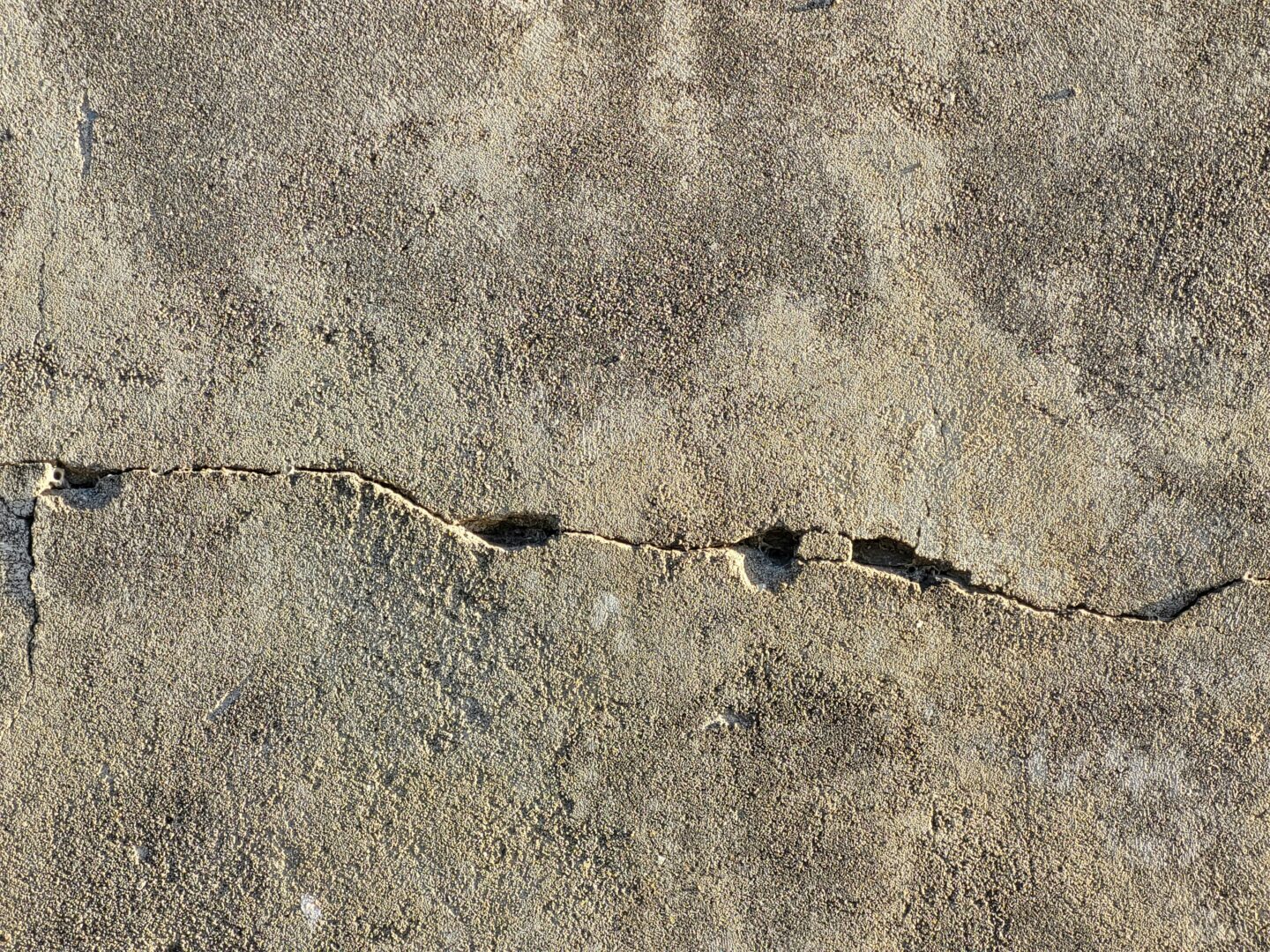
Your home’s foundation is the backbone of its structure. Cracks can signal trouble, and ignoring them invites disaster. Check for signs of uneven floors or sticking doors. If you notice this, consult a professional.
A strong foundation keeps your dreams intact. Don’t let neglect tear them apart. Even minor landscaping tasks, such as tree root management, play a role in foundation health, as roots can exert pressure over time and instigate unsightly cracks.
Another preventative measure is installing gutters with downspouts that direct water away effectively. This seemingly small adjustment can alleviate pressure on the foundation and prevent the gradual erosion that may lead to shifting or settling over time. Staying observant and acting at the first sign of trouble ensures the long-term stability of your home.
Parting Thoughts
Preventing common household damages isn’t just about safeguarding your home; it’s about maintaining peace of mind. Don’t wait until a small issue becomes a financial nightmare. Stay proactive, stay vigilant, and keep your sanctuary safe.
Thanks for stopping by!
Magda
xoxo
<3