Living in Thailand looks dreamy on Instagram, but in real life, it can be quite challenging. The cultural differences are real, and the slow pace of life is something you have to get used to. On the other hand, it’s one of the most beautiful places to stay in the world, and Thai people are simply the kindest.
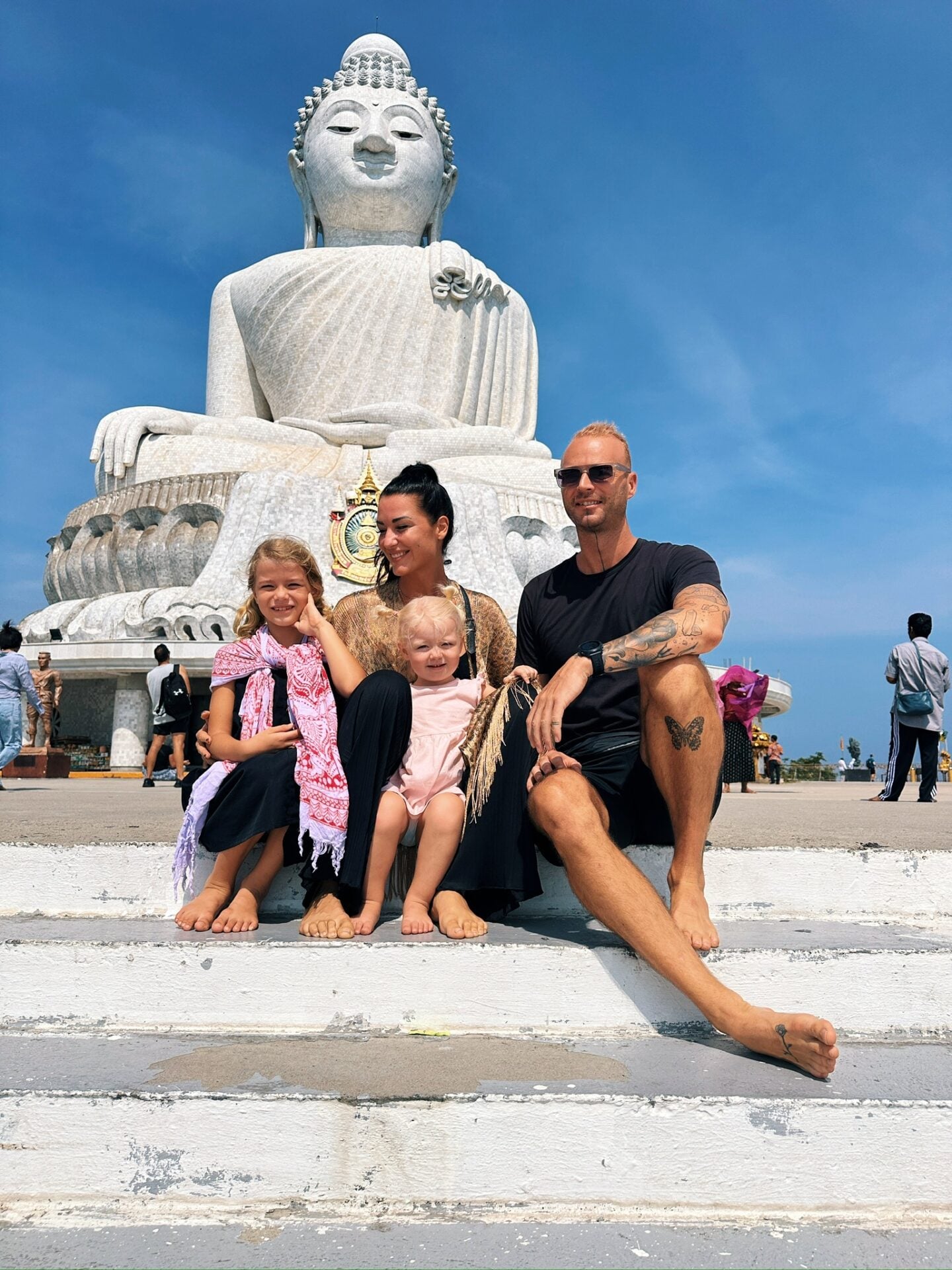
I moved from Germany to Thailand in 2019 with my husband and our then 2-year-old daughter. We thought we would stay for three months. Then COVID hit, we were stuck, and Thailand became our new home.
Today, six years later, we’re still here. Our second daughter was born in Koh Samui and we consider ourselves ‘almost’ locals.
This guide is an honest breakdown of what life in Thailand really feels like. The good parts and the challenging parts.
Why Thailand Became Such A Popular Place To Live
People move to Thailand for different reasons, but the pattern is always similar. They want more sunshine, more freedom, more time, more space. Thailand makes everyday life feel lighter.
You wake up with warm air instead of grey skies. You can afford things that feel like luxuries back home (a blowout for $4/€3.70, can you believe that?!). You can eat incredibly well without spending your entire salary. And if you earn in dollars or euros, your life becomes a lot less stressful.

That is exactly what happened to me. In Germany, we had a shiny apartment in the hippest area of Hamburg, stable jobs in Advertising, and our daughter went to the best kindergarten in the area. But we didn’t have time and were chronically broke. We worked, slept, repeated the cycle, and wondered why we were not happy.
Thailand completely flipped this script. We started working online, found more time for ourselves, and slowly built a routine that let us LIVE again.
The Biggest Pros Of Living In Thailand

1. Lower Cost of Living Compared to Western Countries
Thailand is not as cheap as it used to be. We saw the chance first-hand. But overall, you still get excellent value for your money. Especially if you keep your lifestyle simple.
A few examples:
- Local Thai meals cost around 60 to 120 THB (about $1.70 to $3.35 or €1.50 to €3.05)
- Western meals usually sit around 250 to 450 THB (about $7 to $12.60 or €6.40 to €11.50)
- Massages at regular places cost about 300 to 500 THB (about $8.40 to $14 or €7.65 to €12.75)
- Scooter rentals start around 3,000 to 5,000 THB per month (about $84 to $140 or €76 to €128)
Housing varies depending on the region. The more touristic it gets, the more expensive:
- A simple studio in Chiang Mai: from around 10,000 THB per month (about $280 or €255)
- A modern one-bedroom condo with pool: around 18,000 to 30,000 THB (about $505 to $840 or €460 to €765)
- A villa with private pool on Koh Samui: around 60,000 to 120,000 THB (about $1,680 to $3,360 or €1,530 to €3,060)
If you earn Western currencies, life can feel very comfortable. If you rely on local salaries, life gets harder. Most local professionals in Thailand earn somewhere between 30,000 and 60,000 THB a month, which is around $850 to $1,700 (€785 to €1,570).
2. Warm Weather and Outdoor Life all Year
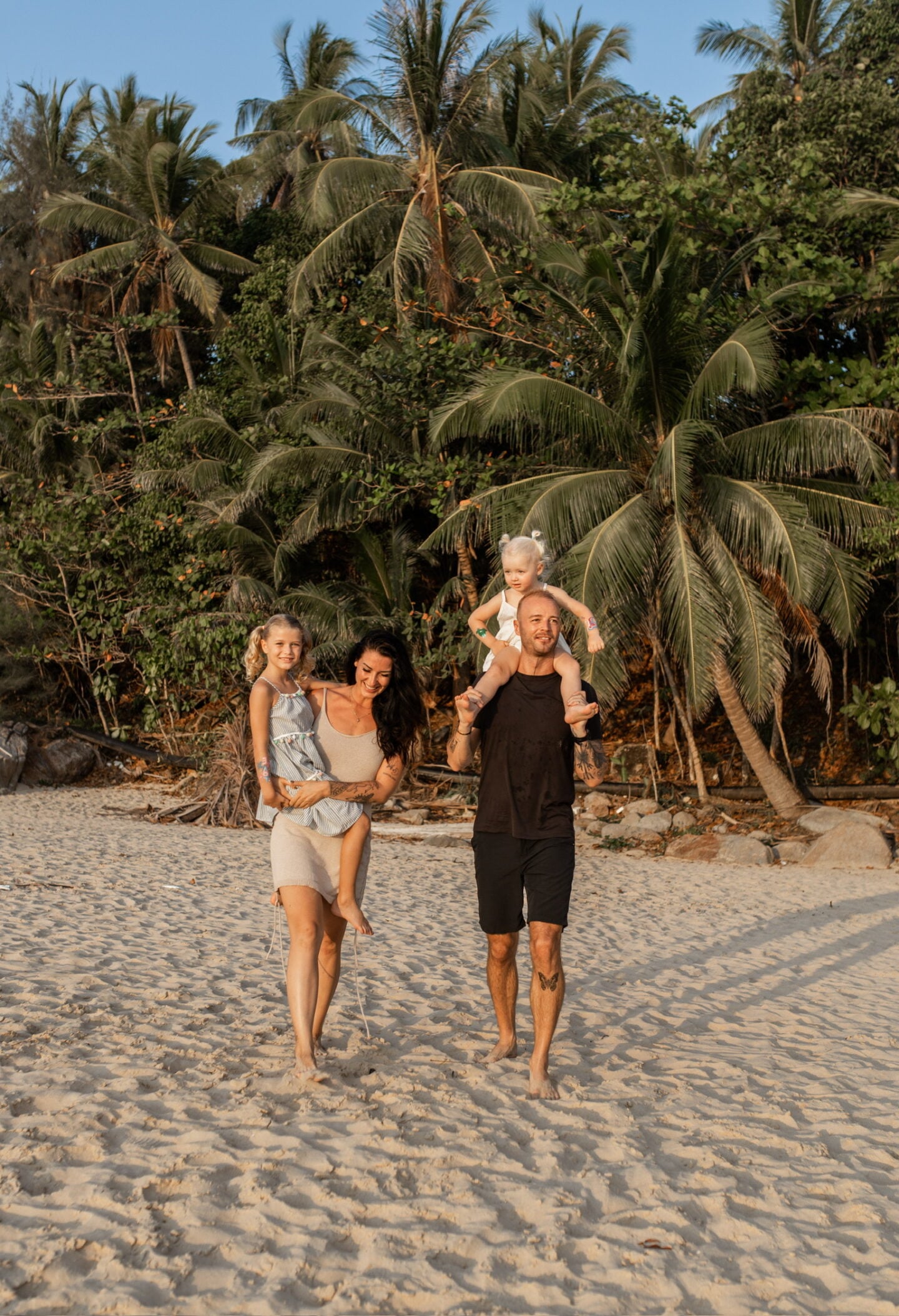
If you dislike winter, Thailand is perfect for you. Temperatures commonly sit around 82 to 93°F (28 to 34°C). There are only a few cooler months in the north where mornings can feel fresh. On the islands, the climate stays warm throughout the year.
The warm weather completely changed my routine. I swim more. I spend mornings and evenings outside. I start my day with sunlight instead of darkness. I only need a few summer dresses and flip flops in my wardrobe. And my body adjusted quickly: I still find it funny that I now wear a sweater when it drops below 80°F (26.7°C)
3. The Food is a Daily Joy
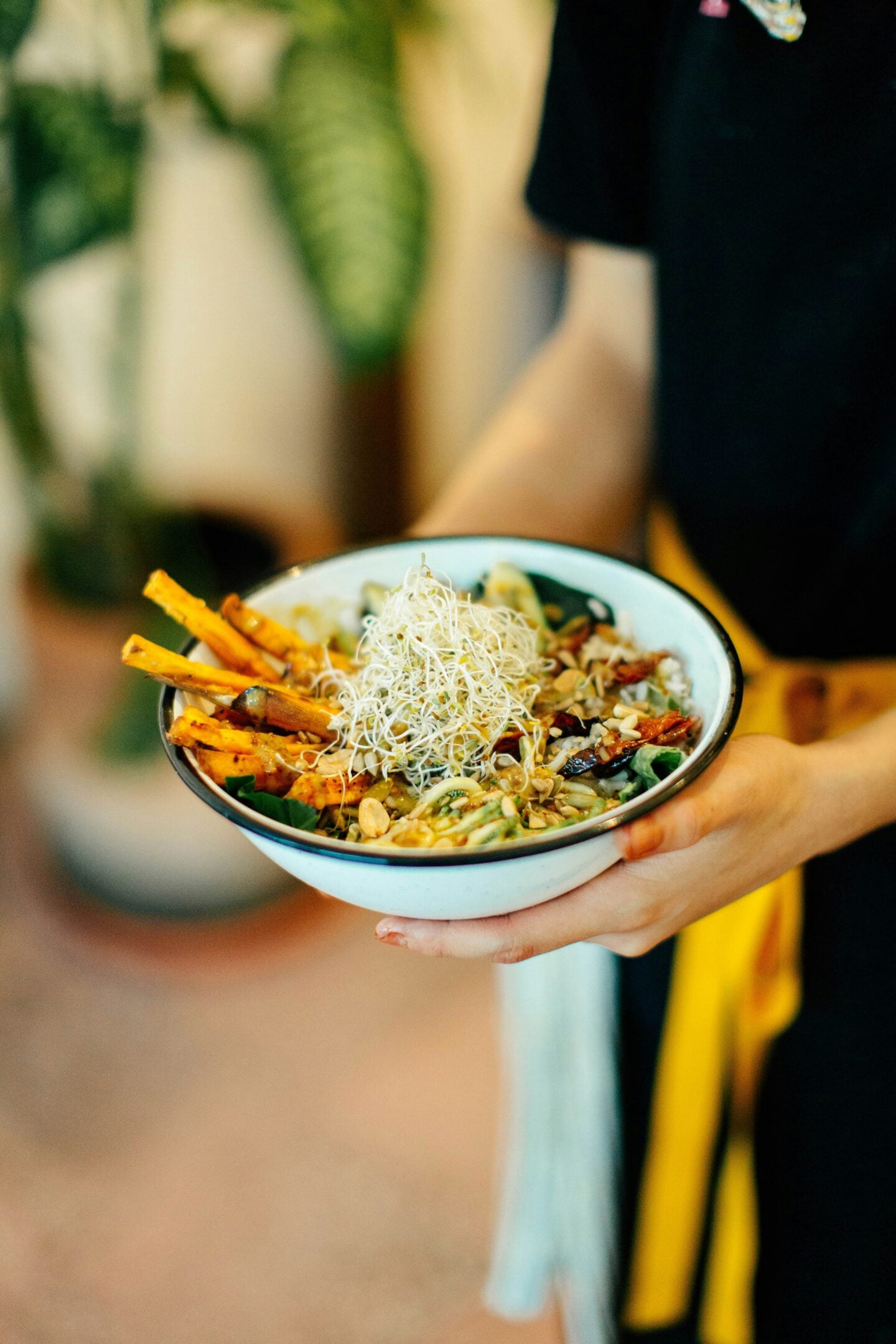
Thai food deserves its own category. I still get excited every time I order a fresh papaya salad or the legendary Pad Thai. You can eat locally, try street food, grab a smoothie for $1 or $2, or enjoy beautiful cafés with excellent coffee and vegan options.
Eating out is not a luxury here. It is normal life. I rarely cook because it often costs the same or even more to eat outside.
I am a vegetarian and have zero issues eating out here. Only in rural areas does it get harder.
Imported food is the only expensive part. Wine (alcohol in general), European cheese, proper bread, and plant-based alternatives cost a lot. If you want a fully Western diet, you will feel it in your budget. Halloumi, for example, costs a whopping $10 (€9,50) per pack. That breaks my heart!
If you embrace local food, though, you eat incredibly well for very little money.
4. Thai People are Warm and Kind
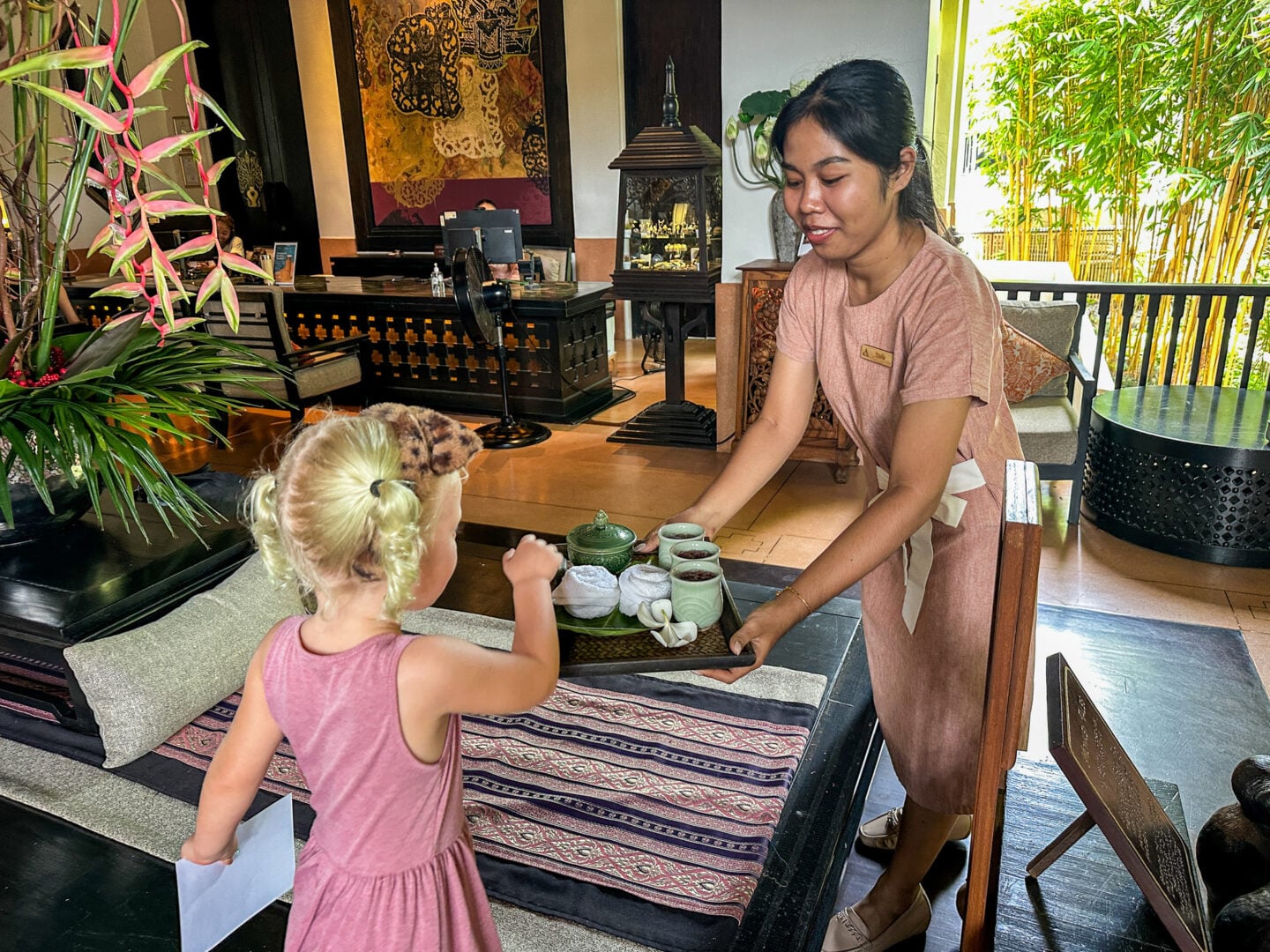
The friendliness in Thailand is unreal. People smile, joke, and help you even when you don’t know a word in Thai. It is normal for strangers to give directions, help you with something heavy, or compliment you. My blonde daughters are the highlight for Thais wherever we go.
I still remember trying to insert a 30 Baht note into a gasoline machine in the remote island Koh Yao Yai. The machine didn’t want to take it. So a whole family on a Saleng (a scooter with an attached sidecar) stopped and spent 10 minutes helping me with the note. These tiny interactions happen every day and make life feel very sweet.
Social life is also easy because Thailand has a big expat and digital nomad community. In places like Chiang Mai, Phuket, Koh Phangan, and Koh Samui, you meet people from everywhere. A simple café visit can turn into a new friendship.
Some friendships are short because people travel in and out of Thailand. But if you stay longer, you do build a core community.
5. High Quality Healthcare in Major Cities
Healthcare surprised me the most in Thailand. Private hospitals in Bangkok, Phuket, Chiang Mai, and Koh Samui are excellent. They are modern, clean, and efficient. Many doctors are trained abroad (that’s something like a prestige marker). Many nurses speak English. Appointments are easy to book via WhatsApp and waiting times are short in private hospitals.
Typical prices:
- Specialist visit: usually 1,500 to 3,000 THB (about $42 to $84 or €38 to €76)
- Dental cleaning: around 1,200 to 2,000 THB (about $34 to $56 or €31 to €51)
I have experienced Thai healthcare more times than I expected. So far, we’ve had three surgeries (including a C-section in Koh Samui and a laser eye surgery in Bangkok), checkups, emergency visits, vaccinations, and a hospital stay for my daughter, who had bronchitis.
Every time, the care was the same level or even better than in Germany. The only essential thing is having good expat health insurance so that larger treatments do not break the bank.
In small rural areas or small islands, hospitals are very basic. For anything serious, people travel to Bangkok or Phuket.
6. Thailand is an Amazing Base for Exploring Asia
Thailand is in the middle of Southeast Asia, which makes travel incredibly easy. From Bangkok, you can reach Singapore in about two and a half hours. Flights to Tokyo take around six hours, and Bali is about four hours away.
When you live here, weekend trips or last-minute adventures become accessible. The world feels so much easier to access.
When friends visit us, I often recommend starting with a simple route to see the best of the country. This Thailand 2-Week Family Itinerary shows exactly how to plan it without rushing.
The Biggest Cons Of Living In Thailand
Living in Thailand is fantastic, but not perfect. Here are the parts that most people underestimate before they move.
1. Visa Rules are Confusing and Continuous
Thailand is not the kind of place where you arrive and just stay forever. You always need the correct visa, and they all come with rules. Tourist visas need constant renewals. Education visas require school attendance. Dependent visas depend on your partner or children. Retirement visas have age and financial requirements.
There are also long-term options like the Elite Visa (we bought one for 5 years, it came with a heavy price tag) and the new digital nomad visa. But they are not available to everyone.
If you live in Thailand long-term, you will spend time collecting documents, filling out forms, and sitting in immigration offices to renew your TM30. It becomes part of life. Once you accept that, it stops annoying you as much.
We also got scammed by a visa agent and lost quite a lot of money. Unfortunately, Visa scams are a common thing in Thailand.
2. Road Safety is Challenging

Traffic rules are flexible. Lanes are suggestions. Helmets are often optional for locals. Dogs cross the road randomly. Cars overtake on curves. Tourists rent scooters with zero experience (and some promille) and fall on day one.
If you drive a scooter, drive slowly and carefully. Wear a proper helmet. Avoid driving at night or during heavy rain when the roads get slippery.
I had around five scooter accidents. Always because of sand on the road. Luckily, no one else was ever involved.
We then chose to also rent a car, which is much safer, especially with two kids, but not always convenient on the islands.
Bangkok is easier without a vehicle because you have the MRT, taxis, and Grab. The islands require some form of transport to live comfortably.
3. Heat, Humidity, and Seasonal Pollution
If you are sensitive to heat, Thailand will test you. Some months feel beautiful and breezy, but April can feel like walking through warm soup. My friends who visit us always describe the feeling of exiting the airport like ‘running into a wall’. On the islands, it is a bit easier because of the sea breeze.
The north of Thailand has a very difficult air pollution period called ‘burning season’. It happens from February to April. Most long-term expats avoid Chiang Mai during this time.
We once stayed in Chiang Mai until mid-January, but my husband and daughter already had issues with cough and headaches. So, if you are sensitive and clean air is essential for your health, choose your location wisely.
4. Everyday Life Is Slower And Less Predictable
There’s this Thai saying ‘sabai sabai’. It’s a gentle reminder to slow down and trust that everything will work out. Things that take ten minutes in Germany or the US might take a day here. Or a week. Or they might simply not happen, and you start again.
We had cleaning ladies who arrived the next day because it had rained a bit. Or nannies arriving an hour later than planned, because… I still don’t know. People say yes when they really mean no because they want to be polite.
Thailand teaches you patience. If you resist it, you suffer. If you surrender, life gets easier.
5. You are Always a Foreigner
Even if you speak Thai, and I do more than basic, you will always be considered a foreigner. That is not a bad thing, but it is simply a reality. You cannot buy land in your name; you need to open a company with a Thai person before.
Certain jobs are legally closed to you. Some local prices are different for foreigners, especially when it comes to entry tickets for national parks or attractions. Some cultural nuances will never fully make sense to you, as a ‘farang’ (that’s what they call foreigners). And that is okay.
6. Some Tourists Destroy the Vibe
Sometimes I think Thailand attracts the worst kind of tourist. Not everyone, of course, but enough to notice. You see people being loud, rude, or bargaining aggressively over a 100 THB ($2.70/€2.50) meal, and it honestly hurts to watch. Thai people will never yell back or argue; “losing face” is a big cultural no-go. So they often stay quiet even when they’re treated unfairly.
I’ve started avoiding certain tourist areas because it breaks my heart to see kind people being disrespected.
What Our Daily Life In Thailand Looks Like
Let me describe a normal day in our lives.
A normal day on Koh Samui starts with the sun waking us up early and breakfast on our terrace with a jungle view. I take the girls to school, then I work for a few hours from a café where half the people are on their laptops too (and sometimes cats).
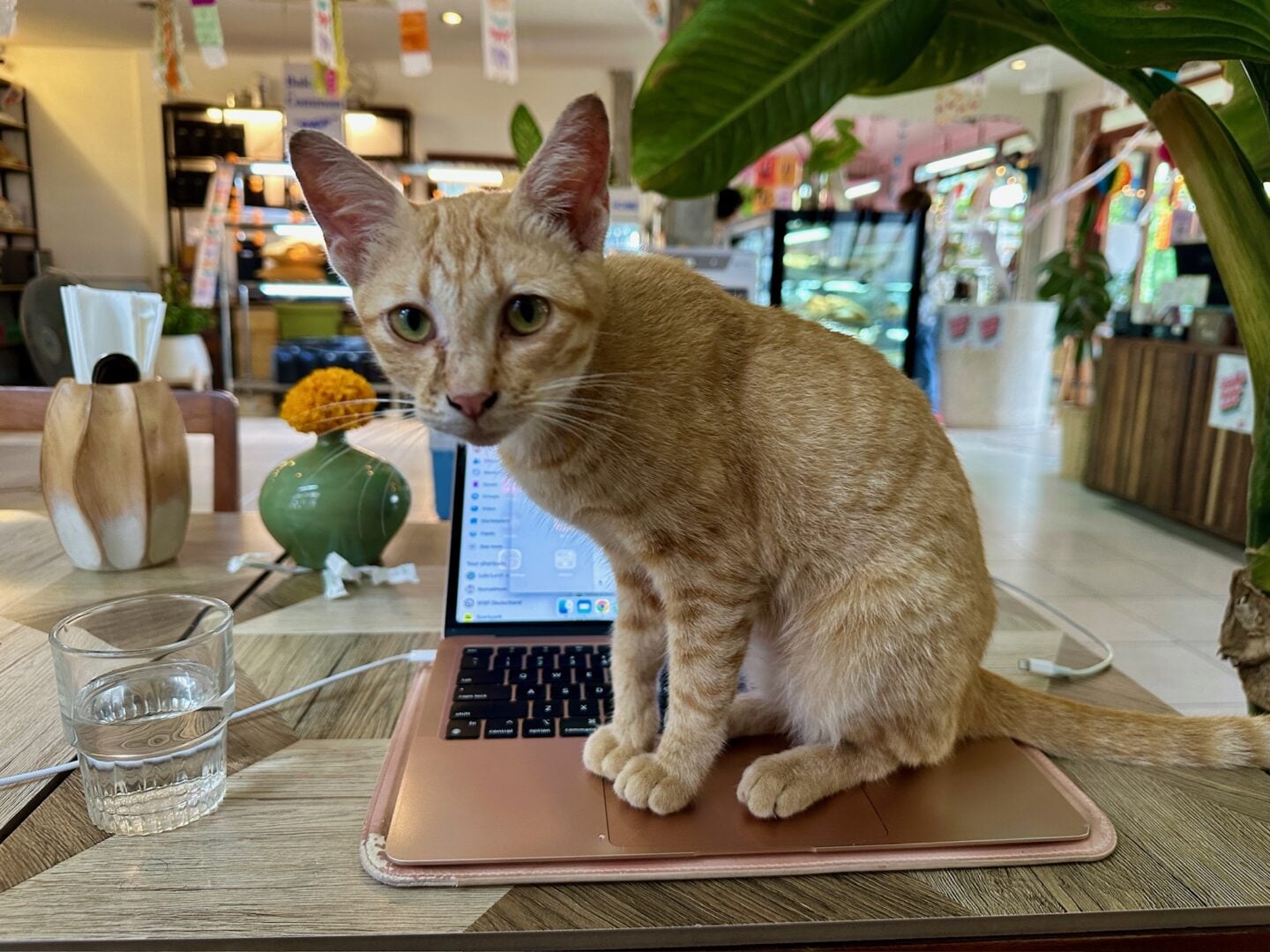
Around lunch, my husband and I go to the gym together before picking the girls up at 4 pm.
Afternoons are either pool time at home or kids’ activities, like gymnastics or horse riding. We usually end the day with a simple dinner on the beach, while the girls play nearby.
On weekends, we go on jungle adventures or even visit nearby islands, like Koh Phangan or Koh Tao, by ferry.
The Best Places To Live In Thailand
Bangkok
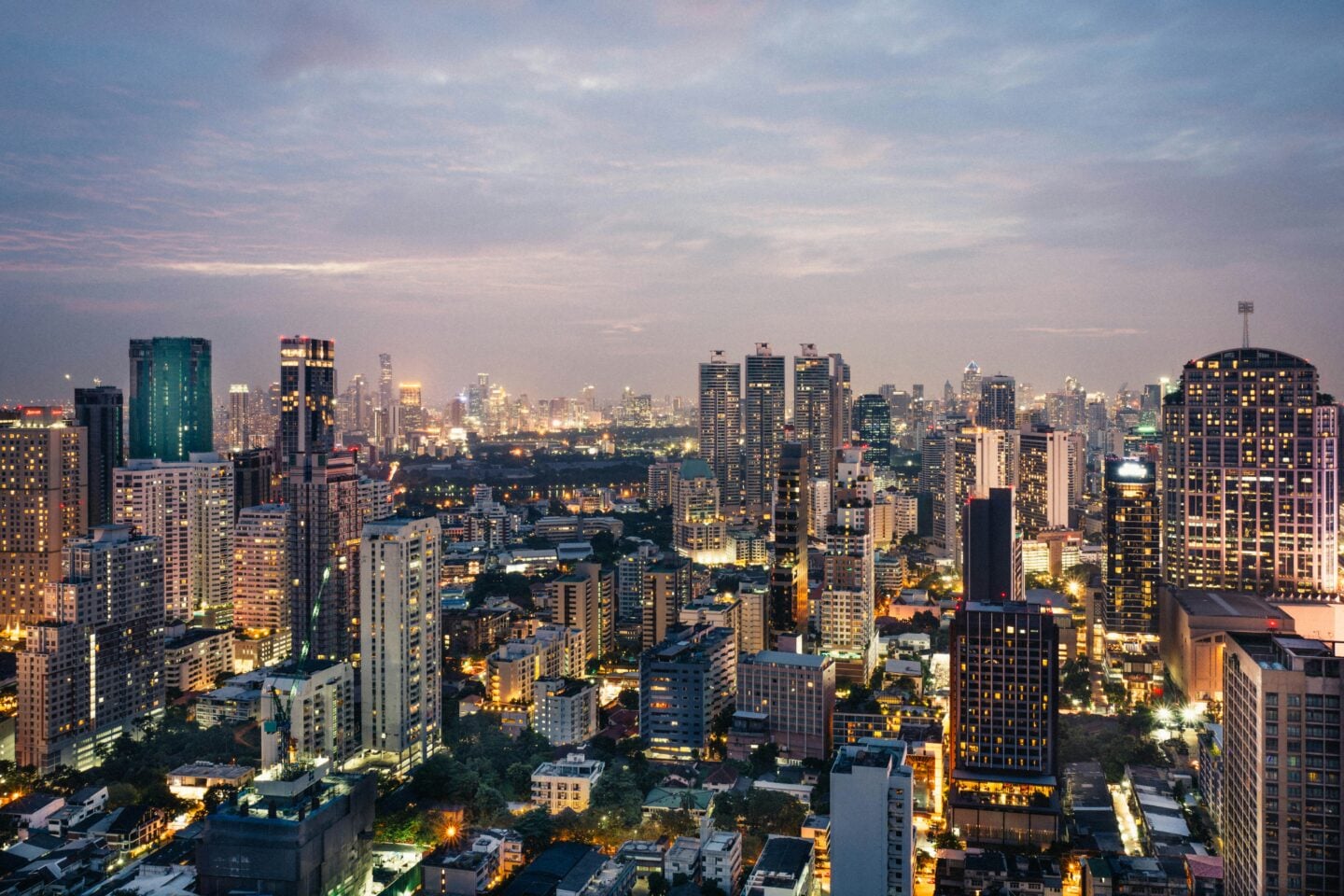
Bangkok is intense and exciting. Huge shopping malls, Michelin-rated street food, excellent hospitals, rooftop bars, river ferries, and busy markets fill your days. It is perfect for people who love big cities. The downside is traffic and air quality. But you can live comfortably here with access to everything you need. From my experience, it’s not the perfect place for families, though.
Chiang Mai
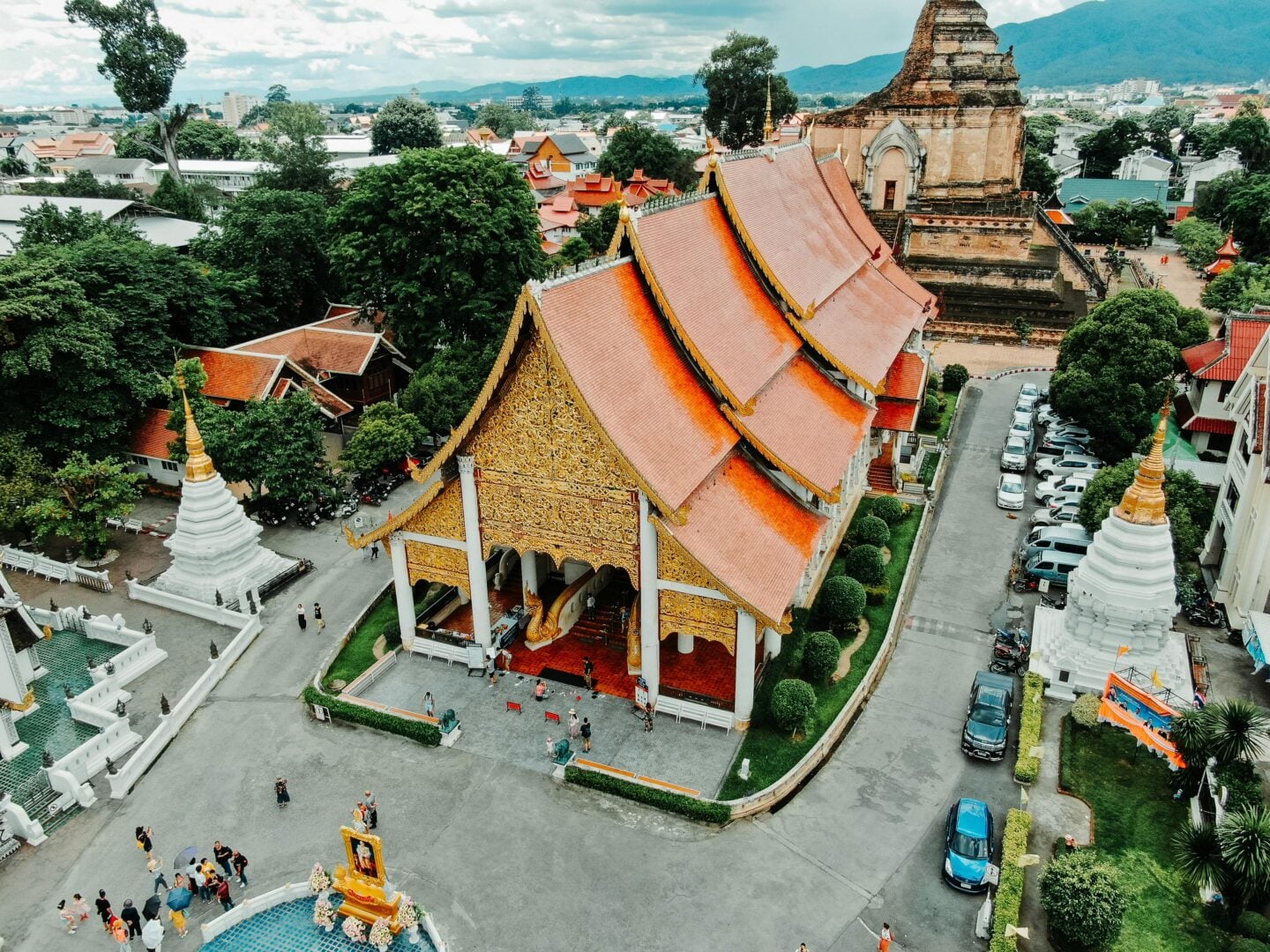
Chiang Mai is the calm mountain city of Thailand. Temples, cafés, yoga studios, and co-working spaces are everywhere. It is very affordable and popular with digital nomads. The only major downside is burning season when air quality drops.
The Islands
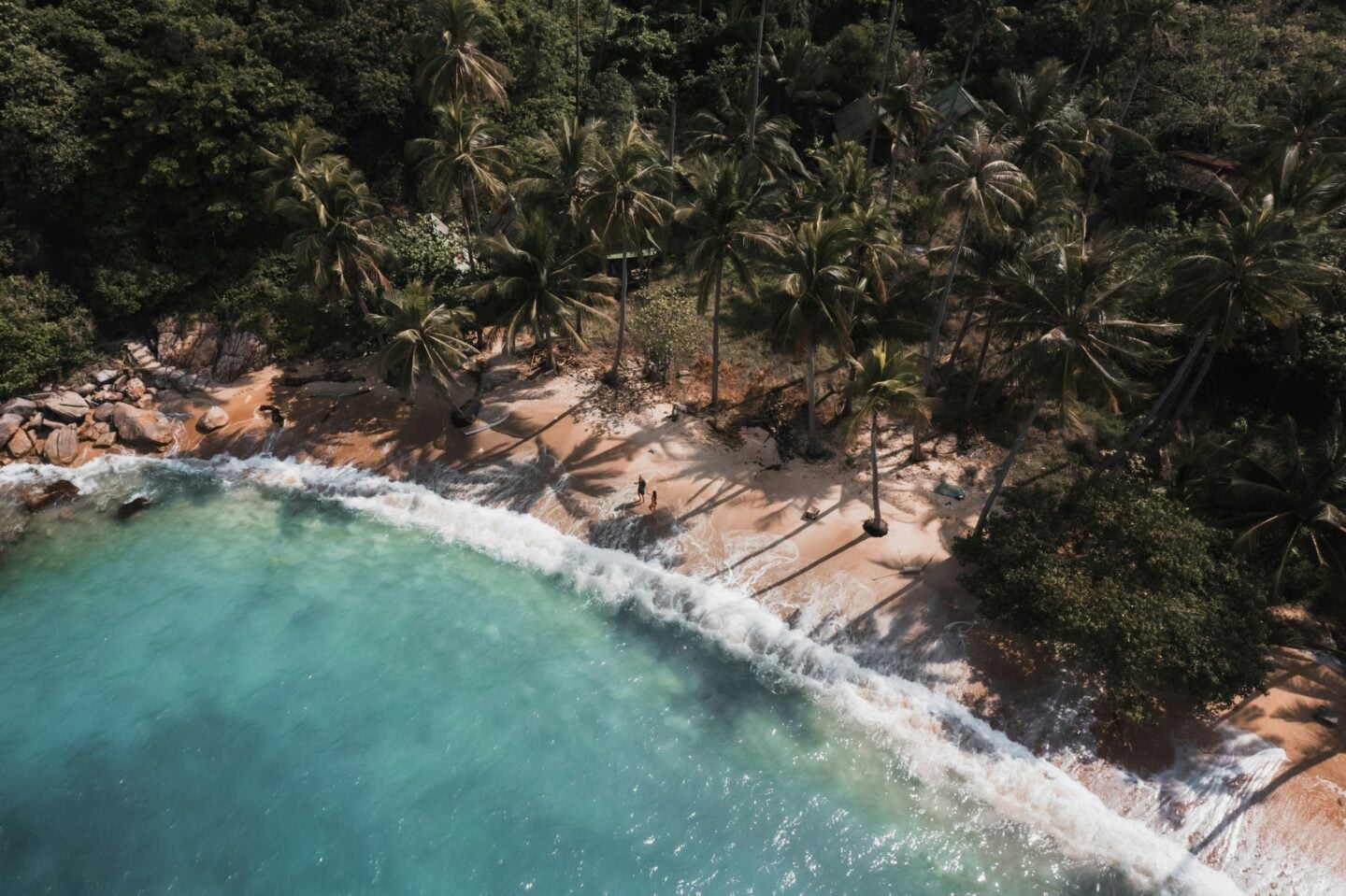
Phuket, Koh Samui, and Koh Phangan are the three most popular islands. Here you live the tropical postcard lifestyle you were dreaming about.
Only downside: The islands have rainy seasons between September and mid-December, and floodings happen quite a lot.
Final Thoughts About The Pros And Cons Of Living In Thailand
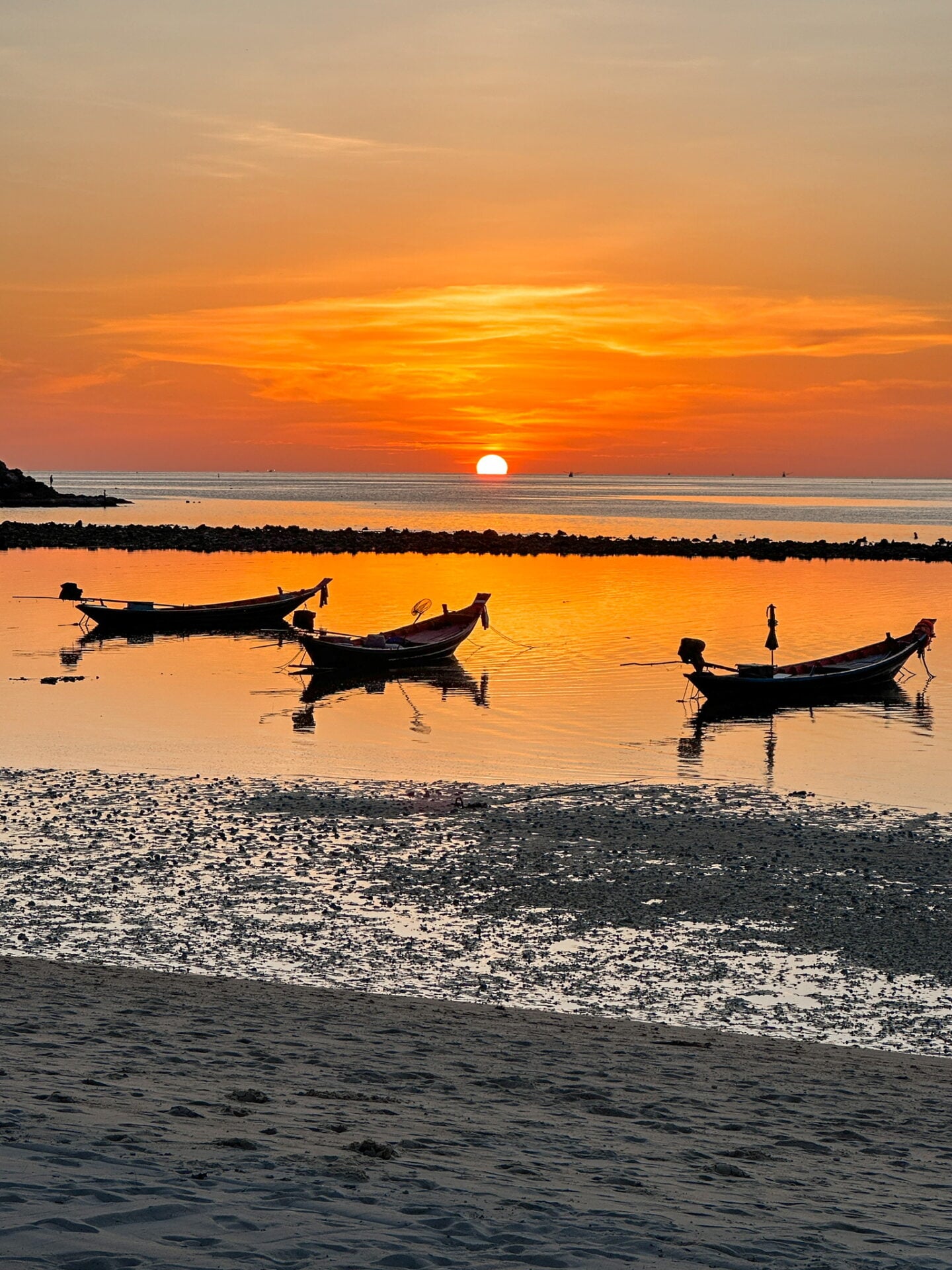
Living in Thailand is not perfect, but incredibly beautiful if you are willing to adapt. Life becomes more affordable, days feel longer, and there is sunshine all year round.
But there are also challenges: Visas take time. Road safety requires caution. The climate can be intense. And some days you will miss the western comfort of home (can you believe that dishwashers are high-end luxury here?!).
But after many years here, I still wake up grateful that I dared to try.
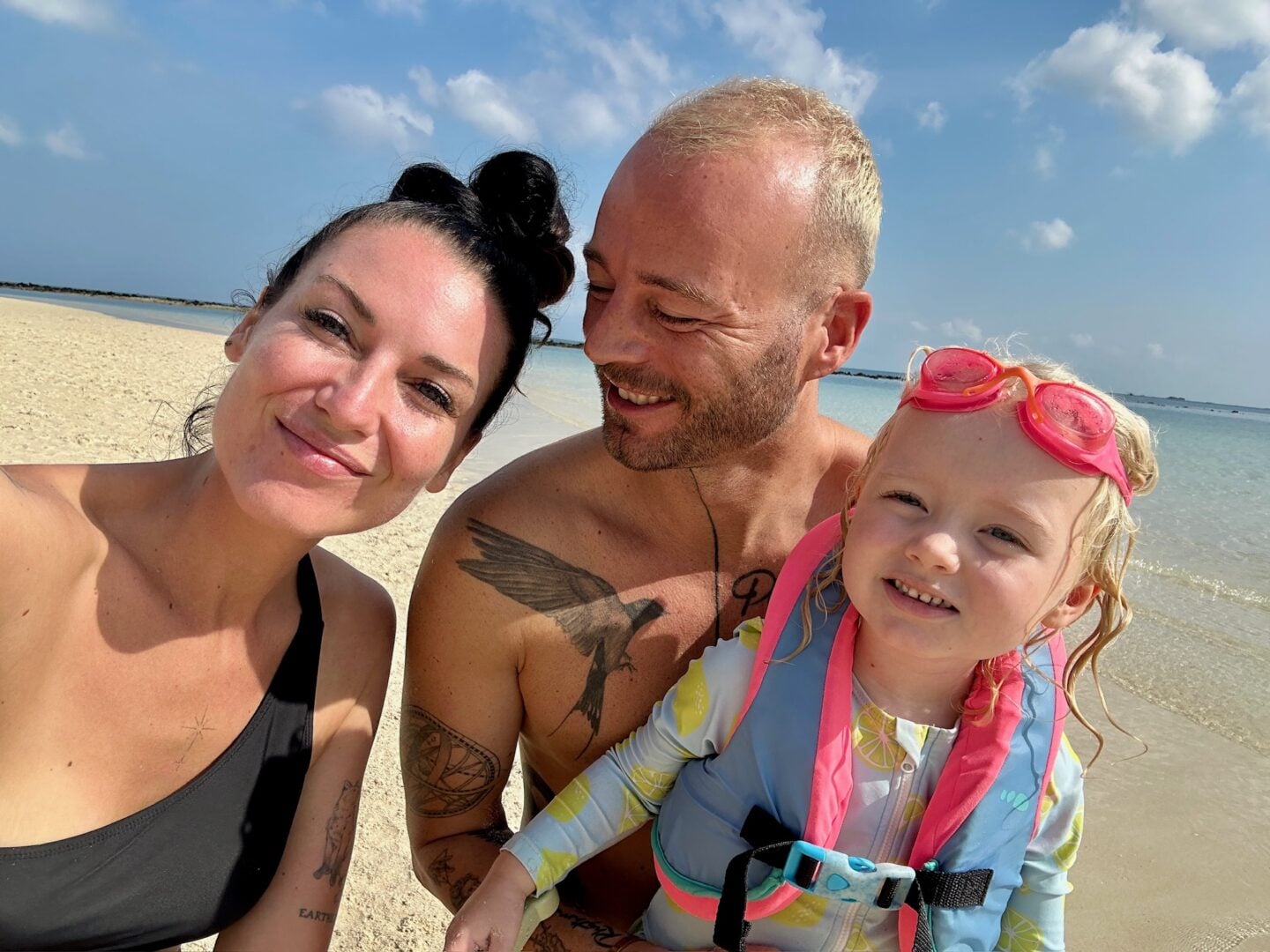
If you are considering the move, I hope this guide helps and gives you the confidence to explore this chapter for yourself. I wish you all the best on your Thailand adventure!
About The Author

Lulu is a journalist, mum of two, and Family Travel Expert who has been traveling the world with her family since 2019. She swapped her busy life in Germany for sunshine, island living, and more time with her girls… and never looked back. On Nomadmum, she shares honest, real-life guides from Thailand and beyond, helping families travel easier, lighter, and with more joy.
Thanks for stopping by!
Magda
xoxo
If you enjoyed this post, pin it on Pinterest to come back to it whenever you want and help it reach more readers!
***PIN IT***