Moving with children demands structure and calm. Change disrupts them. They rely on routine to feel secure. When you move, your job is to protect that routine. A stable rhythm keeps them grounded while everything else shifts.

Understanding How Kids React To A Move
Children feel loss before they feel excitement. Toddlers cling more. School-age kids act out or regress. Teenagers pull away or resist. These are normal responses. They are signals that they need stability.
Data from the American Academy of Pediatrics shows that children under stress often show physical signs. Headaches, stomachaches, or sleep changes are common. These symptoms usually ease when structure returns.
You must explain what is happening in clear terms. Tell them where you are moving, when, and why. Avoid vague answers. Give them time to process. Reassure them that their daily life will remain familiar.
Keep language simple. Instead of saying “We’re relocating for better opportunities,” say “We’re moving to a new house where we’ll still eat breakfast together every morning.” Familiarity in words matters as much as familiarity in actions.
Planning The Move Around Your Kids’ Routine
The timing of your move affects how easily your children adjust. Move between school years. Summer allows them to settle before a new academic routine begins. If that’s not possible, coordinate with their teachers. Provide consistency wherever you can.
Do not disrupt core parts of their day. Keep meal times, naps, and bedtime unchanged before and after the move. A consistent routine signals safety. Children read rhythm before they understand logic.
Plan the move around their needs, not yours. Pack while they are at school or asleep. If you need to pack during the day, give them small jobs to keep them involved. When children participate, they feel in control.
Avoid significant schedule changes during the week of the move. Moving is enough of a change. Save new rules or transitions for later. The more familiar their environment feels, the faster they adapt.
Involving Kids In The Moving Process
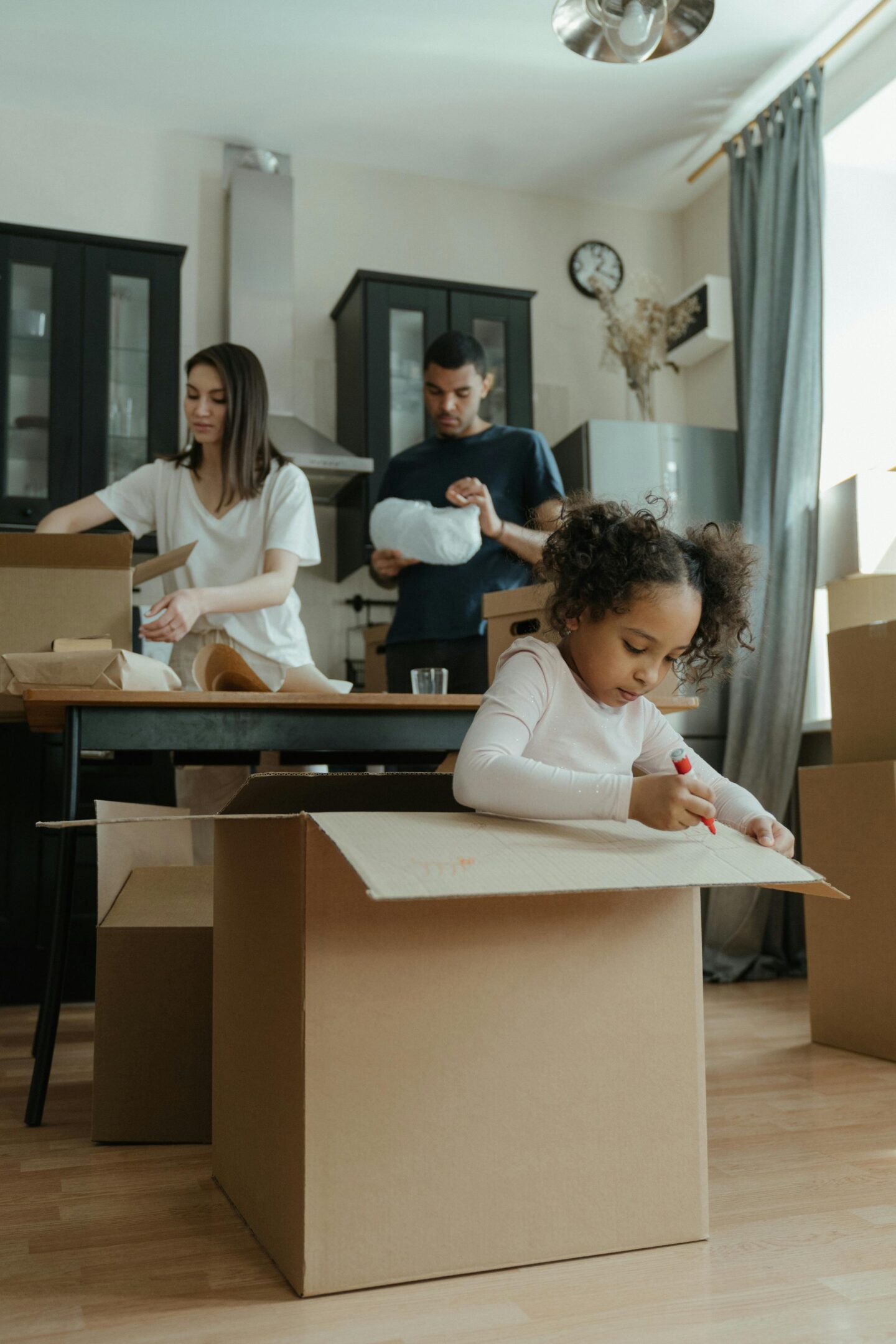
Involvement turns fear into engagement. Let them pack a box of their favorite things. Label it clearly and keep it with you. It will be the first box they open in the new home.
Younger kids can help sort toys or place stickers on boxes. Older kids can choose décor for their new room or research local parks and schools. When they feel included, resistance drops.
Visit the new home before moving day. Walk through each room. Let them pick where their bed will go. The goal is to replace the unknown with familiarity. Even short exposure helps.
When a visit is impossible, show photos or videos. Explain what stays the same. Tell them their bed, toys, and clothes will be there. Children associate belonging with their personal items. Keep those consistent.
Making The Moving Day Easier
Moving day should not feel chaotic to your children. Pack an essentials bag for each child. Include snacks, water, a change of clothes, and comfort items. Keep the bag with you, not in the truck.
Feed them at regular times. Maintain naps or quiet breaks. Play soft music or bring headphones. Reduce sensory overload.
Ask a friend or relative to help. One adult focuses on logistics, another on the kids. When both roles compete, stress rises for everyone. If you’ve hired experienced cross-country movers, let them handle the heavy lifting so you can stay focused on your children’s comfort and emotional needs.
Avoid rushing. Kids sense tension. Speak calmly. Keep them informed about what happens next. Simple updates prevent confusion.
If you travel a long distance, keep stops predictable. Eat, rest, and stretch at consistent times. Small habits create normalcy even during transition.
Rebuilding Routine In A New Environment
Once you arrive, make your children’s room your top priority. Set up their bed, nightlight, and favorite toys first. The goal is to restore comfort fast. Unpack familiar items before anything decorative. Function comes before design.
Stick to their usual schedule immediately. Eat breakfast at the same time. Follow bedtime rituals. Maintain homework time. Children need to see that their daily rhythm survived the move.
Involve them in unpacking. Let them organize small areas. They learn the space through participation. That reduces the sense of displacement.
Explore the new environment together. Walk to nearby parks. Visit their new school before classes start. Meet neighbors. Familiar surroundings reduce anxiety.
If you moved to a different time zone, adjust gradually. Shift wake-up and bedtime by thirty minutes each day. Sudden changes disrupt sleep and mood.
Helping Kids Adjust Emotionally
Emotional adjustment takes longer than unpacking. Pay attention to behavioral shifts. Withdrawal, irritability, or sleep changes suggest stress. Address them early.
Keep communication open. Ask direct questions about how they feel. Listen without correction. Avoid statements like “You’ll make new friends soon.” Replace them with “I know you miss your friends. Let’s call them this weekend.” Validation builds trust.
Encourage social contact. If they left friends behind, schedule video calls. If they started at a new school, help them join clubs or teams. Relationships stabilize mood faster than anything else.
Create small routines unique to the new home. A family walk after dinner or Sunday breakfast together provides a sense of structure. Small traditions rebuild identity.
If your child shows prolonged distress, speak with their teacher or a counselor. Professional guidance helps them process change more easily.
Staying Grounded As A Parent
Children follow your lead. If you handle stress poorly, they feel unsafe. Take care of yourself first. Sleep, eat properly, and delegate tasks when possible.
Lower expectations. The first few weeks will be messy. Boxes will stay unpacked. Meals will be irregular. Focus on what matters most. Routine and reassurance come before decoration or order.
Create breaks in your day. Step outside for five minutes. Breathe. Reset. Consistency requires energy. You cannot give it if you are running on empty.
Keep familiar family activities alive. Game night, movie night, or shared meals help everyone adjust. These habits tie the old life to the new one.
Moving Forward
Relocating with children tests patience and planning. Your success depends on preserving structure amid change. Children look for signals of stability. You provide those signals through predictable routines and calm responses.
Data from the U.S. Census Bureau shows that over 30 million Americans move each year. Families who prepare children early and maintain structure report smoother transitions and fewer behavioral issues. Preparation pays off.
Protect your child’s daily rhythm. Communicate often. Keep routines firm. Build new habits slowly. Every consistent action builds security.
A new home will never replace the old one overnight. But with steady guidance, familiar schedules, and patience, your family’s rhythm will find its place again.
Thanks for stopping by!
Magda
xoxo
<3