The age-old question – to rent or to buy? It’s one that continues to spark debate, especially now that the housing market feels like it’s riding a rollercoaster with no clear end in sight.
If you’ve tried to rent a flat in London recently, you’ll know just how intense the market has become. Listings vanish within hours, viewings are packed, and renters are often asked to offer above the asking price just to be considered. The struggle to find something decent, affordable, and available is real – and it’s leaving many wondering whether it might actually make more sense to buy.
Of course, buying brings its own set of questions – mainly: can you afford it? A good starting point is to plug your numbers into a mortgage estimator. It helps you understand what your monthly repayments could look like based on your deposit, interest rate, and loan term – and even shows a breakdown over time with repayment charts and amortisation tables.
Whether you’re considering settling down, upsizing, or just trying to figure out what’s smartest financially, deciding between renting and buying is more nuanced than ever. As someone who’s been on both sides of the fence, I’ve learned that there’s no universal answer, but there are a few things that can help you make the right decision for your life right now.
We’re in 2025, and the housing landscape has shifted in some surprising ways – from tighter lending to increased living costs. Let’s explore what renting and buying really look like today, and which path might make the most sense for you.
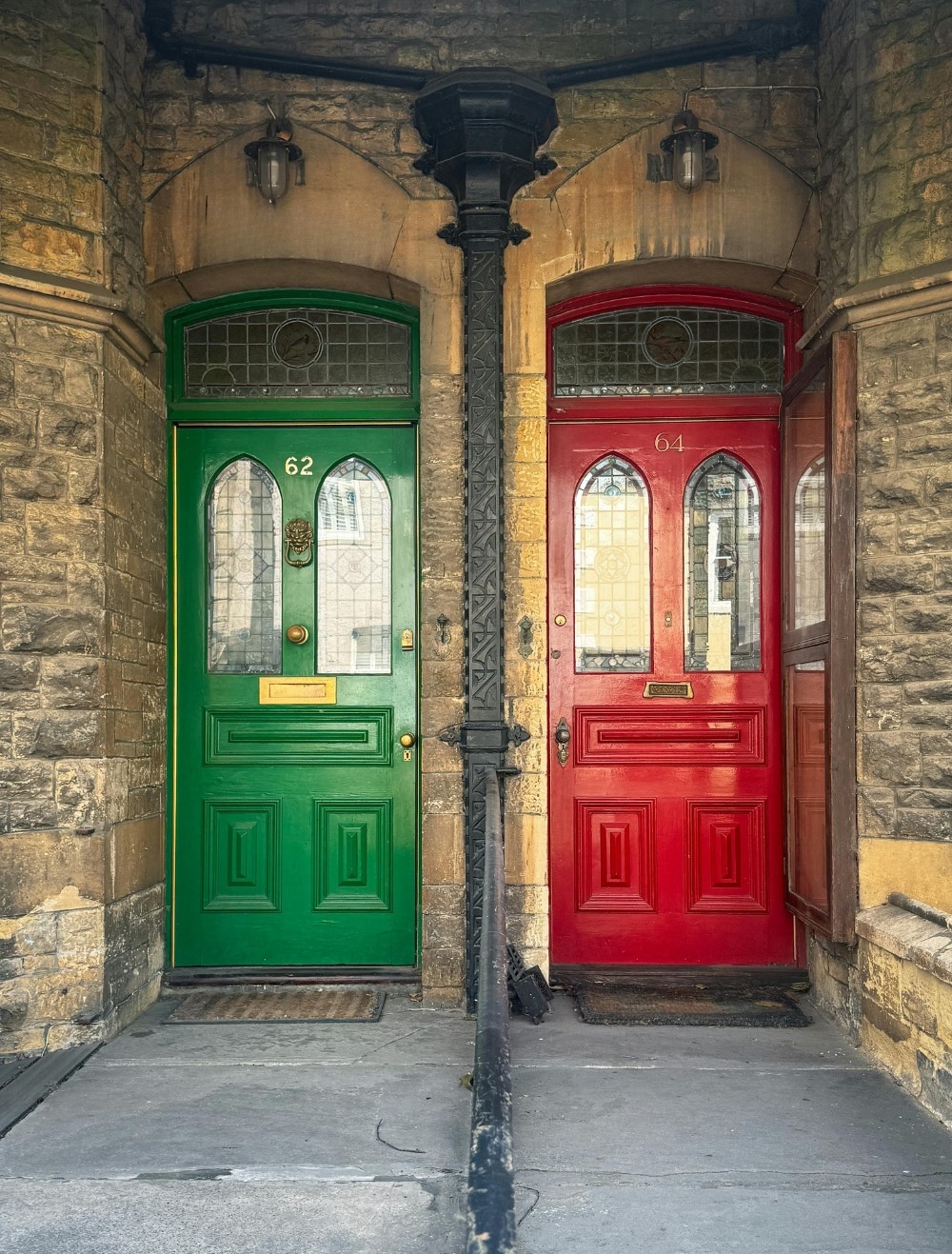
The Realities Of Renting In 2025
There’s a reason renting remains popular, especially among younger adults, digital nomads, and people living in cities where home prices have skyrocketed. It’s flexible, lower-commitment, and often more accessible upfront.
When Renting Might Be the Smarter Choice
- You’re not ready to commit to one location long-term
- You need the flexibility to move for work, travel, or personal reasons
- You’re still saving for a deposit or want to keep upfront costs low
- You prefer having maintenance and repairs handled by a landlord
- You’re unsure about the housing market and want to wait it out
That said, renting does come with a few downsides to keep in mind.
The Disadvantages of Renting
- Unpredictable rent hikes: Renters across the UK have seen sharp increases in the last couple of years, with average rents reaching record highs.
- Lack of stability: Renting doesn’t offer long-term security. You could be asked to leave if your landlord decides to sell or increase rent beyond what you can afford.
- No return on investment: Every month, your money is going toward someone else’s mortgage – not building equity or future value for yourself.
Why Buying Can Be A Smart Move – If You’re Ready

Buying a home is a big commitment, but it can also be an empowering step toward long-term financial freedom. With a mortgage, you’re building equity each month instead of throwing money into the rental void.
And while interest rates are higher than they were during the ultra-low period of the pandemic, many experts believe that we’re nearing a period of stabilisation – possibly even some softening in house prices, according to Rightmove’s 2025 forecast.
When Buying Might Make More Sense Than Renting
- You’re planning to stay in the same area for several years
- You want the freedom to personalise or renovate your space
- You’re working from home and need a dedicated office or extra room
- You’re thinking about starting or expanding your family
- You’re tired of unpredictable rent increases and short-notice moves
Is Now A Good Time To Buy?
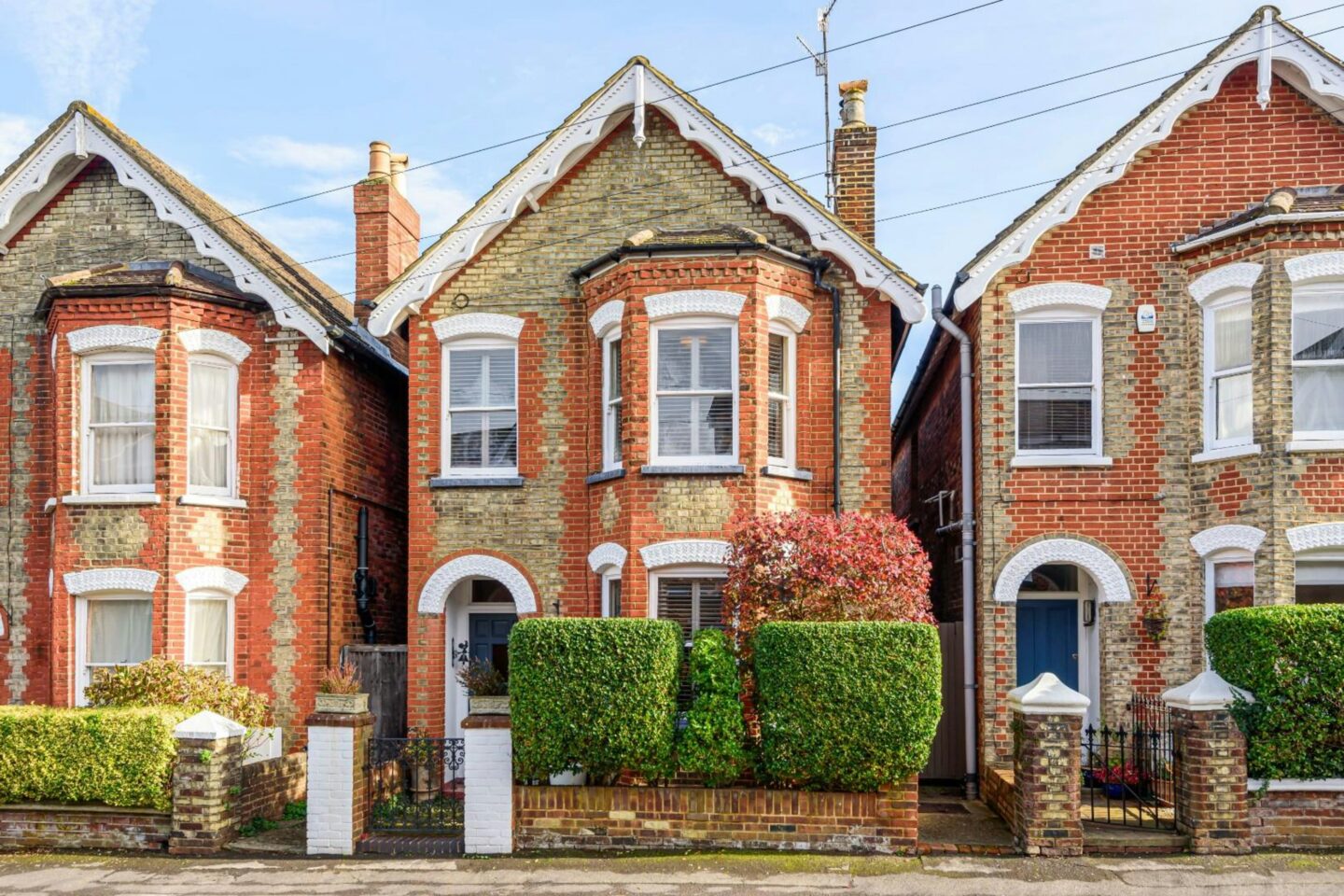
It’s the question everyone seems to be asking, especially in the aftermath of the COVID-era interest rate cuts and the sharp reversals that followed. As inflation spiked and central banks tightened monetary policy, mortgage rates rose rapidly, reshaping the housing landscape.
The Economic Backdrop in 2025
Mortgage interest rates have eased slightly from their 2023 peaks, but they’re still significantly higher than the ultra-low rates many buyers enjoyed in 2020. As of spring 2025, the average two-year fixed mortgage rate hovers around 4.89%, and five-year fixed deals aren’t far behind. While that’s a big shift from pandemic levels, many lenders are adjusting their offers as the market begins to stabilise.
The housing market is also cooling slightly, with reduced competition in some areas and more willingness from sellers to negotiate. If you’re in a stable financial position and prepared to stay put for a while, this slower pace could actually work in your favour, giving you more room to find the right property without entering a bidding frenzy.
Renting Vs. Buying: A Quick Comparison
| Factor | Renting | Buying |
|---|---|---|
| Monthly Cost | Often lower upfront | May be higher, but builds equity |
| Flexibility | High – easy to move | Low – longer commitment |
| Stability | Low – lease-dependent | High – you control your home |
| Investment | No – rent is gone each month | Yes – potential long-term value |
| Customisation | Limited | Unlimited (within reason) |
Planning Your Next Step

If you’re on the fence about whether to rent or buy, here are some practical steps that can help guide your decision.
1. Know Your Numbers
Start by getting a rough idea of what a mortgage would actually cost you month to month. Using a mortgage ecalculator lets you experiment with different home prices, deposit amounts, and loan terms to see what kind of repayment might work for your budget. It’s a quick, pressure-free way to see if buying is even a realistic option for now – and it might surprise you either way.
2. Check Your Credit Score
Your credit score plays a huge role in what mortgage deals you’ll be offered. Before you apply for anything, it’s worth checking your credit file for any inaccuracies and seeing where you stand. Even a small boost – like registering to vote or paying off a credit card – can make a difference when it comes to securing a better interest rate.
3. Explore First-Time Buyer Support
If you’re new to the property ladder, you might have more help available than you think. Government schemes like First Homes scheme, shared ownership, or even Lifetime ISAs can make buying your first home more affordable. It’s worth doing a little research – or speaking to a mortgage adviser – to find out what’s out there.
4. Revisit Your Priorities
Take a step back and think about what really matters to you right now. Do you value flexibility, or are you craving stability? Do you see yourself in one place for the next few years, or are you still figuring that out? Sometimes your lifestyle goals – not just your finances – will point you toward the right answer.
5. Talk to a Professional
Speaking with a mortgage broker or financial adviser can help demystify the process. They’ll be able to look at your full picture and help you understand what’s possible – and what’s wise – based on your current circumstances. A quick conversation could save you hours of research (and potentially a lot of money).
Final Thoughts
The rent vs. buy debate isn’t new, but it’s taken on fresh urgency in 2025 with all the economic shifts we’ve been through – from post-COVID inflation to interest rate hikes and rising home prices.
The good news? You don’t need to figure it all out overnight.
Whether you rent, buy, or something in between (like co-owning or renting-to-buy), the most important thing is being informed. Using a mortgage checker can help you understand your options – and take some of the guesswork out of your next move.
So grab a coffee, run the numbers, and think about what’s right for you – not just for today, but for the life you’re building long term.
And if you’re staying in the rental market for now, knowing your legal rights can help you navigate issues with deposits, contracts, or eviction. Citizens Advice has great up-to-date information.
Thanks for stopping by!
Magda
xoxo
This article is for general informational purposes only and does not constitute financial, investment, legal, or tax advice. Always consult a qualified professional regarding your specific circumstances.
<3