Capturing the food you eat on your travels is one of the best ways to make memories, remember good times, and capture the food you loved the most and want to experience again. If you want to get better at food photography, here are a few simple tips to remember.
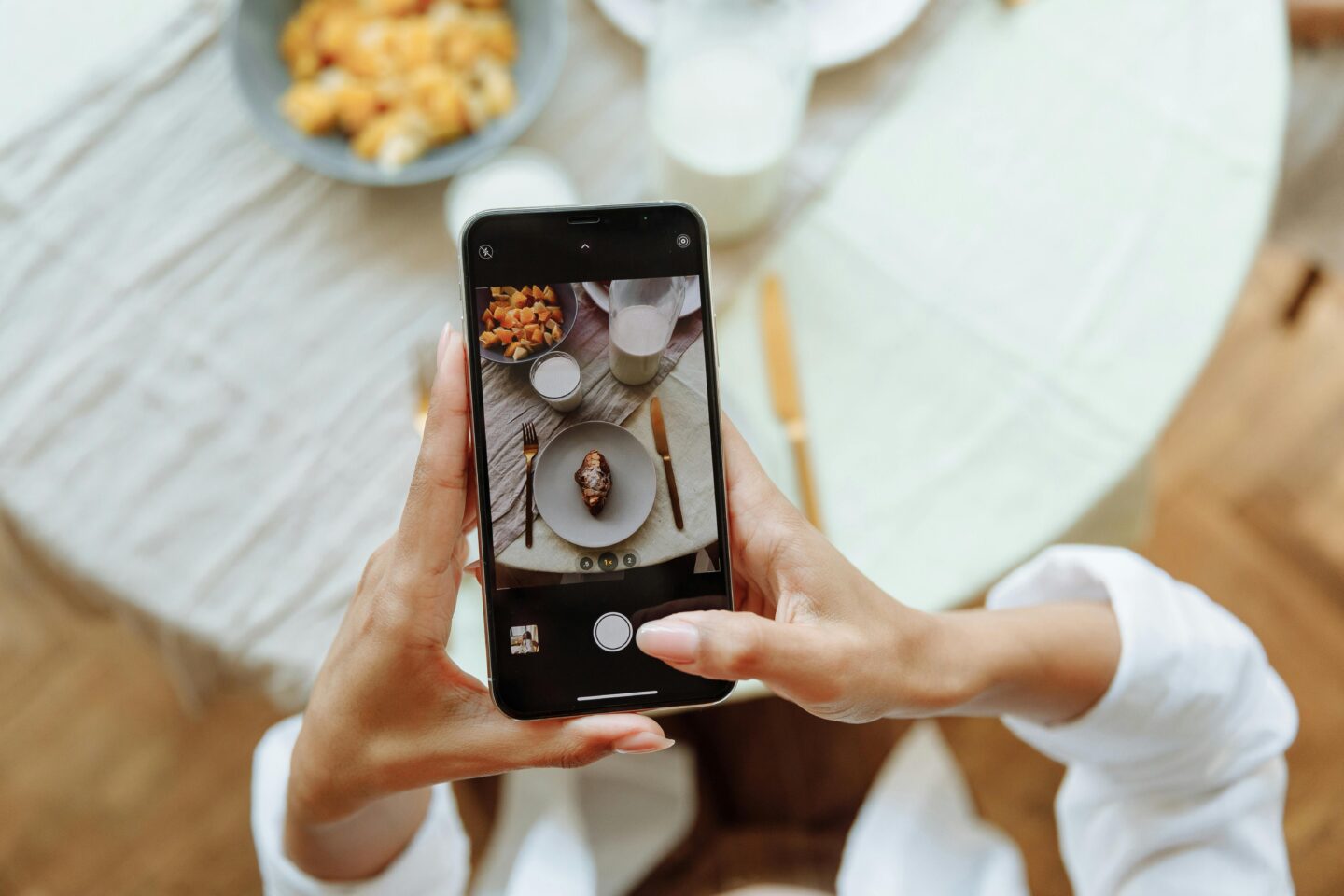
Natural Light Is Best
Whether you are using your smartphone, a cheap camera, or a Canon PowerShot G7X Mark III, natural light will always be better for food photography compared to artificial light. This is for one simple reason: natural light makes the food look fresher.
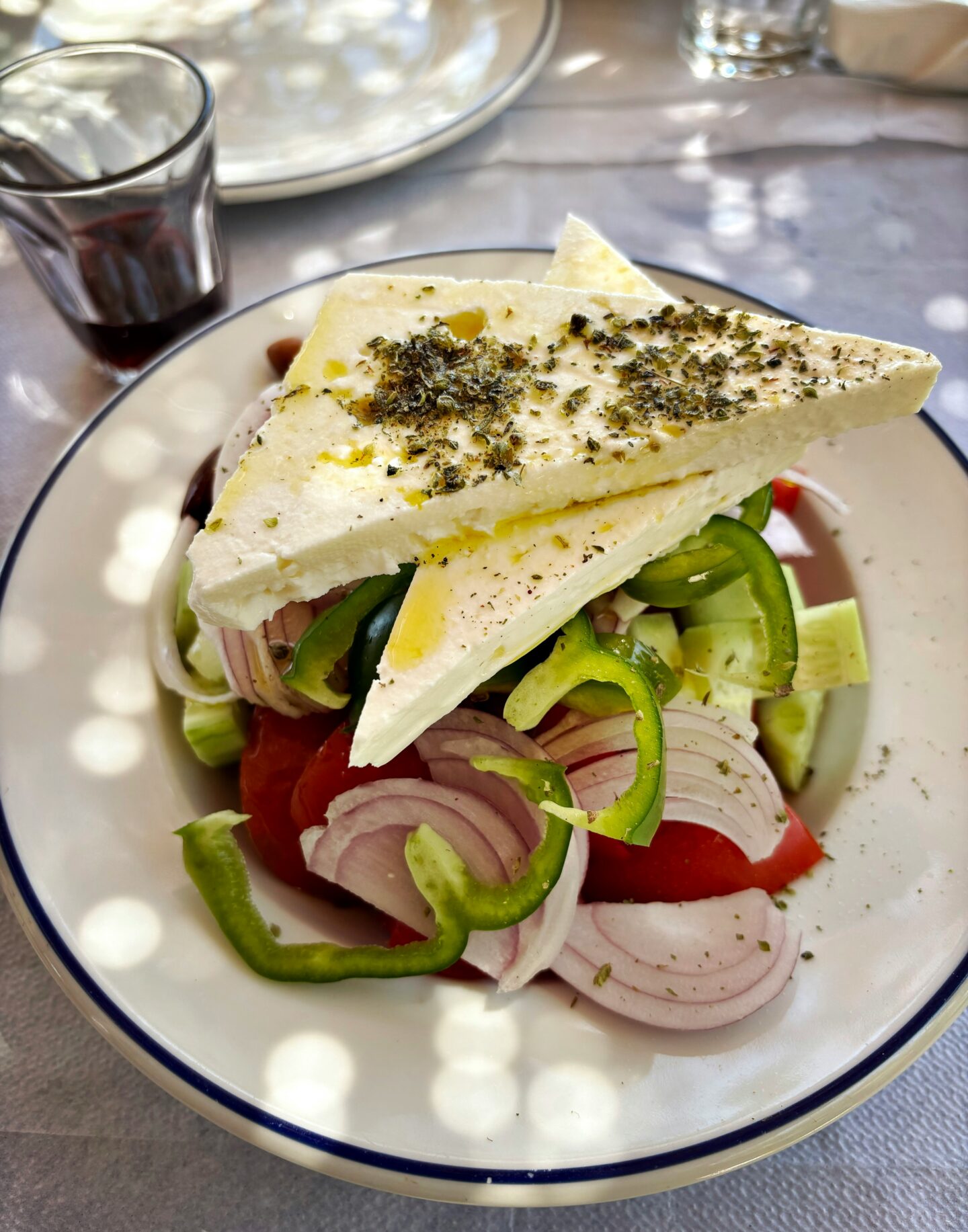
While natural light is clearly not possible at night, you can use other sources that are still better than using your flash or artificial light. A candle or a fireplace both offer an incredible orange glow in photographs, making the image appear a bit moodier and sultrier, which is often great for decadent desserts.
Composition
Composition can be a tricky thing to master, so don’t be discouraged if you don’t get it right immediately. In simple terms, composition refers to how the elements of your photo are placed within the picture.
For food photography, use the rule of thirds. This means splitting the frame into a 3×3 grid, then placing the main dish at an intersection or along one of the lines. This not only makes the dish stand out but also creates negative space that draws the eye to it.
Shoot As The Food Arrives
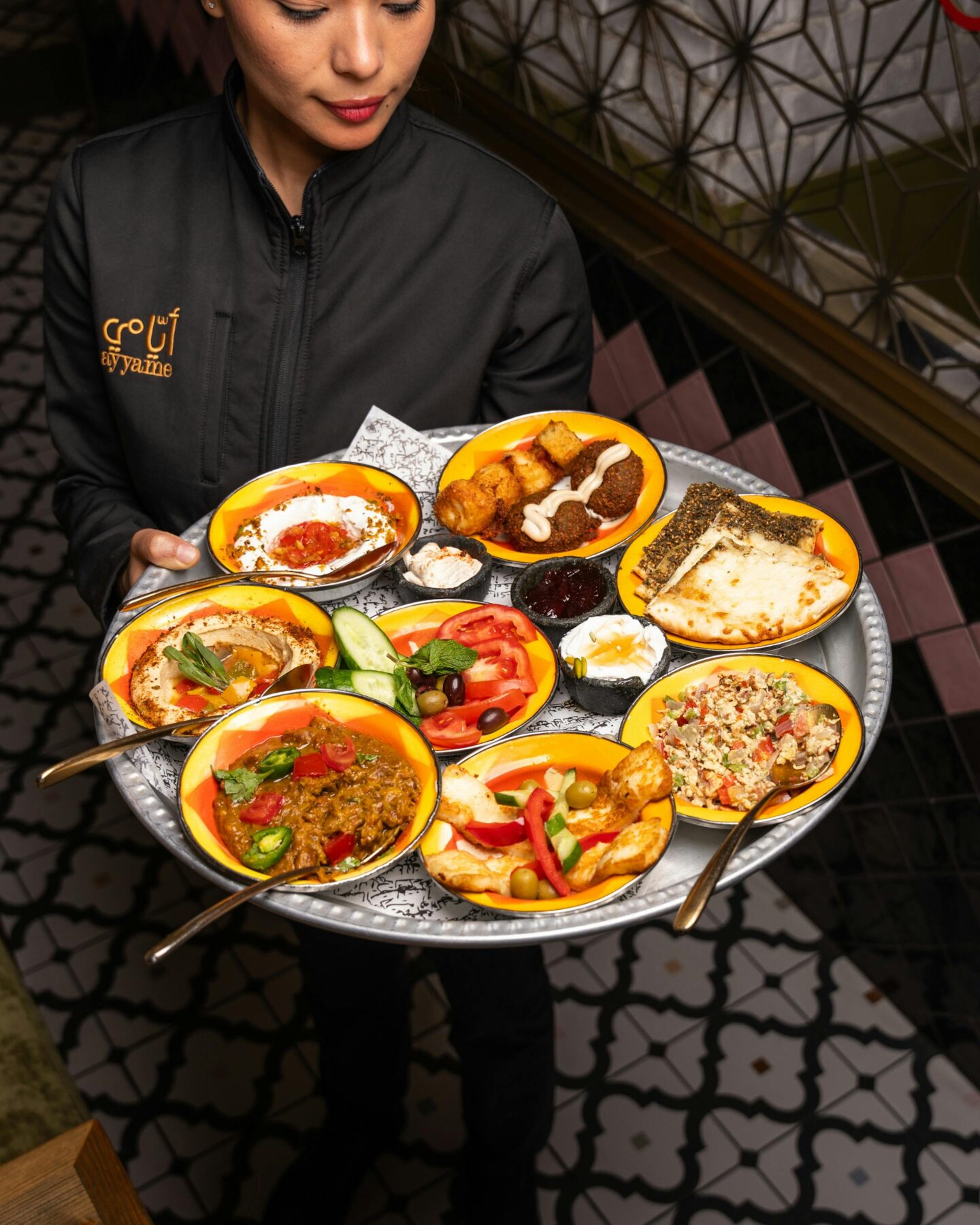
While this may sound obvious, it is a small trick often overlooked: take your photos as the food arrives. If you want the best photos, you want to shoot the food when it is at its best, which is typically a few seconds after it hits your table.
Not only will the food look great, but you will also be able to capture some movement in the form of steam, some smoke from an extravagant serving method, dripping sauce, etc.
Use Angles
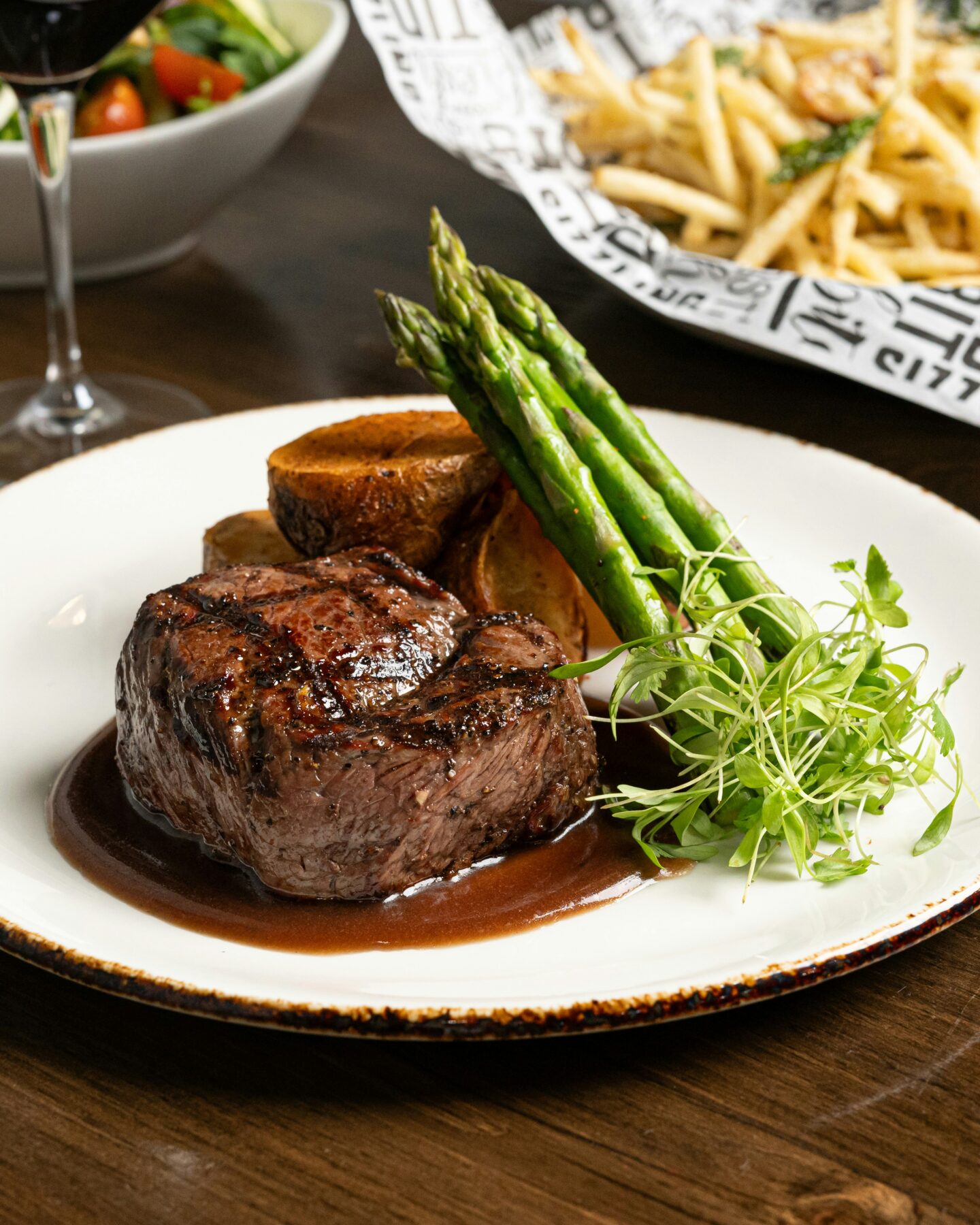
Angles are useful in all types of photography, and you should definitely use them when shooting food. When beginning, there are three angles you should utilize and build on, namely, a top-down shot, a diner’s perspective shot, and a straight-on shot.
A top-down shot is perfect for emphasizing shape and size, such as a pizza. A diner’s perspective shot is a versatile angle that makes the viewer feel like they are eating the meal, while a straight-on shot can highlight layers and height of a dish, which is great for shooting cakes, layered tarts, etc.
Framing
Framing is a great way to draw attention to the dish or a specific aspect of it. The goal is to make the dish the main star of the photo, and this can be done with a strategically placed wine glass or salt and pepper shakers, which create a natural-looking border.
Don’t go overboard with how many you use, but additional elements can help you to create barriers that force the viewer to look at the main dish.
Focus On The Star
Never forget the star of the show. This can be the whole dish, one detail of it, or something in between. Food photography isn’t about highlighting how great the plate or table is, or how unique the wine glasses are; those things should be used to make the meal look better.
When you focus on the main star of your photo, you will get better at recognizing which additional elements add to it, and which ones take away from it.
Capture The Process If Possible
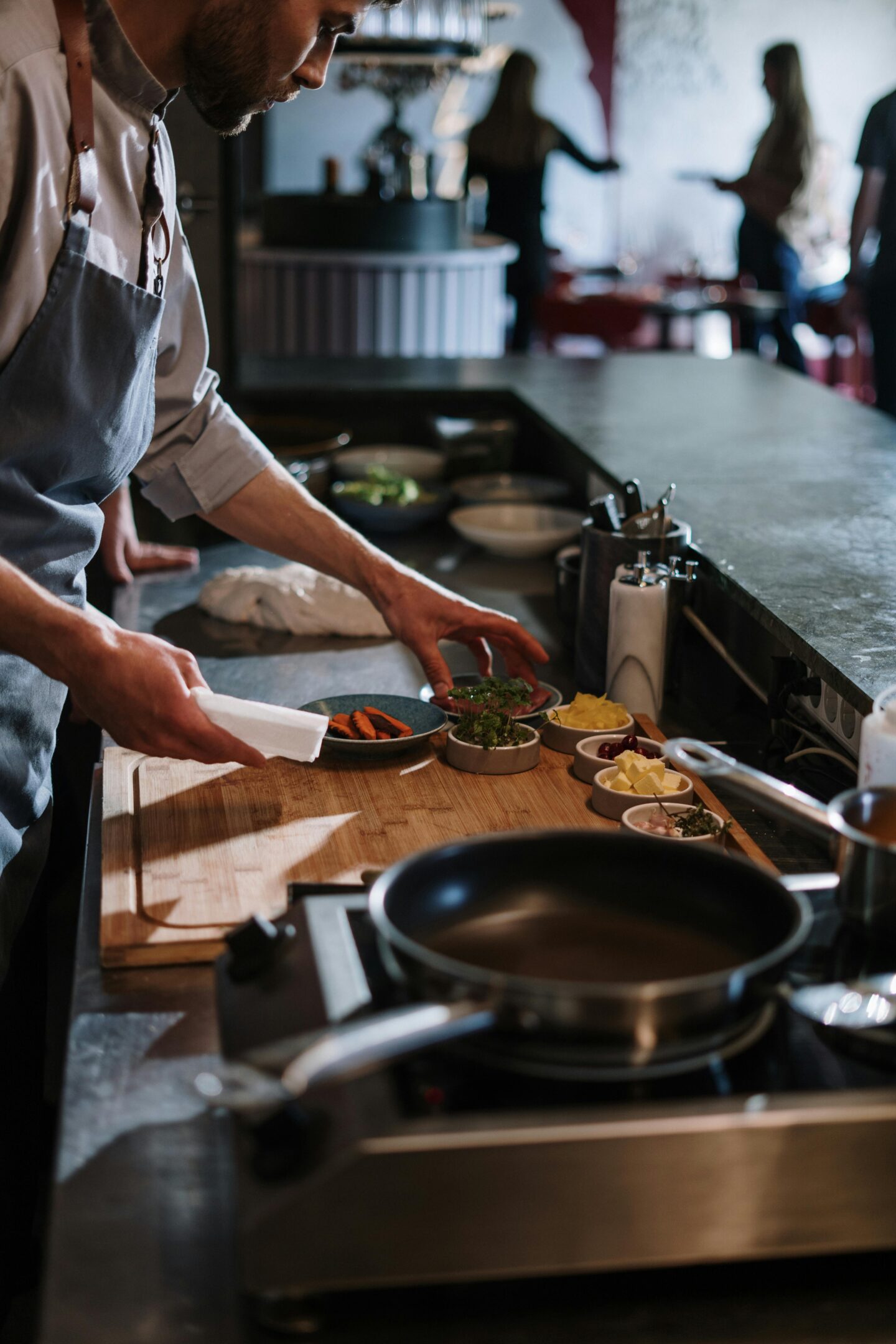
In this day and age, where apps like Instagram allow you to create mini photobooks and slideshows, don’t pass up the chance to photograph the preparation process of your dish, as well as the final meal.
While this won’t always be possible, asking the restaurant manager if you can just snap a few photos of the chefs and kitchen won’t always be met with a “no” and can easily be one of the best parts of your mini photoshoot.
Be Quick In Busy Areas
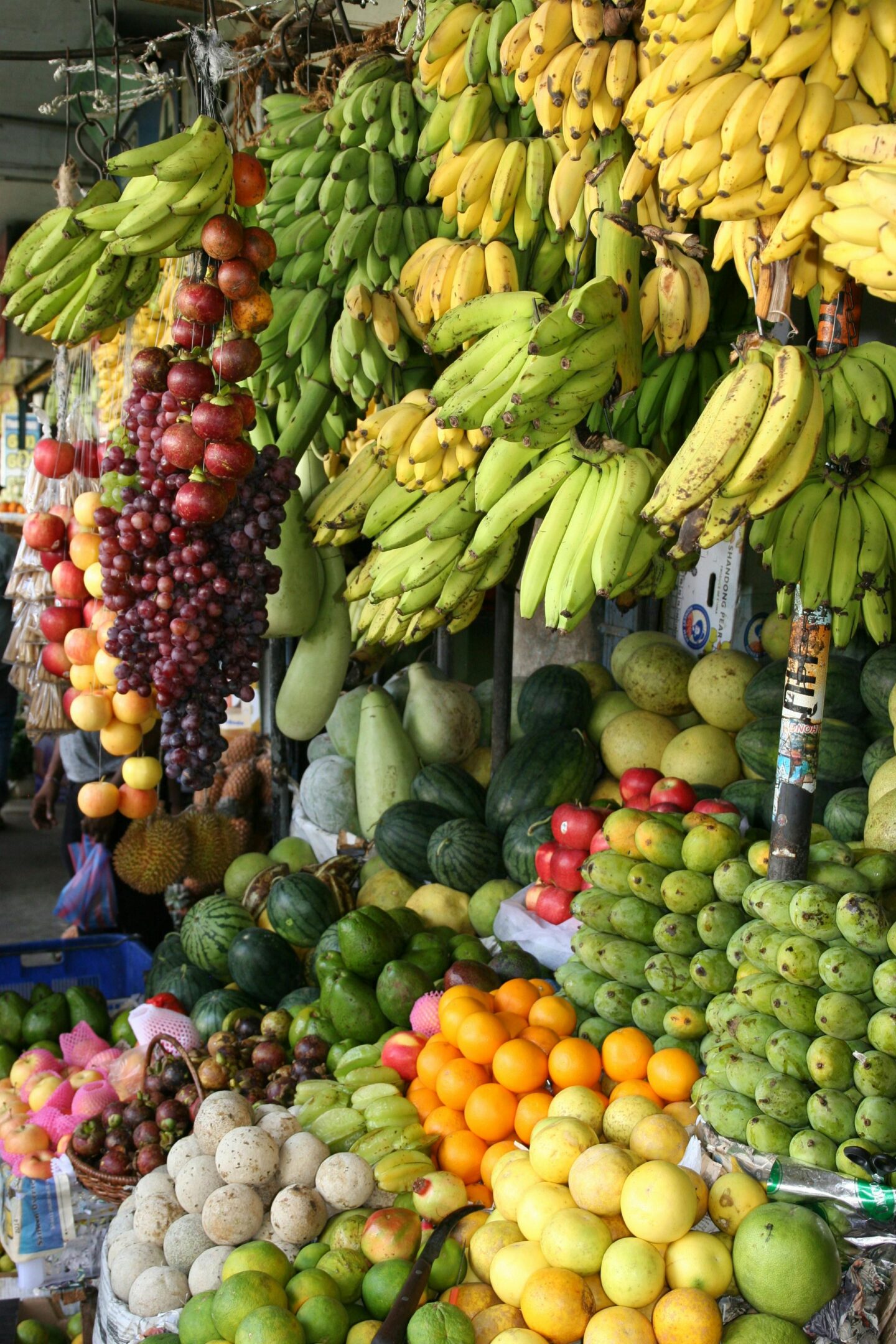
When traveling, especially if you love food, you will very likely find yourself in an exciting market packed with food and ingredients you want to taste and shoot. However, shooting in these areas can be difficult, especially if it is very busy.
Because of this, it is important to know your camera and be quick when it comes to changing settings, finding angles, etc. This will allow you to shoot quicker, and you won’t miss out on great opportunities simply because you were too slow to get your camera out, find the right settings, turn the flash off, etc.
Practice
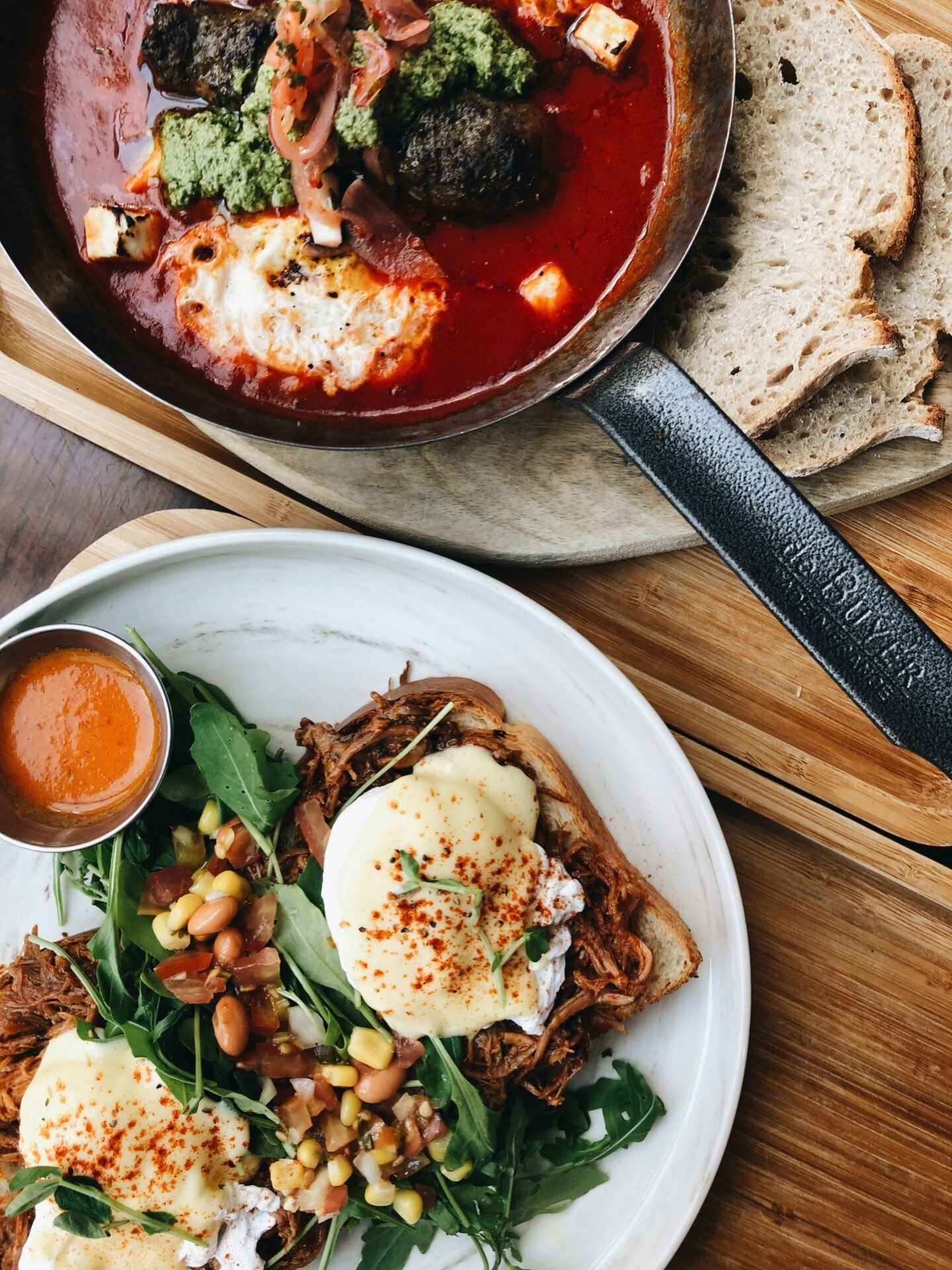
Finally, the best way to take better food photographs is to practice. Whether it is your angles, distance, framing, composition, or something in between, you aren’t going to become better if you aren’t practicing or trying something new every day.
Practice is also the best way to find your own style, as you will quickly figure out what you love about food photography, which parts you like to highlight, and the way you want to bring viewers into your photos.
Thanks for stopping by!
Magda
xoxo
<3